
At PracticalAdultInsights, we're committed to delivering accurate, trustworthy information. Our expert-authored content is rigorously fact-checked and sourced from credible authorities. Discover how we uphold the highest standards in providing you with reliable knowledge.
What does a Bail Bondsman do?
 Karyn Maier
Karyn Maier
Karyn Maier
A bail bondsman, also known as a bond agent, is a company representative or an individual acting independently who presents a surety bond to a court of law to affect the release of a defendant who would otherwise be held in jail until trial. These services are made possible by contractual agreements that are pre-arranged with the courts in the county and state in which the bondsman does business. Because of these agreements, the person is permitted to make a “blanket” bond to the court, which is considerably less than the amount of bail originally set. In effect, he or she is making a guarantee that the defendant will return to the court as required or be held responsible for making restitution to the court for the full amount of the original bail.
There are several advantages to using a bail bondsman to get someone released from jail. For one thing, he or she usually has access to certain securities in order to be able to furnish a bond to the court, even if it’s in the middle of the night. This is possible due to securing special agreements with credit providers, such as a financial institution or insurance company, in order to access a line of credit outside of normal business hours. This means that the defendant can usually be released within a few hours of presenting the bond to the court. In addition, using these services saves the defendant or his or her family from having to post the entire bail in cash.

There are also important considerations to be made when contracting with a bail bondsman. First and foremost, it’s imperative that the defendant is of a character to actually adhere to the release agreement. This is particularly true if the bail set by the court is very high and a bond has been secured with a bondsman in the form of collateral, such as a home or vehicle. Otherwise, if the defendant should fail to appear in court at the appointed time, the bail bondsman will be able to take possession of the property used as collateral. He or she will also be authorized to dispatch a bounty hunter to locate and return a defendant on the run.

Many people are under the misconception that using a bond agent means taking out a loan to pay the bail, but this is not the case. In fact, the bondsman merely charges a percentage of the amount of bail set, typically 10% in most areas. This sum is the surety that the court agrees to accept in lieu of the full bail amount. This percentage represents the bondman’s fee and is not returned to the client when the defendant reappears in court, however.

The requirements to become a bail bondsman varies with each state and jurisdiction. Generally, however, it is a matter of completing approximately 12 hours of coursework, followed by successfully passing a written exam. After accreditation, insurance and licensing must be obtained before the bondsman may conduct business.
Karyn Maier
Contributing articles to PracticalAdultInsights is just one of Karyn’s many professional endeavors. She is also a magazine writer and columnist, mainly for health-related publications, as well as the author of four books. Karyn lives in New York’s Catskill Mountain region and specializes in topics about green living and botanical medicine.
Learn more...
Karyn Maier
Contributing articles to PracticalAdultInsights is just one of Karyn’s many professional endeavors. She is also a magazine writer and columnist, mainly for health-related publications, as well as the author of four books. Karyn lives in New York’s Catskill Mountain region and specializes in topics about green living and botanical medicine.
Learn more...AS FEATURED ON:
AS FEATURED ON:


-
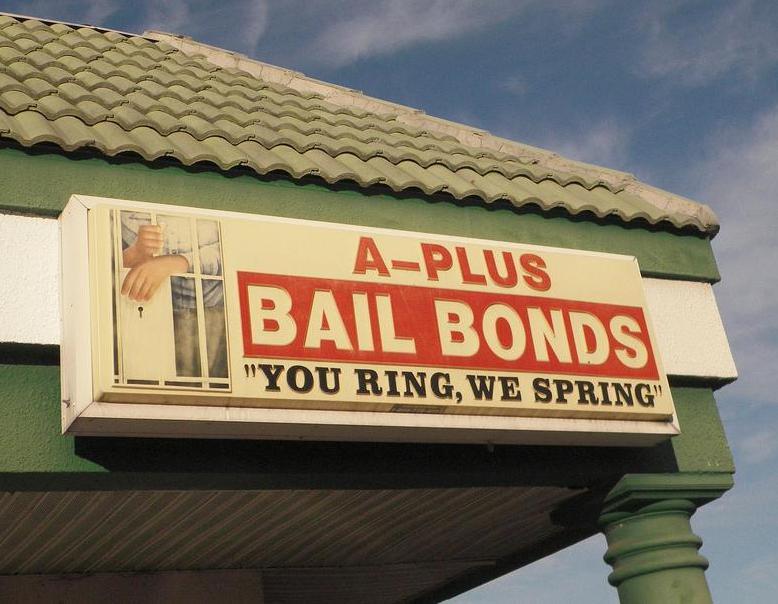
![A bail bond company.]() By: Daniel OinesA bail bond company.
By: Daniel OinesA bail bond company. -
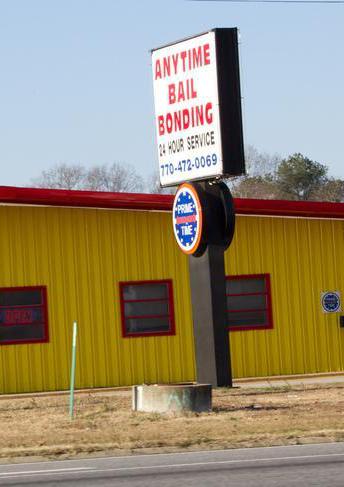
![Bail bonds sign.]() By: Ken TeegardinBail bonds sign.
By: Ken TeegardinBail bonds sign. -
![A bounty hunter may be dispatched to locate a defendant failing to appear in court.]() By: diterA bounty hunter may be dispatched to locate a defendant failing to appear in court.
By: diterA bounty hunter may be dispatched to locate a defendant failing to appear in court. -
![Relatives may be able to loan money to pay for bail.]() By: JackFRelatives may be able to loan money to pay for bail.
By: JackFRelatives may be able to loan money to pay for bail.


Discuss this Article
Post your comments