
At TheHealthBoard, we're committed to delivering accurate, trustworthy information. Our expert-authored content is rigorously fact-checked and sourced from credible authorities. Discover how we uphold the highest standards in providing you with reliable knowledge.
What Causes Water Retention?
 Tricia Christensen
Tricia Christensen
Tricia Christensen
Water retention, or edema, has numerous causes. Sometimes these are mild illnesses or conditions, but at other times, water retention can suggest severe illnesses. This condition may be expressed as puffy ankles, feet, wrists and arms, or manifests as ascites, which is the gross accumulation of fluids in the abdomen. Since fluid retention may be symptomatic of serious illness, consulting a doctor to find the cause is important.
One of the most common causes of fluid build-up can be most easily addressed. Too much salt in the diet, even just occasionally, may cause brief episodes of fluid retention. This can be addressed by lowering sodium content in your diet. You shouldn’t completely reduce sodium, but keeping sodium intake at small amounts by avoiding processed foods is often very helpful. Salt is a natural way to help the body retain water, which it can store and later use; so it’s an important element in diets, but should not be overused.

Being cautious when in the sun also reduces another common cause, sunburn. Severe sunburn may lead to fluid build-up and blistering. It makes good sense to protect the skin from sunburn in any case, since sun damage to the skin is linked to higher skin cancer rates. Burns of any kind, whether from the sun or other sources lead to this condition because the body secretes toxins at a high rate. This overloads the kidneys causing the body to store water in other areas of the body. Second and third degree burns, especially, may create minor water retention, and when these burns are extensive, they can create severe edema.

Poor nutrition or inability to absorb nutrients may cause this condition. Too little albumen in the blood, one of the major proteins in blood plasma is another causal factor. Usually reduced albumen suggests insufficient intake of protein, or may indicate kidney disease. Both of these can lead to poorly working kidneys and a higher rate of water retention.

Any disease of the kidneys, liver or heart is partly expressed by fluid build-up. Certain medications may cause the condition too. These include: steroids, some blood pressure medications, estrogen, anti-inflammatory drugs like ibuprofen, and medications for diabetes called thiazolidinediones.
Another common cause is pregnancy, especially during the third trimester. High levels of hormones right before a woman's period can result in slight swelling, and many women battle water retention during pre-menstrual syndrome (PMS). Though medications like ibuprofen may help reduce cramping, they may also make fluid build-up worse.

When the cause of fluid build-up is benign, doing some things -- under a doctor’s advice -- can help reduce the condition. A person can reduce the dietary intake of salt or sodium and should try to get regular exercise and remain active. Elevating the limbs above the level of the heart may also reduce some of the swelling caused by fluid retention. When you do take a rest, keep your feet elevated, or make sure your hands are above your heart by placing a few pillows around you. Consultation with your doctor can lead you to other methods for reducing fluid build-up and treating any underlying causes.
Tricia Christensen
Tricia has a Literature degree from Sonoma State University and has been a frequent TheHealthBoard contributor for many years. She is especially passionate about reading and writing, although her other interests include medicine, art, film, history, politics, ethics, and religion. Tricia lives in Northern California and is currently working on her first novel.
Learn more...
Tricia Christensen
Tricia has a Literature degree from Sonoma State University and has been a frequent TheHealthBoard contributor for many years. She is especially passionate about reading and writing, although her other interests include medicine, art, film, history, politics, ethics, and religion. Tricia lives in Northern California and is currently working on her first novel.
Learn more...AS FEATURED ON:
AS FEATURED ON:


-
![The most common cause of water retention is excess salt in one's diet.]() By: Aaron AmatThe most common cause of water retention is excess salt in one's diet.
By: Aaron AmatThe most common cause of water retention is excess salt in one's diet. -
![Drinking water can help with water retention.]() By: YasonyaDrinking water can help with water retention.
By: YasonyaDrinking water can help with water retention. -
![Water retention often occurs in women during their third trimester of pregnancy.]() By: igorborodinWater retention often occurs in women during their third trimester of pregnancy.
By: igorborodinWater retention often occurs in women during their third trimester of pregnancy. -
![Water retention can lead to a buildup of fluid in the abdomen called ascites.]() By: ruigsantosWater retention can lead to a buildup of fluid in the abdomen called ascites.
By: ruigsantosWater retention can lead to a buildup of fluid in the abdomen called ascites. -
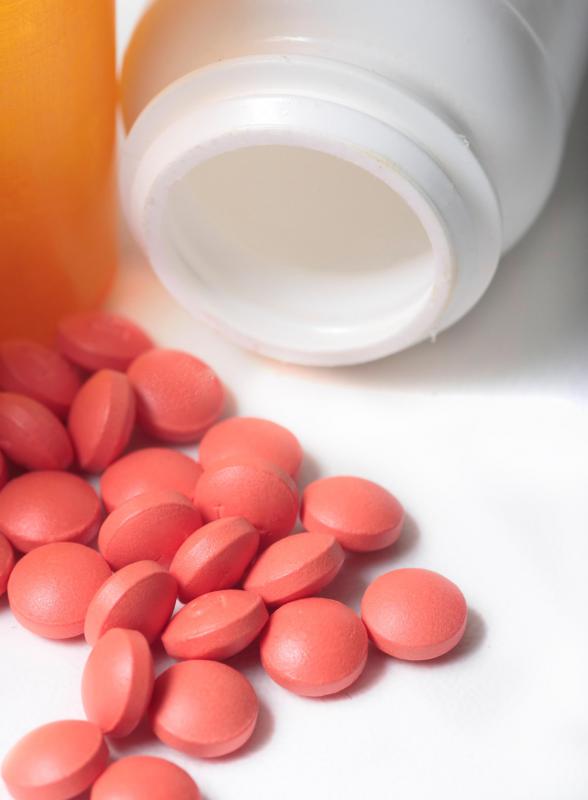
![Anti-inflammatory drugs may increase water retention.]() By: Geo MartinezAnti-inflammatory drugs may increase water retention.
By: Geo MartinezAnti-inflammatory drugs may increase water retention. -
![Consulting with your doctor can help you find methods for reducing fluid build-up.]() By: Tyler OlsonConsulting with your doctor can help you find methods for reducing fluid build-up.
By: Tyler OlsonConsulting with your doctor can help you find methods for reducing fluid build-up.



Discussion Comments
I am 43, seven weeks pregnant and have a history of high blood pressure. I have currently been taken off my diuretic that I have been on a number of years and now I have severe swelling in my feet and ankles. I've been to the hospital with it, and was given an intravenous diuretic which worked, but after two days back at work, they are swollen again. What do I do? I know diuretics are harmful to the baby, so I'm unsettled about what will happen, and I don't see my specialist for two weeks. Please help.
I'm 16, and this water retention has been going on since grade 9. I'm been taking a low dose of water pills, that seems to help but really never really takes away any of my retention.
If anyone might have a idea of what might be the cause of this, please post!
I am so upset. I have severe swelling in my legs and the middle of my body. I have been in the hospital for a week. My oxygen level has been dropping to about 80-82 upon the slightest exercise. I had to come home with oxygen.
I can't put weight on my left leg. It actually splits open. I'm so frustrated. Anyone have any ideas?
I am a 66 year old male. I walk at least 3 miles a day, and work with weights, and sit ups every day also, and my ankles are swelling, mostly on the left side.
I normally have nice, slender ankles. After having undergone oral surgery, I'm currently taking prescribed pain medication as well as ibuprofen. My lower legs, ankles and feet are very swollen. I believe it is mainly because of the medicine.
I am 36 years old and just got over a bad stomach flu that lasted over a month. I was completely dehydrated and weak from basically not eating or drinking for at least three weeks. I also suffered from extreme vertigo. When I finally started feeling better, I started eating and drinking like crazy because I was so hungry. Within a couple of days though, I started to have leg aches and pains and before I knew it, I started to retain water in my lower calf area and ankle area. It has been three days and it seems to be getting a little better but I am still very achy in my lower extremities.
I am praying that it will go away soon. I am a very healthy person other than this horrible flu I have had. Any ideas and or suggestions? I stopped taking any medication for pain because I am not sure if it maybe makes the swelling worse?
I am a woman 53 years old. I have had a water retention problem especially my feet and ankles for the past year. I had a hysterectomy 19 years ago, but my ovaries were not removed. I have been taking hormone tablets for the last five years.
I went to the doctor, and he tested my heart, kidneys, liver, thyroid -- everything was negative. I also have this burning type of pain in my right lower back just above my bottom, but not always. It started more a less the same time as my water retention. I do not eat a lot of salt.
I randomly get severe bouts if water retention. I'm a 32 year old male so no pregnancy issues here. The tests show no internal organ problems, but I've had kidney stones since I was 17. That alone tells me there's an issue, but whether I increase or lower sodium in my diet, which isn't easy, I still have this problem.
My entire body sells at once. You can't put that above your heart. I tried once and my chest filled with fluid. I may look into that waterfall diet since I haven't tried that yet. I just want it to stop before it causes tissue damage or something far worse. Thank you all for posting on here. I wish you all luck with your water.
I have had problems with my kidneys all my life, from severe infections to cysts, recently I have been retaining at least 15 pounds of water.
I am so swollen around my ankles and mid section that my skin is stretching and my left flank around my kidneys hurt a lot.
The weather has been in the mid 80's, but I have never had a problem with heat before.
I don't have a doctor yet where I just moved in the country. Should I be concerned and see a doctor right away? Upperlake, Ca
I only have one kidney and now the doctor says I have low sodium and water in the blood. I took ultra omega for pain in my feet. could this cause water in the blood.
My entire body is swollen and I'm not sure what is causing it. I haven't seen my doctor about it yet. I don't intake a whole lot of salt, maybe a teaspoon a day. I haven't had my kidneys checked either, so hopefully I can figure out what's wrong when I go to the doctor next week.
I am having swelling from my knee down to my ankle on both legs. It seems to be more severe on my right side. It is so tight I can feel it stretching. My right leg is also aching. My question is could this just be caused from PMS? Or should I seek medical attention?
The Waterfall Diet is a book about how to reduce water retention in the body. It mentions about 7 different causes and gives a diet program for eliminating them.
my fluid retention during pregnancy was bad for me as well. strange, however, that the degree to which i suffered with fluid retention was different for each of my three pregnancies. i wonder why that is? reducing sodium intake also helped for me. i love soda, and i gave up diet soda when i got pregnant. so i would drink one or two sodas like root beer a day, and noticed too late that they had a lot of sodium in them. so i looked for drinks with less or no sodium. i think it helped me in my second pregnancy to retain less water.
I remember having water retention problem in the third trimester of my 1st pregnancy. The area around my ankles got extremely swollen, and I had to wear bigger shoes. The problem was alleviated by a reduced intake of salt. I would even order a loaf of bread at my local bakery without salt. The bread though, does not last very long without salt in it, but probably freezing it and taking out only smaller portions that will be consumed during day would have been wise, but I have not thought of it at the time. Lowering the intake of salt helped the water retention significantly.
Post your comments