
At TheHealthBoard, we're committed to delivering accurate, trustworthy information. Our expert-authored content is rigorously fact-checked and sourced from credible authorities. Discover how we uphold the highest standards in providing you with reliable knowledge.
What Causes Stillbirths?
Fetal death, or stillbirth, is an extremely sensitive subject and can be devastating for couples who experience it. In America, almost 26,000 women experience this every year. In about every 200 pregnancies, one fetal death will occur.
The medical definition of stillbirth is a baby that is born after 24 weeks with no sign of life. If the baby is born with no sign of life before the 24-week period, then it is termed a miscarriage. The fetus will die in the mother before it is delivered.

The number of fetal deaths that occur is extremely high. In around 50% of cases, the reason for death is unknown. There are some indications as to the possible causes, such as infection, accidents with the umbilical cord and genetic factors. Known causes include mothers with a history of diabetes and problems with blood pressure.
Other known causes include problems with the placenta and eclampsia, which causes seizures during pregnancy. There may also be severe irregularities or abnormalities in the baby that contribute to the stillbirth. There have been cases of the membrane that encloses the baby tearing or prematurely rupturing.

There are a few infections that are also known to cause fetal death. Although rare, toxoplasmosis has been recorded as a cause. Mothers who have been infected with German measles or listeriosis have also experienced fetal deaths. Fetal death may also occur when the blood groups of the mother and the baby do not match. This is called Rhesus factor disease, and women who have this condition must be medically treated to prevent stillbirths.

Another known cause is Anti-phospholipid Syndrome, which causes the baby to become starved of essential oxygen and nutrients in the womb. This happens when the placenta fails to provide nutrients due to blood clotting. Treatment for this condition includes medications that thin the blood.
Problems with the placenta are a major factor in fetal death. The placenta may become detached at an early stage in the pregnancy, causing a lack of blood flow to the fetus. Intra-uterine growth retardation (IUGR) is the medical term for the baby failing to achieve full growth in the womb. This condition accounts for at least 5% of all stillbirths.

Stillbirths are a condition that many women, understandably, do not wish to talk about. Because of this, the exact figures are unknown. Another reason that fetal death figures vary is that many hospitals are not required to issue death certificates for these deaths.
In 2004, the National Institutes of Health (NIH) launched a five-year, nationwide study on fetal deaths. The NIH is spending three million US dollars (USD) on the study. It is hoped that the research from this study will shed new light on the causes of this worldwide problem.
AS FEATURED ON:
AS FEATURED ON:


-
![Stillborn births may be linked to an infection or accident with the umbilical cord.]() By: Syda ProductionsStillborn births may be linked to an infection or accident with the umbilical cord.
By: Syda ProductionsStillborn births may be linked to an infection or accident with the umbilical cord. -
![In around 200 pregnancies, one child will be stillborn.]() By: Oleksandr BondarIn around 200 pregnancies, one child will be stillborn.
By: Oleksandr BondarIn around 200 pregnancies, one child will be stillborn. -
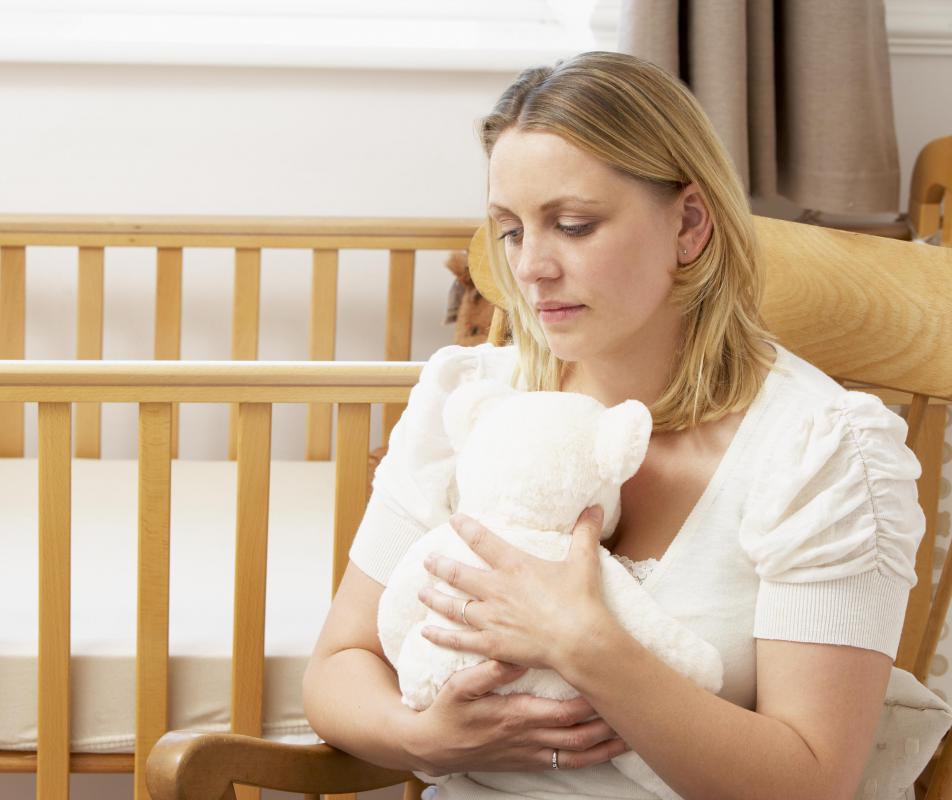
![Postpartum depression may occur after experiencing a stillbirth.]() By: Monkey BusinessPostpartum depression may occur after experiencing a stillbirth.
By: Monkey BusinessPostpartum depression may occur after experiencing a stillbirth. -
![Women who have experienced a stillbirth may benefit from counseling.]() By: Monkey BusinessWomen who have experienced a stillbirth may benefit from counseling.
By: Monkey BusinessWomen who have experienced a stillbirth may benefit from counseling. -
![Severe abnormalities may lead to a stillbirth.]() By: Andres RodriguezSevere abnormalities may lead to a stillbirth.
By: Andres RodriguezSevere abnormalities may lead to a stillbirth.




Discussion Comments
I had a stillbirth not quite two months ago. My baby boy was born at 29 weeks, three days, but only measured the size of a 23 week old. I had not felt movement since about that 23 week period, but was assured by doctors and the hospital that he was "fine" (even though I had previously had a miscarriage I was not given any extra consideration). No one bothered to do an ultrasound to double check and upon listening to the heartbeat, I was told, "he is moving too much for me to pick up" and I was sent home by both my GP and the hospital with no further investigation.
I had not been putting on any weight and was not getting any bigger. I was screaming out that something was wrong but everyone was ignoring me. I knew my body, but they just didn’t seem to be worried at all.
After six weeks with no movement, I started having mild back pains and light cramps, so I decided to try a different GP. He could not locate the heartbeat and sent me for an ultrasound which confirmed the worst.
I started having light contractions before we reached the hospital and they induced me and I had my boy about 17 hours later. We still do not know what went wrong. The placenta and bloods we fine and from an initial inspection of his tiny body everything appeared normal.
I need answers! If anyone has had a similar experience I’d love to hear from you.
I feel the tears in my eyes as I read all the posts. When a man loses a wife, he is called a widower; when a woman loses her husband she becomes a widow; likewise when a child loses his/her parents, he/she becomes an orphan. Yet there is no term for a parent who loses a child, a precious (longed for and loved) little being. Why is that?
I am 49 and I have a little girl of 6. She lies snoring, and is fast asleep in my bed. I call her my cheeky puff and she is so precious to me. I pray for all you parents and the losses of your little ones that you have had to endure. May God grant you the peace of knowing that your little precious bundle is at peace.
I had a stillborn baby in January. I did not know that I was pregnant. I know a lot of people may not believe that and have a hard time believing it, but I have always had problems with my period ever since I was 16 years old, and I am overweight so its very hard for me to tell, and I have always had stomach problems.
So I just felt normal during my pregnancy. I had my baby girl at my home. I lost a lot of blood and don't have my results back yet to know the reason why I lost her. She was my first child, I named her Angel Diamond and she was 5 pounds 2 ounces. She looked perfectly fine. I got to hold her on the way to the hospital. It was the most horrible experience of my life to know that My baby wasn't never coming home.
I miss her very much every day. I keep thinking it was my fault, but in a crazy way it's a comforting feeling that I'm not alone and that many women have also experienced this kind of loss. My heart goes out to every one of you, as well as to the fathers.
I'm hoping that when I try again that it will not happen again. I may never have the answer but as long as I have faith in God, I know everything will be okay.
I had a stillbirth just a few days ago. It was six months old. I really don't know what went wrong. Even my doctor has no idea. I feel bad because I have no answers.
I really miss my baby girl. This is my second pregnancy. The first was ectopic. I am 33 years old, going to be 34. I am so sad and don't know if I will ever conceive again. I'm still in pain. I cry every day and I always ask God why me.
It is almost twenty three years ago since we lost our first born and she lives in our hearts still. She is part of our family because of how her existence has shaped it. Her siblings all know about her and refer to her by name. Everyone in our extended family too, when it comes up, refers to her by name still.
The sorrow never leaves, but it mellows. You get used to it; it becomes part of you -and not in a bad way.
My heart goes out to you - all of you. I've always believed we should talk about this more. It's so lonely to go through this loss process -- so heartbreaking. And it goes on for so, so much longer than people who haven't experienced it can know. Way, way past the point when your friends and family think it's time for you to move on.
I landed here today because today is a bad day - still - after an amazingly joyful day with all our children yesterday. But I already know this pattern.
Write about it. Talk about it. With this kind of loss particularly. it's important to bring shape to the little being you never really knew, but who has such a tremendous impact on your life anyway. If you're OK with this, create a symbolic touchstone in your home to celebrate and remember - something you can put away and take out again; something that gives you comfort when you need it but that can go away for a while as you become stronger; something you can share with others if you like. It's OK if its a doll, or a toy you bought while you were pregnant, or a photograph. Let your baby live in your heart forever.
It's been a month now since we held Olivia in our arms. My wife was 38 weeks and have had a pleasant time with her beautiful belly during all those expectant months.
We first felt she was not moving properly during the afternoon and headed to the hospital for ultrasound when my wife was at 37 weeks. Everything was normal, and the doctor said she could be asleep as birth date was approaching. We even did another ultrasound two days later and several blood tests, pressure checks, and all were normal. The doctor opted for a C-section by the end of the 38th week.
She was checked again on 38 weeks and two days and everything was perfect, and her movements were all right. Finally, we felt she was very quiet a day before the scheduled surgery. But this time there was no heartbeat. It was the most devastating pain on Earth.
We could not go on with an autopsy, but all placenta and post-mortem exams revealed no cause of death. She was beautiful and we had her buried with all respect and ceremony. We look forward to having another baby, knowing that we will always be the father and mother of a lovely little girl named Olivia, who blesses us every with breath we take.
I just had my beautiful son born sleeping. I just had my ultrasound done on two weeks before, and found out it was a boy. My husband and I were so excited. I was just going in for my regular monthly check up and the first nurse couldn’t find the heartbeat, then neither could nurse number two, or the doctor. I was sent for an ultrasound and there was no movement. I didn’t need to be told. I saw the screen and the lines were just straight.
I went right away to be admitted and they inserted pills in me every four hours until I delivered. The pain and hurt were so much for me. I wanted it to be over with, but knew that would be my last time with him physically. I didn’t know what went wrong, but I had my angel at 2:50 p.m., and they let me and my husband keep him all night. We held him, cried and just looked at him.
This is someone we were preparing to come home with us not leave and so soon. We had an autopsy done and got a birth certificate. They gave us the “it’s a boy” card and a keepsake box with an outfit similar to the one he took pictures in and a little heart pillow. I also got some papers from the funeral home that did the memorial services and cremation for free and took advantage of that. I just met with the woman and did all of the arrangements for his cremation and now just have to get my little man an outfit.
The doctor told me the preliminary autopsy so far is saying I had group B strep on the top of my placenta, so now we’re waiting on the full autopsy report so my baby can be cremated and come home with us as planned. I love him so much. He will be my forever baby boy always. Sorry this is so long. I just have to let it out and along with prayer, know God is on my side, so stay encouraged and don’t lose hope. Our babies are with us until our last breath. I hope everyone on here can find some sort of peace.
It is by the grace of God that I can forget my horrible experiences. I had three consecutive stillbirths from 2002-2004, two of which I delivered myself but came dead and the other one through a C-section. They never told me at any of my appointments that I was diabetic until the last one happened. The most painful thing now is, since the last one in 2004, I have not been able to get pregnant. Please remember me in your prayers as I wish to have another baby.
I lost my son at 36 weeks this June. Even now I am not feeling normal. I can't forget him. I'm thinking about the next baby, but i don't think so any child can fulfill this loss.
The doctors couldn't tell me the reasons for his death. I'm feeling so guilty that I'm the cause of someone's death. God, please don't let any mother go through this.
We had a beautiful girl baby stillborn in September 2012. We had fixed the LSCS for the following day and we went to the hospital the day before at about 4:45 p.m. to be admitted.
They started doing the routine CTG and this was when they discovered that the baby did not have a heartbeat. We were all shocked, as my wife could feel the movement until 2 p.m. that the afternoon. Finally, they did an emergency LSCS and removed the baby. It was a healthy 3.1 KG baby. There was no cord strangulation or decreased fluid.
The doctor said it was a fresh death and was not able to give specific reasons. Can anyone please let us know the cause of the death?
I gave birth to my daughter in September 2012. Her heart stopped just a couple of days before.
My husband and I went to the checkup appointment and my OB couldn't find our daughter's heart beat. She took us to ultrasound to see if the heartbeat was there. But it wasn't there for Journey Ann (our daughter). I was 29 weeks pregnant, and I was doing so well.
Two weeks before we find out about our little girl, we had an ultrasound done and her heartbeat was 150 and she was moving all around and we have a picture of her smiling. We was told that everything looks great and all the tests came out normal. So my husband and I are left wondering what happened to her. But even though she is not here and I miss all the stuff I had planned that we were going to do with our little girl is not going to happen, I love her still and that will never change.
Journey weighed 2 pounds and 14 ounces and she was 17 inches long. She was a beautiful little angel. I do hope that when my husband and I try again that we can have one.
I noticed that my baby had decreased movement on a Thursday at my 31 week check-up. My doctor gave me a non-stress and it was o.k. By Sunday, I wasn't noticing any movement. The next day, I called my MD and they told me to come in. They did an ultrasound and that's when they told me there was no heartbeat. I was so devastated.
I had a c-section (by my choice. I didn't want to go through labor) two days later. Testing to the cord and placenta were fine. But three weeks later my blood test showed I have some sort of gene which can put me at risk for clots. But the MD did not say that this is what caused the stillbirth since they did not see any clots in the placenta. I am now on an aspirin daily and with any future pregnancies I will be given lovenox. Has anyone else heard of this?
My baby girl Peyton Elizabeth was born still at 38 weeks and four days. We had a normal healthy pregnancy up to the end. I felt her kick in the morning, and by 2 p.m., we went in for a regular appointment and the midwife could find no heartbeat.
I was measuring small for the last two appointments, so they were going to send me in for an ultrasound that day.
They gave us no reason as to why our baby died, and she even had an autopsy, but nothing came up. I wonder every day if I had just insisted on having an ultrasound sooner if she would be here today.
God blessed me with a 40 minute labor, and I just hope he blesses me with more children. Peyton was born weighing just under 6 pounds.
A month later my mom fell down the stairs at age 48, healthy and fit, but hit her head on the cement floor and died of blunt trauma to the head.
I miss them both.
I am the father of Niva who was stillborn in the 38th week of pregnancy. I pray that her soul is with Jesus Christ.
I had seen so many moments spent with her in the future, but none came to pass. I would like all pregnant women to keep checking the heartbeat everyday. I lost my trust in doctors because they have become so easygoing. My wife has gestational diabetes and we were not made aware that waiting for 38 weeks is very risky. All she had to tell us that you will be taking chances if you wait too long with diabetes. Treat every patient as your own daughter and take only limited patients, but treat them as your own.
I have had two stillbirths at 25 weeks. My blood tests came back that nothing was wrong. The placenta and the autopsy came out fine. What are the chances that my babies' hearts stopped beating at the same time and weighed about the same and were about the same height? There has to be something up.
Does anyone have any other options besides blood clotting, cord, infections, or chromosomes? All those tests came out normal for me. These are my first pregnancies and will not try again unless I have answers. It just seems like there has to be a reason given the circumstances.
Can any doctor respond to me please? My doctor seems to not know anything.
I had a stillbirth at 35 weeks. It was my third child, a baby boy. He was 4lb 11oz. That was march 2004. He would be coming up on his eighth birthday now, and still to this day it hurt as if it was yesterday. He was perfect he had stopped feeding off the placenta.
I became pregnant eight weeks later. I was wondering if it was something that I did wrong during my pregnancies that made him die.
I was induced at 38 weeks and had a healthy baby girl. I have three daughters now. But I'll always have my little boy looking down on us and keeping his sisters safe. I love you, son and I know I'll meet you again someday. Love always --mam
I am so sorry that you have all experienced so many painful tragedies and pray that you will all find peace in the knowledge that when your little one leaves you, its personality stays imprinted within you like an everlasting hug. It is always there for you and will always be with you. Your baby is never truly gone.
I wish you all happiness, love and peace in this life and beyond. This earth and all the heavens will pass away, but your love for one another will last forever. Entrust it all to God. He will take care of you.
Warmest wishes and every blessing to you all.
I gave birth to my daughter in July 2011. I was 28 years old and 31 weeks pregnant. I experienced bleeding so I quickly went to the hospital. I was hooked up to a stress test and she was kicking around and heartbeat was regular. The bleeding subsided, so they unhooked me from the stress test and told me to wait at the hospital for a few hours to rest. I also had placenta previa, so the doctor said bleeding can happen in the third trimester with placenta previa.
I was about to be discharged and the nurse came over to check the heartbeat again, but she couldn't find it and said the baby is usually too small to find it easily at that point – which is far from the truth. She was waiting to get the doctor's permission to bring me in to get an ultrasound. I was in a hospital in a small town and they didn't warn me in advance that they did not have ob-gyn on staff or the ability to do c-sections.
I was rushed into the ultrasound room and all I remember is seeing a straight line. No heartbeat. It was the worst moment of my life. My boyfriend wasn't with me because he was told to go back to the place where we were staying and get my things. It was painful.
I was told to go home and meet with my ob-gyn the next morning. I was induced later that day. She was born two days later weighing 3 pounds, 5 ounces.
I can't imagine anything being more painful than delivering your dead child. My heart is broken. It is six months later today and it still hurts me. I think about her every day -- every hour. I miss her so much. She was my first and only child.
My placenta had abrupted. I feel so much guilt. I miss her so much. I wish we were told upon arrival that I should go to a better hospital that had to ability to help a baby in stress or monitor me thoroughly.
I love my little girl so much.
I had a stillborn daughter last November (2010) at 42 weeks. I had a healthy pregnancy and the only concern which was being monitored regularly was my blood pressure. Three different midwives made a decision for me to wait till 42 weeks before I was induced. Three days before this set date, my baby died.
I cannot stress enough, do not allow midwives and doctors to make you wait over your due dates. I had to put my baby through a post mortem to be told there was nothing wrong and that if only I had been induced earlier, my baby would be here now.
15 months on, I am pregnant again and have already booked in, to have this baby delivered at 38 weeks. Fingers crossed this time. Surely I can't be that unlucky twice.
I went into labor five weeks ago and nothing was wrong. I had a healthy pregnancy and a healthy baby. I had to be rushed in for a c-section as the baby's heart rate was dropping.
I woke up to and was told the baby I went into the hospital to have had died at 42 weeks. I was devastated. It's five weeks on and no answer, and no cause of death. They never gave me any oxygen for the baby when they saw her heart rate drop 5 hours previous to me having the c-section.
The doctors are now saying it was preventable and she died of a lack of oxygen to the brain and blood, but even if she did survive she would be severely brain damaged. I am now suing the hospital for negligence as many doctors and midwives are asking why I wasn't given the right care and why I didn't go for a c-section five hours before. I would never like to go through this again and no parents should.
I have never experienced a stillbirth but as a new mother, I am deeply moved by your stories. No one should ever have to experience the death of a child whether it be a death, stillbirth or miscarriage. My heart goes out to you all and I wish you all the courage to go on and to not give up. Your baby is in peace.
Today my stillbirth was delivered. He was six months. My first baby and it was a boy! One day earlier, my wife had her check-up and the heartbeat was still there, and the next day the heart stopped because it had stopped moving already. The doctor cannot give any reason. I guess God wants my son to be in his paradise. This should not happen to any expecting parents.
Ladies, check for Antiphospholipid Antibody syndrome which is not easily detected. It solved my stillbirth problem.
I had a stillbirth five weeks ago at 32 weeks into my pregnancy. I don't know why. Two weeks before this happened, I went to the doctor for my monthly check up and everything was fine. At 32 weeks I just had period-like pain and then I went to the hospital. When I got there they told me that there was no heartbeat. The next day they had to do a c-section. The doctor said it was the placenta abruption. I still cannot believe it up to this day.
I pray that this was the first and the last time I have to experience this. I wouldn't have even wished this on my worst enemy.
We had a stillbirth at 30 weeks. We have not been given any answers, other than it could be because of placenta abruption. This happened three and half years ago, and since then we had a daughter, Lucy. She was born at 29 weeks and two days, weighing only 1 pound 13 ounces. She was delivered by emergency c section as we hadn't felt baby moving and when we got to the hospital her heartbeat was faint and not regular.
After some scares in the Special Care baby unit she pulled through and is fighting fit and now coming up on two years old. Now we are at the 29-30 week stage again with pregnancy number three (a little boy), and so far everything seems normal, but just wish we could sleep and wake up around the 36 weeks period and have the baby delivered by c section. Just wanted you all to know to keep the faith and be proud of your son or daughter in heaven.
I was 33 weeks along. We tried for a year while my father was dying of cancer. Steven Angel Melendez Jr was to be due one week before my father's one year anniversary! I did have gestational diabetes but was controlling it through diet and had weekly appointments where the doctor monitored his heartbeat. a routine appointment revealed no heartbeat/movement. I'm beyond devastated since he was our first child. I miss him more than words can ever express. God bless all of you and please don't give up hope and try again.
I have a wonderful 2 year old daughter who was born at 2 pounds 11 ounces at 30 weeks. I also had another daughter in december who was 2 pounds 4 ounces at 31 weeks and she was stillborn. I just found out that I'm pregnant again. I'm hoping that things will be different this time! Just wanted everyone to know that I'm praying for you and I would also like to be put in your prayers (if you do that kind of thing). thanks!
Three years ago, I had a still birth at 29 weeks for unknown reasons and now I'm four months pregnant and scared every day that it will happen again. I just leave it all to God.
I had my due date in mid-April. Nine months of pregnancy went by without even the single smallest problem, or discomfort, for that matter. I had my last visit to the doctor in the afternoon. I heard my baby's heartbeat felt her move. The doctor said all is fine and he would wait for one more week for my cervix to dilate. If not, then he would induce labor. And suddenly, for no reason at all, my baby stopped moving that night. Three days later, I delivered her as a stillborn child.
It was my first baby. I have no medical problem or history, no allergies, no diabetes, no high blood pressure, no problems at all.
The doctors could not give me a answer for why my angel died and left me helpless. I am still searching for an answer.
I just hope this never happens to me or anyone else ever again.
I had a stillbirth two weeks ago. The baby was 24 weeks gestational age, but the doctor told me she had been passed away for a few weeks. I had my 19 weeks prenatal visit and everything was fine, and I no longer threw up like crazy like before, then it might be the start of the nightmare.
I had the autopsy done, and the report shows the placenta was only 16-17 weeks big and the cord was excessively long. Before this stillbirth, I had two miscarriages already. I am not sure whether I can have a kid of my own any more. But I know how devastating it is for the parents, though we believe she is in Heaven with no pains and only happiness. I chose to cremate her and scatter to the ocean. She will be always in my heart.
i had a stillborn baby girl one month ago. I was 40 weeks and five days pregnant, and i went for monitoring in hospital and i was told sorry there is no heartbeat. Everything looked normal, before. i don't know what happened. I am waiting for placenta results to know the reason of my baby's death. I'm having sleepless nights and nightmares. i never thought I would lose my baby.
I am 27 and I delivered my first child (son) stillborn this year one month before his due date. He was 35 weeks and two days. It was Sunday morning at about 1:15 a.m., and when I used the bathroom, I started to feel pain in my tummy and around my back. I couldn't stand up. My boyfriend called a cab which took me to the hospital.
I was there for a while before a nurse attended to me. She asked me some questions after which she examined me. Upon the examination she found out that there was no heartbeat, and she called a doctor to check, but still no heartbeat.
My whole world fell apart. When they did an ultrasound for a second opinion, that came back negative. That Sunday I was told that the doctor was going to induce labor on Monday morning but God was on my side. On Monday morning I gave birth to my son about 9 a.m. without any induction (natural labor).
In the delivery room, the nurse told me that it was a blood clot that cut the oxygen and food from the baby. I I just want to know what causes it? How can one prevent it? Ladies I know what you are going through. It's been one week and two days and I have to ask God just to carry me through it one day at a time.
My baby was also born sleeping at 31 weeks in February and it was due to a cord accident and it was twisted and entangled her. My gyno only took my blood samples but other than that they said they won't do an autopsy nor examine the placenta (which was low) because it is evident that it was the cord.
Now when I do research I feel it could have been prevented because at 29 weeks the doctor noticed that I was weighing two weeks behind which was odd and a week after that baby's movement slowed, but was told not to worry and today I am an angel mom.
It was heart wrecking for me to give birth to her lifeless yet beautiful body. She looked healthy and big. She was swollen.I miss her terribly but God has been my refuge and fortress.
He has given me His peace that surpasses human understanding and I thank Him for He said I will turn your mourning into dancing and I know in due season I will be happy again. Seeking His face as only brought me joy because His word says the joy of the Lord is my strength. These days I have only smiles than tears when I think of her. I have set up a blog where I talk more about her as I guess it is "taboo" to talk about stillborns.
I was 39 weeks and told I'd be induced on that Friday and this was Tuesday. During my pregnancy I had some complications but thought the worse was truly over. The things I've learned within the past day is more than I knew my entire pregnancy that could prevent stillbirths. My fiance and I were home and I was having labor pain and my chest continued to hurt.
My chest has never hurt before in my life and it was tight and aching. I thought it was because I was because of the pain that I was feeling and my method of breathing to cope with the pain. Turns out my blood pressure was elevated and later I didn't feel her move as she had been. I was told to drink some apple juice or orange juice to make her move and I did but still nothing. Had go to hospital to be induced because she had no heart rate anymore. she was 4lbs and 190z and looked just like her grandmother.
She was a beautiful baby girl and I was told that I had a blood clot in the umbilical cord and which cut off her oxygen. I was told that I should have taken an aspirin when my chest started hurting due to that being a sign of hypertension which had not been a serious problem. My heart and my soul hurts so bad, I feel as if this is a bad dream and I will soon wake up from it and it will be Tuesday all over again with a different outcome. That's all I wanted to say and I too am sorry for everyone's loss.
I have just had a stillbirth, but I'm finding it had to come to terms with the loss of my baby girl. She was born at 40 weeks 5 days just a few days ago. Can any one who has been in such a situation help me what really causes this? I'm having sleepless nights, and nightmares. But i know my little one is in heaven with angels. Miss you lots.
Last Thursday my son Landon was born silent. On Tuesday I went for my normal check up and there was just no heartbeat. I delivered him after 48 hours of labor.
I held his tiny body in my arms, bathed him and dressed him before we allowed the funeral home to come get his body. We kissed and cuddled our little boy and I am so terrified it will happen again. I know that he is safely in the care of our Lord and Saviour Jesus Christ, but I want him, I yearn for him, I need him but God thought otherwise.
How do we get through this? I know that God's grace is sufficient for me but I, as you all did, wanted my little boy so very desperately. My husband and family are wonderful supports but I just can't get "over" this. I want my son!
I had a little baby boy on just over a year and a month ago. He was delivered at 37 weeks and was still born. I had the best pregnancy anyone could ask for. No problems what so ever.
Four days before he was born, I went to an appointment for measurement. He was measuring small, but his heartbeat was strong.
I went for a regular appointment with OB, but she was in surgery so the nurses took care of me. Three different nurses looked for the heartbeat, the would get a hint of one then it would go way. So they asked me to come back the next day.
When I got there at 8am, my doctor did an ultrasound and sure enough there was no heartbeat. My world just fell apart. I had only one week or so before the due date.
They did all kinds of testing on me and everything came back negative. I asked them to do an autopsy on Jason and he was healthy other than the fact that he didn't make it. I ended up having a blood clot in the umbilical cord and the cord was not connected all the way to the placenta. They said that they don't even know how I made it that far in the pregnancy with that going on.
All I know is that I miss him, I think about him all the time wondering what I could have done differently. This is something that is hard to deal with and I still to this day hurt for him. I'm thankful that I got to hold him and see his face, he looked just like me.
I feel for all of you, but it will always be on your mind. During the day I'm pretty much fine now, but at night when I'm alone....it feels like it happened yesterday.
I'm 37 years old and my beautiful, wee boy, jack lewis, was born sleeping three weeks ago. i was 37 weeks pregnant and he was my first baby.
I just went for my routine scan and was then told there was no heartbeat. i had him at 12.31 a.m. the next day in natural labor.
I haven't had the postmortem results yet but i was told two weeks before, that he was only four pounds, 10 ounces, and was small and was told to go home and eat a bar of chocolate nothing more. He ended up 4 pounds 12 ounces when i had him two weeks later, but the midwife pointed out how small the placenta was. I don't know if that has something to do with it. he was so beautiful and cute and i love him very much.
I've been through this three times before, so when i found out i was pregnant i was happy and scared at the same time. my husband was really positive that this one was going to live but it was not to be. at 12 weeks, my blood pressure was already so high the doctor put me on clexane, aspirin and aldomet, so everything was under control.
At 20 weeks i had my doctor's appointment and when we went to ultrasound, there was no heartbeat. They called in another doctor to check, but still no heartbeat. This one really took me by surprise. I was not expecting it. i really thought i had been through it all and this time maybe God will smile at me, but it did happen and i had to allow them to do a postmortem because they could not understand why it happened again. on the 23rd i will be going for the results.
it's been two weeks still trying to cope. this time it's really hard for me because i had so much hope -- not that the other three were easy. My husband and i are still hoping for a miracle. i know that through it all he is still God and the fact that i still have my life means a lot. at least i have a six year old who is a blessing. to all of you who are going through this, have faith. God will smile on you.
I was so excited to find out the sex of my fourth child. One week before this appointment, I was spotting a little and having uncomfortable pain in my back, so I went in and my OB checked me and tried to find a heartbeat and she could not hear one, so the ultrasound machine was brought in and right away when she turned the screen to me, all I could see was the baby slumped into a ball not moving and she said there is no heartbeat.
I was 18 weeks pregnant but she said the baby didn't grow past 15 weeks because of measurements. I was so devastated and still am. This was only five days ago and I have three beautiful children with only one of them having a two vessel cord with no complications.
I am still carrying the baby because I cannot make a decision as how to deliver the baby. I have high thyroid that has not been treated due to the Endocrinologist being on vacation, but this can be a factor in my child passing. My heart rate is high, and I do not want to do the surgery because my baby will come out in pieces like an abortion and I cannot fathom that. Or, I can get induced with pills only I'm scared because of my heart rate and slight anemia that I will bleed out bad.
I have chosen to let my body do it naturally, but it's getting unbearable. My child is with God now and I am comforted by that fact. I miss my baby so much!
I had a stillborn daughter in October, at 28 weeks. I went to my OB visit the Thursday before I heard the terrifying news to check my blood sugar for gestational Diabetes.
On monday they called me with the result. They told me that my blood sugar was a little elevated and needed to reschedule for a 3 hour test. That day I did not feel the baby move, and the next day I went for a check up to see what was wrong. One nurse checked and could not hear a heartbeat. She called in another nurse, but she could not hear the heartbeat either. A doctor came in and he was not able to locate a heartbeat. This was never a problem before.
They took me to the ultrasound room and there my doctor told me there was no heartbeat I am so thankful my mother was with me when they told me this. I called my husband immediately and told him to come meet me at the clinic. We were so devastated since this was our first child and we had been trying to get pregnant for eight years.
I was sent to the hospital right away and was induced. I was in labor for four days. I delivered Raheel at 5:54 a.m.
I did not want to see her and this was a good decision for me. She weighed in at 2lb 6oz and was measured 18in. We will never forget her, but we know God has a better plan for us. I always try to look at people who have been through worse. I am never going to give up hope and will try to conceive again. My thoughts and prayers go out to all of those couples who have lost a baby.
My little angel was born just a few days ago. I hadn't been feeling my baby move, (which i never did feel him move often, but at 27 weeks thought this was very odd).
I went in for a regular checkup on thursday and the doctor could not find a heartbeat. She always could before, so I knew there was something wrong. She sent me right up to the hospital for an ultrasound. I knew by watching the ultrasound he was gone. I was so excited for this pregnancy and now my world has just come to an end.
After 52 hours of labor (thinking that labor would be the hard part) Noah was born. He was perfect. He weighed 1 pound 4oz and measured 12 1/2 inches. This just happened three days ago and I do not know how I will ever get past this.
I pray that God blesses each of you with peace.
On this past Monday I went to my normally scheduled ob visit. I was 24 weeks and 6 days. The nurse had a hard time finding his heart beat which was easily found at every other visit. I was then sent for an ultrasound where the technician said sorry she could not find a heart beat and there was no movement. My world broke into a million pieces. Up until that point, all of my visits were great. At my 20 week ultrasound, he was measuring two weeks bigger than he should have been. His heart beat was always strong. We do not yet know what went wrong.
I was induced at 12:00 midnight on Tuesday. I delivered my son at 8:34 pm. When I felt him coming out, I wailed and prayed. My boyfriend held and cried with me. We named him Tyreek Xavier. He was 1 lb 6 oz and 12 inches long. We both held him for awhile. I looked at my precious son, my little man, my angel. I talked to him and kissed his little head. I told him how much his mommy loves him. He had his dad's nose and hands. The hospital took pictures of him. They also gave us a memorial box with the little outfit and blanket that they took the pictures in, his foot prints and hand prints.
Every day is a struggle for me. I don't know when I'm going to feel somewhat OK or when I'm going to break down. Tomorrow will be a week since my nightmare began. I pray that time will make the pain a little easier to bare. As I type this, my 6 year old daughter just did something to make me laugh. Having her definitely makes it easier. I thank God for her every day.
I still long for a baby. No other child could ever replace Tyreek in my heart. I pray that the doctors do not find a medical reason within me that would cause this to happen again. We could not bear the pain again.
I was over 40 weeks when i went to the hospital to find out why my baby hadn't come.
The doctor did all the vital checks of blood pressure, fetal heartbeat and everything all was normal. During the course of my pregnancy, i had no complication whatsoever and all my doctors' visits were filled with good news.
So after the doctor examined me, he sent me home, saying i should wait for the natural course of life. Three days later i went into labor. When i got to the hospital they checked me. i was about 2cm but there was no heartbeat. Another midwife came and found nothing.
The doctor came and confirmed that my baby was dead. So they let labor progress naturally and i delivered a 2.75 kg girl. I couldn't cry. Even when i held her there was a peace in my heart. i just let go. She was our first baby, and we cremated her.
I am currently 30 weeks pregnant and this time I'm taking high blood pressure medication. I am not worried that it will happen again because i strongly believe God is in total control, seeing that my first baby was choked by the umbilical cord. No one has control over that there is no medical explanation or way of preventing the cord from wrapping around the neck.
I look forward to holding this one. My prayer is to everyone whose lost their loved ones in this way. I pray that you find healing of your hearts. I miss my girl but the pain does not sting like it did before. It's been 10 months now since it happened.
I had a stillbirth just a few days ago. I went in the day before for a regular doctor's appointment. They went through their regular routine, checking weight, asking a few questions and then on to listening to the baby's heartbeat.
Well I was 21 weeks pregnant and it shouldn't have been that hard to locate the baby's heartbeat, but she just couldn't locate it. So she went out the room and got a head doctor, who fished around and we still didn't hear his heartbeat. So from that point, I had this feeling that something was wrong. At that point, they went out and got the ultrasound machine and all I saw was my baby lying there. I knew just where to look for a heartbeat and I saw nothing. All I can hear my doctor saying was I'm sorry but I don't see or hear a heartbeat.
I immediately broke down in tears. It was the worst thing I had ever been through in my life. There were no words that could ease the pain that I was feeling at that moment. I was told that I didn't have to make a decision right away, but honestly, who could walk around knowing that their child is in the womb dead. There was no way I could do that.
I made the choice to go ahead and be induced and get this over with. I was fine for a while and then it's like reality kicked in all over again. At 3:22 a.m. on my son Cameron was delivered. When I felt him slide out I screamed and cried like I'd never cried before.
They took him out and later brought him back in to me as I wanted to see him. I held my son for about two hours and just talked to him and let him know that I was so sorry that this had to happen to him and how much mommie loves him. I rubbed his little head and played with his little toes, hugged him tight and kissed his forehead and then I gave his body on to the good lord.
I cried myself to sleep but I knew that my baby was in a better place now. I didn't want a autopsy as he had already been through enough, so there would be no cutting on my little man. He's a angel now!
I have been reading all these comments and still find it hard to accept that life is cruel to some people but also time can change things, I hope. We have had the worst time of our life. My wife had pain in her tummy and we went to the the maternity unit at the hospital. My wife was one week overdue, so before the day she was to go to see the midwife for a membrane sweep, the world ended for us.
She had pains in her tummy. We went, thinking she was in labor, only to be told she was 2 cm so my wife was checked and scanned and everything was fine. We went home and the following morning she had severe pains and she could not move so we went back to the maternity where we had to wait for someone to come to reception. However, some midwives who where starting their shift came to our assistance where things were rushed. After being on the bed and again being checked, the worst thing in the world happened. We were told there was no heartbeat. I thought this was just the equipment as the night before everything was fine when she was checked. My wife had fresh red blood, so this indicated that something is not as it should be. Again the staff tried, and no heartbeat, so they proceeded to help my wife to give birth.
Our lovely baby was born still. Lyle was perfect and all the staff and doctors were trying to save his life, but another factor was my wife was seriously ill and now her life was in danger. She had to be taken in to have a three hour operation to her womb and other parts of her insides.
My wife is still in hospital as we speak. It has been four days now and we are in bits. My wife did not even know she lost Lyle, as she was seriously ill while giving birth and had to be told while in the intensive care unit of the hospital.
No explanation can be given as to the problem, but the doctors say my wife was lucky to be alive, as she was losing a lot of blood and had major surgery to repair a cut from the top of the womb to the bottom of her vagina, so they do not know the cause, as this only ever happens in the third world where women go into labor for days with no medical treatment like here in the UK.
I feel bitter and angry, that things could not be picked up, but everything was fine up to the final day Lyle was to be born. He will be forever in our hearts and thoughts and we will remember him for ever. Now my wife is making a recovery. Who knows what the future holds but time will heal, and we will look after our daughter age 8. She is also devastated but as a unit we will manage this loss and move forward.
What nature tries to break only makes you stronger and makes you appreciate every day could be your last. And our baby Lyle, even though he was still born, I know he will be looking after his mummy and looking over us all in this horrible time in our chapter.
We have a lot to plan now and take each day as it comes. We just hope no other person has to go through what we did and the fact that you think everything is going good then within one hour your life is turned upside down and your child is in heaven and your wife nearly dying. Words cannot express this time but we will stay strong, and look to our future and keep our baby in our hearts and make him live on forever.
Lyle would be four days old now and should be home here safe and well. Why does life have to be horrible and take such a lovely little boy who has been fine through the months in his mummy's tummy? All this does not make sense. If you imagine the worst day in your life and x it a million times, it still does not come close to losing a baby you love. Many thanks for reading this post. chris, uk
Godspeed baby angel boy, Donovan, and to all of you angels, sleep well until we see you again. Signed, "never the same."
First of all, my prayers go up for all of you here and to all who have been through this. I truly cannot imagine much else more devastating than this. I guess I have never known anyone, before this week who had this happen. We all hear stories of an aunt who's baby died a birth.
My stepdaughter, Ashli, was 39 weeks last friday. She was due in November. She called this week to tell us her baby had died. I wailed so loudly. I, a mother of six know the joy of anticipation of that baby you already love. My heart aches for her.
She had to deliver him, and the hospital had a wonderful photographer take pictures of her with her baby, and her husband with the baby. He looks as if he is sleeping -- so angelic and so small. I cried when I saw the pictures.
She had gestational diabetes and I thought it was being monitored well, but after these stories, it helps to know that it just happens, and we don't know why. Even if we knew why, scientifically, we would still always wonder why?
She named him Donovan. I will never be the same after this week, after reading these stories. My heart could see every beautiful baby's face. God bless you all.
Veronica, Grand Junction, Co
"See you in Heaven, little Donovan. I know you're safe in the arms of our Lord."
my partner and i had a still born baby boy two days ago. his name is Tiernan paul. he was 5 pounds 6 oz 52 CM long. he was beautiful in every way.
We can't understand why it happened to us. Our hearts are broken. No one should have to go through this. However, after reading through all the comments, we are comforted to no that we are not on our own. we decided against a postmortem as we could not bear to put his tiny body through anything more. we buried him yesterday and are satisfied to no that he is now in heaven. a little angel. joe and michelle.
Our daughter Stella was born still in 2007. I had a normal pregnancy and every doctor's appointment was fine. My doctor wanted me to schedule an induction appointment which I was reluctant to do because I had heard that inducing labor is super hard and painful compared to natural labor.
I scheduled it for the day she was due. Looking back, I hadn't felt her move for two days but was so completely exhausted and busy with my older child that i just didn't think about or noticed. We checked into the hospital on the night of the 18th and the first nurse tried to find Stella's heartbeat and couldn't. She called in another nurse and she couldn't either. My husband was panicked by now and I'm in total denial because this just can't be happening to me.
They call a doctor to come in and he can't find the baby's heart beat either. Right then, the doctor informed us that Stella had died and my husband just let out a huge scream. I just wanted to die at that moment. I asked the doctor if they can give me a c section and knocked me out and take Stella out because I didn't want to have to deliver my dead daughter.
Of course the doctor won't do an unnecessary operation if I didn't need it, so I had to be induced and deliver my beautiful perfect little angel the next day. She was perfect.
Everyone deals with grief differently and I dealt with it by reading any stillbirth story I could find on the internet and in books. I somehow find it comforting reading other stillbirth stories that I can relate to. To anyone out there who has just gone through this painful experience, just know that time does heal and lessen the pain. I did go on to have another beautiful daughter two years after the birth of Stella. I had to have every test available done and went to weekly sonograms after 21 weeks of pregnancy and was induced at 37 weeks.
Stella would have turned three this year, and we kept her ashes all these years. Finally, this year we were finally able to scattered her ashes at the ocean like we always wanted to. We miss her every day.
I was 35 weeks pregnant. I could not feel my baby move for an entire day so the next day I went to the ER and they did find a heartbeat. However, the next day I went back and my baby was found dead. Does anyone know how this could have happened?
A couple of days after i got a positive pregnancy test, i started spotting and bleeding which lasted my whole first trimester and they didn't have a reason why. Finally it stopped, and when I went in for my 20 week ultrasound to find out the sex of the baby, they said that they couldn't tell and they saw a couple of things that weren't right so they sent me to a specialist.
They took measurements of the baby for 40 minutes and finally the doctor came in and gave me about six things that were wrong with the baby: the heart, the brain, the umbilical cord, you name it. And they said if the baby did make it he wouldn't come home from the hospital and would need multiple heart surgeries because of a heart defect and they said he would be severely handicapped and he was only half the weight of what he was supposed to be.
Me and my boyfriend made the decision to terminate the pregnancy because we didn't want to see our child suffer. i never ever thought i would be getting an abortion but i had to do what was best for the baby and we traveled two hours to the clinic. When we arrived, there were protesters outside shouting horrible things and picket signs everywhere. It was a horrible experience.
When we got there they did an ultrasound and there wasn't a heartbeat and the baby had already passed so we decided to go back home and we delivered our beautiful baby boy at 22 weeks named Jayden. They said he died of heart defects.
We had a little funeral for him which was nice but it was so hard to say goodbye to him. i already loved him more than anything. But i know he is in a better place now which gives me peace. Now I'm terrified to ever get pregnant again because i don't think my mind can go through this again but the doctor said she thought i would be able to have healthy babies but it's still scary.
The whole experience has brought me and my boyfriend closer together and i know baby Jayden would have wanted that.
I am so sad at the many stories that i have read about still born babies. I had a still birth in August. i was 36 weeks. My baby boy was 2.9 kg. I will always remember that day.
The day before it happened i went for antenatal and all was well and i was scheduled to have a elective c-section at 38 weeks. My GP had advised me to speak to my gynecologist, as he felt i needed to have the c-section soon.
When i spoke to my gyno, i was simply told that i should stick to the earlier agreed date. I went back home. I was suffering from edema and high blood pressure. In the early hours of the morning i started bleeding and i was rushed to the hospital. I had a scan but sadly for me there was no heart beat.
I lost a lot of blood and HB had really gone down. I underwent a an emergency C section. I had the chance to see my son. He looked like he had just gone to sleep. He will always have a special place in my heart. It has been very painful for me to let go and i am so scared of falling pregnant again.
I don't have any children and soon will be 40. I would love to have kids. I look to the almighty to kindly give me a chance. I weep as I read about other mothers who have had more than one stillbirth. I still don't know what causes this.
i had a stillbirth September of this year. i was so shocked when i went to do the sonogram and the doctor told me that they couldn't find a heartbeat for my son and no movements whatsoever.
i started to cry and the nurse comforted me and told me to please to be strong because it could have been worse.
i was 35 weeks along and everything was fine. all i can say is father god works in a mysterious way and there is nothing we can do about it. We just have to accept the fact that god as given us life to live on little more and we will sure miss our baby.
So please all you mothers be strong because we have yet another chance to try again and we just have to be strong and pray that if we do try again we will be sure to have a healthy baby that time. Blessed peace and love to all.
I just had a stillborn five days ago. I'm so hurt. They say they found blood clots in my placenta and that his cord was very small.
I went in for a regular check up and they couldn't find a heartbeat. Then they sent me to do an ultrasound and I knew he was gone. They are running tests to see if have any blood clotting disorders. I probably will never find out.
I have two more kids so I can just be thankful for them and try to move on. I don't think I want to try again.
My wife had a stillbirth a month ago. It was to be our first child. My wife had all the tests and was told everything was fine. His heartbeat must have been checked about 15 times and it always came back fine.
My baby boy was also really active, moving around loads.
My wife was meant to get induced and we attended the appointment all excited. However, the first midwife couldn't find a heartbeat, which was unusual, as no other doc/nurse had this issue. We became slightly panicked. Another midwife then came to check and again, no heartbeat. At this point we knew something was wrong. Then the doctor came in and looked at my wife and said "I'm sorry."
My wife and i were in tears. We couldn't believe what had happened. We had been told everything was fine, so how could this happen at the last minute (she was 37 weeks). My poor wife still had to go through the labor, knowing what had happened. When delivered he weighed four pounds, 11 ounces. I held him and he looked lovely. I'll never forget him.
As others have mentioned on the forum, we asked several doctors at the hospital why this happened, to which they all said in over 50 percent of cases, the cause of death is unknown.
We decided against post-mortem, as my son had been through so much already. He is with god now, and my wife and i will never ever forget him.
As a man, i must say it's difficult for a woman. however, i would say a man suffers just as badly emotionally.
Our son, Jaxson, was born on our daughter's fourth birthday this year in July. I had been having some increased discharge for about a week, but when I went in at 22 weeks for a routine ultrasound, all was great, measurements were great, and we found out we were having a boy. Three days later, I had some bleeding and met my doctor at the hospital. She discovered that I was losing my mucus plug and was dilated to 2 cm with the amniotic sac bulging through the cervix. I was put on immediate bed rest in the hospital.
Our son passed in utero approximately 12 hours later and was delivered in the early morning hours. We still don't know why, because we refused an autopsy and gross exam of the placenta and amniotic sac was unremarkable, however, cultures showed group b strep was present in the placenta and sac. The doctors don't know if it was truly present within the womb or was contaminated during delivery.
My mother, a microbiologist, researched it and found that they are finding group b strains that can diffuse through the mucus plug and enter the womb where it is fatal to the baby. I had group b strep with my first child and was treated at the time of delivery with antibiotics, as was my daughter, and all was fine. I have discussed this with my doctor, and although she cannot define this as the cause, she is willing to test and treat me pre pregnancy for group b strep and as needed throughout my next pregnancy, god willing we'll be blessed again.
The point is, if you have a history of group b strep, talk to your doctor about it. We think about our little Jaxson every day and were blessed to be able to hold him. I will say that we are thankful he passed within the womb and never knew anything but his mommy's warmth, heartbeat, and our voices and that he is now with our heavenly father where we will be with him again someday. God bless you all and God speed in your healing.
I had a beautiful stillborn son, Eddy, in 1995, and feel compelled to answer the heartbreaking question posed by several women on this site. Yes, you can absolutely go on to have healthy children after losing a baby, unless you have been specifically told otherwise by your doctor.
I delivered another son in November of 1996, after a perfectly normal pregnancy during which I was a nervous, terrified wreck. He is now 13, a brilliant, kind, athletic, wonderfully healthy boy. I also have a 16 year old son, born two years before Eddy, who is equally amazing.
Please be assured that having a stillborn does not mean that you can never go on to have healthy children. I did not get any answers either, and was also told that often they cannot ever find a reason, that it's just a random occurrence.
I miss my beautiful baby boy more than I can say, even 14 years later. My heart is with all of you, and I wish you all the best. --Lisa
I am 33 years old and my husband and i lost our little angel Emily in June. She was my first baby.
My pregnancy was monitored more because I had fibroid cysts before i was pregnant. well one of them grew rapidly due to the hormones while pregnant. My doctor said things were looking good even with the growth and the baby had a healthy heartbeat.
At one of my appointments, the tragedy started. There was no heartbeat and my baby was gone. I had prayed for this baby all along to be okay and now she's gone! Her room was all set for her and my baby shower was supposed to be that weekend. Instead, i had to have a funeral.
We had her cremated and the funeral home was nice not to charge us. I was at 32 weeks when this happened. I had to have a c-section because the location of the fibroid was in the birthing canal. They removed the fibroid and the baby. The fibroid was the size of a cantaloupe and they saw immediately that her cord was black and clotted. The doctor told me it got stuck behind the fibroid.
My doctor also told me to get a surrogate because this could happen again due to fibroids. Well, i am getting another opinion because now i am hearing about others who had same problem and didn't have any fibroids.
Can i have a normal pregnancy? maybe the blood clot was due to something else? This is the worst thing that can happen to a parent and my heart goes out to everyone!
God only knows what happened but i want some answers.
i had a stillbirth five years ago at 30 weeks pregnant. mia was born weighing 2 lb 2 oz. I've gone on to have two more healthy children since but the pain is still there and it will never go. i experienced domestic abuse throughout my pregnancy and i believe it killed my little angel.
i had my angel baby boy jayden mark in June. He was 41 weeks. I had been in the hospital the night before in slow labor and his heartbeat was 160 and mine was bit high, but all they said to me was walk around for a while and see what happens.
i did this for two hours then went back only to find i was being sent home as there were two sets of twins and two other women more in need, as they put it. i wasn't even monitored to say i was classed as high risk so i went home in slow labor and 3 cm dilated. my waters went the next night and they were bright green. i knew it was a bad sign. In the hospital they put me on the monitor first thing but couldn't find his heartbeat so they scanned me, only to say sorry he's gone.
I feel as if i was neglected and now our baby as gone due to him being stressed. he weighed 8lb 14oz and was perfect.
I am so sorry for everything that everyone here has been going through. I'm 30 weeks pregnant right now and am seriously considering adoption for my baby. I don't have anything to offer him, but I know that someone somewhere will. I'm hoping that everything goes well with my little angel and that his parents get an incredible blessing with him. But what scares me is that sometimes I can't feel him move for a whole day.
My brother and his wife were expecting. She was considered a "high risk" from the beginning due to bleeding through out the pregnancy. The baby always appeared fine when going for the regular checkups and ultrasounds.
At 40 weeks the final ultrasound was done and everything appeared normal, and the doctor even said "he's a happy active baby." The doctors decided to let her go naturally, and we discovered he was dead six days late.
Our family was crushed. We had dealt already with a failed pregnancy at four months, but this time was different. We had everything in place for Zachary. We have been asking each and every day "why?" "what went wrong?" My heart goes out to all who have experienced a loss of their baby.
My 20 year old cousin found out today that her baby boy had passed away. She was 36 weeks pregnant and this was her second stillborn baby. A year ago the same thing happened to her. Her little boy had the umbilical cord wrapped around his neck and she had to be induced, knowing that her baby was dead.
This pregnancy has been a little rougher for her. She has had high blood pressure, but her doctor was on top of everything. She went in for a check up today and was told that there was no heart beat. She's at the hospital as we speak delivering her second stillborn son! My heart breaks for her and all of you who have lost! I am currently 38 weeks pregnant and everything has been fine, but this scares me to death!
My prayers are with you all! God bless!
Debraan- i had a stillborn baby girl at 34 weeks gestation. i was told that i had a single umbilical cord artery but was told that it won't matter and the baby may have a low birth weight and it was nothing to worry about.
Throughout my pregnancy, i never really felt the baby move and each time i went to the see the midwife she would find a heartbeat. Anyway my baby weighed under three pounds. The consultant recommended i take aspirin the next time i am pregnant but I'm so scared that the same thing will happen to me again.
My cousin just found out yesterday that her 37 week old baby has no heartbeat. She is being induced this morning. This is the second stillbirth for her. The previous was 28 weeks.
She had the work up done with the first one and report came back with no answers. she was very excited to hear that she was pregnant again but as all of you stated was "scared of it happening again". She said she had a feeling this was going to happen to her again.
I don't know why this happens and apparently neither do the doctors. I do know that babies are truly a blessing. For those of you, like myself, who have been blessed with children, make sure you stop and smell the roses on those busy, stressful days. Children are precious!
I gave birth to my angel Amber Ann two weeks ago. She was 36 weeks, 4lbs 2oz, 17in. i heard her heart beat and felt her move on the Tuesday before she died.
I was grieving as my father was in the hospital with a major stroke. I left my dad's bedside and went upstairs to my appointment. The nurse was having trouble finding the heartbeat. She called in another nurse who had no luck either. They then called the doctor and ordered an ultrasound.
I called my husband and told him that they couldn't find the heartbeat and he needed to come to the hospital. It was a short while later that I learned the baby was gone.
I had a c-section delivery the next morning. It was then that I learned the baby was the little girl I was praying for. I knew she was going to be small like her big brother Matthew. Having been through the same complications once, I had hoped the baby would be OK but small in size. It was three days later while in the hospital recovering I learned that my dad had passed away.
I too, am searching for answers as to why she passed so suddenly from this world. One glimmer of hope is that maybe her journey into this world was meant to be short in order to greet her grandfather in heaven.
We would like to have a third child but are afraid the same complications would arise as my first to babies had the same complications. They both had a single umbilical artery. My son only weighed 5lbs 11oz at 37 or 38 weeks gestation. SUA has a very low rate of occurrence -- something like one to three percent.
I would hope God wouldn't make us suffer another loss like we have with our daughter. Has anyone else had a baby with sua that ended in a still-birth?
I haven't experienced a still birth, but in 2006 my little sister did. She lost her baby boy at 29 weeks.
Today she has two healthy boys, two and one years old. so you can have a stillbirth and later have healthy children. It is possible. Whatever you do, don't lose faith, and don't be afraid. God knows all and sees all.
our little angel Danny was born sleeping one month ago today. I was six months and four days along. It was our second attempt at ivf and we were over the moon when i became pregnant.
I didn't have an easy pregnancy. i experienced pain on my left-hand side throughout and my placenta was on the front wall. We also had difficulty with every scan due to the position of the placenta and were told that i wouldn't feel my baby move as much but i did feel my boy move and we were reassured on every scan that all was OK.
When it came to our 20 week scan, the sonographer found it difficult to get the measurements she needed so we returned weekly to attempt it, but by the fourth week were referred to a consultant. I'd had a scan on thursday and on the following wednesday we were told by consultant "sorry but your baby has passed away" (those words will haunt myself and my husband till the day we die).
We are still waiting for post mortem results. I am 40 and could never conceive naturally and we thought we had finally made it; it was our one and only chance.
i feel responsible for our little angel not making it and can't see a day when the pain will ease.
i am 17 and i was seven months along when i gave birth to my baby boy. i went to the doctor a day before he passed away.
i never went into labor. They had to induce my labor by pills and i had the button. i am waiting now for the right time to get pregnant because i was 16 when i got pregnant. I didn't mean for it to happen but my son was no mistake. i miss him so much and i am afraid that if i get pregnant again the same thing will happen.
my son elijah had heart failure and that runs in my family. i miss him dearly. but there will be a time where i get the opportunity to have another son or daughter and get to tell them all about their little brother and how he was so strong and so beautiful. r.i.p my little son. i miss you so much. ~tears~
Last week, l had a stillbirth at 39 weeks. We loved that baby girl, the whole family and relatives, only to discover the baby is dead the day I want deliver. It haunts and hates me at the same time.
Up until now I didn't know the reason why. Nothing had tested. The weight of the baby was not good because she was 1.45kg and she was due.
Now I want to have another baby but am afraid at the same. I don't want to repeat that experience. I and my husband we are heartbroken. I never experienced it before. I have three boys.
anon218, you seem to have had symptoms of pre-eclampsia (raised blood pressure) and i'm shocked that your doctor did not pick this up. i'm also shocked at the practices that were taking place back in the 80's to stillbirths. Doctor's who didn't listen or heed the distress faced by anxious mums or parents. Taking a stillborn and not telling a mum their where abouts. I feel for you poor souls who have gone through this. I delivered a stillborn daughter at 31 weeks and 4 days here in Australia and the reason was rhesus factors. It has been over a year now and I am just starting to want to talk about it. I've asked the hospital I delivered at for the memorial box they made when I had her. At the time I didn't want the items but now its time to heal and remember how she has touched my families life.
I am 22 years old. I gave birth to an angel, Mariah Lyn, in August. I was three days past my due date. I had a perfectly healthy normal pregnancy. I even had a doctor's appointment the same day i delivered.
The doctor gave me a stress test, just because i was overdue. She said she wasn't seeing as much movement as she would like, and sent me to the hospital to have another stress test and an ultrasound. My mom went with me.
In the ultrasound, i saw my baby girl's heart beating and her lungs breathing. i watched her move for the last time. Less than eight hours later, i went into an extremely quick labor. The pain came fast. i knew something was wrong.
Less than 45 minutes after going in to labor i gave birth to my angel baby. I had an autopsy done, and several other tests. I still don't know why she's not here with me.
Five months later, i am pregnant again and so scared! i don't even want to tell anyone, and i refuse to buy anything until the baby is here. My three year old son always talks about his baby sister who went to heaven. He told me i should grow another one, and this time, she'll get to stay with us.
I would like to talk but don't really know where to start.
I had a stillborn baby girl in January, 2006. I was 36 weeks and had been to the dr. three days before her delivery and everything was fine.
I did not have an autopsy done. The doctor told me he didn't know what happened. I changed doctors.
I became pregnant later in 2006 and was tested for gestational diabetes. I was on insulin 4x a day. So, I'm guessing the stillbirth was caused from untreated diabetes.
I now have two healthy girls thanks to insulin!
I had a stillbirth three weeks ago, I was 36 weeks and five days pregnant. It was my first pregnancy. It took my husband and me ten months to get pregnant so you can imagine our excitement to finally see a positive pregnancy test after all that time.
We got pregnant naturally and had a perfect pregnancy. My blood pressure, protein levels, gestational diabetes (the three hour one) all, to my knowledge were fine. At every check-up we would hear the heart beat immediately, I really loved that sound. I did not experience any bleeding, my sonograms all measured perfect growth in every area.
I was sent to a high risk facility for my first two sonograms only because I am 35 years old. Everything was perfect until this. I woke up on a Monday morning and by the middle of the day realized that the baby, he, had not moved all day.
I figured I rocked him to sleep by walking. At around 5:30, 6:00 I called the nurse and she advised me to go to the hospital, which we did, only to find out that the baby's heart had stopped. We were heartbroken.
It has been three weeks and we still do not have an answer. The autopsy came back perfect. The placenta and umbilical cord were perfect. The doctors have yet to give us an answer.
We are waiting for my blood work to come back but I will be really surprised if they find anything. It has to be God. That his time on earth was short and perfectly lived. Of course I would rather have him here in my arms and I will love him for the rest of my life I am comforted by knowing that he is safe in God's arms.
For all of those who are suffering in this way please be comforted knowing that your baby is safe with God. Our time with them here was precious and short and sometimes the pain can be unbearable, but please be comforted by this truth. I will always love my son with every ounce of my existence and one day I will see him again.
Thank you all for sharing your stories. I pray that we all will continue to love others the way we love our lost babies and be a light for others.
To all of those who are scared to go through pregnancy again, because I know that I will be, just follow your heart and from what I have heard there are others who have been here and have gone on to have healthy children. Always hope. Always love. You are not alone.
Our baby was born sleeping in October. I had had a really bad pregnancy. i had two operations early in my pregnancy to remove my appendix then a stitch abscess. I vomited almost daily from 17 weeks and was hospitalized four times for this.
I was in hospital and treated for swine flu and i also was hospitalized for viral meningitis. Yet through all of this she was fine.
at 38 weeks I noticed her movements had stopped and went we to the hospital only to be scanned and told that her heart had stopped. We went home and came back the next day to deliver.
There was a huge amount of fluid when my waters broke, much more than my previous pregnancy, enough to make the midwives comment on it.
Our baby looked absolutely perfect. we had some beautiful time with her that night. The doctor assessed her and said she only passed away about 36 hours before. I felt horrible that I hadn't gone to hospital a few hours earlier. Would we have her with us now?
We refused an autopsy -- we couldn't even entertain the idea. Yet they took multiple blood samples and also sent my placenta off to be examined. The doctor saw us six weeks after I delivered and said that she had been perfectly normal, yet the only conclusion they gave was that there was a area of blood loss in my placenta that they think was caused by a clot.
The more I research it and speak to medical professionals I have discovered that this is quite common with up to 20 percent of stillbirths related to this. Yet that doesn't take our heartbreak away or or angel to our arms.
i had my baby stillborn just under a year ago at 37 weeks. i had blood pressure problems, but they never affected my baby. i felt ill on the saturday as if i knew it was the end and by the tuesday i was told my baby had died while i was having a scan. but my waters had broken three days before.
i had full autopsy on my baby and they never found a cause and my baby came out perfect except for the fact that he passed away a few days before.
In 15 days it is his birthday and it is killing me. I don't know why.
I just delivered my daughter, a stillbirth, four days ago. I was 27 weeks along, and she was so active, more than my first pregnancy. When I didn't feel her move for a day I called my doctor and an ultrasound showed the next day she had passed away. I had a very healthy pregnancy, and I just don't know what would have caused this. She was so beautiful, and at least I know she is in Heaven where she will never experience sorrow or pain. we keep telling ourselves we have a special angel watching over us. I will never forget her, and fell so much in love with her the moment I held her.
i just delivered a stillbirth two days ago. it's hard to deal with knowing how pretty my daughter would have looked. when i asked the doctors what caused it they said a lot of times they don't know, but it happens. my husband and i agreed not to have an autopsy because we didn't want her to get cut but hope at least from the placenta they would get something out of it. she was 25 weeks old and we were so anxious and waited for her patiently until when i had my sonogram my doctor. the doctor said she had bad news for me and that the baby was no longer alive. i just couldn't believe it and started crying while talking on the phone with my husband who couldn't believe it either. i would really love to try again and have another baby but very scared too at the same time. i have a 13 month old son and was anxious for his sister to arrive so that he wouldn't be lonely but i've got to keep thinking positive and move forward even though it's going to be tough for me. i wish and hope that i get an answer for the cause of my baby's death.
I had a stillbirth at 22 weeks about a year and half ago. the doctors have no explanation why it happened or what went wrong. I felt completely normal through my whole pregnancy and one day i just started to bleed. when I got to the hospital the doctors said the baby and everything looked fine and sent me home after a couple of hours. when i got home i started to contract and went back to the hospital and delivered my baby. now i am scared that the same thing will happen again. i am currently 16 weeks pregnant and scared to death. has anyone had a stillbirth and gone to have a baby full term?
I had a stillborn three years ago today. Had an autopsy done and never had a reason. I never had a single problem the whole pregnancy, and at 38 weeks, she just passed away.
I had a stillbirth back in october of last year. I don't know what happened but, all I can say is the doctors said that it was an infection in my blood. I was so sad about it. I was thinking that it was all of my fault and I damageed my twin babies. I lost both girls. I had twin girls, Kamille and Tenaya. But I prayed to God and he gave me enlightenment, letting me know that it was God's will that it was not my time to have any kids but I love babies. every baby I see I remember mine but God is able and he will in his own time bless my womb again and no one will say or do nothing. it will be God's hands on my womb. I just thank him for all the joy God has put in my heart to go on and live life and thank him for each and, every day. My girls are in a better place and I really know in my heart that they are well taken care of.
I had a stillbirth in August. I had not noticed the baby had not moved all day so I went to get some capri sun and fruit cups to get him to move. I called the doctor on call who was not the best and he did not seem to care at all about my concerns. he told me to "go to L and D to get on the monitor, everything is fine." Well, everything was not fine. The nurses and the "house doctor" came in to try to find the heartbeat and there was none. After I was induced, we thought we would have a reason but I had none of the common signs. No cord, diabetes, pre eclampsia, placenta problems, no drugs or alcohol, nothing. I have chosen to get an autopsy because the doctor had no idea to what happened because I am overall healthy. This is the most devastating thing that could happen to anyone even though I have children already which are perfectly healthy. I just don't understand what went wrong.
I'm 34 years old and I had a stillbirth in June and was totally devastated about it. In October of 2008 I had a first trimester(six weeks) miscarriage and not to say that I was not affected it by it, but it paled in comparison to reaching five months and having experienced feeling movement and seeing sonograms of a the baby formed and vibrant and then losing that child. my water actually broke 48 hours prior to me going into labor and the doctors can't really give me a reason as to why it happened. I've taken every test from A-Z to see if there is anything wrong with me but nothing came back positive. I really want to have another child (I have a 13-year-old) but i am very scared to try again. Especially because there was no diagnosis as to why exactly it happened.
I had a stillbirth at 26 weeks. i had diabetes and stressed a lot but when i delivered my baby the umbilical cord was thin coming from his navel. my baby wasn't moving a lot throughout the pregnancy that i could feel. i believe my baby was dead for at least 2 weeks. i found out at my doctor's appointment he wasn't alive. he was my first baby and i am 32 years old. i have sunk into a deep depression since and it's a horrible way to live the rest of your life.
I had a still birth in June. Our baby girl was born asleep. We chose to do the autopsy and waited for results. Finally they told me that it was a blood clot. I still need to go and talk to my doctor thoroughly but she said that if I want to try again I need to take medication for blood thinning. I also had extra fluid in my sac. Has anyone else had this? Please let me know!
I had a stillbirth in 1982 a little boy. he was taken from me and I never knew what happened to him. I have never had any closure as still births were treated different back then, but his birthday never passes with out tears.can anyone tell me how I can find out what they done with him.
i had a still birth in february. I was 32 weeks and 5 days. i started to have problems about 20 weeks. i had extra fluid in my womb, but there was no obvious causes for it, doctors just thought it was the way i am. they described my womb as an olympic sized swimming pool. i only ever felt my baby moving occasionally due to the amount of fluid. i was scanned every 2 weeks and there was no signs of any problems apart from the extra fluid. my baby boy died the day after my last scan. i went into labor the following day. he was born in the wee hours of the morning weighing 3lbs 14oz. i had a autopsy done which i feel guilty about and regret but i had to know what happened. the results came back and all they could tell me was that he was perfect and there was nothing that they could see wrong with the placenta and my bloods were fine.
do you have to stay in the hospital overnight after a stillbirth? I just want to go home after. Please let me know. Thanks
I had a still birth 10/2005. My son was very very active; more active than my first pregnancy and my Dr. had told me she was concerned because he was so active and that if I didn't feel him move, I needed to come to the ER asap. He was on a schedule; he'd sleep from 6am-11am then be up until 4pm when he would take a nap until 9 or 10pm, so when I felt him move for the last time, I had no idea what was going on. His cord had strangled him. I didn't know just thinking he was sleep until about 10:30pm when i noticed he hadn't moved to let me know he was awake and then I went into labor. I went to the er and the dr did an ultrasound to find he had passed away then my labor stopped so they induced me. My son was swollen and had dark lips because of his position for birth because I was 2 weeks away from my due date. I then got pregnant a year and a half later and miscarried so I still only have my 8.5 year old with me. I am afraid to try again because I don't know the reason for my miscarriage, but I am content with just the one I have now even though my fiancee wants another one.
hi, last year i given still birth my baby was 27 week, i don't know what happened to him, i was quite normal no problem during all the pregnancy, but in 27 week the fetal movement stopped, no movement was there. after 2 days when i went to doctor they said your child is dead. then they give me artificial labor, then i delivered my son, after they diagnosed that most probably the placenta was came around his neck, i don't what happened.
Has anyone who has had this happen gone on to have another pregnancy? If so was the outcome a healthy baby going home with you??? I ask because we will try again but I just hope that the outcome will be different. The doctors have done all of the blood work and that came back fine!!!!
I delivered my first son stillborn in March of this year. When he was born they saw that was a blood clot in the cord. It was so close to his stomach that I chose to have an autopsy done because I knew there was no way that the clot had come from my placenta. The autopsy revealed that the clot came from him and had he been born alive he would not have lived long because the clot was already formed. So having the autopsy done actually comforted me knowing that my situation could have been worse because had we seen life in our son and then he was taken from us we may need to be in a psych ward right now.
I just had a stillbirth 2 weeks ago; I was 26 weeks pregnant (6 months). There was no cord issues, the placenta was fine and she had no obvious problems. My blood work came back normal with no problems. I'm anxious for any reason why this happened and will it happen again? What are the odds? I knew something was wrong because I didn't feel her move for one day, and on the second day I just knew. I could turn over in bed and just feel her fall to the side I'd turn on. I knew something was wrong so we went to the doctor and found out. I was in labor for 27 hours and then she was born. Any insight into this would help.
Did anyone have an autopsy done? I couldn't bear to have my daughter cut open, so we chose not to.
My girlfriend and I just experienced a still- birth. She was 39 1/2 weeks. The last day was when she didn't really feel him. When she delivered my son he had a blister on his face and neck. What might have caused the blisters and the stillbirth.
I had a stillbirth almost a year ago. I don't know why, but I've had many signs that something might have been wrong. I had headaches for the last 2 month almost constantly, went into premature labor 2 times and was gaining more weight than my last 2 pregnancies. When I was in labor the doctors went to break my water and nothing was found. I was let to continue labor until my daughters heartrate dropped 2 times before we went into the OR when she was delivered dead. Is this common in stillbirths? I don't know because no one ever talked about them.
Post your comments