
At TheHealthBoard, we're committed to delivering accurate, trustworthy information. Our expert-authored content is rigorously fact-checked and sourced from credible authorities. Discover how we uphold the highest standards in providing you with reliable knowledge.
What Causes Spots on a Bone Scan?
Generally, there are two types of spots on a bone scan. Hot spots form when the radioactive material, or tracer, accumulates in areas of the bone. Cold spots form in areas where the tracer has not accumulated. Bone loss may cause cold spots, while arthritis, infections or broken bones can cause hot spots. Tumors and cancer can cause either type.
Some cancers, such as prostate, lung, and breast cancer, cause hot spots on a bone scan when the cancer has metastasized, or spread to the bone. Bone cancers will also appear as hot spots. These dark areas are due to the growth of excess tissue and the accumulation of the tracer.

Hot spots can also appear because of infections or diseases in the bone, like Paget's disease of bone, which leads to painful and fragile bones. A person with Paget's does not metabolize bone properly, so old bones may break down faster than new bones are formed. As the disease progresses, new bones are formed too quickly to compensate for the deterioration of the old bones, and the new tissue is not formed fully and may be soft and weak.

Osteomyelitis, a type of bone infection, will also cause hot spots. The infection is typically caused by Staphylococcus bacteria, which can infect the bones as well as the joints. A person can get a bone infection when she suffers a puncture wound or broken bone. In some cases, the bacteria can enter the body when the broken bone is being treated.
Cold spots on a bone scan indicate that the tracer has not accumulated in that section of the bone. A loss of blood flow to the bone, or a bone infarction, can cause this type of spot. When a person suffers a bone infarction, the part of the bone that no longer receives blood can die, leading it to collapse.

Another cause of cold spots on a scan is multiple myeloma, a type of cancer that causes the body to produce excess plasma or white blood cells. These cells then take over the bone marrow, reducing the number of red blood cells. The plasma cells can also form small tumors on the bone and damage the bone.
AS FEATURED ON:
AS FEATURED ON:


-
![Prostate cancer that has metastasized can cause hot spots on bones.]() By: peterjunaidyProstate cancer that has metastasized can cause hot spots on bones.
By: peterjunaidyProstate cancer that has metastasized can cause hot spots on bones. -
![Bone loss may cause cold spots, while arthritis, infections or broken bones can cause hot spots.]() By: Lisa F. YoungBone loss may cause cold spots, while arthritis, infections or broken bones can cause hot spots.
By: Lisa F. YoungBone loss may cause cold spots, while arthritis, infections or broken bones can cause hot spots. -
![Symptoms of osteomyelitis, a potential cause of spots on a bone scan, may include fever and chills.]() By: JackFSymptoms of osteomyelitis, a potential cause of spots on a bone scan, may include fever and chills.
By: JackFSymptoms of osteomyelitis, a potential cause of spots on a bone scan, may include fever and chills. -
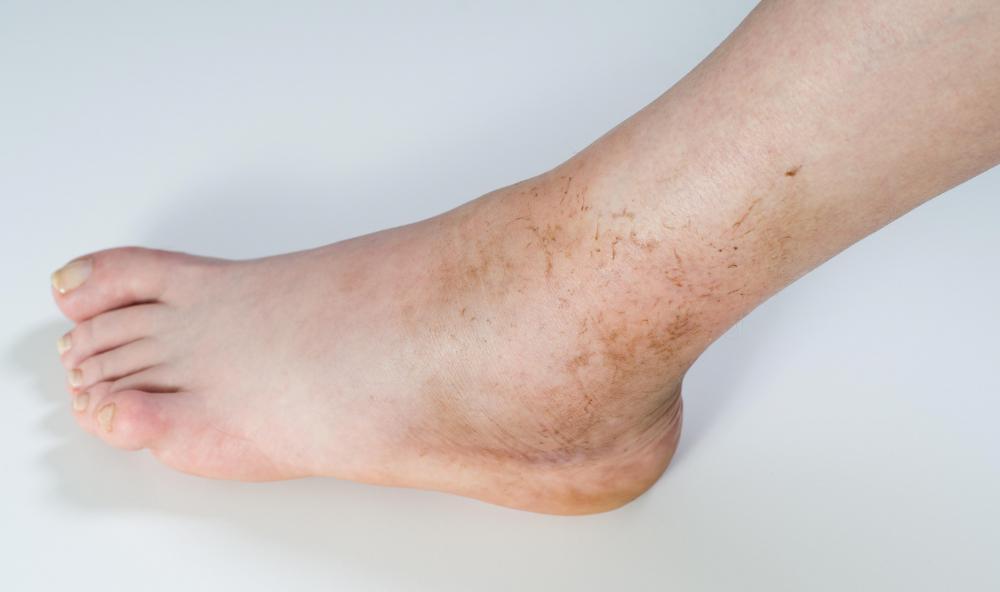
![Osteomyelitis may cause swelling of the ankles and feet.]() By: Dusan KosticOsteomyelitis may cause swelling of the ankles and feet.
By: Dusan KosticOsteomyelitis may cause swelling of the ankles and feet. -
![The elderly are susceptible to developing osteomyelitis, a condition that may cause spots on a bone scan.]() By: WavebreakmediaMicroThe elderly are susceptible to developing osteomyelitis, a condition that may cause spots on a bone scan.
By: WavebreakmediaMicroThe elderly are susceptible to developing osteomyelitis, a condition that may cause spots on a bone scan. -
![The healing of a fractured leg may be tracked by examining the spots on bone scans.]() By: Fotoluminate LLCThe healing of a fractured leg may be tracked by examining the spots on bone scans.
By: Fotoluminate LLCThe healing of a fractured leg may be tracked by examining the spots on bone scans. -
![Lung cancer can cause hot spots on a bone scan when the cancer has metastasized.]() By: CLIPAREA.comLung cancer can cause hot spots on a bone scan when the cancer has metastasized.
By: CLIPAREA.comLung cancer can cause hot spots on a bone scan when the cancer has metastasized. -
![If cancer is spotted on a mammogram, a bone scan may be done to check for metastasis.]() By: Tyler OlsonIf cancer is spotted on a mammogram, a bone scan may be done to check for metastasis.
By: Tyler OlsonIf cancer is spotted on a mammogram, a bone scan may be done to check for metastasis.





Discuss this Article
Post your comments