
At AllThingsNature, we're committed to delivering accurate, trustworthy information. Our expert-authored content is rigorously fact-checked and sourced from credible authorities. Discover how we uphold the highest standards in providing you with reliable knowledge.
What Causes Oil Spills?
 Mary McMahon
Mary McMahon
Mary McMahon
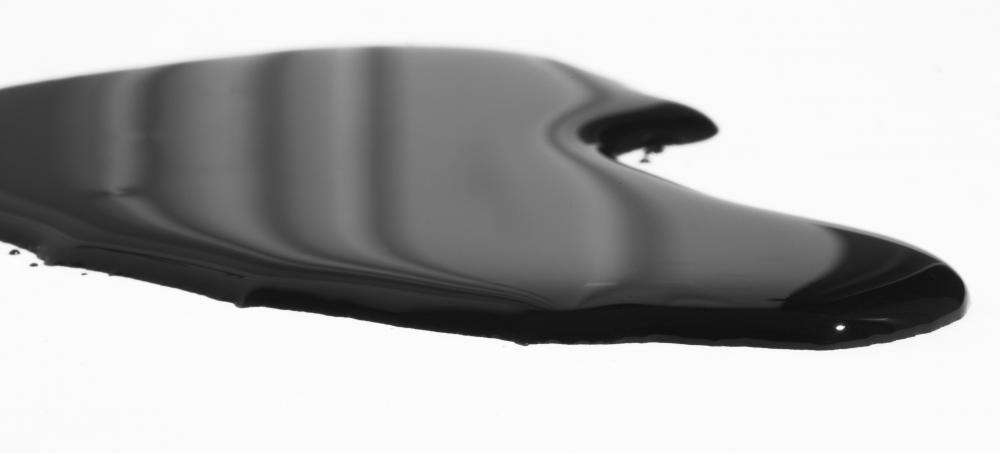
The term "oil spill" typically evokes images of crude oil pouring out of an oil tanker in the sea due to an accident, but it can be used to refer to any type of oil release. Ocean oil spills are among the most commonly depicted and catastrophic forms, though they can also occur on land. Accidents frequently cause spills as oil is released from a container or pipeline due to damage or mechanical failure. There are also oil spills that occur as a result of dumping, often on land, which then runs off into water; natural seepage of oil can also be damaging to the environment.
Marine Spills

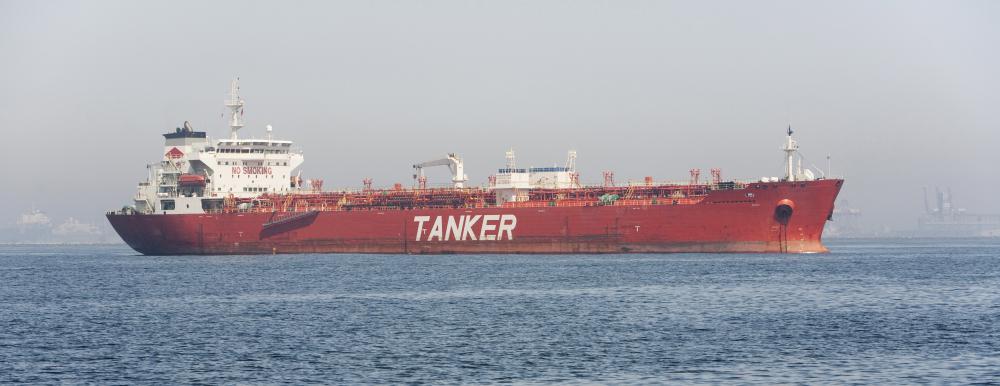
Many people are familiar with tanker accidents, since they are highly publicized, and they release large volumes of oil into the ocean. Only a small percentage of global oil spills are related to tanker accidents due to explosions, hull failure, or running aground, however. These spills tend to be very harmful because of the sheer volume of oil released at once, and they pose a serious threat to marine animals and seabirds. Such disasters frequently bring attention to issues with safe oil handling, which can lead to reforms in petroleum regulation.

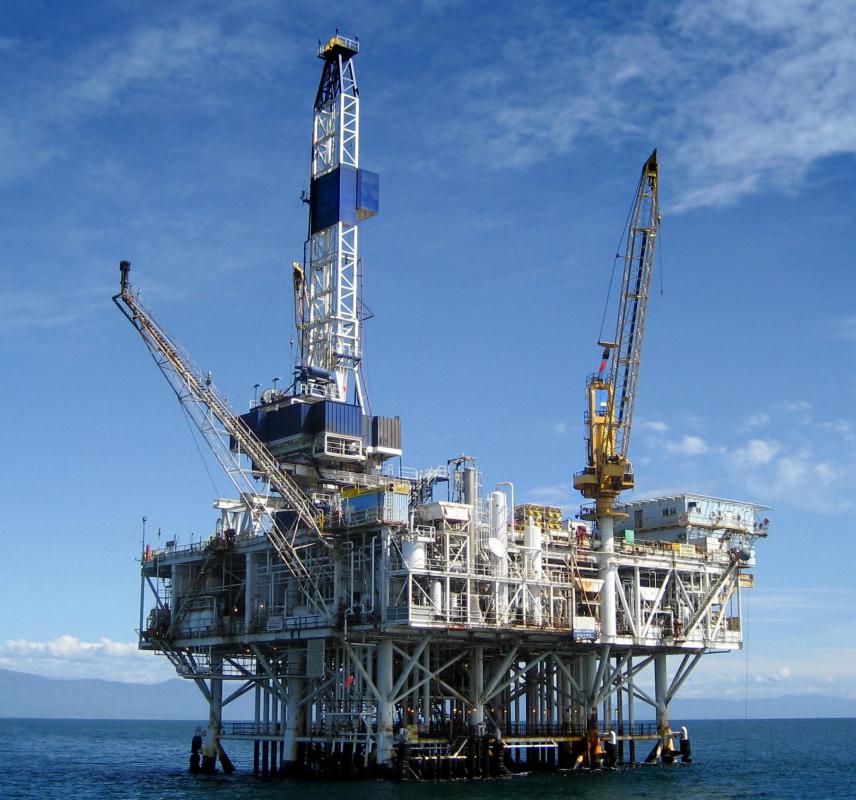
Oil spills in the water can also be caused by natural seepage. As tectonic plates shift, oil can be released from reserves trapped deep beneath the ocean floor. Natural seepage is sometimes accelerated through human activity such as drilling. Offshore drilling routinely creates low level spills, and can sometimes cause a "blowout," a failure in the drilling system that leads to a massive release of petroleum.
Land-Based Spills

Most engines, such as those used in automobiles, run on petroleum-based fuel and lubricants. These substances are slowly released during operation, accumulating on roads or in the ground, where they can poison the surrounding soil. After it rains, these pollutants can end up in local wells and reservoirs, streams and rivers, and ultimately in the ocean. Such oil spills are not as visually dramatic as those from a marine accident, but can do serious damage both to land and coastal areas.

The improper disposal of used motor oil can worsen runoff and pollution. Dumping used oil in a drain is illegal in many places because drains often run directly to nearby rivers, lakes, or other bodies of water, and eventually into the sea. These waterways can quickly become polluted, killing fish and other wildlife.
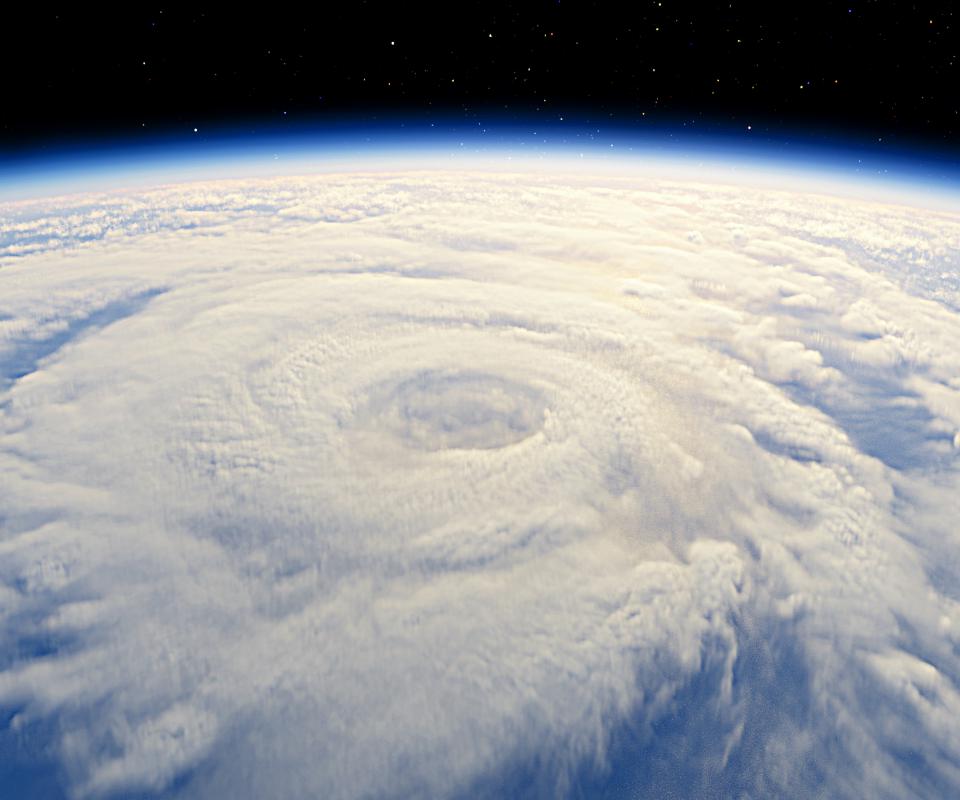
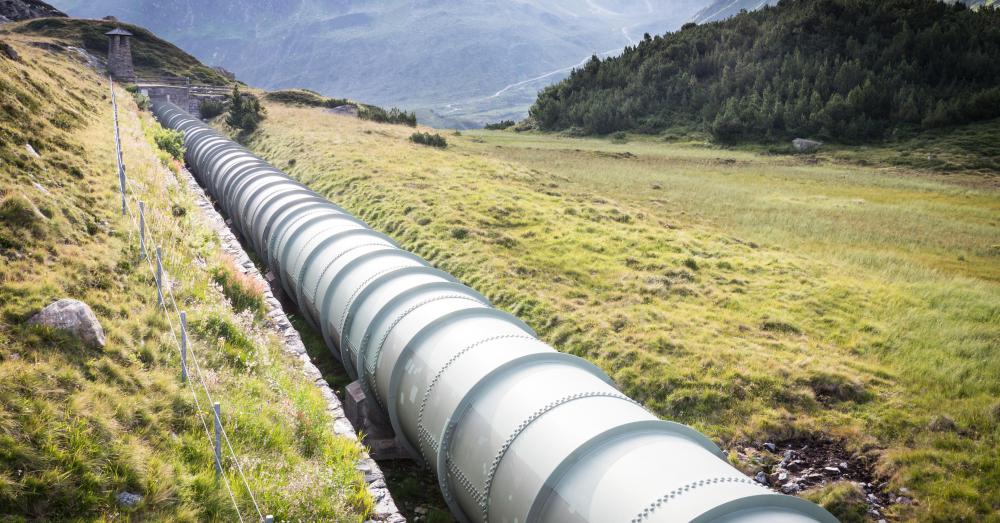
The extraction and storage of oil can also create seepage and spills. On land, storage tanks and pipes may be damaged by natural disasters such as hurricanes, earthquakes, or tornadoes, or simple wear caused by time. The damage can result in leaks of different sizes. Such oil spills can be especially disastrous if a pipeline is damaged, often due to structural failure or excessive pressure, because of the high volume of oil these lines can release.
Types of Oil

Although no oil spill is good, the type of oil that spills can affect the severity of the problem and the methods used to clean it up. Very light oils, like gasoline and jet fuel, are highly toxic and can have an immediate impact on the area surrounding the spill. They are also extremely difficult to clean up; although these fuels will evaporate, anything that's still liquid must be recovered as quickly as possible and contaminated soil must be removed. Water that is contaminated must be specially treated to make it usable.

Light oils — diesel fuel, fuel oil, and light crude, for example — are not as volatile or toxic as very light oils, although they still pose a serious contamination risk. Some portion will evaporate, and it tends to pool on top of any contaminated water. Medium oils, which includes most crude oils, undergo less evaporation, which means there is more to clean up. This type of oil can cause serious harm to any organisms exposed to it. Heavy fuel oils don't evaporate much at all, and can be extremely difficult to clean up after a spill.
Solutions

The petroleum industry undertakes many measures to reduce the likelihood of oil spills. Proactive technology includes blowout preventers, which cut off the pump pressure in case of an accident, and increased hull strength on oil tankers. These measures help to protect both the environment and the oil companies themselves, which often lose a great deal of profit and public image in the event of a spill.
When a spill does occur, however, efforts to clean up the oil — no matter the type — can be difficult and exhausting. The oil is often physically gathered and removed from an area using skimmers and vacuums, and wildlife is cleaned and moved when possible. Dispersants may be added to polluted water to break up the oil. There are even forms of microorganisms that break down and help remove oil in a region, which can help clean up in a way that does not cause further harm to the area.
Such reactive measures are imperfect, however, and these spills can still cause tremendous harm to both plants and animals. In some locations, entire populations of some species — including fish, marine mammals, and birds — have been killed. The reproductive systems of many animals can also be damaged by oil, making it that much more difficult for populations to recover. Oil is extremely difficult to clean up completely, and often takes many years to disperse naturally. Spills often make areas of water or land dangerous for people as well, and can wash up on shores, leaving an ugly, sticky mess.
Frequently Asked Questions
What are the primary causes of oil spills?
Oil spills predominantly occur due to accidents involving tankers, barges, pipelines, refineries, drilling rigs, and storage facilities. Human error and equipment failure are often at the root of these incidents. For instance, a ship might run aground or collide with another vessel, leading to a rupture that releases oil into the environment.
How significant is the impact of natural disasters on oil spills?
Natural disasters, such as hurricanes and earthquakes, can have a profound impact on oil spills. They can damage infrastructure like offshore platforms, pipelines, and storage tanks, causing oil to leak out. According to the National Oceanic and Atmospheric Administration, Hurricane Katrina resulted in over 7 million gallons of oil being spilled.
Can illegal activities contribute to oil spills?
Yes, illegal activities such as intentional dumping of oil by ships, operational discharges, and acts of vandalism or terrorism can lead to oil spills. These deliberate actions are a significant concern because they are preventable and often occur to avoid costs associated with proper waste disposal or as acts of sabotage.
What role does equipment failure play in oil spills?
Equipment failure is a major contributor to oil spills. Corrosion, metal fatigue, and faulty equipment can lead to ruptures in pipelines and tanks or malfunctions in drilling operations. Regular maintenance and updates to technology can mitigate these risks, but no system is entirely fail-proof.
How does human error influence the occurrence of oil spills?
Human error is a critical factor in many oil spills. Mistakes in navigation, poor risk management, inadequate safety practices, and failure to follow procedures can all lead to accidents. Training and strict adherence to safety protocols are essential to minimize these risks, but the potential for human error can never be entirely eliminated.
Are there any preventative measures that can reduce the frequency of oil spills?
Preventive measures include stringent regulations, regular inspections, improved technology, and comprehensive training for personnel. For example, double-hulled tankers offer an extra layer of protection against spills. International agreements like the International Convention for the Prevention of Pollution from Ships (MARPOL) aim to minimize accidental discharges from vessels.
Mary McMahon
Ever since she began contributing to the site several years ago, Mary has embraced the exciting challenge of being a AllThingsNature researcher and writer. Mary has a liberal arts degree from Goddard College and spends her free time reading, cooking, and exploring the great outdoors.
Learn more...
Mary McMahon
Ever since she began contributing to the site several years ago, Mary has embraced the exciting challenge of being a AllThingsNature researcher and writer. Mary has a liberal arts degree from Goddard College and spends her free time reading, cooking, and exploring the great outdoors.
Learn more...AS FEATURED ON:
AS FEATURED ON:









-
![Oil tankers can spill oil if their hulls are ruptured during a grounding or collision.]() By: Jose GilOil tankers can spill oil if their hulls are ruptured during a grounding or collision.
By: Jose GilOil tankers can spill oil if their hulls are ruptured during a grounding or collision. -
![Oil booms used to limit the spread of an oil spill.]() By: Pshaw-PhotoOil booms used to limit the spread of an oil spill.
By: Pshaw-PhotoOil booms used to limit the spread of an oil spill. -
![Hurricanes can cause oil spills.]()
Hurricanes can cause oil spills. -
![An offshore oil platform. Oil spills on platforms can be devastating to the surrounding environment.]() By: eyeideaAn offshore oil platform. Oil spills on platforms can be devastating to the surrounding environment.
By: eyeideaAn offshore oil platform. Oil spills on platforms can be devastating to the surrounding environment. -
![Damaged pipelines can cause disastrous oil spills.]() By: fottooDamaged pipelines can cause disastrous oil spills.
By: fottooDamaged pipelines can cause disastrous oil spills. -
![Crude oil spills are often the most evocative.]() By: jamenpercyCrude oil spills are often the most evocative.
By: jamenpercyCrude oil spills are often the most evocative. -
![Pollutants from land-based oil spills can end up in streams and other water sources.]() By: Galyna AndrushkoPollutants from land-based oil spills can end up in streams and other water sources.
By: Galyna AndrushkoPollutants from land-based oil spills can end up in streams and other water sources.

Discussion Comments
How can an oil spill be controlled as a geologist in the environment of exploration?
What are the downstream impacts of oil spills if it continues or gets worse?
do you know what causes pipelines to break?
This really helped with my project. But still wondering why people do this. it puts so much pain on the world and the people that have to do it.
This article changed my entire life. I am now riding my bike, instead of driving my car. I speak at conventions about what is happening to our Earth. I feel very strongly about this subject and would love to discuss it more.
wow! this article is really helpful for my assignment! and I was so inspired! I love it! I learned a lot of lessons!
how do oil spills affect the environment?
What is the effect of oil spill on tuber crops
oil spills are really bad for the environment. i feel so sad for the living organisms there and i thank you because this is really helping me with my assignment!
The explanation on how oil spills occur was very useful for my project on global threats.
one of the most common causes of oil spills is actually runoff from land numerous land-based engines such as those used to run on oil.
Causes of oil spills are maybe people dump old oil in because that don't know what to do with it, but it kills plants and animals that are all around it.
this really helped with the science project i was working on, but i would also like to know how it like affects like the water cycle and the nitrogen w=cycles and also where oil spills tend to happen the most.
i hate oil spilld they kill animals. animals are like humans so we better look after this world or else we're going to have to face the consequences.
How Do Oil Spills Affect a construction site?
what makes an oil spill harmful?
hey, i found this article really helpful with my assignment that i am working on with my partner.
but i was also wondering how they clean up oil spills.
Post your comments