
At HomeQuestionsAnswered, we're committed to delivering accurate, trustworthy information. Our expert-authored content is rigorously fact-checked and sourced from credible authorities. Discover how we uphold the highest standards in providing you with reliable knowledge.
What are Vascular Plants?
Vascular plants have conducting, also referred to as vascular or liquefied, tissues that transport water, minerals, and photosynthetic materials throughout the plant’s roots, stems, and leaves. They differ from nonvascular plants, which do not have conducting tissues, and require water for fertilization. Other names for them include tracheophytes and higher plants. They make up the majority of plants found on the Earth today, with the exception of mosses and liverworts.
There are three different systems present in the bodies of vascular plants that work together to maintain the life of the plant. These include the root system, shoot system, and vascular system. The root system consists of the roots, which anchor the plant in the ground and absorb moisture and food from the soil. The shoot system consists of the stems and leaves, which specialize in photosynthesis. The vascular system circulates water and minerals to the leaves, and the photosynthetic material from the leaves to the rest of the plant.

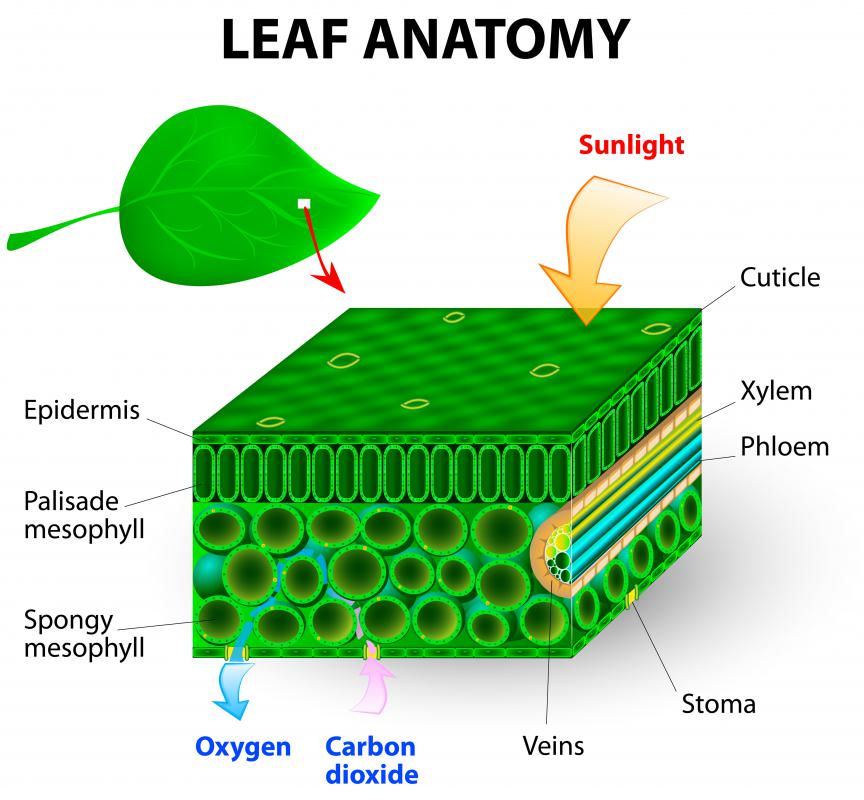
The plant vascular system is made up of two networks of tubes, known as the xylem and phloem, which are the water and food conducting systems. These are not present in nonvascular plants, which is the major difference between the two. The xylem transports water up from the roots and circulates it to all the other sections of the plant’s body. The phloem transports food, nutrients, and photosynthetic material throughout the plant to keep it healthy and growing.

The xylem is made up of dead hollow cells known as tracheids. The phloem, however, contains living cells, which are known as sieve-tube members. They have pores to allow the passage of molecules, but lack nuclei and other organs. Their companion cells, or the cells located next to them, function to keep them alive and healthy.
Vascular plants are able to grow to a larger size than nonvascular plants, which lack woody tissue that is needed to provide support for larger growth. Nonvascular plants typically grow to around 0.39 to 0.78 inches (1 to 2 cm), while vascular ones can grow many feet (meters) high. They are also more commonly found in damp and shady areas, since they do not have vascular tissue to hydrate their bodies. They instead must absorb water on their surface, making it difficult to survive for long periods in dry areas. Vascular plants, however, can survive in nearly any climate, as long as their basic needs for water, sunlight, and appropriate temperature are met.

Some of the most common include conifers and flowering plants, although there is another type, known as seedless vascular plants. These plants contain the same vascular system described above, but do not reproduce from seed. Psilotum, also known as the whisk fern, which grows wild in the woodlands of Florida in the United States, is one such plant. Others include the Lycophyta and Sphenophyta divisions, and many types of ferns in the Pterophyta division.
AS FEATURED ON:
AS FEATURED ON:


-
![Ferns are seedless vascular plants.]() By: vencavFerns are seedless vascular plants.
By: vencavFerns are seedless vascular plants. -
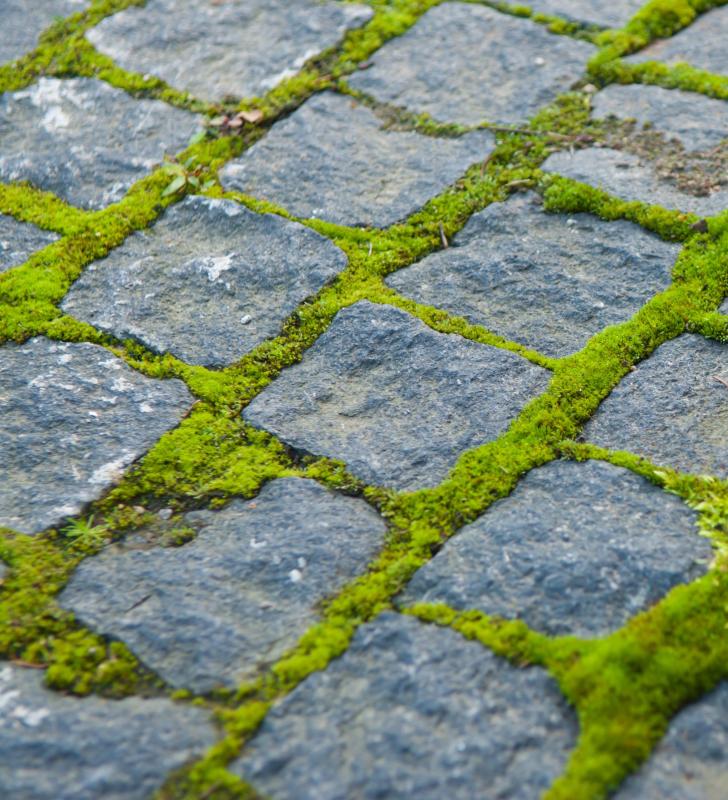
![Mosses, like that growing between these cobblestones, don't have a vascular system, so they cannot grow very tall.]() By: Alex PetelinMosses, like that growing between these cobblestones, don't have a vascular system, so they cannot grow very tall.
By: Alex PetelinMosses, like that growing between these cobblestones, don't have a vascular system, so they cannot grow very tall. -
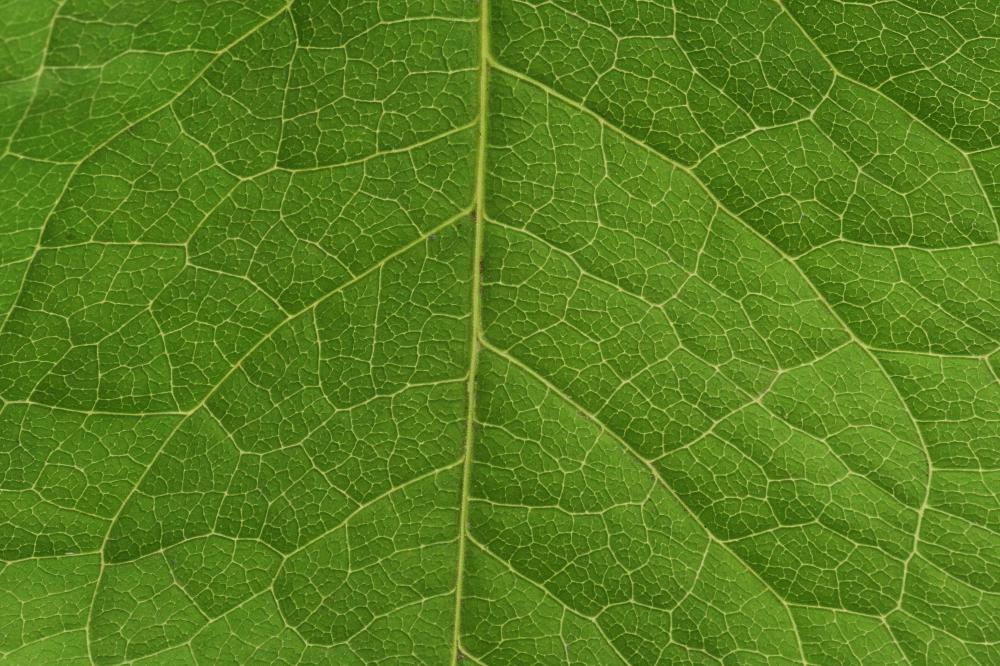
![Leaves show their vascular sytems.]() By: tethysimagingllcLeaves show their vascular sytems.
By: tethysimagingllcLeaves show their vascular sytems. -
![Along with xylem, phloem makes up the transport system within vascular plants.]() By: designuaAlong with xylem, phloem makes up the transport system within vascular plants.
By: designuaAlong with xylem, phloem makes up the transport system within vascular plants. -
![The vascular system circulates water and minerals to the leaves, and the photosynthetic material from the leaves to the rest of the plant.]() By: designuaThe vascular system circulates water and minerals to the leaves, and the photosynthetic material from the leaves to the rest of the plant.
By: designuaThe vascular system circulates water and minerals to the leaves, and the photosynthetic material from the leaves to the rest of the plant.


Discussion Comments
@Purplespark: The vascular plant called Lycopods actually dominated our landscape 400 million years ago. Some of their descendants are still around today. Have you ever heard of club-moss, fir-moss, ground-cedar or ground-pine? Those are the descendants of Lycopods. Just like their ancestor, these more modern plants mainly consist of small, flat leaves called microphylls and stems.
Also, they reproduce by spores. One interesting fact is that the spores of the club-moss actually have explosive properties. They were often used during the Victorian era in theaters to produce fire and flame effects.
What is the oldest vascular plant?
Post your comments