
At WiseGEEK, we're committed to delivering accurate, trustworthy information. Our expert-authored content is rigorously fact-checked and sourced from credible authorities. Discover how we uphold the highest standards in providing you with reliable knowledge.
What are Tonsil Stones?
Tonsil stones are a naturally occurring build up of calcareous material on the tonsils. This material is not harmful, and it is naturally produced in the mouth. The material can also be called tonsillolith, calculus of the tonsil, and tonsillar debris.
Although they are called tonsil stones, these stones are actually located in the crevasses of the palatine tonsils. These are located at the bottom rear of the month and are actually part of the sinuses. The development of stones is usually causes by overactive salivary glands or oral bacteria.
When this material builds up, it can feel like there something stuck in the back of the throat. This sensation, together with bad breath and a sore throat, can indicate the presence of tonsil stones. They are more common in adults than in children.

The stones are actually fairly soft and can be removed by the patient without need for medical intervention. The only difficulty with this is the gag reflex, which can be triggered by any device touching the back of the throat. It's best for individuals trying to remove the build up to do so in a bathroom, in front of a sink.
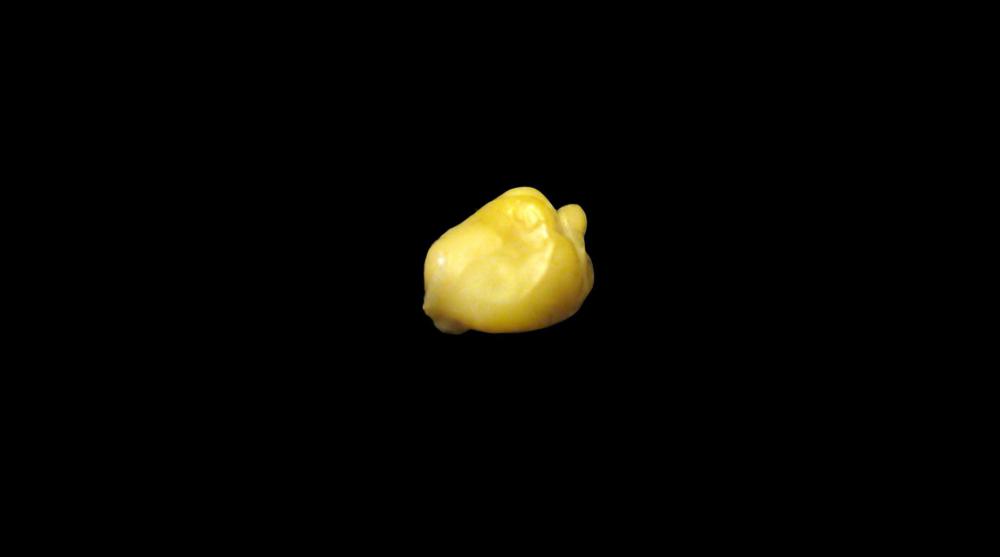
The easiest way for a person to determine if he has a tonsil stone is to look in the mirror. He can open his mouth wide and look into the back corners. If there is a white or yellowish spot surrounded by flesh, this is a stone.

To remove the build up, individuals can try sucking on a lollipop. The suction pressure often causes the stone to dislodge and fall into the mouth. If this doesn't work, a clean stick or a finger can be used to press against the bottom of the tonsil. The sensation may be unpleasant, but the stone will usually pop out and can be spit out into the sink. Another method is to use a water pick to flush the material out by pushing salt water on it. Stones very rarely require medical intervention, although they can be removed in a doctor's office if required.

To prevent tonsil stones, people can add rinse with mouthwash or salt water as part of their daily oral cleaning routine. Individuals should brush their teeth well to remove any food build up and reduce the amount of bacteria. Drinking a glass of water at the end of every meal may also help to rinse out food particles.
AS FEATURED ON:
AS FEATURED ON:









-
![A tonsil stone.]() By: ArenaCreativeA tonsil stone.
By: ArenaCreativeA tonsil stone. -
![Regularly rinsing the mouth out with salt water can help prevent tonsil stones.]() By: MediablitzImagesRegularly rinsing the mouth out with salt water can help prevent tonsil stones.
By: MediablitzImagesRegularly rinsing the mouth out with salt water can help prevent tonsil stones. -
![Tonsil stones rarely require medical treatment.]() By: Dmitry NaumovTonsil stones rarely require medical treatment.
By: Dmitry NaumovTonsil stones rarely require medical treatment. -
![Bad breath may accompany the presence of tonsil stones.]() By: stefanolunardiBad breath may accompany the presence of tonsil stones.
By: stefanolunardiBad breath may accompany the presence of tonsil stones. -
![A sore throat could be a sign of tonsil stones.]() By: LsantilliA sore throat could be a sign of tonsil stones.
By: LsantilliA sore throat could be a sign of tonsil stones. -
![Gargling with salt water may be effective at dislodging tonsil stones and relieving discomfort.]() By: Orlando BelliniGargling with salt water may be effective at dislodging tonsil stones and relieving discomfort.
By: Orlando BelliniGargling with salt water may be effective at dislodging tonsil stones and relieving discomfort.




Discussion Comments
I don't know if this is late or not, but this has helped me a lot and it was great to know what it was. I had a hunch it was some kind of plaque build up. I also didn't see mine, but I stayed calm put my finger gently against the inside of my mouth towards the back close to where I felt this thing was and pushed a little bit (Be careful. The gag reflex will kick in; that's why you have to stay calm) and then I saw it.
After a while of trying to get it out and moving it around, I finally moved it to a point where it irritated my tongue a bit. I then kept moving my tongue going up and down, moving it a little bit more and finally, it popped out. I checked again and there was a bit left and I got the other bit out also. My breath improved instantly; much salt water and mouthwash was used.
interesting
why do you need tonsils
pdibayi, I think you should go to a doctor instead of trying to self-medicate yourself on the internet. If you're worried or don't know what's going on, you most likely should visit your doctor and have a chat.
A tonsil stone can be yellowish and it would smell, due to the presence of bacteria. Try following the instruction to prevent tonsil stones. They will keep your mouth clean and lower the amount of bacteria in your mouth. This should help to improve your breath.
If you have any other symptoms, such as open sores, bleeding gums or loose teeth, see your dentist. All these items can also cause bad breath.
Thanks
I cannot see any white thing through the back corners of my mouth. However, something yellowish and smelly comes out of my mouth every now and then. Is it the same as a tonsil stone or is that something else?
Could you please guide me as I am really tired of my bad breath.
Thank you.
Post your comments