
At WiseGEEK, we're committed to delivering accurate, trustworthy information. Our expert-authored content is rigorously fact-checked and sourced from credible authorities. Discover how we uphold the highest standards in providing you with reliable knowledge.
What are the Symptoms of Iron Deficiency?
 Niki Foster
Niki Foster
Niki Foster
While the symptoms of iron deficiency vary, iron deficiency anemia is one of the most well-known — and perhaps the most critical — symptom. When bone marrow does not have enough iron, it cannot produce the hemoglobin necessary for maintaining healthy red blood cells, which can cause iron deficiency anemia. As a result, the bone marrow produces fewer and smaller red blood cells than that of a healthy person. Eventually, this could lead to a reduced oxygen supply to the organs, which may result in organ failure, and in some cases, death.
Common Symptoms

Besides iron deficiency anemia, some other symptoms of iron deficiency are fatigue, light-headedness, muscle weakness, irritability, a very pale appearance, and pica — an eating disorder in which the sufferer craves non-food items like clay or chalk. In addition to these symptoms, anemia may also cause hair loss, shortness of breath, fainting, constipation, heart palpitations, ringing in the ears, visual hallucinations, sensations of numbness or burning, and rarely, sleep apnea.
Causes and Treatment

Iron deficiency can be caused by excessive bleeding, not eating enough foods that contain iron, or a diet or medical problem that interferes with the body's absorption of the mineral. On average, women are ten times more likely than men to develop this condition due to the blood lost during menstruation. Anemia is the end stage of iron deficiency, but problematic symptoms can arise even before anemia sets in. Any symptoms of low iron should always be taken seriously, as iron deficiency anemia can be life-threatening, but it may be preventable with early treatment.

Many symptoms of iron deficiency can be prevented with a proper diet or with the use of iron supplements, unless it is due to malabsorption. Iron-rich foods include meats of all kinds, green leafy vegetables, beans, and tofu. People who have any health concerns or who are planning changes in their diet should discuss this with a healthcare professional.
The Role of Iron

Iron is an essential nutrient for humans, as well as for many other forms of life. In humans, it helps regulate cellular respiration, providing the main source of energy for many different cell types in the body to do their work. It is also a major component of red blood cells, which provide oxygen to all parts of the body and return carbon dioxide to the lungs for expiration. Iron also helps store oxygen within muscle cells.
Niki Foster
In addition to her role as a WiseGEEK editor, Niki enjoys educating herself about interesting and unusual topics in order to get ideas for her own articles. She is a graduate of UCLA, where she majored in Linguistics and Anthropology.
Learn more...
Niki Foster
In addition to her role as a WiseGEEK editor, Niki enjoys educating herself about interesting and unusual topics in order to get ideas for her own articles. She is a graduate of UCLA, where she majored in Linguistics and Anthropology.
Learn more...AS FEATURED ON:
AS FEATURED ON:









-
![Beans are a good source of iron.]()
Beans are a good source of iron. -
![Iron mineral supplements can be taken to alleviate the symptoms of an iron deficiency.]() By: bart30000Iron mineral supplements can be taken to alleviate the symptoms of an iron deficiency.
By: bart30000Iron mineral supplements can be taken to alleviate the symptoms of an iron deficiency. -
![Not having enough iron in your body can lead to iron deficiency anemia.]() By: AndreiNot having enough iron in your body can lead to iron deficiency anemia.
By: AndreiNot having enough iron in your body can lead to iron deficiency anemia. -
![Tofu is a great source of iron.]() By: Jiri HeraTofu is a great source of iron.
By: Jiri HeraTofu is a great source of iron. -
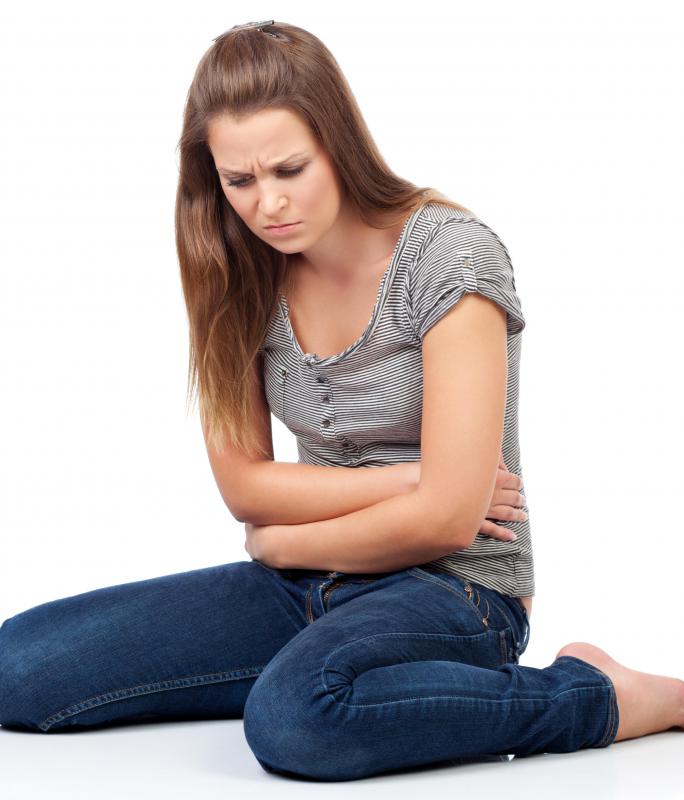
![Anemia may cause constipation and fainting.]() By: Ana Blazic PavlovicAnemia may cause constipation and fainting.
By: Ana Blazic PavlovicAnemia may cause constipation and fainting.



Discussion Comments
When I was younger I had terrible iron deficiency because of my diet, but I had no idea what was going on.
I remember just being constantly exhausted and pale, my hair falling out all over the place, and I wanted to chew on ice all the time.
Well, a friend of mine recognized the symptoms of iron deficiency -- even the ice chewing was one! -- and got me to go to the doctor. Sure enough, I got an iron deficiency diagnosis back, which was scary in one way, but good in another because then I could start treatment.
With a doctor and nutritionist's help, I was able to correct the imbalance simply by changing my diet -- and it was a good thing too, because they said if I had continued to live in such a deficient state, I could have really messed up my health.
So if you think that you may have an iron deficiency, get it checked out -- better safe than sorry, right?
@pleats -- Sorry to hear you haven't been feeling well. I'm not a doctor, but I'll see what I can do to answer your questions.
First, you may want to reconsider your diet. I know you said you've been getting lots of leafy greens, but did you know that iron actually comes in a lot of different forms? Most people think that they only need to eat a bunch of spinach to get their iron, but there are actually much better sources, namely lentils, beans, peas, and tofu. If you really think you have an iron deficiency, you may want to first speak with a nutritionist to find out if your diet is adequate.
To answer your question about the symptoms of iron deficiency from malabsorption, they are essentially the same as those from simply inadequate consumption of iron. However, iron deficiency due to malabsorption is very rare, so chances are you don't have it.
I hope that this answered your question -- and do keep that appointment with your doctor; they'll be able to help you control the symptoms of your iron deficiency, or tell you if there is something else going on.
Best of luck.
Hi -- I was wondering if you could tell me a little bit more about the signs of iron deficiency, namely what iron deficiency causes in the body.
I have recently been experiencing what I think may be some iron deficiency signs, but I really don't know if it could really be because of iron deficiency, since I eat a lot of leafy greens and mead.
Do you think that maybe I could have a problem absorbing iron? What would be the signs of iron deficiency caused by malabsorption as opposed to those simply caused by not eating enough iron?
I have an appointment scheduled with my doctor next month to try and figure out what's going on, but I would really like to educate myself as much as possible before I go -- could anyone help me out?
Getting about 18 mg of iron daily for women and a tad less than half of that for men, will prevent any iron deficiency. One cup of cooked spinach contains about 6 mg of iron.
Post your comments