
At WiseGEEK, we're committed to delivering accurate, trustworthy information. Our expert-authored content is rigorously fact-checked and sourced from credible authorities. Discover how we uphold the highest standards in providing you with reliable knowledge.
What are the Symptoms of Dehydration?
The symptoms of dehydration can be both physical and mental. On the physical side, people often experience thirst, dry skin and eyes, dizziness, and fatigue. It’s also common for urine to slow down and grow much darker in color, typically a consequence of the body trying to conserve water. Emotional symptoms often include irritability and mood swings. Treating the condition is often as easy as drinking a glass of water, but the problem is often harder to solve the longer it has been going on. Chronic or truly serious cases usually need to be treated medically, often with an intravenous drip. The best way for people to prevent this sort of outcome is to know the early symptoms and to make sure to drink enough water and other hydrating fluids each day.
Body Fluid Basics

The human body consists of approximately 70% water, and water is essential to the functioning of nearly every bodily function. Blood production depends on it, as does digestion; it’s also critical for maintaining the right brain chemistry. Dehydration occurs when the level of water in the body is reduced. Chemical substances such as salt and potassium fall to an irregular level when this happens, which can trigger a number of different side effects and symptoms. In most instances, it only takes a very small decrease in the percentage of the body's water level for problems to set in.

Mild cases are generally characterized by a loss of around 1 to 2% of body fluids that can be easily corrected simply by drinking a glass of water. Moderate cases, which are usually defined as a loss of about 3 to 5% of body fluid, can be quite noticeable and may result in a feeling of weakness and lethargy.
Severe cases, marked by a loss of about 10% of bodily fluids, are usually extremely dangerous and can be fatal. Sufferers must usually be hospitalized to receive sufficient re-hydration through an intravenous drip. Just drinking water isn’t usually enough in these cases, since the condition can cause people to go into “shock” — a medical term that usually means the body’s main organs and systems are in a holding pattern. People in this state frequently can’t absorb water through the digestive track, but saline solutions fed directly into their bloodstreams can work to reverse the condition and bring back health.
Physical Dryness

One of the very first things most dehydrated people experience is thirst. Their throat may feel dry and their lips may grow chapped. It’s also common for the eyes to feel itchy or dry. When the body is running on a reduced amount of water, it usually starts diverting fluids from wet, moist areas like the mouth and eyes and sends that water to places where it may be needed more, particularly the vital organs. Skin dryness is also common, though this often takes a few days to set in.
Dizziness and Fatigue

People frequently also feel dizzy, especially when standing suddenly. They may also experience bouts of intense fatigue or lethargy. Headaches are also common. The longer a person has a fluid deficit, the more serious these symptoms are likely to become. People who have been suffering for a long time often complain of splitting head pain, blurred vision, and fainting spells.
Urine Changes

Fluid deficit may also result in low urine output and urine that is dark in color. Urination is the body’s way of expelling excess fluids and soluble compounds, but when water is scarce this sort of expulsion is often treated as something of a luxury. In these circumstances the kidneys, which handle the process, typically allocate only the minimum amount of water needed, and the result is often urine that is dark yellow and possibly even rust colored. It often has a rank smell, can be painful to pass, and may leave people with a burning sensation.
Irritability and Mood Swings

People who aren’t getting enough water are also frequently more susceptible to mood swings and bouts of irritability and snappishness. Water levels impact the mood center of the brain, and an imbalance can temporarily alter peoples’ perceptions and reactions. These symptoms are often the most pronounced in those who already suffer from anxiety or depression.
Prevention Tips

Diagnosing fluid loss may be determined based on a blood and urine analysis or it may be uncovered simply by observing some of the visual symptoms. Fluid loss can be caused by many things. Illness, hot climates, and intense exercise are common culprits; consuming a lot of salty foods or dehydrating fluids like alcohol or drinks containing caffeine can also be to blame.

The ill, elderly, and children are especially susceptible and therefore should drink plenty of fluids. Even the healthy adult should be sure to get enough water each day, however. There isn’t usually any set formula or “magic number,” but intentionally drinking water, juice, and other non-caffeinated, non-alcoholic beverages is widely recommended. Eating water-containing foods, particularly fruits and vegetables, can also help.
AS FEATURED ON:
AS FEATURED ON:









-
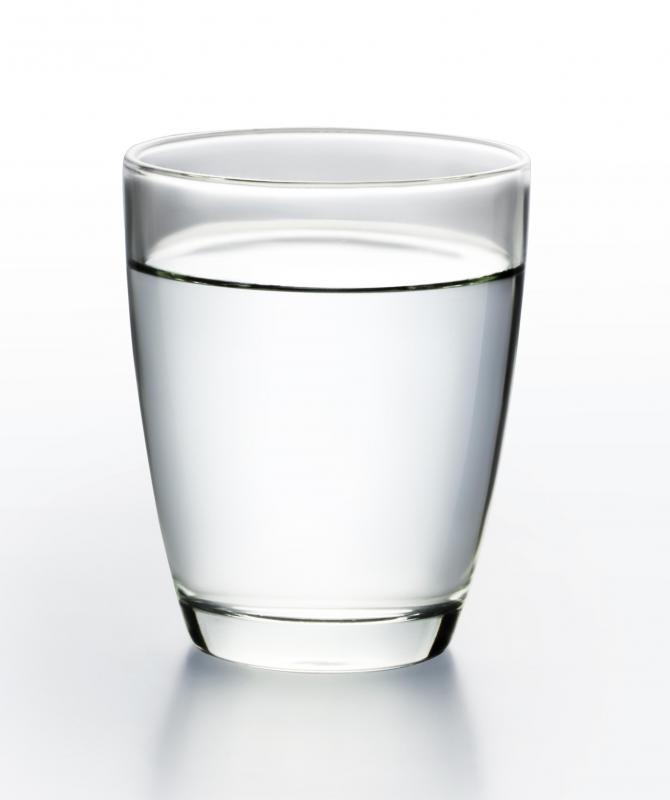
![Drinking water can help with dehydration.]() By: violetkaipaDrinking water can help with dehydration.
By: violetkaipaDrinking water can help with dehydration. -
![IV fluids are usually given to individuals with severe dehydration.]() By: michaeljungIV fluids are usually given to individuals with severe dehydration.
By: michaeljungIV fluids are usually given to individuals with severe dehydration. -
![Headaches are a symptom of dehydration.]() By: Picture-FactoryHeadaches are a symptom of dehydration.
By: Picture-FactoryHeadaches are a symptom of dehydration. -
![Dehydration may cause feelings of weakness.]() By: MaridavDehydration may cause feelings of weakness.
By: MaridavDehydration may cause feelings of weakness. -
![Dizziness can be caused by dehydration.]() By: 9nongDizziness can be caused by dehydration.
By: 9nongDizziness can be caused by dehydration. -
![Particularly during hot weather, drink plenty of water to help prevent headaches that stem from dehydration.]() By: fotumParticularly during hot weather, drink plenty of water to help prevent headaches that stem from dehydration.
By: fotumParticularly during hot weather, drink plenty of water to help prevent headaches that stem from dehydration. -
![People who work out intensely need to replenish not only water, but also essential salts and electrolytes lost through sweat.]() By: geronimoPeople who work out intensely need to replenish not only water, but also essential salts and electrolytes lost through sweat.
By: geronimoPeople who work out intensely need to replenish not only water, but also essential salts and electrolytes lost through sweat. -
![Lethargy is a common symptom of dehydration.]() By: tiplyashinaLethargy is a common symptom of dehydration.
By: tiplyashinaLethargy is a common symptom of dehydration. -
![Some medications taken by the elderly can lead to dehydration.]() By: Sandor KacsoSome medications taken by the elderly can lead to dehydration.
By: Sandor KacsoSome medications taken by the elderly can lead to dehydration.






Discussion Comments
The major part, nearly 75 percent, of our bodies is made up of water. When dehydration occurs when the amount of water getting out of the body is greater than the amount of water intake. there are the natural ways of losing water. the other causes of dehydration are diarrhea, vomiting, sweat, diabetes, burns and not drinking water.
Crispety - I know that the effects of dehydration can also be serious in children. If you keep them hydrated especially when the weather is warmer they will not have this problem.
I read that by the time you feel thirsty, your body has lost a lot of water and you may even begin to feel tired as a result.
Mexicana- I know what you mean. You should always have a bottled water with you so that you can drink water throughout the day so that you never get thirsty.
I know that my dehydration symptoms begin when I drink too much coffee or diet drinks. I start to get a headache and my lips sometimes begin to feel parched.
I also start to develop pain in my lower back which is where my kidneys are. When this happens, I immediately start drinking more water so that I will feel better.
The problem with becoming overly thirsty or dehydrated is that sometimes your brain will mistaken it for hunger and you may feel the urge to eat even though you are really in need of water.
This is one of the many problems with waiting until you are thirsty to drink and with drinking coffee and soda instead of water. Even juice or milk is not nearly as good as water, which should be drunk BEFORE you are thirsty, and - although you don't need to go crazy with it - in quantities high enough that you don't often get thirsty.
Post your comments