
At TheHealthBoard, we're committed to delivering accurate, trustworthy information. Our expert-authored content is rigorously fact-checked and sourced from credible authorities. Discover how we uphold the highest standards in providing you with reliable knowledge.
What are the Symptoms of Bursitis of the Knee?
Bursitis of the knee is an inflammatory condition that can be caused by an immediate injury, or it can slowly develop over time. There are three bursa sacs filled with fluid around the knee, and when they become inflamed, symptoms begin to develop. At first, the knee will turn red and begin feeling warm to the touch. As the condition worsens, the knee will appear swollen and cause pain when moved or touched.
The two common causes of bursitis of the knee are a direct trauma to the knee or prolonged kneeling on a hard surface. The condition is very common in people who work in professions that require a lot of kneeling on the job, such as roofing. The symptoms of bursitis of the knee will vary depending on the exact cause of the condition. In cases where the bursitis is caused by a direct blow to the front of the knee, the symptoms will appear almost immediately after the injury is sustained. When it is caused by a repetitive injury, such as routine and prolonged kneeling, the symptoms will appear more gradually and over a longer period of time.

Medical professionals recommend treatment as soon as the symptoms of bursitis begin to appear. The more quickly the condition is treated, the sooner the patient will usually recover. As fluid starts building up in the bursa sacs, the knee swells and begins to hurt. When touched, the joint will feel warm and squishy. In mild cases, healthcare professionals recommend using cold compresses, taking anti-inflammatory medication, getting lots of rest, and in some cases, taking pain medication.

When the fluid in the bursa sacs becomes infected, the case becomes more serious and the condition is called septic bursitis. In cases of septic bursitis, medical professionals often remove the fluid with a syringe and run tests to determine what exactly is causing the infection. They then may prescribe antibiotics accordingly, and usually intravenously. In really rare cases, and as a last resort, the bursa sacs are removed entirely. Depending on the severity and exact cause of the bursitis, the symptoms should go away within a week or two as long as proper care and treatment are administered.
AS FEATURED ON:
AS FEATURED ON:


-
![A diagram of the knee.]() By: AlilaA diagram of the knee.
By: AlilaA diagram of the knee. -
![Knee pain may be a sign of bursitis.]() By: MaridavKnee pain may be a sign of bursitis.
By: MaridavKnee pain may be a sign of bursitis. -
![A bursa sac infection usually requires intravenous antibiotics to be administered.]() By: ShpilbergStudiosA bursa sac infection usually requires intravenous antibiotics to be administered.
By: ShpilbergStudiosA bursa sac infection usually requires intravenous antibiotics to be administered. -
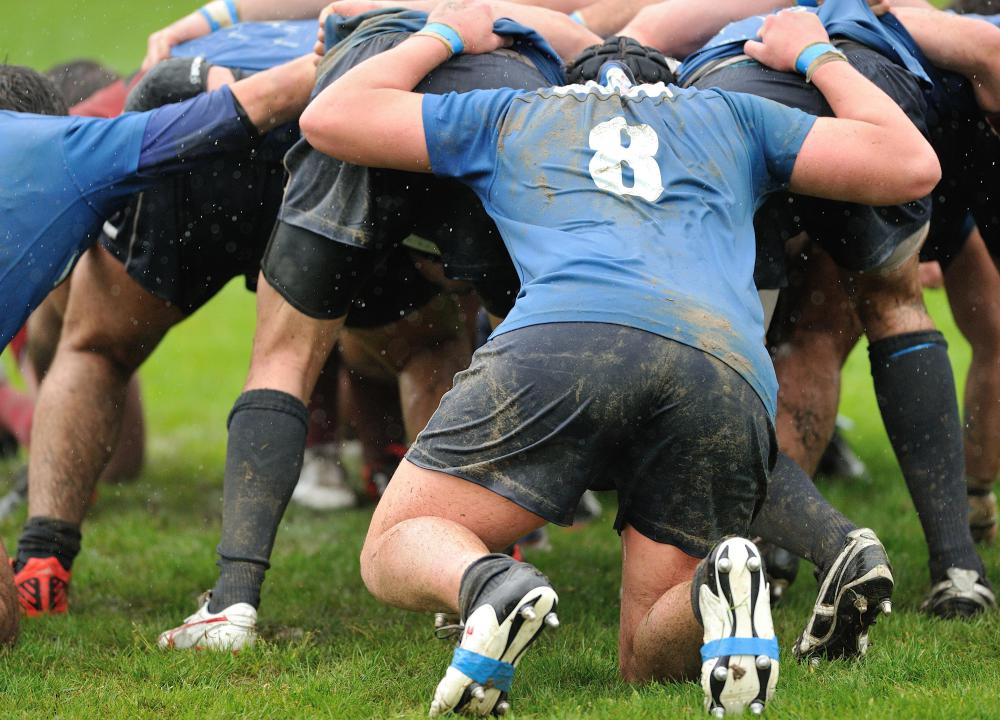
![Sports-related injuries may lead to bursitis.]() By: Diego BarbieriSports-related injuries may lead to bursitis.
By: Diego BarbieriSports-related injuries may lead to bursitis.


Discussion Comments
Go back to the doctor. My husband is dealing with septic bursitis at this time and he had to go to IV antibiotics, twice a day for 10-15 days! The infection can spread and your antibiotic may need changing!
I fell at work on knee, had MRI. Diagnosed with bursitis. It is now infected-septic bursitis. I was given Keflex. Been on it for 5 days. I still have a tremendous pain shooting up inside of thigh. Next appointment isn't for another 10 days. I also have had MRSA over two years ago and it was treated with antibiotics. I am worried. Any suggestions?
Post your comments