
At TheHealthBoard, we're committed to delivering accurate, trustworthy information. Our expert-authored content is rigorously fact-checked and sourced from credible authorities. Discover how we uphold the highest standards in providing you with reliable knowledge.
What Are the Symptoms of a Blood Clot in the Foot?
Blood clots can pose serious health risks, and when they form in the foot, they require prompt attention. According to the Centers for Disease Control and Prevention (CDC), deep vein thrombosis (DVT), a condition where blood clots form in deep veins, affects up to 900,000 Americans each year.
While not all blood clots occur in the foot, a blood clot in the foot can lead to complications if left untreated. Symptoms such as swelling, discoloration, and the emergence of varicose veins are indicators that should not be ignored.

Early detection and management are crucial, as the American Heart Association notes that about 100,000 Americans die each year due to DVT and its complications.Understanding the signs of a blood clot in the foot and seeking medical advice could be life-saving.
In most cases, individuals suffering from a blood clot in the foot will notice that the affected foot is swollen and discolored. Depending on whether the blood clot is blocking the flow of blood going into the foot or out of the foot, the coloration might be purple or red, respectively. The victim might also notice that the veins on the surface of his or her feet appear to be larger than normal. This appearance is commonly referred to as varicose veins.

At this point, the victim might develop numbness in the affected foot, because the blood circulation is effectively blocked by the blood clot. At the other end of the spectrum, the victim also might begin to experience intense pain — which has been described as either a throbbing, persistent ache or a shooting pain — when standing, walking or flexing the foot. This numbness or pain might extend into the leg because the blocked vein deprives the leg of a proper blood supply.

Early detection and resolution of a blood clot in the foot is vital. With proper medical response, clots are treatable, and most individuals who detect them early will make a full recovery. Using blood thinners, such as aspirin or prescription medications, along with special therapies and techniques, medical professionals can usually dissolve a blood clot before it creates a serious threat.

Without proper medical attention, a blood clot can easily relocate to the heart, causing a heart attack. It might also break loose and lodge itself in a vein feeding the brain, causing a stroke. Blood clots that are dislodged and arrive in the lungs have equally disastrous potential, because they can result in a pulmonary embolism. These possibly fatal conditions are why prompt response is necessary when dealing with discoloration of the feet, foot and leg pain, numbness or any of the other signs of a blood clot in the foot.
Once you recognize the symptoms of a blood clot in your foot, you’ll want more information. Understanding how and why these clots happen can help you determine if you have a clot and how you can prevent it in the future.
What Is a Blood Clot in the Foot?
Two sets of veins carry blood into your feet and back to your heart. One set is the superficial veins. When they’re enlarged, you can see them through the skin. They’re known as varicose veins if visible.

The other set of veins is deep veins. They’re so close to your bones that you can’t see them through your skin, even if they’re enlarged. Both sets of veins can develop clots that result in inflammation. Doctors call inflamed veins phlebitis, regardless of vein type.
Blood clots often cause vein inflammation, so your doctor will call the condition venous thrombosis or thrombophlebitis. When you have inflamed veins, you experience the previously mentioned blood clots symptoms like swelling, redness, pain, and heat.
How Do You Know If You Have a Blood Clot in the Foot?

You can tell you have a blood clot in your foot if only one of your feet, ankles, or legs is swelling. That shows you that the pain is localized to that side of your body. You might get calf cramps or sudden pain in your foot or ankle. If there’s no explanation for foot, ankle, or calf pain, such as overexerting yourself, then you might have a blood clot in your foot.
Blood clots can go away on their own. You might find that the pain is sudden and then disappears. The body can break down the clot and absorb it in a week or month. However, if you’re experiencing regular pain, you should see a doctor.

Blood clots are dangerous because they can move to other parts of your body. A blood clot might start in your foot but break loose and flow to your lungs, causing a pulmonary embolism. Your doctor might request a blood test, ultrasound, or CT scan to determine the location of the blood clot. At that time, they can determine how to safely break up or remove the clot.
A medical professional might administer thrombolytics. These drugs dissolve blood clots, and you can take them as a catheter in the affected vein or as an IV. The doctor will watch you carefully during this treatment since it increases your risk of bleeding.
Can You Prevent a Blood Clot in the Foot?
Blood usually won’t clot in the vein. If you’re experiencing blood clots in your veins and suffering from inflammation, you need to talk to your doctor. These things are usually hereditary. You might have a family history of rare blood clots. If there’s nothing in your medical history, it could be from vein injuries, surgery, bed rest, pregnancy, or cancer.
If you have a family history of blood clots, your doctor can prescribe some prevention methods. These tips might include wearing loose-fitting socks and shoes or trying compression stockings. Raising your legs at least six inches over your head also increases your blood flow.
For people with no family history of blood problems, there are ways to prevent a blood clot in the foot. Eating a healthy diet is always a good way to keep your blood flowing smoothly. Eating right means you’re more likely to maintain a healthy weight. When your body isn’t straining to support itself, you’ll have fewer veins problems, and your blood can reach all your extremities.
A healthy diet and balanced weight also give you more energy and make it easier for you to exercise. Regular exercise keeps your heart pumping, so the blood flows throughout all your veins. Non-smokers, or people who quit smoking, will also have better circulation than smokers.
If you can avoid sitting for long periods of time, you’ll have increased blood flow. Getting up and moving your body is especially important during long flights or days at work when you have to sit at a desk. Taking regular walks and stretching your muscles encourage good circulation.
Final Notes
A blood clot is always dangerous, so you should stay aware of potential blood clots in your feet. However, knowing the causes and recognizing the symptoms will help you stay healthy and aware.
FAQ on Blood Clot in the Foot
What are the common symptoms of a blood clot in the foot?
Common symptoms of a blood clot in the foot can include swelling, pain, tenderness, and redness or discoloration. The affected area may also feel warm to the touch. It's important to note that sometimes a blood clot may not cause any noticeable symptoms, making it crucial to seek medical attention if you suspect a clot, especially if you have risk factors such as a history of clots or prolonged immobility.
How is a blood clot in the foot diagnosed?
A blood clot in the foot is typically diagnosed through a combination of physical examination and imaging tests. A Doppler ultrasound is the most common non-invasive test used to visualize blood flow and detect clots. In some cases, additional imaging tests like a CT or MRI scan may be necessary. Blood tests, such as the D-dimer test, can also help to rule out or confirm the presence of a clot.
What are the risk factors for developing a blood clot in the foot?
Risk factors for developing a blood clot in the foot include prolonged periods of immobility, such as long flights or bed rest, recent surgery, especially of the hip or knee, a history of deep vein thrombosis or pulmonary embolism, certain genetic clotting disorders, smoking, obesity, and conditions like cancer or heart disease. Pregnancy and the use of birth control pills or hormone replacement therapy can also increase the risk.
Can a blood clot in the foot travel to other parts of the body?
Yes, a blood clot in the foot can break loose and travel to other parts of the body. If it moves to the lungs, it can cause a potentially life-threatening condition called pulmonary embolism. This is why it's critical to treat a blood clot promptly. Symptoms of a pulmonary embolism can include sudden shortness of breath, chest pain that may become worse when you breathe deeply or cough, and feeling lightheaded or dizzy.
What are the treatment options for a blood clot in the foot?
Treatment options for a blood clot in the foot typically include anticoagulant medications, which are designed to prevent the clot from getting bigger and stop new clots from forming. In more severe cases, thrombolytic therapy may be used to dissolve the clot. Compression stockings and elevation of the affected foot can help reduce swelling and pain. In rare cases, surgical intervention may be necessary to remove the clot.
AS FEATURED ON:
AS FEATURED ON:


-
![Swelling and discoloration of the foot may be indicative of a blood clot.]() By: Luis SantosSwelling and discoloration of the foot may be indicative of a blood clot.
By: Luis SantosSwelling and discoloration of the foot may be indicative of a blood clot. -
![If left untreated, a blood clot in the foot could relocate to the heart and cause a heart attack.]() By: CandyBox ImagesIf left untreated, a blood clot in the foot could relocate to the heart and cause a heart attack.
By: CandyBox ImagesIf left untreated, a blood clot in the foot could relocate to the heart and cause a heart attack. -
![Blood clots that form in the foot may travel to other parts of the body if untreated.]() By: ras-slavaBlood clots that form in the foot may travel to other parts of the body if untreated.
By: ras-slavaBlood clots that form in the foot may travel to other parts of the body if untreated. -
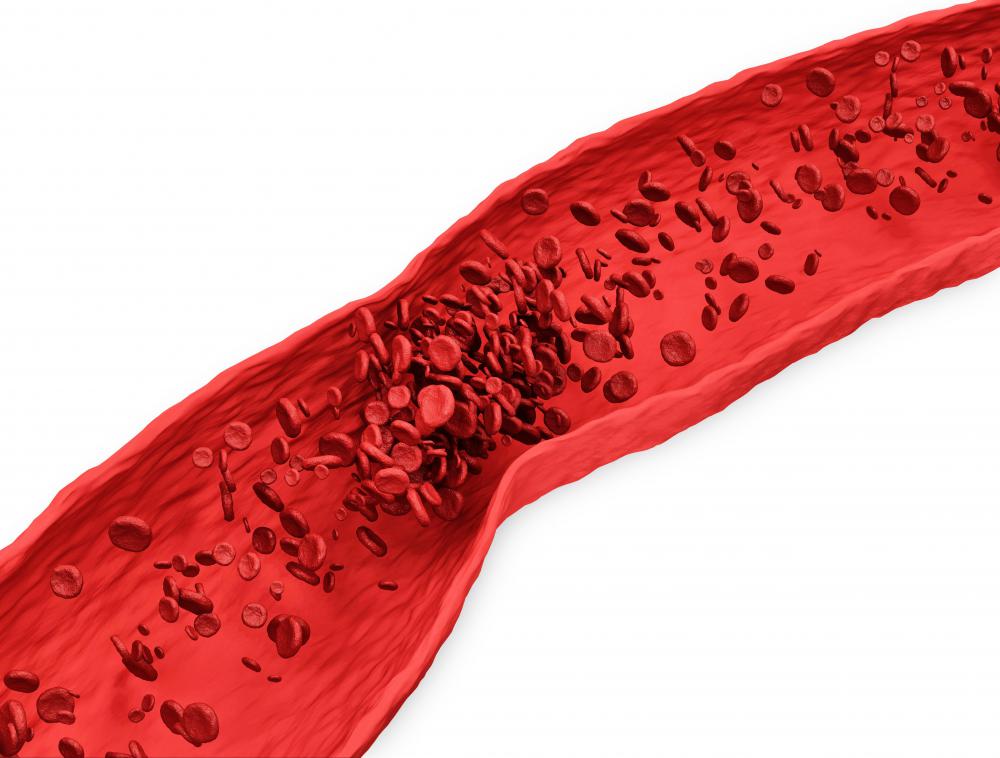
![A blood clot, also known as a thrombus, is the result of several blood cells lumping together.]() By: clearviewstockA blood clot, also known as a thrombus, is the result of several blood cells lumping together.
By: clearviewstockA blood clot, also known as a thrombus, is the result of several blood cells lumping together. -
![Swelling and numbness are symptoms of a blood clot in the foot.]() By: Mercedes FittipaldiSwelling and numbness are symptoms of a blood clot in the foot.
By: Mercedes FittipaldiSwelling and numbness are symptoms of a blood clot in the foot. -
![Most arteries carry oxygenated blood, while most veins carry deoxygenated blood.]() By: stockshoppeMost arteries carry oxygenated blood, while most veins carry deoxygenated blood.
By: stockshoppeMost arteries carry oxygenated blood, while most veins carry deoxygenated blood. -
![Early detection and resolution of a blood clot in the foot is vital.]() By: p6m5Early detection and resolution of a blood clot in the foot is vital.
By: p6m5Early detection and resolution of a blood clot in the foot is vital.




Discussion Comments
I'm 70 and have neuropathy in both feet. Non diabetic and no BP issues. I got out of bed last Thursday (today being Mon) with my foot and leg asleep. I fell right to the floor. I was twisting the left foot side of my foot. I iced it and monitored it. I can bear weight somewhat, but the pain is worse every day. I can’t even touch the top or side of my foot. I have some discoloration and bruising on the side of my foot.
Swollen feet and legs can be a symptom of poor blood circulation in the legs and feet, which results in accumulation of blood in legs and feet, thus leading to higher blood pressure.
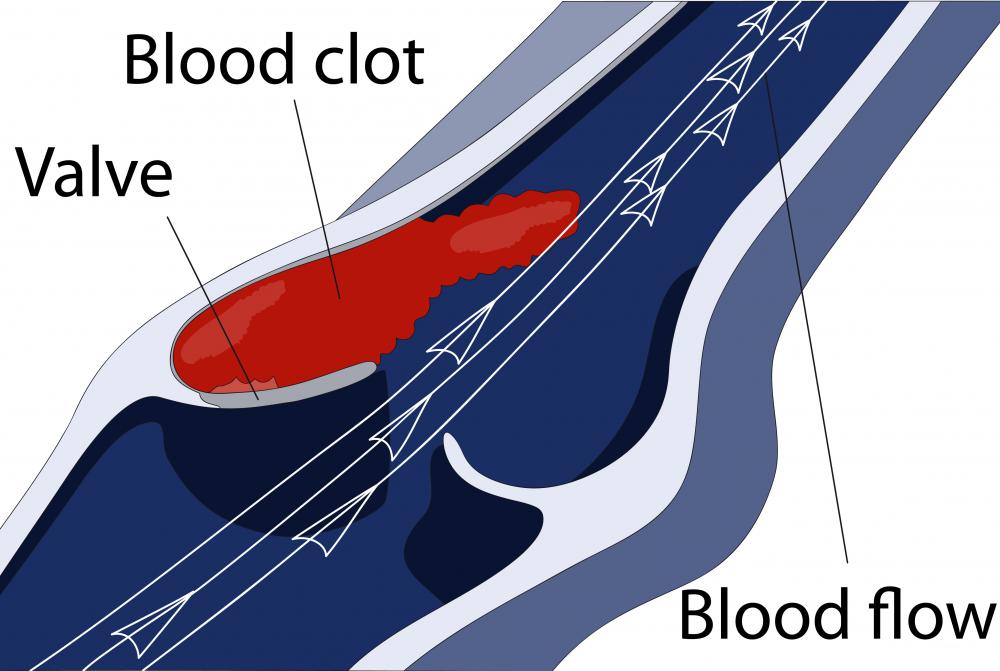
Poor blood circulation in legs is often caused by weakening of valves, thus leading to backflow of blood and retention of blood in legs. So, to prevent against swelling of feet and poor blood circulation in legs, use suitable pair of graduated compression socks with the right pressure applied. Excessive pressure causes discomfort while too low a pressure has little or minimal effect.
Post your comments