
At WiseGEEK, we're committed to delivering accurate, trustworthy information. Our expert-authored content is rigorously fact-checked and sourced from credible authorities. Discover how we uphold the highest standards in providing you with reliable knowledge.
What are the Signs of Needing More Fiber in my Diet?
 Tricia Christensen
Tricia Christensen
Tricia Christensen
One of the biggest signs that you need more fiber in your diet is your nationality. Most Americans eat about 14 grams a day, several grams short of the optimal 25 grams per day. So chances are, if you’re an American reading this article, you aren’t getting enough.
Another sign that you may need more fiber or roughage can be found by reading the labels of the foods you normally consume. You are looking for measurements of dietary fiber. Also look for words like "whole grains," and beware carbohydrate measurements that are high, compared to low fiber measurements. Breads should be whole grains, and you should have lots of fruit and vegetables (yes, the green kinds) in your home. If you’re not eating at least five servings of fruit and vegetables per day, and consuming carbohydrates made mostly of dietary fiber, you need more.

Because Americans and many in Western cultures often need more roughage, they have a host of medical conditions. For example, excess flatulence, frequent stomach upsets, and constipation are all good indications that more is needed. Conditions like irritable bowel syndrome (IBS), also called spastic colon, chronic bouts of diarrhea, and diverticulitis can all be alleviated by consuming more fiber. People with hemorrhoids often have less trouble when consuming higher amounts, which helps soften bowel movements, providing greater comfort and fewer irritations.

Consuming more dietary fiber may also help other conditions like diabetes. Unlike carbohydrates that come from sources like white flour, multi-grains tend to help regulate blood sugar levels. Some people are able to successfully treat diabetes by eating dietary fiber-rich diets alone. Others can significantly improve their condition by consuming more fiber.

If you have high cholesterol, you should also assume you’re not getting enough roughage. Foods like oats, beans, apples, barley and carrots have all been shown to reduce cholesterol levels. If your cholesterol is high, try keeping more of these foods in your diet on a consistent basis.
If you feel hungry a couple hours after eating, you may also not be getting enough fiber. It contributes to a feeling of fullness in the stomach, while sugar-based carbohydrates are quickly used by the body. If you’re having trouble with snacking in between meals, make main meals that are rich in fiber.

People on high protein diets rarely get adequate amounts of fiber. Studies do show that carbohydrate-based diets with lots of whole grains tend to be equally as effective and contribute to overall better health. Consider switching to a high fiber diet, and you may find yourself better satisfied with what you’re eating, while still losing weight.
Many other symptoms can suggest greater fiber intake, but most food experts warn one not to increase roughage too much in the first few weeks of a new diet. This can lead to too many bowel movements. Especially if you decide to take a supplement, start slow so your body adjusts to greater levels of fiber. However, within a month, your body should be ready to accept the amount your body needs.
Tricia Christensen
Tricia has a Literature degree from Sonoma State University and has been a frequent WiseGEEK contributor for many years. She is especially passionate about reading and writing, although her other interests include medicine, art, film, history, politics, ethics, and religion. Tricia lives in Northern California and is currently working on her first novel.
Learn more...
Tricia Christensen
Tricia has a Literature degree from Sonoma State University and has been a frequent WiseGEEK contributor for many years. She is especially passionate about reading and writing, although her other interests include medicine, art, film, history, politics, ethics, and religion. Tricia lives in Northern California and is currently working on her first novel.
Learn more...AS FEATURED ON:
AS FEATURED ON:









-
![Barley is high in fiber.]()
Barley is high in fiber. -
![Fruits and vegetables are excellent sources of roughage.]() By: Serghei VelusceacFruits and vegetables are excellent sources of roughage.
By: Serghei VelusceacFruits and vegetables are excellent sources of roughage. -
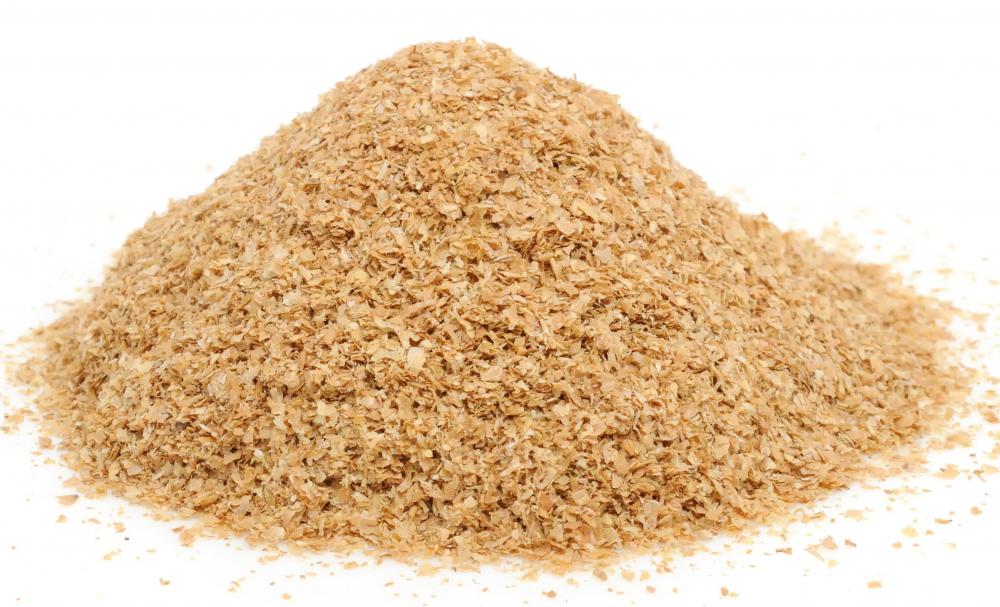
![Wheat bran, which is high in fiber.]() By: VidadyWheat bran, which is high in fiber.
By: VidadyWheat bran, which is high in fiber. -
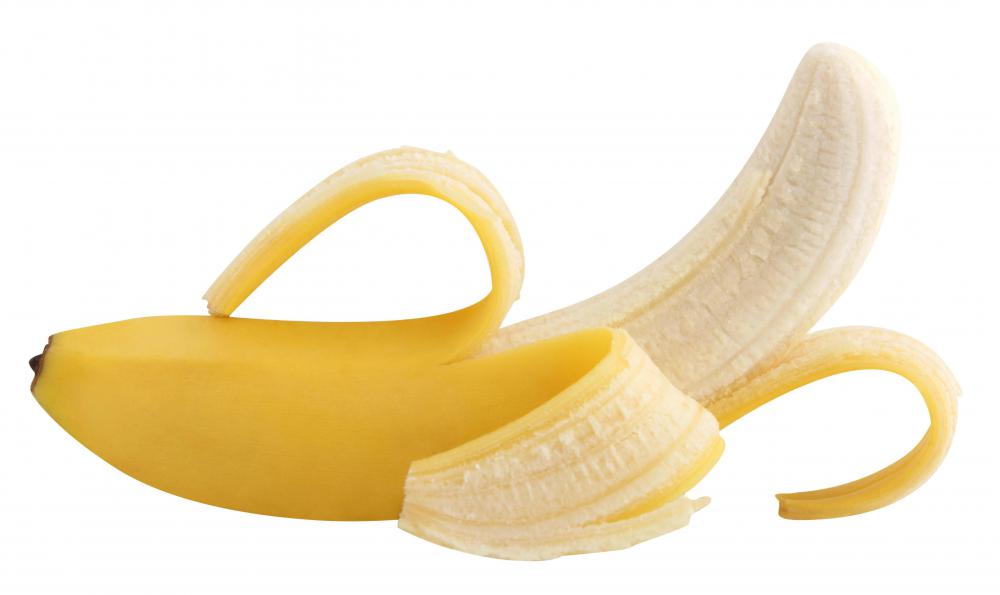
![Bananas contain a lot of soluble fiber.]() By: aris sanjayaBananas contain a lot of soluble fiber.
By: aris sanjayaBananas contain a lot of soluble fiber. -
![Apples, like this Red Delicious, are a good source of fiber and vitamin C.]() By: denphumiApples, like this Red Delicious, are a good source of fiber and vitamin C.
By: denphumiApples, like this Red Delicious, are a good source of fiber and vitamin C. -
![Substituting whole grain breads for white bread can add fiber to the diet.]() By: IrochkaSubstituting whole grain breads for white bread can add fiber to the diet.
By: IrochkaSubstituting whole grain breads for white bread can add fiber to the diet. -
![Carefully reading food labels can help to identify high fiber items in the grocery store.]() By: KadmyCarefully reading food labels can help to identify high fiber items in the grocery store.
By: KadmyCarefully reading food labels can help to identify high fiber items in the grocery store. -
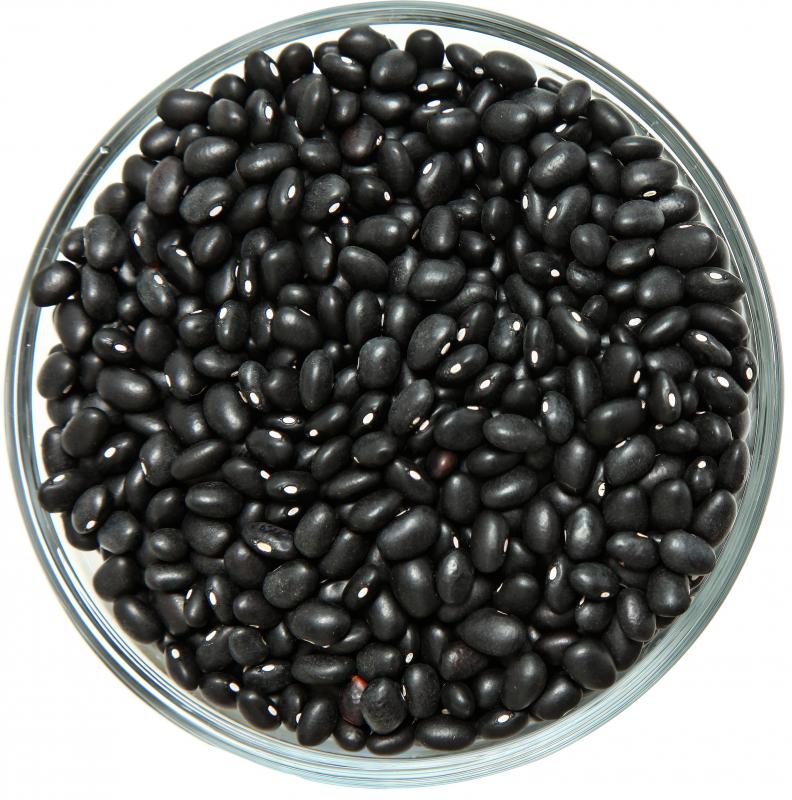
![Beans, including black beans, are good sources of dietary fiber.]() By: Jaimie DuplassBeans, including black beans, are good sources of dietary fiber.
By: Jaimie DuplassBeans, including black beans, are good sources of dietary fiber. -
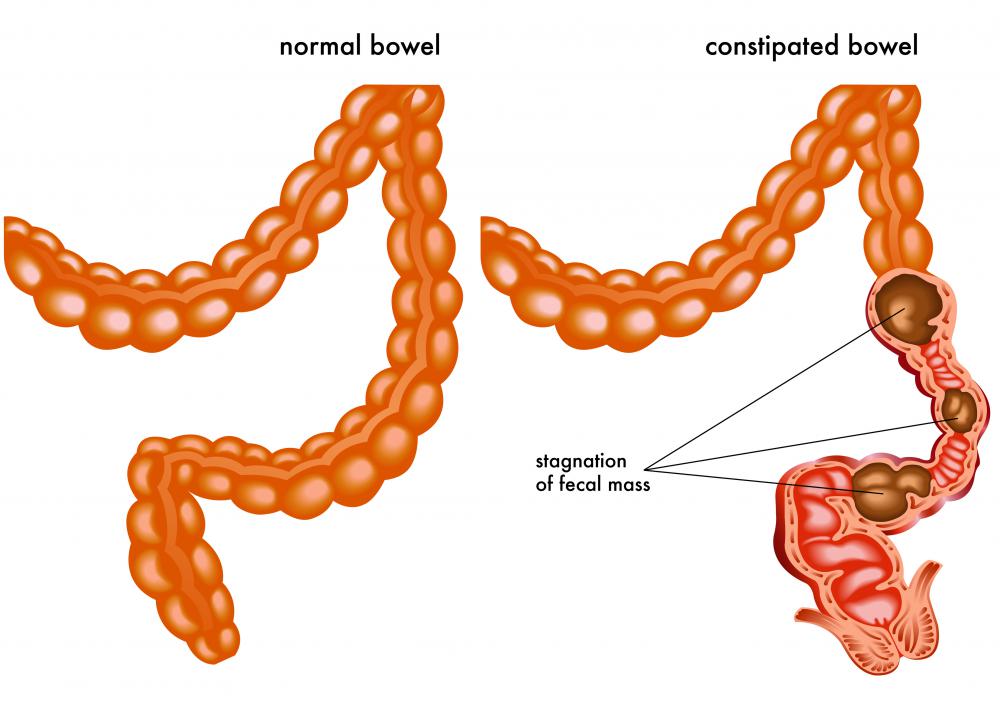
![Constipation is a common sign that one's diet may need more fiber.]() By: rob3000Constipation is a common sign that one's diet may need more fiber.
By: rob3000Constipation is a common sign that one's diet may need more fiber.




Discussion Comments
Crispety- I agree with you. I also agree that foods rich in fiber also regulate blood sugar. One of the best foods to regulate blood sugar is beans.
Beans not only cause you to feel fuller longer, but they tend to take away cravings for sweets. Beans are a great food for diabetics and for those watching their weight.
Great information- I just want to add that constipation is probably the biggest indicator that you need more fiber in your diet.
Eating at least 24 grams of fiber on a daily basis will not allow you to develop constipation because consumption of fiber not only causes more bowel movements it the bowel movements as well.
Post your comments