
At WiseGEEK, we're committed to delivering accurate, trustworthy information. Our expert-authored content is rigorously fact-checked and sourced from credible authorities. Discover how we uphold the highest standards in providing you with reliable knowledge.
What are the Signs of Heroin Abuse?
Heroin is a dangerous and incredibly addictive illegal substance that is synthetically produced from morphine. Users frequently become dependent on the substance, sometimes after just one experience, and suffer excruciating physical and psychological withdrawal symptoms when the drug is not available. There are many telling signs of heroin abuse, which are made apparent when an individual is actively using the drug, has been abusing it for a long time, or is experiencing physical withdrawal. Short-term symptoms include nausea, confusion, and slowed breathing, while long-term use can result in general addiction symptoms, such as relying on the drug to function. Withdrawal can bring intense physical pain, tremors, and fever.
Short-term heroin abuse results in obvious physical symptoms, such as nausea and vomiting, dry mouth, difficulties with speech and mental processing, and slowed respiratory rates. Heroin brings an immediate feeling of euphoria and a release from pain, which virtually ceases the mind and body's ability to function properly. As the intense initial rush subsides, users may start feeling sick as their bodies try to reject the drug. Many individuals are unable to think clearly or engage in meaningful conversation with others.

Research shows that a large proportion of people who experiment with heroin quickly become addicted. Addiction entails developing both a dependence on the drug and increased tolerance levels. Individuals experience physical and mental dependence to the point that their entire lives become consumed with obtaining and using the drug. Ever-increasing tolerance levels means that larger amounts of heroin are needed to produce the same results. As people use the drug more frequently and in larger quantities, the risk of overdose and death increase almost exponentially.

When an addicted person does not have access to the drug, he or she usually experiences severe psychological and physical withdrawal. Years of heroin abuse leave an individual's central nervous system completely reliant on the drug, and serious physical symptoms manifest within two days of abstinence. People often experience insomnia, cold flashes, fever, vomiting, and intense pain in the muscles and bones. Most physical withdrawal signs of heroin abuse can take up to four days to fully subside, but psychological cravings can persist for years.

There are many treatment options available to persons suffering from heroin abuse. Active users may need to undergo medical detoxification procedures to flush the drug from their bodies and begin the recovery process. Medications such as methadone and Valium® are commonly prescribed to ease the physical withdrawal symptoms of heroin. Clinical counseling sessions, group therapy, and inpatient substance abuse rehabilitation centers can help individuals regain control over their bodies and learn to live meaningful, productive lives without relying on drugs.
AS FEATURED ON:
AS FEATURED ON:









-
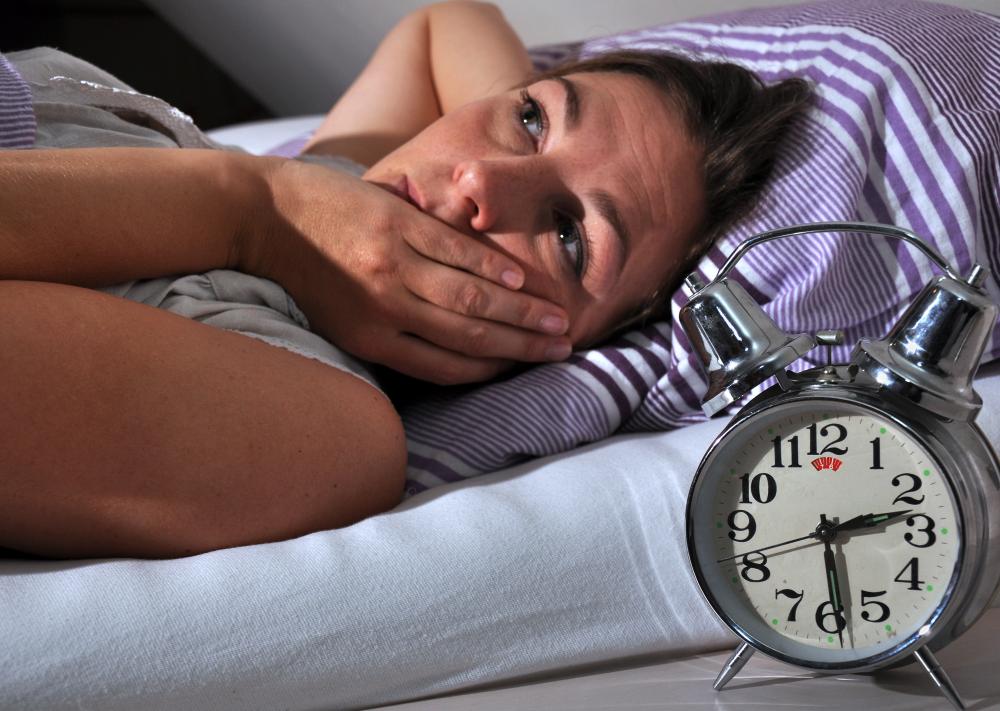
![Signs of heroin abuse may include confusion and slowed breathing.]() By: Focus Pocus LTDSigns of heroin abuse may include confusion and slowed breathing.
By: Focus Pocus LTDSigns of heroin abuse may include confusion and slowed breathing. -
![Withdrawal symptoms of heroin may include fever and pain.]() By: Daria FiliminovaWithdrawal symptoms of heroin may include fever and pain.
By: Daria FiliminovaWithdrawal symptoms of heroin may include fever and pain. -
![Heroin withdrawal symptoms may include insomnia.]() By: Dan RaceHeroin withdrawal symptoms may include insomnia.
By: Dan RaceHeroin withdrawal symptoms may include insomnia. -
![Common symptoms of heroin withdrawal include nausea and vomiting.]() By: jedi-masterCommon symptoms of heroin withdrawal include nausea and vomiting.
By: jedi-masterCommon symptoms of heroin withdrawal include nausea and vomiting. -
![A person addicted to heroin may scratch excessively during the withdrawal process.]() By: Piotr MarcinskiA person addicted to heroin may scratch excessively during the withdrawal process.
By: Piotr MarcinskiA person addicted to heroin may scratch excessively during the withdrawal process. -
![Heroin is extremely addictive whether it's smoked, snorted or injected.]() By: palangsiHeroin is extremely addictive whether it's smoked, snorted or injected.
By: palangsiHeroin is extremely addictive whether it's smoked, snorted or injected. -
![Heroin is typically melted and injected into the body, in which case needle marks may be a sign of a heroin addiction.]() By: arska nHeroin is typically melted and injected into the body, in which case needle marks may be a sign of a heroin addiction.
By: arska nHeroin is typically melted and injected into the body, in which case needle marks may be a sign of a heroin addiction. -
![Heroine abuse treatment typically involves detox and counseling.]() By: Monkey BusinessHeroine abuse treatment typically involves detox and counseling.
By: Monkey BusinessHeroine abuse treatment typically involves detox and counseling.




Discussion Comments
First off here are signs that a web md page will not tell you. If you see Q tips, or fuzz of it on carpet, a lot of it, burned foil for smoking, spoons -- even bent, bottle caps, water, water bottles everywhere in a room, stamp mags, or wax bags, neosporin, bandaids, vitamin e oil, lotion, lotion itching, picking the face, up all night, light sensitivity. Wearing baggy clothes is also common to hide weight loss, not wearing sunglasses all the time, sleeping during the day, massive mood swings. talking very fast then later on very slow, slurred speech like being drunk but not stumbling.
Is acne a sign that someone is still using heroin?
I started dating my ex heroin addict boyfriend who had been clean for eight years. However, he has got to get drunk one or two times per week, keeps cotton swabs under his bathroom sink, always goes to bed after me without reason, acts bizarre when drunk (been blaming it on pot), acts restless, mood swings, the list goes on and has driven me mad to the point where I said stay out of my life. He has made me crazy. I don't think this is just because of alcohol. I think he is using at night before bed. Any thoughts on this?
I found three tar like stains on my son's comforter. At first, I thought it was dirt or fudge from ice cream that he had ate the night before, but when I touched it, it was gooey and tar like. I have suspected that he might be on something, but I haven't witnessed the "nodding" off types of behavior's that people describe. Tired, but not nodding off.
I tried to smell the substance but it did not have any smell, so I put my tongue on the black spot, thinking that if it tasted like chocolate, I'd know what it was. Well, it didn't really have a taste, but my tongue and gum line on bottom teeth went completely numb for about three hours. Does black tar heroin make your mouth, tongue or gums go numb when tasted? It was only one lick and it was just a smudge on his comforter. What else could cause this?
I found a wad of crumpled, burned foil and a lighter. I have a family member that I know is a user. Is there some way to tell how recently this foil was used to cook drugs?
Dear WiseGEEKS- I think that my friend is becoming or has become a heroin addict. He is displaying emotional symptoms of someone dependent on some kind of stimulus to be happy. I also see her much less than I used too. She has also begun to break out in rashes or sores similar to acne. When we do hang out, she often falls asleep and occasionally will slur her speech. She's always taking bathroom breaks too.
I have tried to talk to her about what is going on, but she just denies that anything is wrong and changes the subject. I don't know what to say, or how to approach the situation. I think she needs heroin or painkiller abuse treatment, but I don't want to just come out and call her an addict. She has no family in the area, and I don't know most of her other friends. What should I do?
I have a number of addicts in my fiancée’s family, and mine and I used to work at a youth center for at risk teens, so I have a lot of experience with identifying signs and symptoms of abuse for heroin and other drugs. Heroin addicts can be very good at hiding drug addiction from family and friends. Addicts are actually the number one expert in their drug of choice and the symptoms associated with that drug. I find that most of the early telltale signs are in their actions rather than their appearance.
Heroin abuse symptoms can be seen in an increased appetite for risk, compromised decision-making skills, and an onset of explosive behavior, a reduction in social interactions, and a penchant for becoming emotionally upset with people. It begins to resemble some types of depression, as the seratonin and dopamine in the person’s brain become depleted. Usually when you begin to notice symptoms like nodding off, dark circles, malnourishment, excess sweating, and increased instances of illness, the addiction is full blown, and has been for a while.
Another distinctive and somewhat iconic symptom of heroin abuse or addiction is dark under-eye circles. There may be a number of reasons for this. This symptom most often occurs in conjunction with iron deficiency. If the addict has been ignoring proper nutrition in pursuit of saving money for heroin, they may show this symptom. A lack of sleep also tends to cause this symptom. Eye circles usually accompany a “gaunt”, skeletal look. I’ve known a few people that have gone through heroin addiction and they all ended up looking like this until they recovered.
Post your comments