
At TheHealthBoard, we're committed to delivering accurate, trustworthy information. Our expert-authored content is rigorously fact-checked and sourced from credible authorities. Discover how we uphold the highest standards in providing you with reliable knowledge.
What Are the Signs of an Allergic Reaction in the Mouth?
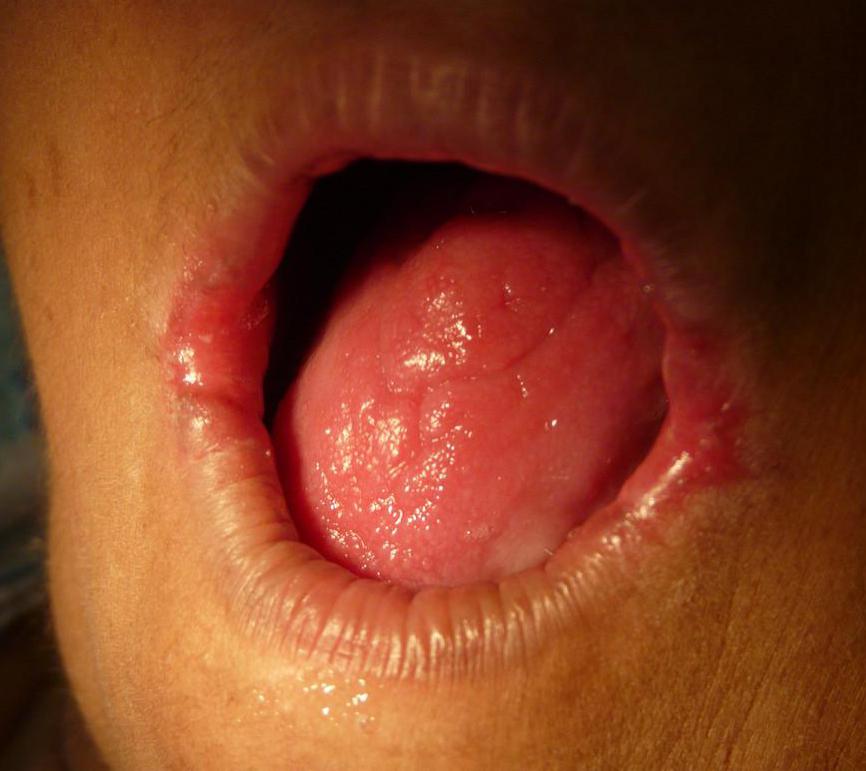
An allergic reaction in the mouth can stem from a wide range of causes, from certain foods to the use of specific medications. Signs of an allergic reaction often are present in the mouth and tongue and also can even reach the throat. The often include a rash, itching, sores, and swelling. Any person who experiences these symptoms should be a medical professional because, in severe cases, they could be life threatening.
Food allergies can cause problems in the mouth, including rashes and itching when certain food items come into contact with an individual’s mouth or lips. Called oral allergy syndrome, these mouth symptoms typically appear in people who are allergic to substances such as ragweed, grass, or birch tree pollens — pollens also commonly found in certain fresh produce such as apples and melons. A reaction such as itching usually starts a couple hours after a person eats an allergy-causing food item.

Canker sores also can be signs of oral allergy issues. These types of sores indicate an allergic reaction in the category of gastrointestinal allergic reactions to food, which additionally includes irritation of the tongue. Sores usually appear in groups, although a sole canker sore could develop on a person’s gum tissue. These sores are shallow and painful.

Mouth sores can also indicate an allergic oral condition known as lichen planus. Lichen planus is a white fungal mouth rash that appears on the tongue, gums, and cheeks in the form of dots and lines and can cause pain. When a person attempts to wipe this white substance off, he or she could uncover bleeding gum tissue. Causes of lichen planus include toothpastes, tooth filling materials, and medicines. Chewing gum and candy also are linked to this type of allergic reaction.

A swollen tongue also can be an indication of an allergic reaction to a drug. Medications, including naproxen, ibuprofen, and aspirin, might cause the tongue to swell, which essentially is the body’s defense mechanism to deal with injury. A drug used to address high blood pressure, known as an angiotensin-converting enzyme inhibitor, can also cause swelling. People who are allergic to bee stings are prone to swelling of the tongue, lips, and throat, which can interfere with the individual's ability to breathe.
AS FEATURED ON:
AS FEATURED ON:


-
![EpiPens are used in the treatment of severe allergic reactions.]() By: Greg FrieseEpiPens are used in the treatment of severe allergic reactions.
By: Greg FrieseEpiPens are used in the treatment of severe allergic reactions. -
![Signs of an allergic reaction are often present in the mouth, tongue and sometimes the throat.]() By: yanmingzhangSigns of an allergic reaction are often present in the mouth, tongue and sometimes the throat.
By: yanmingzhangSigns of an allergic reaction are often present in the mouth, tongue and sometimes the throat. -
![Certain food allergies can cause the mouth and lips to swell and become irritated.]() By: alex83chCertain food allergies can cause the mouth and lips to swell and become irritated.
By: alex83chCertain food allergies can cause the mouth and lips to swell and become irritated. -
![Signs of an allergic reaction may include a swollen tongue.]() By: Deyan GeorgievSigns of an allergic reaction may include a swollen tongue.
By: Deyan GeorgievSigns of an allergic reaction may include a swollen tongue. -
![Mouth sores can indicate an allergic reaction.]()
Mouth sores can indicate an allergic reaction.




Discussion Comments
I was needing to find information about toothpaste allergies, mainly if it was possible to have a lip allergy from toothpaste. I am trying to narrow down what I have been using that has been causing my lips to swell, burn, peel and have a red ridge around the bottom of my lips. I have been using Plus White with Xtra whitening agents. Could this be the problem?
Post your comments