
At TheHealthBoard, we're committed to delivering accurate, trustworthy information. Our expert-authored content is rigorously fact-checked and sourced from credible authorities. Discover how we uphold the highest standards in providing you with reliable knowledge.
What Are the Side Effects of Royal Jelly?
 Dee Saale
Dee Saale
Dee Saale
For years, royal jelly, a jelly-like secretion produced by bees, has been used as a treatment for dozens of ailments. Some of the side effects of royal jelly include allergic reactions that could cause rashes or hives, or even lead to death. Research has not been able to show that the jelly actually works to treat any ailments, creating potentially dangerous false hopes by people affected by some illnesses. It also can become contaminated with a wide range of chemicals and bacteria.
One of the main potential royal jelly side effects is an allergic reaction. In many cases, the reaction is predicated by a person's allergy to certain pollens. If the reaction is mild, a person may only have difficulty breathing or develop hives. A more severe reaction, however, could lead to anaphylactic shock, which can be fatal.
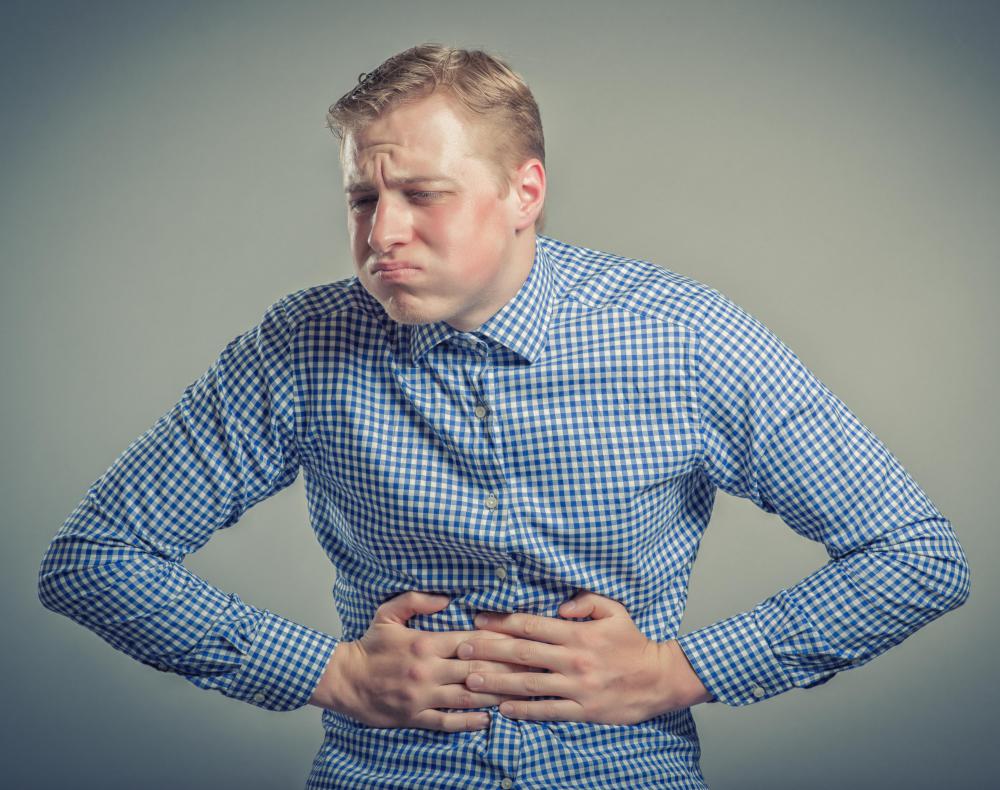
Some people also experience gastrointestinal reactions, including abdominal pain and, in some cases, bleeding in the colon. As a result, the person also may experience bloody diarrhea.

Reports have indicated that some side effects of royal jelly may be experienced if it is applied directly to the skin. Lotions that contain this ingredient might cause a skin rash. In addition, if a person suffers from a skin ailment, such as dermatitis, royal jelly may increase inflammation.
People who tout the benefits of royal jelly believe that it will improve athletic performance, fight aging, increase the metabolism, prevent allergies, fight infections, and reduce the likelihood of cancer. These claims have not been backed up by scientific research, so individuals who use it may be relying on a homeopathic remedy that might not work. This reliance could be dangerous, particularly if it is used to fight infection or cancer instead of seeking medical treatment.
In addition, since royal jelly is processed and sold commercially, there have been issues regarding contamination of the products. Even if a person isn't negatively affected by royal jelly, he might experience side effects from the contaminants.

Because the side effects of royal jelly are still being studied, it is important that women who are pregnant or nursing do not use the product or products containing it. In addition, people with certain conditions, such as breast cancer, should avoid this substance, as it mimics estrogen. As with any homeopathic remedy, a medical professional should be consulted before using royal jelly.
Dee Saale
Dee is a freelance writer based in Colorado. She has a B.A. in English Literature, as well as a law degree. Dee is especially interested in topics relating to medicine, legal issues, and home improvement, which are her specialty when contributing to TheHealthBoard.
Learn more...
Dee Saale
Dee is a freelance writer based in Colorado. She has a B.A. in English Literature, as well as a law degree. Dee is especially interested in topics relating to medicine, legal issues, and home improvement, which are her specialty when contributing to TheHealthBoard.
Learn more...AS FEATURED ON:
AS FEATURED ON:


-
![Royal jelly, commonly available in supplement form, has not been proven to have any beneficial health effects.]() By: aidaricciRoyal jelly, commonly available in supplement form, has not been proven to have any beneficial health effects.
By: aidaricciRoyal jelly, commonly available in supplement form, has not been proven to have any beneficial health effects. -
![Some people may go into anaphylaxis after contact with royal jelly, causing them to need emergency medical care.]() By: Monkey BusinessSome people may go into anaphylaxis after contact with royal jelly, causing them to need emergency medical care.
By: Monkey BusinessSome people may go into anaphylaxis after contact with royal jelly, causing them to need emergency medical care. -
![A medical professional should be consulted before using royal jelly.]() By: brankatekicA medical professional should be consulted before using royal jelly.
By: brankatekicA medical professional should be consulted before using royal jelly. -
![Hives may occur as a result of an allergic reaction.]() By: Rob ByronHives may occur as a result of an allergic reaction.
By: Rob ByronHives may occur as a result of an allergic reaction. -
![Royal jelly side effects may include difficulty breathing.]() By: Lisa F. YoungRoyal jelly side effects may include difficulty breathing.
By: Lisa F. YoungRoyal jelly side effects may include difficulty breathing. -
![Gastrointestinal reactions like abdominal pain are possible side effects of royal jelly.]() By: slasnyiGastrointestinal reactions like abdominal pain are possible side effects of royal jelly.
By: slasnyiGastrointestinal reactions like abdominal pain are possible side effects of royal jelly.




Discussion Comments
@literally45-- Yes, my dad has diabetes and he uses royal jelly.
Sometimes though, royal jelly is sold combined with honey. Honey is not allowed for diabetics because it raises blood sugar. So diabetics must take royal jelly without honey or sugar. My dad takes it in capsule form.
Also, everyone should make sure that the royal jelly supplement is pure and from a good manufacturer. Even small farms are producing their own royal jelly, bee pollen and propolis supplements nowadays. Every product on the market is not high quality and hygienic. If it's a poor quality product, it might be ineffective or it might cause digestive upset.
Can those with diabetes use royal jelly?
Those allergic to honey should obviously stay away from royal jelly. Aside from this though, I don't think that royal jelly has any negative side effects. I'm taking royal jelly, and the effects have all been positive for me.
I use royal jelly for fertility. I'm trying to get pregnant and I do not produce enough healthy eggs due to a hormonal imbalance. I am getting treatment but my doctor also recommended royal jelly as a supplement. I just had a check up and my hormone levels are improving! I think that the royal jelly is working.
Post your comments