
At TheHealthBoard, we're committed to delivering accurate, trustworthy information. Our expert-authored content is rigorously fact-checked and sourced from credible authorities. Discover how we uphold the highest standards in providing you with reliable knowledge.
What are the Most Common Causes of Dry Mouth and Sore Throat?
Dry mouth, technically called xerostomia, can be caused by a number of different things. Dry mouth and sore throat symptoms are often related, since a dry mouth frequently causes a sore throat. Some of the main causes of dry mouth include dehydration, medication, nerve damage, infection, and a person's everyday lifestyle.
Dehydration can be a direct effect of too much sweating, vomiting, diarrhea, burns, and blood loss. When too much liquid escapes from the body, the result is dehydration, which will, in turn, cause dry mouth symptoms. The only way to battle dehydration is to attempt to rehydrate the body. Severe dehydration can only be cured through intravenous liquid.

Some people may experience a dry mouth and sore throat as a result of everyday activity. People who smoke and drink excessively may experience dry mouth, as can people who breathe through their mouths regularly. These habits can be reversed by quitting smoking, decreasing one's intake of alcoholic beverages, and learning to breathe through the nose instead of the mouth.

Nerve damage can also cause a mouth and throat problems. When the neck or head has been affected by an accident or through surgery, a person may experience dry mouth regularly. Any person who believes that he or she has suffered nerve damage should seek medical attention immediately.
Various infections and diseases can cause a dry mouth and a sore throat as well. Diabetes, HIV, Alzheimer's disease, anemia, stroke, arthritis, and many other diseases may result in a dry mouth. When these diseases are properly controlled, this symptom often goes away. Those who have any of the aforementioned diseases should consult a medical professional if a dry mouth persists.

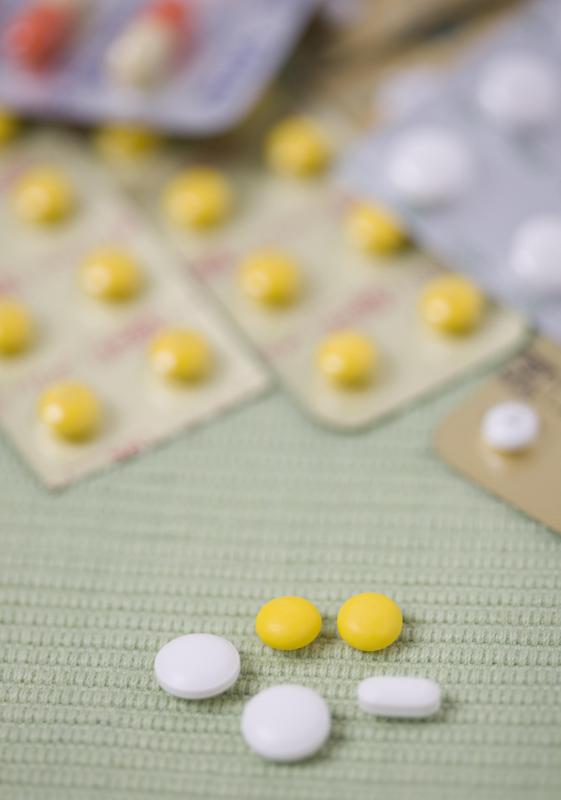
Sometimes, dryness of the mouth may be caused by medication. Allergy, depression, anxiety, acne, and asthma medications, amongst others, can all cause a dry mouth and sore throat. In most instances, a dry mouth is a normal reaction to a variety of medications. If the dryness is not associated with a medication, it is important to seek medical attention.

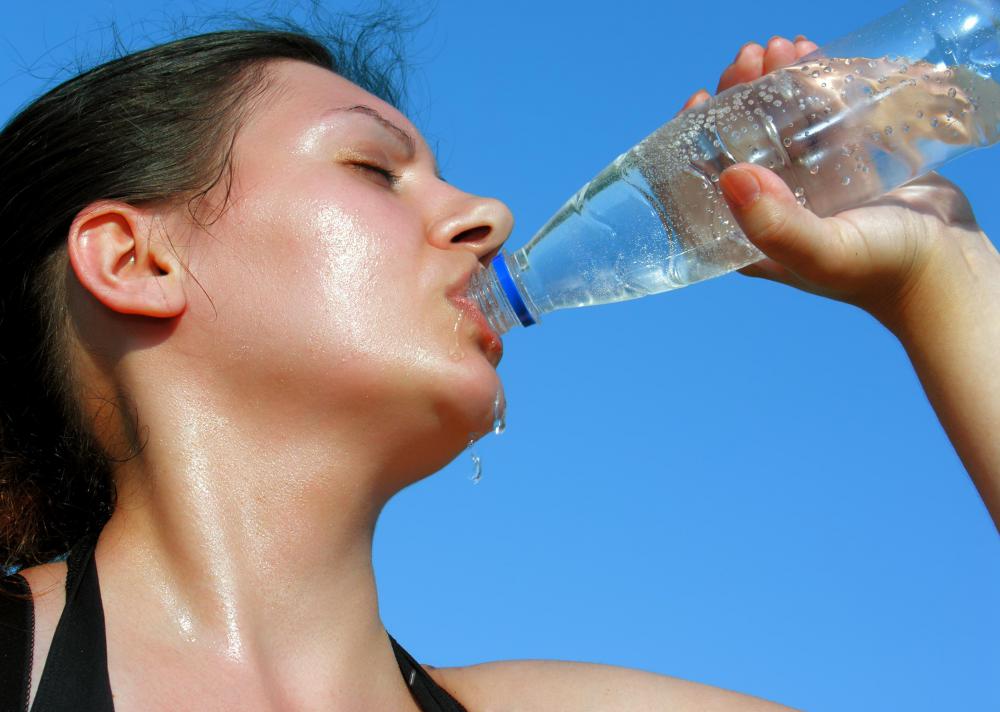
The best way to combat a mouth that is dry is to drink water. While consuming a lot of water may not get rid of dry mouth caused by medication or disease, hydrating oneself is the best way to eliminate temporary dryness. Soda, alcohol, and other liquids may not hydrate the body as well as water, and these drinks should be avoided if a person is feeling dehydrated.
AS FEATURED ON:
AS FEATURED ON:


-
![People who breathe through their mouths regularly may experience dry mouth and sore throat.]() By: RangzenPeople who breathe through their mouths regularly may experience dry mouth and sore throat.
By: RangzenPeople who breathe through their mouths regularly may experience dry mouth and sore throat. -
![Dehydration may cause dry mouth and sore throat.]() By: beerfanDehydration may cause dry mouth and sore throat.
By: beerfanDehydration may cause dry mouth and sore throat. -
![Nerve damage from an accident may cause mouth and throat problems.]() By: Monkey BusinessNerve damage from an accident may cause mouth and throat problems.
By: Monkey BusinessNerve damage from an accident may cause mouth and throat problems. -
![Diabetics may experience dry mouth frequently.]() By: zlikovecDiabetics may experience dry mouth frequently.
By: zlikovecDiabetics may experience dry mouth frequently. -
![Dry mouth and sore throat may be side effects of certain medications.]() By: moonriseDry mouth and sore throat may be side effects of certain medications.
By: moonriseDry mouth and sore throat may be side effects of certain medications. -
![Caffeinated beverages should be avoided if a person is experiencing dehydration.]() By: VoyagerixCaffeinated beverages should be avoided if a person is experiencing dehydration.
By: VoyagerixCaffeinated beverages should be avoided if a person is experiencing dehydration. -
![Drinking water may help relieve a dry mouth and sore throat.]() By: ElenathewiseDrinking water may help relieve a dry mouth and sore throat.
By: ElenathewiseDrinking water may help relieve a dry mouth and sore throat. -
![Infections may cause dry mouth and a sore throat.]() By: Artem FurmanInfections may cause dry mouth and a sore throat.
By: Artem FurmanInfections may cause dry mouth and a sore throat. -
![People who smoke and drink excessively may experience dry mouth.]() By: iofotoPeople who smoke and drink excessively may experience dry mouth.
By: iofotoPeople who smoke and drink excessively may experience dry mouth. -
![Some medicines used to treat schizophrenia may cause dry mouth.]() By: sebraSome medicines used to treat schizophrenia may cause dry mouth.
By: sebraSome medicines used to treat schizophrenia may cause dry mouth. -
![Nerve damage can cause mouth and throat problems.]() By: Dmitry NaumovNerve damage can cause mouth and throat problems.
By: Dmitry NaumovNerve damage can cause mouth and throat problems.







Discussion Comments
I've had dry mouth for three months and now I have a sore throat.
I get such a dry sore throat that it actually affects my breathing and cases my heart to speed up, after I get up my breathing and heart rate return to normal, but I am left with a sore throat for hours. I find water helps a little but not effective as I would like it to be.
The sore throat and the inability to breathe through the nose are just what I experienced when I endured a sinus infection. I had a dry nose and a dry throat, and it made me very uncomfortable.
I had mucus in there, but most of it had dried out, and it was just clinging to the insides of my nasal passages. I spent both night and day breathing through my mouth, which dried out terribly and became sore.
I started using a humidifier in my bedroom at night. I turned it on high, and it actually moisturized my sinuses and my throat. This was the only way I could get any relief.
@StarJo – I know how you feel. I also have a nearly constant post-nasal drip, and because my nose is so congested, I have to breathe through my mouth at night.
Unlike you, though, when I take antihistamines, they don't dry my mouth out. They actually help me breathe through my nose, so my mouth stays moisturized.
However, I don't like to be dependent on the drugs. So, I sometimes go without taking an antihistamine, but I always end up having to breathe through my mouth, and I get dry mouth in my sleep.
When I wake up, I'm usually choking because my throat is so dry. I have to drink a lot of water to rehydrate it, but once I get out of bed, it seems easier to breathe through my nose, and the dryness goes away.
Almost every time I get a dry mouth and sore throat, allergies are to blame. I suffer from them all year, but I probably get the most sore throats during the spring, when pollen runs rampant.
The allergens clog my sinuses, and mucus drips down into my throat constantly. I clear my throat often, which worsens the irritation. Before long, I have a sore throat that resembles the kind I get when I have a cold.
I take antihistamines to stop the drip, and they dry my throat out. I am able to sleep through the night because I can breathe through my nose, but it's almost like my throat misses the moisture from the drip!
I experience dry mouth symptoms as a side effect of the clinical study drug I'm taking to treat polycystic kidney disease. That is because this drug is designed to dehydrate my kidney cysts, so excessive thirst and urination are to be expected.
My study doctor told me that I should be sure to drink plenty of fluids to replace the ones I would be eliminating because of the drug. He warned me that I would probably have to start buying huge cases of bottled water, and he was right.
It seems that no matter how much I drink, I cannot get rid of the dryness in my mouth. So, I feel like I have a slight sore throat all the time, because I cannot hydrate it enough. It is a major drawback to this medication.
Post your comments