
At TheHealthBoard, we're committed to delivering accurate, trustworthy information. Our expert-authored content is rigorously fact-checked and sourced from credible authorities. Discover how we uphold the highest standards in providing you with reliable knowledge.
What are the Most Common Causes of Dry Mouth and Headache?
Common causes of a dry mouth and headache include dehydration, migraines, negative moods, and certain medications. Depending on the cause, other symptoms might occur as well; for example, dehydration causes a characteristic set of symptoms that can include dizziness and fatigue to. The cause is usually temporary, but someone who often has a dry mouth and headache might benefit from professional medical advice.
Dry mouth is caused by reduced saliva flow, and almost everyone will experience it at one time or another. It is not a disease in itself, but can be a symptom of illness. Headache is another commonly-reported complaint and can be a symptom of a disease or an ailment on its own.
Dehydration

One of the most frequent causes of this combination of symptoms is dehydration, making water consumption a good first step for a person who experiences them. Other symptoms that can occur with dehydration include decreased urine output, tiredness, dizziness, and negative moods such as irritability. Dehydration is common after physical activity, alcohol consumption, exposure to hot or dry environments, and episodes of diarrhea or vomiting. Additional causes and risk factors include high blood sugar, rapid weight loss, and an electrolyte imbalance.

Untreated dehydration is a serious medical condition. Symptoms such as rapid heartbeat and breathing, high body temperature, wrinkled skin, extreme lethargy, fainting, seizures, and delirium are typical signs of severe dehydration. A person with these symptoms requires immediate medical treatment to prevent consequences that can include permanent brain damage and death.
Heat Exhaustion

Heat exhaustion develops when the body overheats, and it can occur with or without dehydration. Children and older people, as well as those with heart disease or hypertension, have an increased risk of this condition. In addition to dry mouth and headache, symptoms can include fatigue, nausea, vomiting, dizziness, sweating, fainting, and muscle cramps. At-home treatments, such as a cold shower or bath, cold non-alcoholic and non-caffeinated drinks, or the application of ice on the neck, can help alleviate the symptoms. As with dehydration, this illness is potentially fatal. Someone with heat exhaustion should seek medical treatment if there is no improvement within 30 minutes of at-home treatment.
Medications

A wide variety of medications, including those prescribed for treating pain, depression, insomnia, anxiety, allergies, and colds, cause a headache and dry mouth in some people. Drugs that cause this problem do so because they affect the salivary glands and reduce their output. Headache is a less common symptom, but dry mouth and headache do sometimes occur together. Individuals who have this reaction can often find some relief by sipping water frequently, sucking on ice cubes or chips, chewing gum, and cutting down on caffeine.
Mood-Related Causes

Stress and anxiety can cause many physical symptoms. Muscle tension, digestive problems, rapid breathing and heart rate, dizziness, shaking, and fatigue can all accompany the dry mouth and headache combination. For most people, these physical effects occur only in moments of extreme stress, but for some, they are symptoms of a mental illness such as panic disorder, generalized anxiety disorder, or social phobia, and consistently interfere with a person’s ability to function normally. People with these types of disorders typically benefit from medication and therapy, both of which can help alleviate the physical and mental symptoms.
Migraines

A migraine is a particular type of headache characterized by moderate to severe throbbing pain that can occur on one or both sides of the head. Sensitivity to light, nausea, vomiting, and a visual phenomenon called an aura are associated with this condition. For some people, a dry mouth is a common feature of this type of headache, either before, during, or afterwards. Migraines are a chronic condition for which there is no cure, but many people who experience them can gain relief with pain medication and drugs that reduce the frequency of episodes.
Persistent Symptoms
With the exception of some migraines, most headaches can be treated with over-the-counter medicines such as aspirin, acetaminophen, or ibuprofen; however, long-term use can actually make the problem worse. Rebound headaches are frequently the result of overuse of headache medication, potentially leading to physical dependence to keep pain at bay. A person who is using these drugs more than two to three times a week might therefore benefit more from learning what caused the original symptoms, so that he or she might avoid the triggering circumstances.
Persistent symptoms can sometimes be prevented with medication or lifestyle changes. For example, episodes of dehydration can often be avoided by increasing water intake at vulnerable times, while a person who is susceptible to migraines might be able to reduce the frequency and severity of attacks by avoiding known triggers. A person who is taking medication to treat a mood disorder, such as depression or anxiety, might find that a healthcare professional can suggest alternatives that do not cause these side effects.
AS FEATURED ON:
AS FEATURED ON:


-
![Drinking too much alcohol can cause a headache.]() By: Jasmin MerdanDrinking too much alcohol can cause a headache.
By: Jasmin MerdanDrinking too much alcohol can cause a headache. -
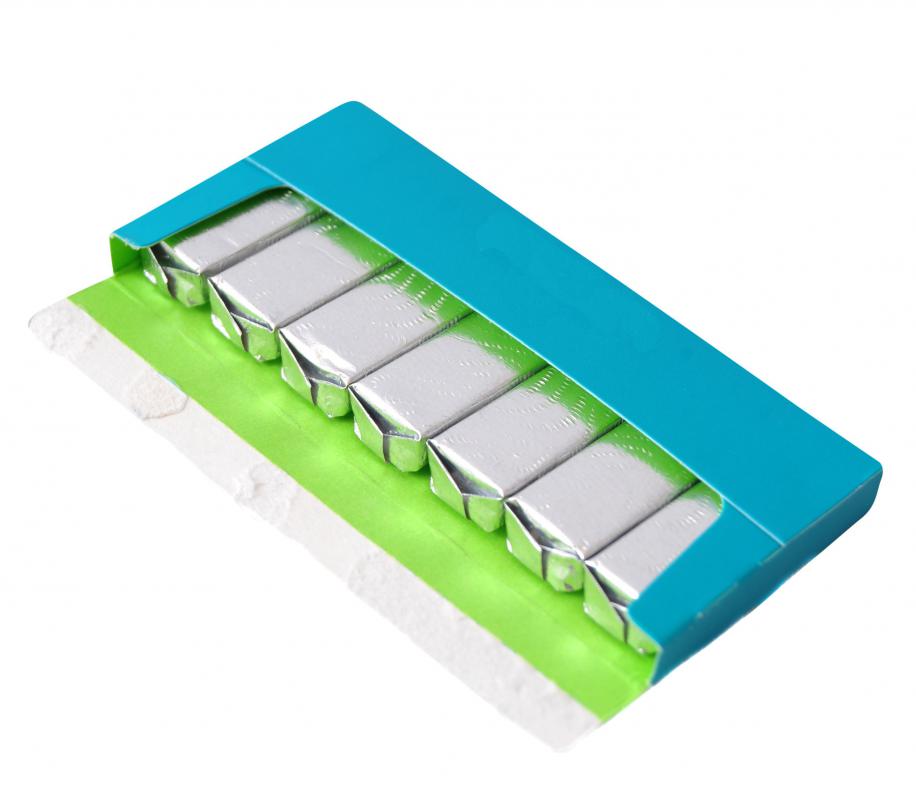
![Chewing gum can sometimes help with a dry mouth and headache.]() By: vlorzorChewing gum can sometimes help with a dry mouth and headache.
By: vlorzorChewing gum can sometimes help with a dry mouth and headache. -
![Drinking water can help with dry mouth and a headache.]() By: zirconicussoDrinking water can help with dry mouth and a headache.
By: zirconicussoDrinking water can help with dry mouth and a headache. -
![Sucking on ice cubes can help with dry mouth and headache symptoms.]() By: volffSucking on ice cubes can help with dry mouth and headache symptoms.
By: volffSucking on ice cubes can help with dry mouth and headache symptoms. -
![Dry mouth and headache can occur when a person is at threat of suffering from heat exhaustion.]() By: roboriginalDry mouth and headache can occur when a person is at threat of suffering from heat exhaustion.
By: roboriginalDry mouth and headache can occur when a person is at threat of suffering from heat exhaustion. -
![Common symptoms of dehydration include headaches, dizziness and fatigue.]() By: Andy DeanCommon symptoms of dehydration include headaches, dizziness and fatigue.
By: Andy DeanCommon symptoms of dehydration include headaches, dizziness and fatigue.




Discussion Comments
Probably the most well known cause of dry mouth, headache, and sometimes vomiting is a hangover. What is probably less understood is the fact a hangover is a combination of ailments. Hangovers are caused by dehydration, nutrient and mineral depletion, and blood thinning, and other factors.
The best measure for a hangover is a preventative measure. Eat something before you drink, snack on something light and starchy while you drink, and have a little snack after you drink. In addition, stay hydrated, drinking water between drinks and after drinks.
If you still have a hangover when you wake up, replenish vitamin C, eat something to absorb the alcohol in your system, drink something bitter to settle your stomach (like coffee), and eat a banana. The banana contains large amounts of easily absorbed magnesium that will help ease the pounding headache associated with a hangover.
An interesting and little known severe headache and dry mouth cause is, of all things, anchovy poisoning. During the summer months, anchovies harvested from waters surrounding Africa and the Caribbean as well as anchovies harvested from the Indian and Pacific Oceans can contain a deadly toxin called clupeotoxin.
The toxin is not destroyed after cooking the anchovy and about half of all cases end in death. Other symptoms include nausea, vomiting, dizziness, and a metallic taste. These symptoms result in complications such as seizures, coma, paralysis, and death.
Little is known about the toxin, and there is no known cure for clupeotoxin poisoning. The only treatment for anchovy poisoning is decontamination (forced vomiting and hydration) as well as symptomatic and supportive care.
If you have persistent headaches, visit a doctor. Persistent headaches and nosebleeds are a sign of hypertension (high blood pressure). This can be caused by a combination of factors, most of which involve lifestyle choices, but hypertension left unchecked can lead to strokes and heart attacks.
Post your comments