
At TheHealthBoard, we're committed to delivering accurate, trustworthy information. Our expert-authored content is rigorously fact-checked and sourced from credible authorities. Discover how we uphold the highest standards in providing you with reliable knowledge.
What are the Most Common Causes of Chills and Sweats?
 Nicole Madison
Nicole Madison
Nicole Madison
There are many conditions that may lead to chills and sweats, and one of the most common is a bacterial or viral infection. Likewise, a person may develop these symptoms when he has a serious type of medical condition or disease, such as a type of cancer called lymphoma. Hormonal fluctuations, such as those experienced during menopause or as a result of a thyroid disorder, may also cause them.
When a person has a fever, which is often caused by an infection of some kind, it is frequently accompanied by chills and sweating. Someone who has the flu or a gastrointestinal illness that is caused by a virus, for example, may experience these symptoms. Bacterial pneumonia, strep throat, or even bacterial infections that affect the urinary tract may cause them as well.

Sometimes, a person who has chills and sweats may develop these symptoms because of a more serious health condition. They are a common symptom of lymphoma, for example, which is a cancer that affects lymphocytes, which are cells of the immune system.
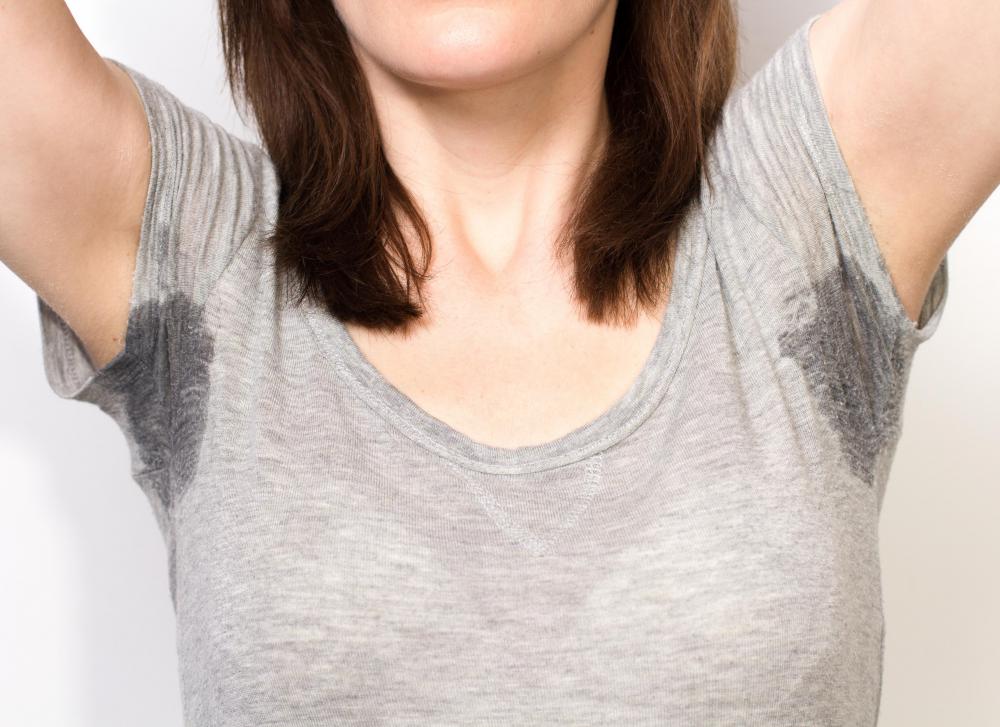
For women, these symptoms can be related to menopause, and they often develop as a result of hormone fluctuations that cause hot flashes and sweating, which may then be followed by chills. This happens because a woman’s production of the hormones estrogen and progesterone decreases during menopause, which may lead to a range of unpleasant symptoms. Often, a woman also experiences night sweats, followed by chills.

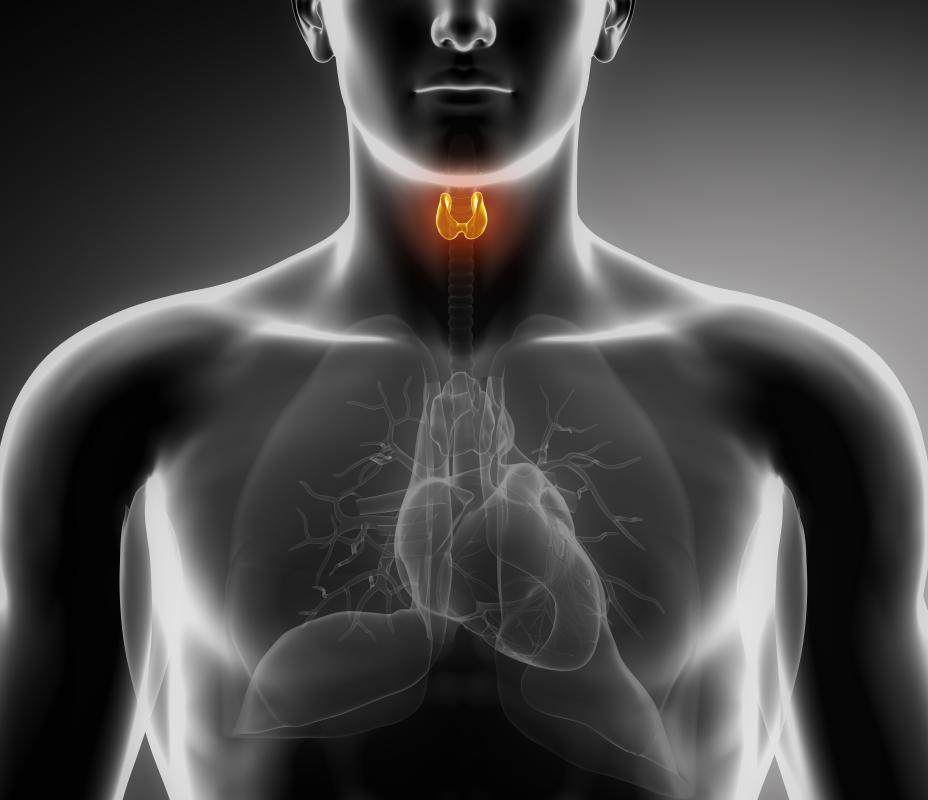
A disorder of the thyroid gland, such as hyperthyroidism, may also lead to chills and sweats. Hyperthyroidism is marked by the abnormally increased secretion of thyroid hormone by the thyroid gland. As a result of the additional hormones in the body, a person’s metabolism changes and an increased amount of heat is produced. This heat may cause the affected person to suffer night sweats and chills.
Nicole Madison
Nicole’s thirst for knowledge inspired her to become a TheHealthBoard writer, and she focuses primarily on topics such as homeschooling, parenting, health, science, and business. When not writing or spending time with her four children, Nicole enjoys reading, camping, and going to the beach.
Learn more...
Nicole Madison
Nicole’s thirst for knowledge inspired her to become a TheHealthBoard writer, and she focuses primarily on topics such as homeschooling, parenting, health, science, and business. When not writing or spending time with her four children, Nicole enjoys reading, camping, and going to the beach.
Learn more...AS FEATURED ON:
AS FEATURED ON:


-
![Chills and sweats may occur as a result of a thyroid disorder.]() By: CLIPAREA.comChills and sweats may occur as a result of a thyroid disorder.
By: CLIPAREA.comChills and sweats may occur as a result of a thyroid disorder. -
![Someone with strep throat may experience chills and sweats.]() By: Alexander RathsSomeone with strep throat may experience chills and sweats.
By: Alexander RathsSomeone with strep throat may experience chills and sweats. -
![Excessive sweating is often experienced by women during menopause.]() By: dandamanExcessive sweating is often experienced by women during menopause.
By: dandamanExcessive sweating is often experienced by women during menopause. -
![A fever is frequently accompanied by chills and sweating.]() By: Piotr MarcinskiA fever is frequently accompanied by chills and sweating.
By: Piotr MarcinskiA fever is frequently accompanied by chills and sweating. -
![Dehydration, which can be caused by excessive drinking, can lead to headaches and night sweats.]() By: kmiragayaDehydration, which can be caused by excessive drinking, can lead to headaches and night sweats.
By: kmiragayaDehydration, which can be caused by excessive drinking, can lead to headaches and night sweats. -
![Chills and sweats are commonly associated with painkiller withdrawal.]() By: Innovated CapturesChills and sweats are commonly associated with painkiller withdrawal.
By: Innovated CapturesChills and sweats are commonly associated with painkiller withdrawal. -
![Night sweats and chills are generally no cause for alarm.]() By: camrockerNight sweats and chills are generally no cause for alarm.
By: camrockerNight sweats and chills are generally no cause for alarm. -
![Hormone fluctuations can case hot flashes.]() By: brankatekicHormone fluctuations can case hot flashes.
By: brankatekicHormone fluctuations can case hot flashes.





Discussion Comments
Are there any answers for these questions?
I've been having sweats and chills for the last few months. It is very bad. I'm soaking wet, then I get up to wipe myself down and go back to bed and I'm then shivering. In another hour, I'm soaking again. This is also happening through the day. I'm very frightened.
I have chills when I first get up. I need to wear a light jacket. Really wanting the a/c on. Then I drink about three cups of coffee and turn into a sweat box. Could I have a coffee or caffeine intolerance?
I have been having chills all day to the point that I have now put on a light jacket. However, my head is wet with sweat. I have recently taken a full 10 day course of cipro for a bladder infection. I don't have fever. I am worried about leukemia, since it killed my maternal grandmother and a maternal aunt in her 40's. Am I being paranoid? I also have massive bruises all over my body but am taking coumadin and plavix for chronic dvt.
Post your comments