
At WiseGEEK, we're committed to delivering accurate, trustworthy information. Our expert-authored content is rigorously fact-checked and sourced from credible authorities. Discover how we uphold the highest standards in providing you with reliable knowledge.
What are the Most Common Boswellia Side Effects?
Although boswellia side effects are rare, some people will suffer adverse reactions to this herbal medication. When taken as directed, most people will suffer no ill effects at all. The most common side effects of boswellia are gastrointestinal complaints. More serious risks such as allergic reaction or cross-reaction with drugs or other supplements are possible as well.
Boswellia is derived from resin of the boswellia serrata, a tree native to India. It has been used for centuries as a traditional herbal remedy to treat a diverse range of conditions and health complaints, including ulcers, asthma, fungal infections, diarrhea, dysentery, ulcers and several skin conditions. Advocates suggest that boswellia can be used as an anti-inflammatory treatment, recommending it as a treatment for arthritis, but as with all supplements, boswellia is not sold as a medication, and no health benefits have been proven clinically.

Most people report no boswellia side effects at all when taking the supplement as directed. Those who exceed recommended doses do run an increased risk of adverse effects, though. Nausea, stomach discomfort or a full, bloated sensation are common boswellia side effects. People with chronic or recurring stomach complaints face an increased risk of boswellia side effects and should avoid this supplement. Rashes also have been observed, especially when using skin creams containing boswellia. No studies have examined boswellia side effects from long-term use.

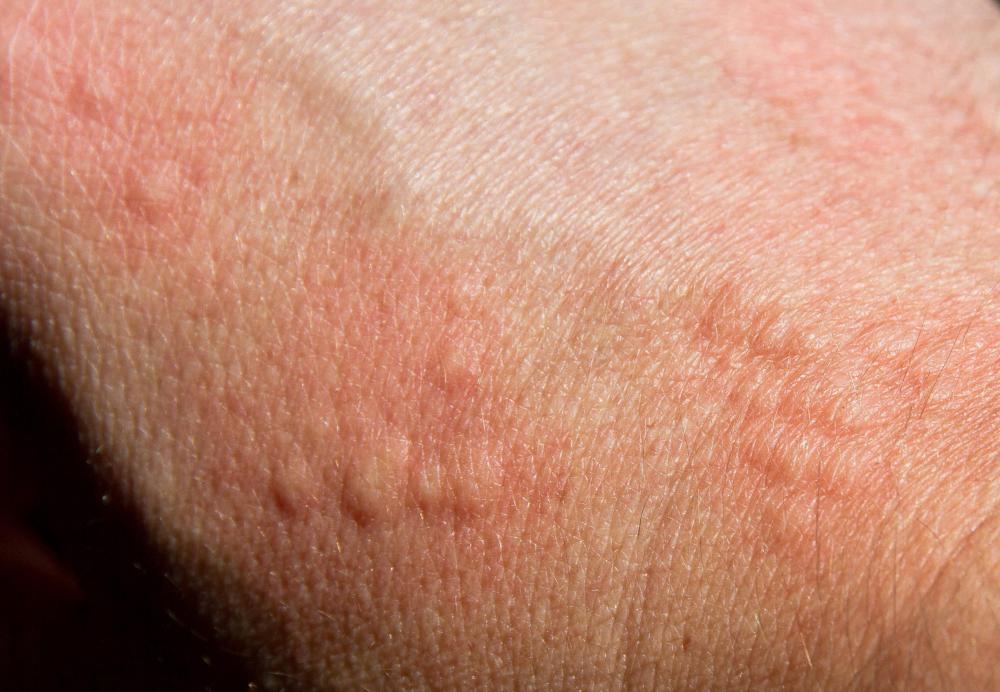
Allergic reactions also are possible, and they present a more serious health risk. A strong reaction can be life threatening. Symptoms include swollen or itchy skin, hives or rashes, tightness in the throat or chest, wheezing, difficulty breathing or chest pain. Anyone experiencing these symptoms should seek medical attention immediately. People with known reactions to boswellia should, of course, avoid this supplement.
Women who are pregnant or breastfeeding should avoid boswellia as well. Boswellia increases the risk of birth defects and can trigger spontaneous abortion. The risk to the newborn child’s health continues when boswellia is present in breast milk.

Cross-reaction with drugs and other herbal supplements also is possible when taking boswellia. In particular, some cancer treatments, cholesterol-reducing medications, antifungal treatments or anti-inflammatory drugs and supplements react with boswellia, and the results can be serious. For those concerned about possible reactions with specific treatments, consultation with a doctor is recommended.

Further study is needed to better assess the potential risks of boswellia, but some groups of people have been highlighted as facing a greater risk. Boswellia is not recommended for people with impaired immunity. Similarly, people who are generally frail are discouraged from using the supplement.
AS FEATURED ON:
AS FEATURED ON:









-
![Boswellia has been used to treat asthma.]() By: AntonioguillemBoswellia has been used to treat asthma.
By: AntonioguillemBoswellia has been used to treat asthma. -
![Ulcers have been treated with boswellia.]() By: rob3000Ulcers have been treated with boswellia.
By: rob3000Ulcers have been treated with boswellia. -
![Boswellia has been used to treat arthritis.]() By: FentonBoswellia has been used to treat arthritis.
By: FentonBoswellia has been used to treat arthritis. -
![Breastfeeding women should avoid boswellia.]() By: doble.dBreastfeeding women should avoid boswellia.
By: doble.dBreastfeeding women should avoid boswellia. -
![Using Boswellia can result in a skin rash; if this occurs consult a doctor.]() By: ampyangUsing Boswellia can result in a skin rash; if this occurs consult a doctor.
By: ampyangUsing Boswellia can result in a skin rash; if this occurs consult a doctor. -
![Nausea is a common side effect of boswellia.]() By: Janina DierksNausea is a common side effect of boswellia.
By: Janina DierksNausea is a common side effect of boswellia. -
![Hives may be a sign a person is allergic to boswellia.]() By: Jürgen FälchleHives may be a sign a person is allergic to boswellia.
By: Jürgen FälchleHives may be a sign a person is allergic to boswellia.






Discussion Comments
@turquoise-- I don't think it matters whether you use boswellia supplements or creams. I'm allergic to both, I get a horrible skin rash if I use either one.
@turquoise-- I've been taking boswellia extract for my arthritis and I personally haven't had any side effects whatsoever. But everyone is different so make sure to ask your doctor or pharmacist about it first. Tell them all the medications you're currently taking and ask about possible contradictions.
Maybe the reason I haven't had any side effects is also because I'm not taking any other medications right now. Boswellia is an anti-inflammatory so if you're taking any other anti-inflammatory medications it will probably counteract with those.
It sounds like a lot of complications and side effects are possible from using boswellia. I would like to hear from people who have actually used boswellia herb, did it cause you any side effects?
I'm interested in taking boswellia for my rosacea and acne. I can take it as a supplement and I might be able to find a cream with it too. It's not very cheap though so I want to make sure that it is safe for me before I buy it.
Also, am I more likely to get side effects from oral supplements than topical creams or it doesn't matter?
Post your comments