
At WiseGEEK, we're committed to delivering accurate, trustworthy information. Our expert-authored content is rigorously fact-checked and sourced from credible authorities. Discover how we uphold the highest standards in providing you with reliable knowledge.
What are the Health-Promoting Properties of Bran?
 Tricia Christensen
Tricia Christensen
Tricia Christensen
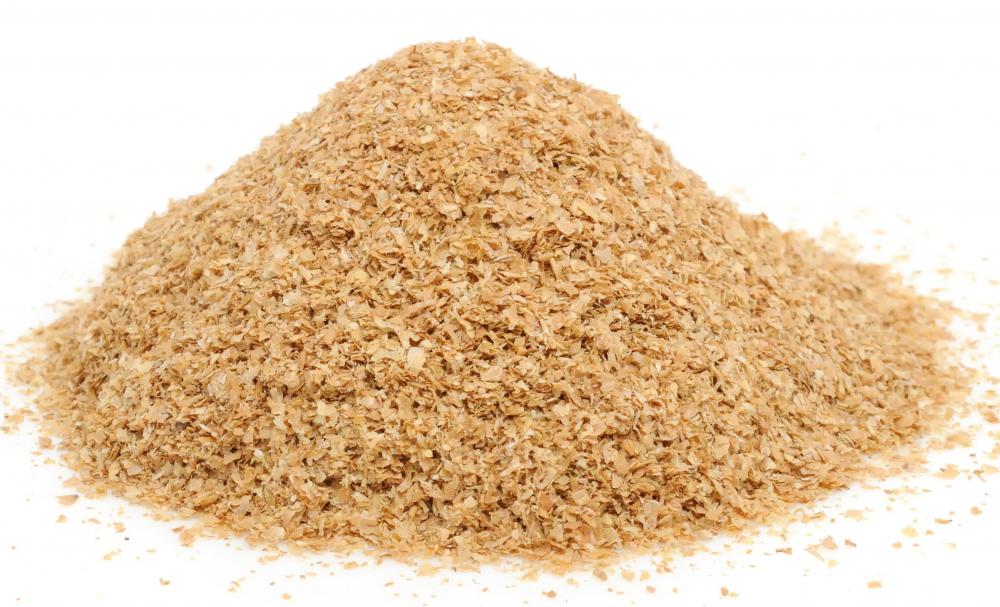
Bran is the outer layer of grains such as oats, wheat and rice. In food processing, this outer layer can be stripped from the grains creating a smoother product, but one lacking in as many health benefits. Nutritionists can wax nearly poetic about the virtues of eating bran, and why consuming it makes good sense. This is mainly because it is made of insoluble dietary fiber and does not break down in the same manner as do grains stripped of it. As a valuable source of dietary fiber, consuming bran may have tremendous benefits for the gastrointestinal (GI) tract, as a pro-biotic food, in combating heart disease, and perhaps in controlling weight.
People may associate this form of fiber with muffins or types of cereal, and these may be fine sources of it. Most think of wheat bran, rather than oat, which is somewhat sweet, and to some people distasteful. Further, many people think the only source is bran alone. Instead, it makes better sense to consume whole grains, which are usually tastier, and being less processed are generally healthier.

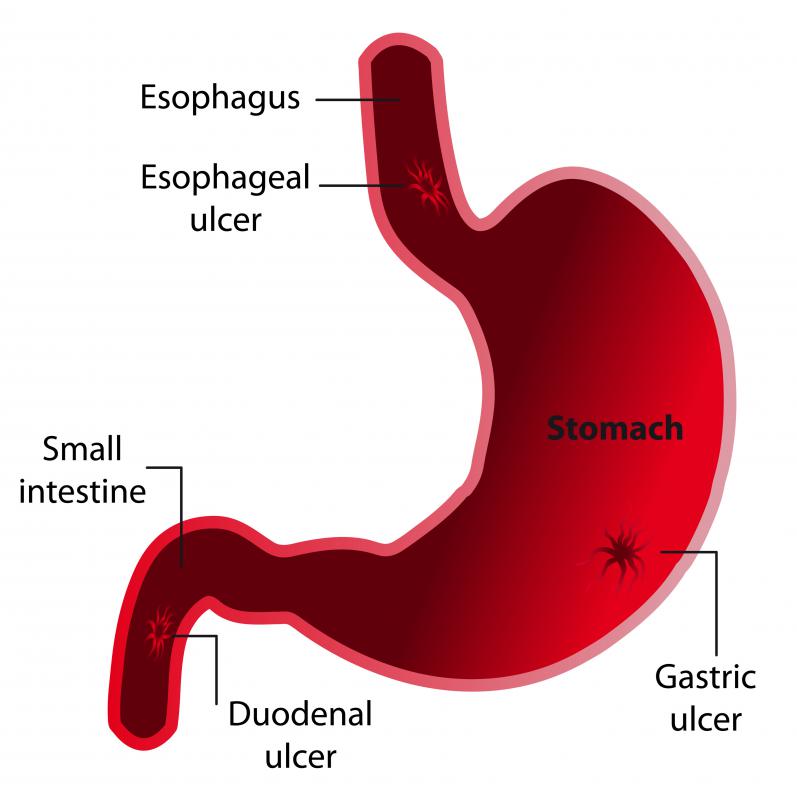
In the gastrointestinal tract, bran can have great health benefits. It is a probiotic food, meaning it has natural antibacterial fighting properties. Since we now know that bacteria cause most ulcers, reducing harmful gut bacteria is a worthy goal since it can ultimately reduce the chance of getting an ulcer.
Bran also helps to bulk up and soften stool, which makes it good food for people with chronic stomach issues like irritable bowel syndrome (IBS), and for people with regular constipation. It absorbs water and passes through the GI tract virtually unchanged. For people with diarrhea, it can actually help firm up stools, but it also works in the opposite direction too. People with constipation can have softer stools as a result of eating bran and see a reduction in this problem.

Intake of bran has been shown to reduce cholesterol levels and slightly decrease risk for stroke. Numerous studies have shown that eating it daily may in the short term reduce cholesterol by about 1.8%. Long-term benefits may result in further cholesterol drops. Since high cholesterol often leads to hardening of the arteries, dropping cholesterol levels means less risk of stroke and blood clotting.

Since bran absorbs water, it contributes to a feeling of fullness in the stomach, which may help people eat less. This in turn can mean a reduction in weight, which translates to a further reduced risk for heart disease. While bran is not proven to reduce weight, a diet high in fiber can help reduce feelings of hunger.
Other possible benefits of bran include reducing risk of heart attack. Eating it regularly may also help to prevent colon cancer. With these possible benefits, there’s very few excuses not to eat bran, but many people wonder just how much they should eat.

In general, bran should be part of the dietary fiber consumed each day. There are other foods like certain vegetables and fruit that are great sources of dietary fiber and earn their place in the diet too. In total, men and women should eat about 20-25 grams of dietary fiber a day.
Instead of supplements, the best way to take bran is by consuming whole grains. If you switch to whole grain cereals, rice, and bread, you’ll go a long way toward fulfilling these minimum requirements. Eating whole grains can also alleviate one of the unpleasant results of consuming too much fiber too quickly. Initially, if you do supplement, start small. A lot of bran consumed in a single day, particularly if your stomach is not used to it, can cause stomach upset and diarrhea.
Tricia Christensen
Tricia has a Literature degree from Sonoma State University and has been a frequent WiseGEEK contributor for many years. She is especially passionate about reading and writing, although her other interests include medicine, art, film, history, politics, ethics, and religion. Tricia lives in Northern California and is currently working on her first novel.
Learn more...
Tricia Christensen
Tricia has a Literature degree from Sonoma State University and has been a frequent WiseGEEK contributor for many years. She is especially passionate about reading and writing, although her other interests include medicine, art, film, history, politics, ethics, and religion. Tricia lives in Northern California and is currently working on her first novel.
Learn more...AS FEATURED ON:
AS FEATURED ON:









-
![Bran is the outer layer of grains, like wheat.]()
Bran is the outer layer of grains, like wheat. -
![Bran.]() By: VidadyBran.
By: VidadyBran. -
![Whole oats, including the bran.]() By: Popova OlgaWhole oats, including the bran.
By: Popova OlgaWhole oats, including the bran. -
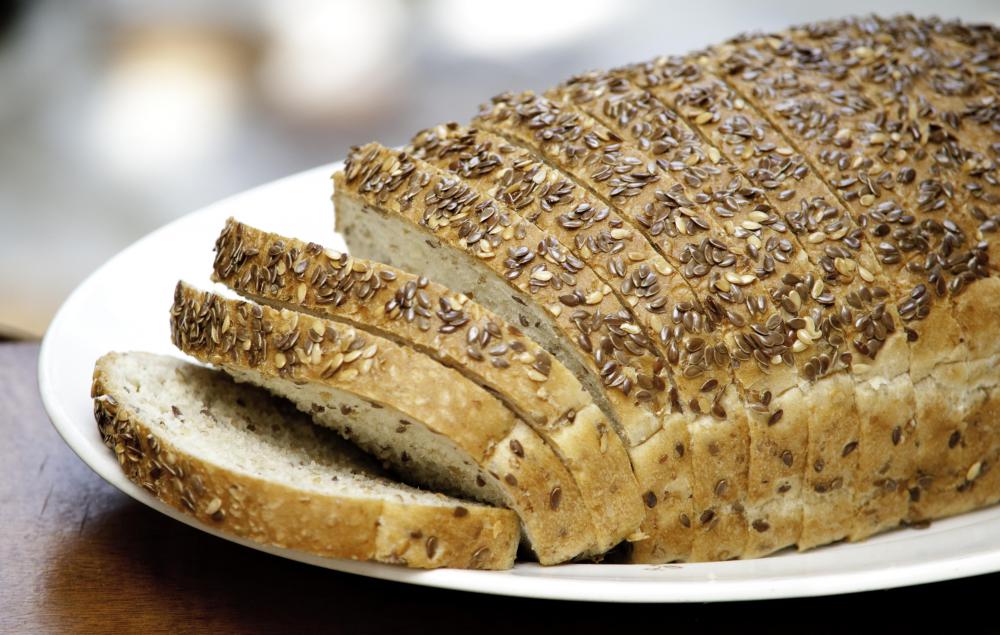
![Bran can be added to homemade whole wheat bread to boost its fiber content.]() By: AAABran can be added to homemade whole wheat bread to boost its fiber content.
By: AAABran can be added to homemade whole wheat bread to boost its fiber content. -
![Eating bran, which has antibacterial properties, may help reduce the likelihood of ulcers.]() By: p6m5Eating bran, which has antibacterial properties, may help reduce the likelihood of ulcers.
By: p6m5Eating bran, which has antibacterial properties, may help reduce the likelihood of ulcers. -
![People with constipation can have softer stools as a result of eating bran and see a reduction in this problem.]() By: Ljupco SmokovskiPeople with constipation can have softer stools as a result of eating bran and see a reduction in this problem.
By: Ljupco SmokovskiPeople with constipation can have softer stools as a result of eating bran and see a reduction in this problem. -
![Bran is helpful for chronic stomach issues like irritable bowel syndrome.]() By: joshyaBran is helpful for chronic stomach issues like irritable bowel syndrome.
By: joshyaBran is helpful for chronic stomach issues like irritable bowel syndrome. -
![Consuming bran regularly may help to prevent colon cancer.]() By: rob3000Consuming bran regularly may help to prevent colon cancer.
By: rob3000Consuming bran regularly may help to prevent colon cancer.




Discussion Comments
Bran isn't really very good for you. It's the outer hull of a plant and is largely indigestible to humans. It makes absorbing nutrients into your body more difficult and is more likely to contain toxins from pesticides.
there's 130kj (aprox 33 cal) in 12g of bran.
Bran foods are also known to help with inflammation and diabetes. Bran helps lower blood sugar, and reduce insulin resistance.
please, i am asking about the caloric value of bran. i am diabetic. thank you.
what is the caloric value of 10 gm of wheat bran?
thanks
Does bran, say oats, need to be cooked to eat, if use mix it with prune juice and apple sauce?
Post your comments