
At AllThingsNature, we're committed to delivering accurate, trustworthy information. Our expert-authored content is rigorously fact-checked and sourced from credible authorities. Discover how we uphold the highest standards in providing you with reliable knowledge.
What are the Floral Kingdoms of the World?
 Mary Elizabeth
Mary Elizabeth
Mary Elizabeth
The areas of the world are classified in several different ways in the field of geography. Zoogeographic provinces look at the animals of the world and their distribution. Ecoregions take both plants and animals into account. Looking at the world’s floral kingdoms is one of the means of making sense of the different area of the world and their distinctive flora.
Building on the word of Ronald Good, professor of botany at Hull University in Yorkshire, England, who identified six floral kingdoms, Soviet-Armenian botanist Armen Takhtajan, created a system of classification that has had great influence in the understanding of botany. Takhtajan’s six kingdoms are:
• Holarctic Kingdom
• Paleotropical Kingdom
• Neotropical Kingdom
• South African Kingdom
• Australian Kingdom
• Antarctic Kingdom
The six floral kingdoms contain at total of 35 regions, with each kingdom having at least one region, and all regions having at least one province, for a total of 152 provinces.
Holarctic Kingdom
If one views the globe with the North Pole on top, the Holarctic region covers the entire top of the world. Takhtajan has divided this kingdom into nine regions:
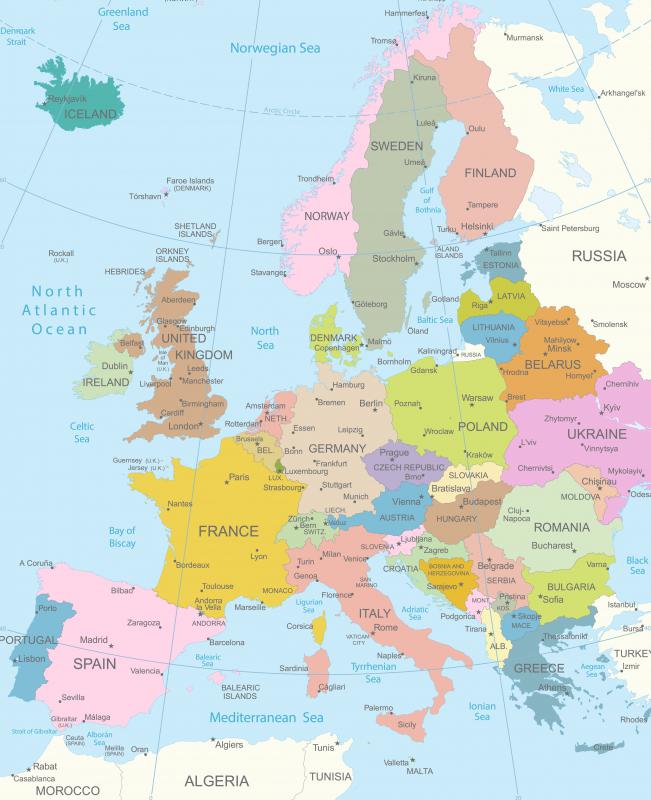
• Circumboreal Region covers the Arctic, Northern, Central, Eastern, and Atlantic Europe, the Caucasus, most of Siberia, and Canada, including the Great Lakes.
• Easter Asiatic Regions includes all of China except the South, Japan, Korea, Taiwan, and the Eastern Himalayas.
• North American Atlantic Region includes the North American Atlantic and Gulf Coast Plain, the Prairies, and the Appalachian Province.
• Rocky Mountain Region includes the Rocky Mountains and Vancouver.
• Macaronesian Region includes the Azores, Madeira, the Canaries, and Cape Verde.
• Mediterranean Region includes the Southwest, South and East Mediterranean, Iberia, the Adriatic, and the Crimea.
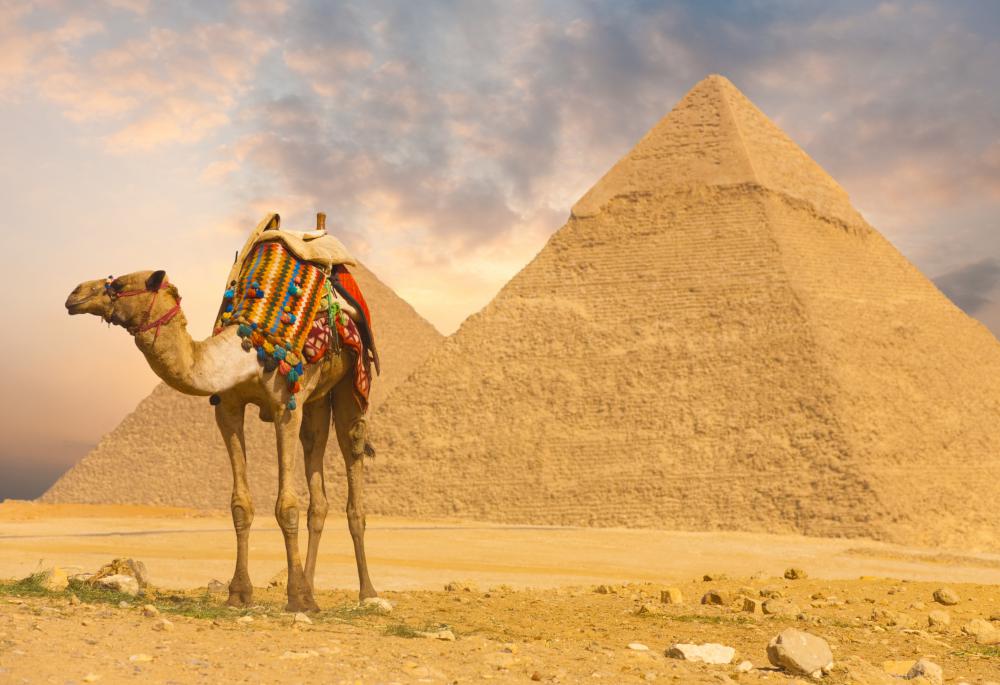
• Saharo-Arabian Region covers the Sahara, Egypt, and Arabia.
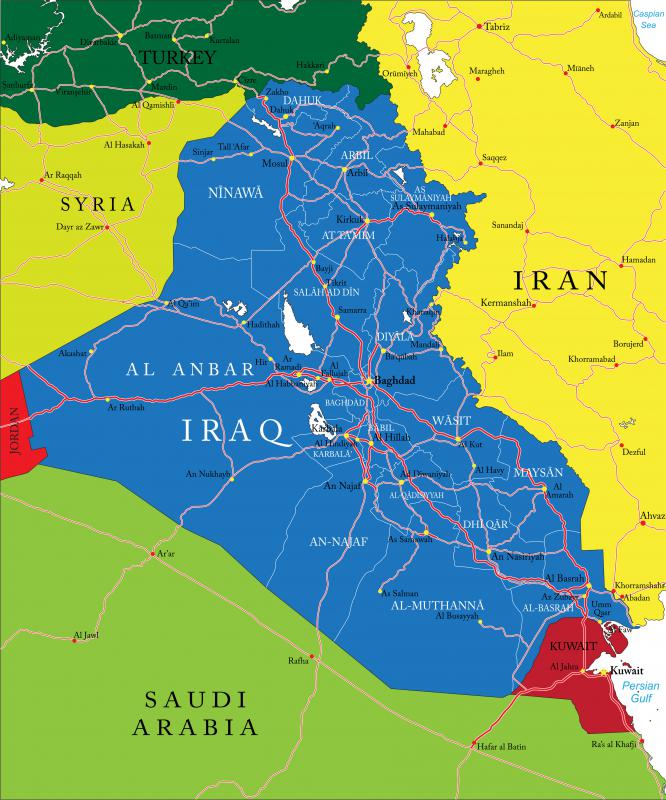
• Irano-Turanian Region covers Mesopotamia, Armenia, Iran, the Western Himalayas, Mongolia, and Tibet
• Madrean Region covers the great Basin, Sonora, California, and the Mexican Highlands.

The Other Five Floral Kingdoms
This Paleotropical Kingdom covers the rest of Africa not included in the Holarctic Region, as well as India, Sri Lanka, Indochina, Fiji, Polynesia, and Hawaii. The Neotropical Kingdom covers the rest of Mexico not covered in the Holartctic Region, plus Central America and most, but not all, of South America. The Australian Kingdom includes Australia. The South African Kingdom only includes the Cape Region, and sometimes the name Cape is used interchangeably for the Kingdom. Finally, the Antarctic Kingdom includes Chile, the Pampas, Patagonia, and Tierra del Fuego, southern islands in the Subantarctic region, New Zealand and neighboring islands, and the continent of Antarctica.
Frequently Asked Questions
How many floral kingdoms are there in the world?

There are six recognized floral kingdoms globally, which are geographical groupings of plant species with distinct botanical properties. These kingdoms are the Boreal or Holarctic, Neotropical, Paleotropical, South African, Australian, and Antarctic. Each kingdom represents a unique evolutionary history and adaptation to specific climatic and geographical conditions.
What is the largest floral kingdom in the world?

The Boreal or Holarctic Kingdom is the largest floral kingdom, encompassing a vast area that includes North America (excluding the tropical part of Mexico), all of Europe, northern Asia, and northern Africa. Its size allows for a diverse range of plant species adapted to a variety of temperate and arctic climates.
Which floral kingdom is unique to South Africa?

The Cape Floristic Region, also known as the South African Kingdom, is unique to South Africa and is renowned for its exceptional biodiversity. According to the World Wildlife Fund, it contains over 9,000 plant species, 69% of which are endemic, making it one of the richest areas for plants in the world relative to its size.
What distinguishes the Australian Floral Kingdom?
The Australian Floral Kingdom is distinguished by its high level of endemism, with about 85% of its flowering plants, 84% of mammals, and more than 45% of birds being endemic to the region, as reported by the Australian Government's Department of Agriculture, Water and the Environment. This is largely due to Australia's long-term geographic isolation.
Are there any floral kingdoms in the polar regions?
Yes, the Antarctic Floral Kingdom covers the Antarctic continent and is the smallest and least diverse of the kingdoms. It consists mainly of mosses, lichens, and algae, with only two flowering plants, the Antarctic hair grass and the Antarctic pearlwort, which are capable of surviving the extreme cold conditions.
How do floral kingdoms affect global biodiversity?
Floral kingdoms are crucial to global biodiversity as they reflect the variety of plant life adapted to different regions of the Earth. Each kingdom supports a unique set of ecosystems and wildlife. The diversity within these kingdoms contributes to the Earth's overall ecological balance, influencing climate regulation, soil health, and habitats for countless species.
Mary Elizabeth
Mary Elizabeth is passionate about reading, writing, and research, and has a penchant for correcting misinformation on the Internet. In addition to contributing articles to AllThingsNature about art, literature, and music, Mary Elizabeth is a teacher, composer, and author. She has a B.A. from the University of Chicago’s writing program and an M.A. from the University of Vermont, and she has written books, study guides, and teacher materials on language and literature, as well as music composition content for Sibelius Software.
Learn more...
Mary Elizabeth
Mary Elizabeth is passionate about reading, writing, and research, and has a penchant for correcting misinformation on the Internet. In addition to contributing articles to AllThingsNature about art, literature, and music, Mary Elizabeth is a teacher, composer, and author. She has a B.A. from the University of Chicago’s writing program and an M.A. from the University of Vermont, and she has written books, study guides, and teacher materials on language and literature, as well as music composition content for Sibelius Software.
Learn more...AS FEATURED ON:
AS FEATURED ON:









-
![Egypt is part of the Saharo-Arabian floral region.]() By: Pius LeeEgypt is part of the Saharo-Arabian floral region.
By: Pius LeeEgypt is part of the Saharo-Arabian floral region. -
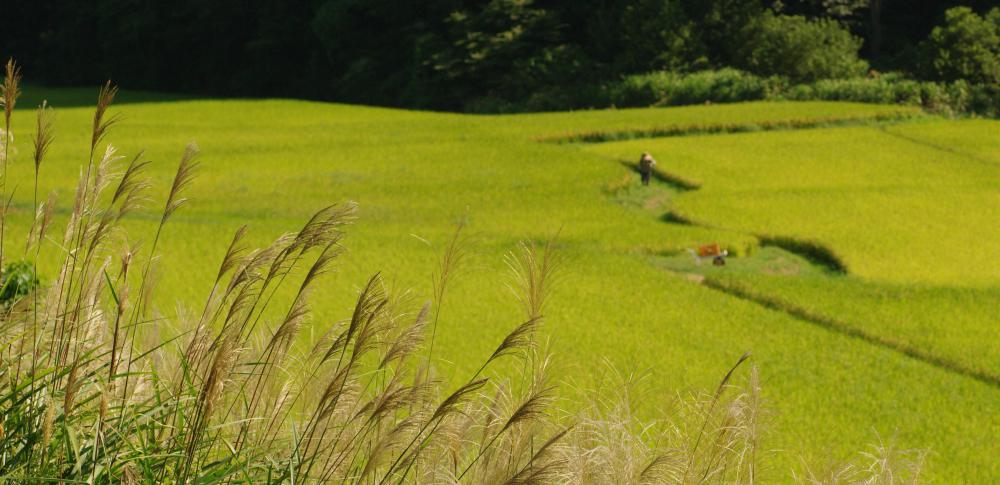
![The pampas are a large area of grassy plains in South America.]() By: kelly markenThe pampas are a large area of grassy plains in South America.
By: kelly markenThe pampas are a large area of grassy plains in South America. -
![The Irano-Turanian Region covers Mesopotamia, Armenia, Iran, the Western Himalayas, Mongolia, and Tibet.]() By: bogdanserbanThe Irano-Turanian Region covers Mesopotamia, Armenia, Iran, the Western Himalayas, Mongolia, and Tibet.
By: bogdanserbanThe Irano-Turanian Region covers Mesopotamia, Armenia, Iran, the Western Himalayas, Mongolia, and Tibet. -
![The circumboreal region includes the Atlantic-adjacent portion of western Europe.]() By: EklerThe circumboreal region includes the Atlantic-adjacent portion of western Europe.
By: EklerThe circumboreal region includes the Atlantic-adjacent portion of western Europe.
Discuss this Article
Post your comments