
At TheHealthBoard, we're committed to delivering accurate, trustworthy information. Our expert-authored content is rigorously fact-checked and sourced from credible authorities. Discover how we uphold the highest standards in providing you with reliable knowledge.
What are the Effects of Eating Junk Food?
Eating junk food can have a significant impact on one's health. Though many people enjoy eating junk food and think it tastes great, the health consequences can be serious, and can range from everything to low energy levels to weight gain and illness. The term "junk food" encompasses a fairly broad category of food, but it typically refers to foods that are relatively high in caloric content, but low in nutritional value.
Junk food is often high in sugar, salt, white flour, and fat, particularly saturated fat. It is often heavily processed and prepackaged, making it easy to prepare and consume. A few examples of foods often considered to be junk food include fast food, sweets such as ice cream, candy, donuts, and prepackaged treats, soda, and potato chips, among many others. Most people have no trouble identifying junk food; it is when they want to stop eating junk food that the trouble starts.

The first effect of eating junk food is its impact on energy levels. Many people skip breakfast or other meals throughout the day, choosing instead to grab a quick snack or a soft drink. The junk food causes energy levels to spike, which people like, but then energy levels will quickly plummet, sending one back into the kitchen for another quick snack. In addition, junk food can cause moodiness, and make it difficult to get enough sleep at night, so energy levels are never restored to normal.

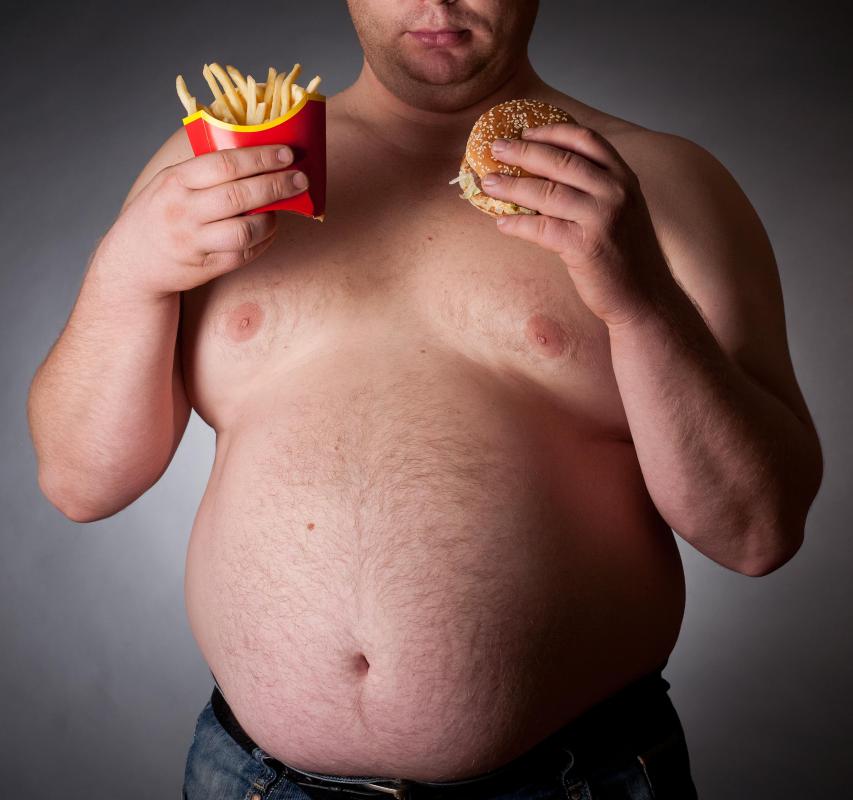
Another one of the most obvious effects from eating junk food is weight gain. People who eat a lot of junk food tend to gain weight quickly, which can lead to obesity over time; this extra weight then has an impact on the health of the rest of the body. It can raise cholesterol and blood pressure, contributing to heart disease. In addition, eating junk food can cause one to develop insulin resistance, which is one of the risk factors for diabetes; this is a particular concern in children.

When the body does not get proper nutrition, it can become difficult to concentrate. It can also cause depression. Keep all of these health effects of junk food in mind before eating anything; a healthy diet can lead to greater energy levels, improved mood and concentration ability, weight loss, and decreased risk factors for heart disease and diabetes. Though junk food may be easy and fast, its health impacts are too great to ignore.
AS FEATURED ON:
AS FEATURED ON:


-
![Eating junk food can cause weight gain.]() By: JustamanEating junk food can cause weight gain.
By: JustamanEating junk food can cause weight gain. -
![Soft drinks can cause weight gain and tooth decay.]()
Soft drinks can cause weight gain and tooth decay. -
![Donuts can cause weight gain.]()
Donuts can cause weight gain. -
![Junk food.]() By: Andrey ArmyagovJunk food.
By: Andrey ArmyagovJunk food. -
![Foods that are high in fat and calories, like pizza, can cause weight gain and other health problems.]() By: Kayros StudioFoods that are high in fat and calories, like pizza, can cause weight gain and other health problems.
By: Kayros StudioFoods that are high in fat and calories, like pizza, can cause weight gain and other health problems. -
![A bowl of potato chips.]() By: andersphotoA bowl of potato chips.
By: andersphotoA bowl of potato chips. -
![Junk food may lead to high blood pressure.]() By: Jürgen FälchleJunk food may lead to high blood pressure.
By: Jürgen FälchleJunk food may lead to high blood pressure. -
![Eating healthy foods like low-fat cheese helps to curb hunger.]() By: Ewa BrozekEating healthy foods like low-fat cheese helps to curb hunger.
By: Ewa BrozekEating healthy foods like low-fat cheese helps to curb hunger. -
![Healthier eating can lead to things like better concentration and more energy.]() By: Barbara HelgasonHealthier eating can lead to things like better concentration and more energy.
By: Barbara HelgasonHealthier eating can lead to things like better concentration and more energy. -
![People who eat a lot of junk food tend to gain weight quickly, which can lead to obesity over time.]() By: ElenathewisePeople who eat a lot of junk food tend to gain weight quickly, which can lead to obesity over time.
By: ElenathewisePeople who eat a lot of junk food tend to gain weight quickly, which can lead to obesity over time. -
![Eating junk food can have an impact on a person's energy levels.]() By: LsantilliEating junk food can have an impact on a person's energy levels.
By: LsantilliEating junk food can have an impact on a person's energy levels. -
![Food companies manufacture junk food to be extremely addictive.]() By: Simone van den BergFood companies manufacture junk food to be extremely addictive.
By: Simone van den BergFood companies manufacture junk food to be extremely addictive. -
![Popcorn is considered junk food by many people.]() By: Africa StudioPopcorn is considered junk food by many people.
By: Africa StudioPopcorn is considered junk food by many people.





Discussion Comments
Many people eat junk food for several reasons. They think junk food is delicious and they enjoy every taste, but they do not know the consequences of eating junk food. Eating this kind of food has a lot of negative consequences as weight gain and illness as diabetes and heart diseases. This food a lot of sugar, saturated fat, and it is very processed. It is poor in nutrients. People like to consume it because it is easy to buy it and it does not require too much effort. Likewise, they do not have to cook at home, and it is available in almost every corner.
People notice there's a problem when sometimes is too late because in eating this kind of food, one may gain several pounds quickly. It can raise cholesterol and blood pressure, too.
Sugary snacks should not be permitted to be sold in canteens because it can lead to lack of concentration in class. Being unhealthy can lead to other diseases such as obesity, diabetes and stomach pains and zero nutrients. At least eating something nourishing in that particular snack will help.
One often overlooked side effect pf unhealthy eating is that you miss out on a lot of other foods that are really delicious. I know that a burger and fries are great, but so is a huge salad, or a marinated veggie kabob, or stuffed peppers.
When you eat a lot of junk food you tend to eat the same things and get the same flavors over and over. Doesn't it seem like bacon is in everything these days? Who really wants to eat that much bacon in a single day? It would get boring to say the least.
Are there any negative side effects to drinking diet soda? I drink about 4 cans a day, and while I don't feel particularly bad, I don't feel great either. I have always drank diet to avoid the calories, but do the artificial sugars have an effect besides weight gain?
@umbra21 - You can't tell me that saturated fats don't do any harm. Have you ever seen the Super Size Me documentary, where a man decided to just eat McDonalds all day, every day for a month? There isn't that much sugar in those foods and he still managed to gain huge amounts of weight and basically destroy his liver.
Anything is bad if you eat too much of it. The problem is that people eat too much junk food not that it exists in any form.
@Iluviaporos - It's definitely worth doing a bit of research on what you find acceptable and what the latest findings on healthy food eating are though. It might surprise a lot of people that saturated fats have not been shown as that much of an indicator of heart disease or even obesity.
It's sugar that is the real culprit. Sugar and trans fats.
I know a lot of people who think of things like nuts and jerky as junk food, but they can actually be really healthy snacks since they don't spike your blood sugar as it described in the article. Since I switched to those sorts of things over sugar and flour based snacks like cakes, I've felt much better.
@ShowStopper - Amen. I try not to obsess about food at all, because it can take over your life. But I let myself obsess all I want about grocery shopping. I only go once per week, I try to plan it all out beforehand, go after dinner where it becomes a mechanical task rather than an exercise in willpower and "reward" myself for the shopping trip with a carton of fresh berries rather than the candy bar I used to nab at the checkout.
If you don't have junk food in your house, you're not going to be tempted to snack on it and healthy food choices will be much easier. Carrots are lovely and tempting if they don't have to compete with potato chips.
I have a tip for people who can't stop eating junk food. Don't go to the grocery when you are hungry. If you go at the end of the day when all you have eaten is a sandwich for lunch, you will give into your cravings and will likely leave with bags full of chips, cookies and soda.
Instead, go to the grocery store just after you have eaten dinner. You will not be as hungry and will not be tempted to go down the junk food aisle.
Also, write a grocery list before you go and stick to it. List only healthy items that you really need. Don't let yourself buy anything that isn't on the list.
Eating too much junk food can also have an adverse effect on the digestive system. Junk food is very high in fat and calories and it is very hard for the digestive system to digest all of that fat. This can cause the digestive system to become very sluggish and constipation can often occur.
To keep your digestive system working well, eat plenty of fruits and vegetables and make sure that you are getting plenty of fiber in your diet.
Post your comments