
At WiseGEEK, we're committed to delivering accurate, trustworthy information. Our expert-authored content is rigorously fact-checked and sourced from credible authorities. Discover how we uphold the highest standards in providing you with reliable knowledge.
What are the Different Ways to Repel Mosquitoes?
There are many different ways to repel mosquitoes, but in general techniques fall into three broad categories: chemical solutions, herbal and other natural-based compounds, and electronic products designed to “zap” or kill bugs that get too close. The range of actual products in each category can be fairly extensive, ranging from lotions and sprays to candles and oil diffusers; small machines to massive electrode lamps intended to keep entire patios or dining areas mosquito-free. A lot depends on the market and the demand. People can also try a number of tricks for preventing mosquitoes in the first place, such as covering sleeping areas with netting or using screens on windows.
Chemical Repellants

Perhaps the most widely used substance to repel mosquitoes is a compound commonly known as DEET, which has the chemical name N,N-diethyl-3-methylbenzamide. It has been used around the world for decades in skin-applied commercial insect repellents and is usually effective for hours at a time. It can be harmful when left on the skin for too long, though. Many experts recommend that the amount of DEET in the repellent should be between 10 and 30 percent, as higher concentrations may cause adverse reactions. In general, children younger than 12 should wear only a 10 percent solution, and children younger than 2 should use this sort of repellent sparingly, if at all.

Home misting systems typically also use a series of chemical insecticides to kill and deter bugs from indoor spaces, and these don’t require application on the skin. Misters are usually small appliances that look a lot like humidifiers. They periodically emit small bursts of chemicals into the air, usually on a timer according to a schedule set by the owners. One of the biggest advantages to this sort of system is that it doesn’t require much effort beyond initial set-up and regular refills, but it has some downsides, too. It can kill beneficial insects as well as pests, for instance; the effect of the insecticide on pets and wildlife is also largely unknown.
Citronella Oil

Citronella oils and extracts are some of the most effective "natural" solutions to repel mosquitoes. These oils come from various species of the lemongrass plant, and are usually available in various concentrations. Mosquitoes typically dislike the smell and will stay away form places where it’s present. The oil is very common in outdoor candles and incense, and people sometimes also wear it directly on their skin as a natural and chemical-free repellant.
Other Natural Solutions and Home Remedies

Cedar, lavender, garlic, cinnamon, and peppermint are some of the other plants that are also commonly believed to have some repellant properties. Using these elements in candles and skin-based solutions keep the bugs away in many cases. Some people claim that a garlic tablet taken once daily makes the person who takes it unattractive to mosquitoes, but there is only anecdotal evidence that this works.

Some folk remedies work not so much by repelling mosquitoes away from humans, but rather by drawing them to a nearby area instead. Some suggest that storing an open container of water at some distance from a gathering will attract mosquitoes towards the water and thus away from people, and mixing that water with a variety of products from sugar to dish-washing liquid are often touted as effective. This approach isn't usually foolproof, though. Additionally, since standing water is one of the biggest sources of mosquito breeding, containers shouldn’t be left out for long periods.
Electronic Options

People who are serious about eliminating mosquitoes might want to consider electronic “zappers.” There are two primary types of bug zappers — a wand or tennis racket type, or stationary models that look a bit like lanterns. Both typically work by attracting the insects with a warm ultraviolet light, then electrocuting them as soon as they make contact. These sorts of devices can remove some of the insect population from the immediate vicinity, but they can't usually provide complete protection against all mosquitoes.
Prevention Ideas

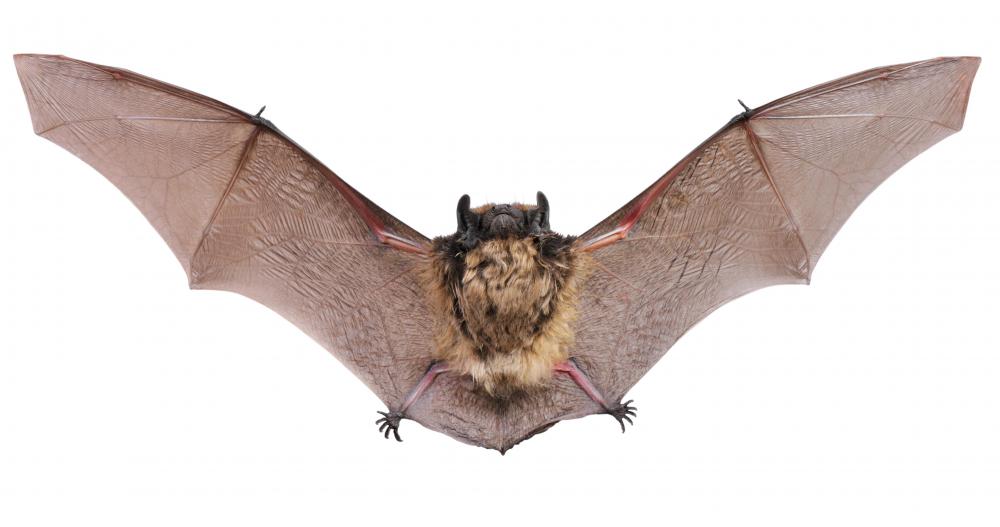
There are also a number of ways to prevent mosquito presence in the first place. Perhaps the only truly effective way of keeping mosquitoes at bay is to completely keep them out. Enclosed patios allow for the outdoor experience without having to intermingle with life's peskier aspects, and window and door screens allow for fresh air without letting the bugs in. If mosquitoes are a problem while sleeping, draping mosquito fabric or loose netting around the bed will help provide a more restful night's sleep. Some people have built bat houses to encourage bats to move in and eat mosquitoes within their range, as well; places with healthy bat populations typically have few if any mosquitoes.

Avoiding fragrant lotions, perfumes, and colognes can also sometimes help. Mosquitoes are often attracted to sweet smells. Putting these directly on the skin is often asking for trouble. Staying indoors at dusk and in the early mornings, when the bugs are most prolific, is also usually a good idea.
AS FEATURED ON:
AS FEATURED ON:









-
![A citronella candle.]() By: nick barounisA citronella candle.
By: nick barounisA citronella candle. -
![Cinnamon may be used to help repel insects.]() By: NatikaCinnamon may be used to help repel insects.
By: NatikaCinnamon may be used to help repel insects. -
![Lavender is a natural insect repellent.]() By: Kimberly ReinickLavender is a natural insect repellent.
By: Kimberly ReinickLavender is a natural insect repellent. -
![People often set up conditions that encourage bats, which eat mosquitoes, to settle near their property.]() By: cheri131People often set up conditions that encourage bats, which eat mosquitoes, to settle near their property.
By: cheri131People often set up conditions that encourage bats, which eat mosquitoes, to settle near their property. -
![Garlic is considered to be a mosquito repellent.]() By: SchliernerGarlic is considered to be a mosquito repellent.
By: SchliernerGarlic is considered to be a mosquito repellent. -
![Oil derived from a neem tree can be an effective insecticide and ward off mosquitoes.]() By: UnclesamOil derived from a neem tree can be an effective insecticide and ward off mosquitoes.
By: UnclesamOil derived from a neem tree can be an effective insecticide and ward off mosquitoes. -
![Repel mosquitoes at night by hanging a mosquito net over the bed.]() By: Thomas LaunoisRepel mosquitoes at night by hanging a mosquito net over the bed.
By: Thomas LaunoisRepel mosquitoes at night by hanging a mosquito net over the bed. -
![Some essential oils are effective at repelling mosquitoes.]() By: viperagpSome essential oils are effective at repelling mosquitoes.
By: viperagpSome essential oils are effective at repelling mosquitoes. -
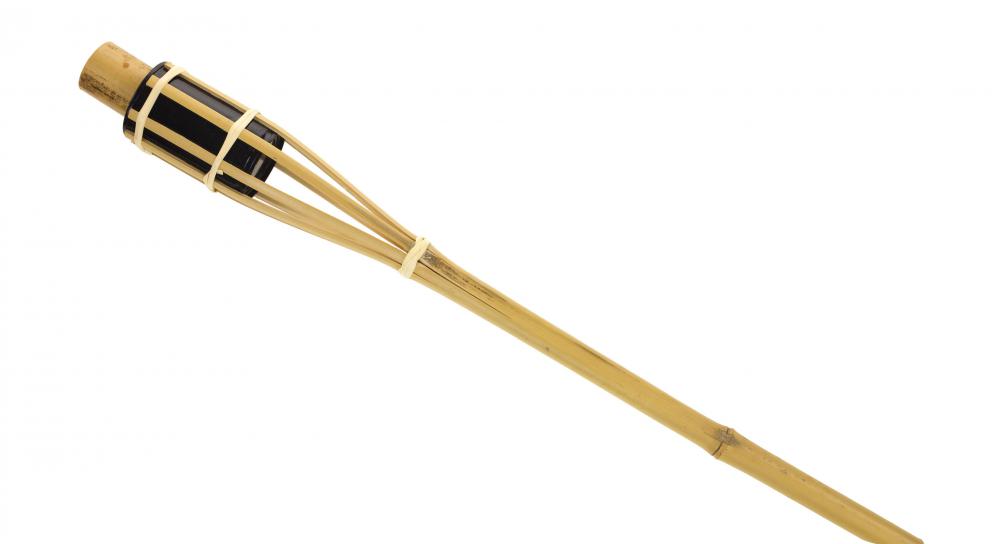
![Tiki torches may contain mosquito repellent.]() By: Bert FolsomTiki torches may contain mosquito repellent.
By: Bert FolsomTiki torches may contain mosquito repellent. -
![Bug repellent that contains lemon eucalyptus oil, DEET or Picaridin can prevent bites from mosquitoes.]() By: MaridavBug repellent that contains lemon eucalyptus oil, DEET or Picaridin can prevent bites from mosquitoes.
By: MaridavBug repellent that contains lemon eucalyptus oil, DEET or Picaridin can prevent bites from mosquitoes. -
![Multiple methods must be employed at once to effectively repel mosquitoes.]() By: Henrik LarssonMultiple methods must be employed at once to effectively repel mosquitoes.
By: Henrik LarssonMultiple methods must be employed at once to effectively repel mosquitoes.






Discussion Comments
I live in Claremore, OK and the past two years I get bit by a certain mosquito that is so small that I don't even see it, but I immediately feel it, swell with a really big red rash/splotch and it becomes very hot and itches for days. I would like to know if there is a particular one that can cause such a reaction. I try to where at least 15 or more deet but sometimes they bite me before I get a chance to put any on. Please if anyone has any suggestion as to what kind is affecting me this way I really appreciate any help. Thank you
Actually, from everything that I've read, that's not a bad idea. Most mosquito repellents function based on covering up our scent, so that mosquitoes don't know that we're there--dryer sheets are a much more pleasant way of doing that than any of the other options I've heard!
I read recently that carrying a dryer sheet (presumably one that makes clothes soft as they're dried) in your pocket will repel mosquitos. This sounded highly unlikely to me but I wondered what you thought.
Someone makes a injector that puts Cedar Oil into the water stream of the homeowners sprinkler system. 100% safe and very effective. As to the Pyrethroid products used in the misting systems, shame shame on those who use them. The substances are Estrogen Mirroring and are the number one cause of breast cancer. No where in the world except the USA can these toxins be sprayed freely among the populas. They are now banned in several states. The USDA is fighting the Bee disappearance and has proof that the Pyrethroids, natural and synthetic are the cause. Chemicals do not need to be used for insect control. Folks need to get smart while we can. Many natural oils, primarily Cedar Oil have efficacy results greater than the nastiest of the chemicals. So, why use a chemical when you don't have to. If you don't believe me on this issue, just google misting systems and pyrethrin and pyrethrums. Read a few days about the Why Not to use. Dr. Ben Oldag, a long time entomologist proclaims, if a little bit of a chemical will kill a insect, than a little more your pets, then a little more YOU Makes sense to me.
Post your comments