
At AllThingsNature, we're committed to delivering accurate, trustworthy information. Our expert-authored content is rigorously fact-checked and sourced from credible authorities. Discover how we uphold the highest standards in providing you with reliable knowledge.
What are the Different Uses of Jasmine?
 Malcolm Tatum
Malcolm Tatum
Malcolm Tatum
While jasmine, or jessamine, is well known as a decorative and aromatic shrub, the fact is that this plant has a number of different applications that have nothing to do with providing beauty to landscaping around the home.
Many are surprise to learn that jasmine is considered to be a powerful herb that can be used to treat a number of ailments. The Ayurvedic school of herbal medicine holds it in high regard as a powerful way to deal with fevers and conjunctivitis. Jasmine tea, made from star or night blooming jasmine, is considered an excellent way to bring balance to the body after heat exhaustion or sunstroke, and also provides assistance in dealing with the bone cancer, breast cancer, and a general pain reliever. Often, the uses of this plant in herbal medicine are administered as a tea or tincture, which is understood to allow the body to experience the benefits more quickly.

Along with internal uses for jasmine, there are also some topical uses as well. The fresh juice squeezed from the plant and flower are thought to be effective in dealing with corns on the foot. Skin conditions such as sunburn or rashes are said to benefit from the application of a lotion made with this flower. In fact, the uses of jasmine as a restorative element for skin are recorded in many places around the world, with the juices said to provide restored elasticity to skin by promoting the production of natural oils that relieve dryness and restore balance.

Aromatherapy incorporates one of the uses of jasmine that has become more common. Whether in the form of body oils, incense, or scented candles, it provides a pleasant aroma that is believed to lift the mood. In some cultures, this plant is used in this manner to help women through postpartum depression, as well as to assist persons in dealing with the emotional depression of the loss of a loved one. Breathing in the scent of the flowers is also understood to be a means of helping pregnant women to desensitize to pain during labor, while strengthen the contractions that enable a safe birth. The uses of this scent in aromatherapy also extend to relieving stress, encouraging a healthy libido, and treating insomnia by helping the individual to relax.

Of course, many people simply enjoy the taste of a hot cup of jasmine tea during cold weather. With no real regard for any type of medicinal or restorative properties, people find the taste pleasant and a nice alternative to teas made from pekoe blends.
Frequently Asked Questions
What are the medicinal properties of jasmine?
Jasmine has been traditionally used for its antiseptic, antidepressant, and antispasmodic properties. It's often used in aromatherapy to alleviate stress and anxiety. According to research, jasmine oil can have a positive effect on the nervous system, promoting relaxation and sleep quality.
Can jasmine be used in skincare?
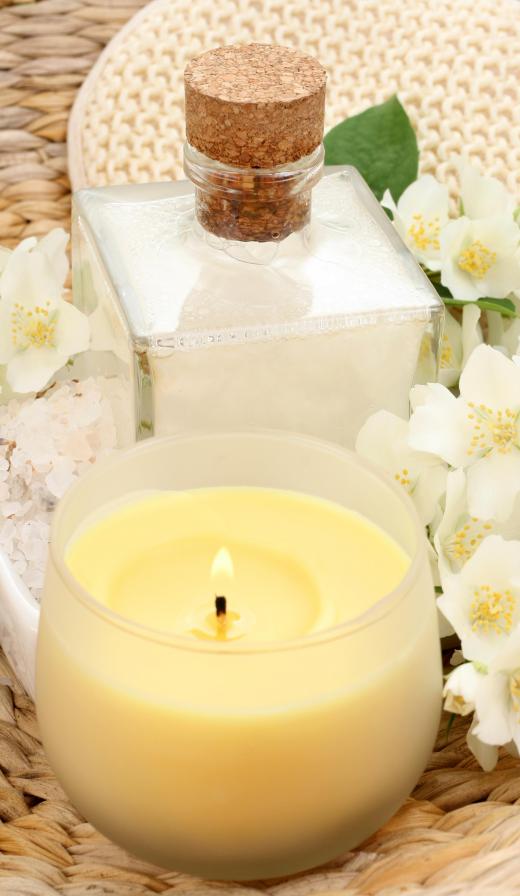
Yes, jasmine is widely used in skincare for its soothing, moisturizing, and anti-inflammatory properties. It's beneficial for dry, sensitive skin and can help in treating scars and stretch marks. Jasmine oil is also known for its ability to help balance moisture in the skin, making it a versatile component in lotions and creams.
How is jasmine used in the culinary world?

Jasmine flowers are used to flavor dishes and beverages, most notably jasmine tea, which is prized for its delicate fragrance and taste. The flowers are sometimes used in desserts, syrups, and alcoholic beverages, adding a subtle, sweet flavor. In some cultures, jasmine is also used to impart aroma to rice dishes.
What role does jasmine play in cultural and religious ceremonies?

Jasmine holds significant cultural and religious symbolism, especially in Asia. It's often used in garlands for weddings and religious offerings due to its pure white color and exquisite scent. In some traditions, jasmine represents purity, love, and beauty, making it a staple in various ceremonies and celebrations.
Is jasmine used in perfumery?
Jasmine is a cornerstone in the perfumery industry, known for its rich, sweet, and exotic scent. It's a common middle or base note in many fragrances, providing depth and longevity to the scent profile. The extraction of jasmine essence is a labor-intensive process, which can make it one of the most expensive perfume ingredients.
Are there any environmental benefits to growing jasmine?

Growing jasmine can have several environmental benefits. It's a natural pollinator attractor, encouraging biodiversity. Jasmine plants can also improve air quality by absorbing pollutants and producing oxygen. Moreover, their dense foliage can provide shade and help in cooling the surrounding area, contributing to urban green spaces.
Malcolm Tatum
After many years in the teleconferencing industry, Michael decided to embrace his passion for trivia, research, and writing by becoming a full-time freelance writer. Since then, he has contributed articles to a variety of print and online publications, including AllThingsNature, and his work has also appeared in poetry collections, devotional anthologies, and several newspapers. Malcolm’s other interests include collecting vinyl records, minor league baseball, and cycling.
Learn more...
Malcolm Tatum
After many years in the teleconferencing industry, Michael decided to embrace his passion for trivia, research, and writing by becoming a full-time freelance writer. Since then, he has contributed articles to a variety of print and online publications, including AllThingsNature, and his work has also appeared in poetry collections, devotional anthologies, and several newspapers. Malcolm’s other interests include collecting vinyl records, minor league baseball, and cycling.
Learn more...AS FEATURED ON:
AS FEATURED ON:









-
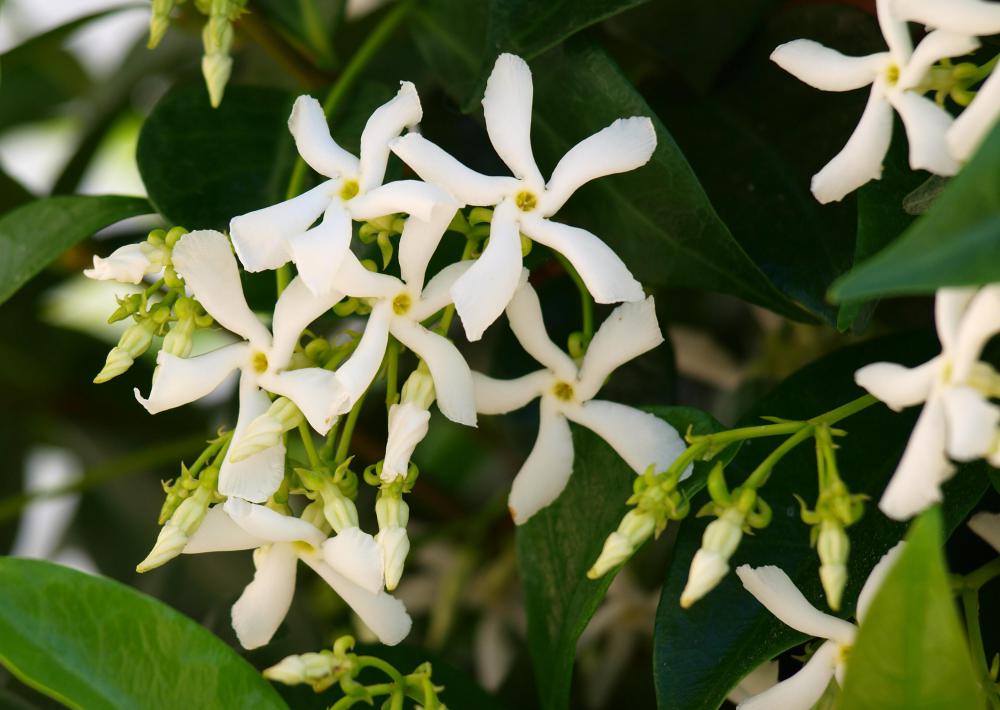
![Star jasmine.]() By: nadsudStar jasmine.
By: nadsudStar jasmine. -
![Jasmine tea.]() By: hitdelightJasmine tea.
By: hitdelightJasmine tea. -
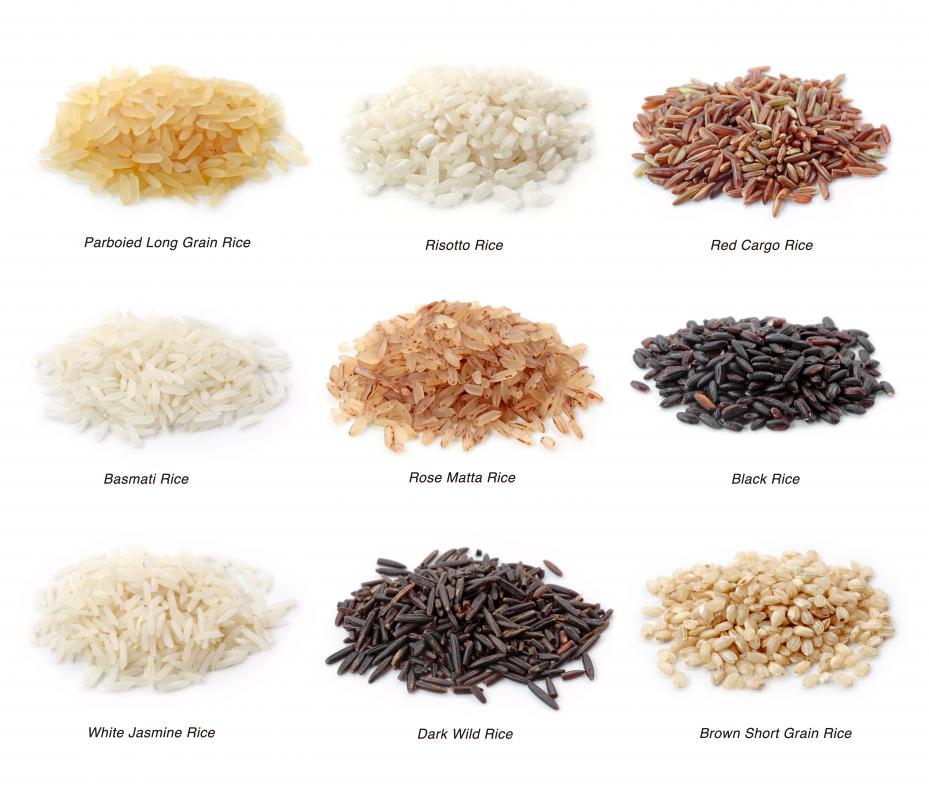
![Different types of rice, including white jasmine rice.]() By: Elena SchweitzerDifferent types of rice, including white jasmine rice.
By: Elena SchweitzerDifferent types of rice, including white jasmine rice. -
![Jasmine lotion and jasmine-scented candle.]() By: matka_WariatkaJasmine lotion and jasmine-scented candle.
By: matka_WariatkaJasmine lotion and jasmine-scented candle. -
![Jasmine essential oil.]() By: wasansrisawatJasmine essential oil.
By: wasansrisawatJasmine essential oil. -
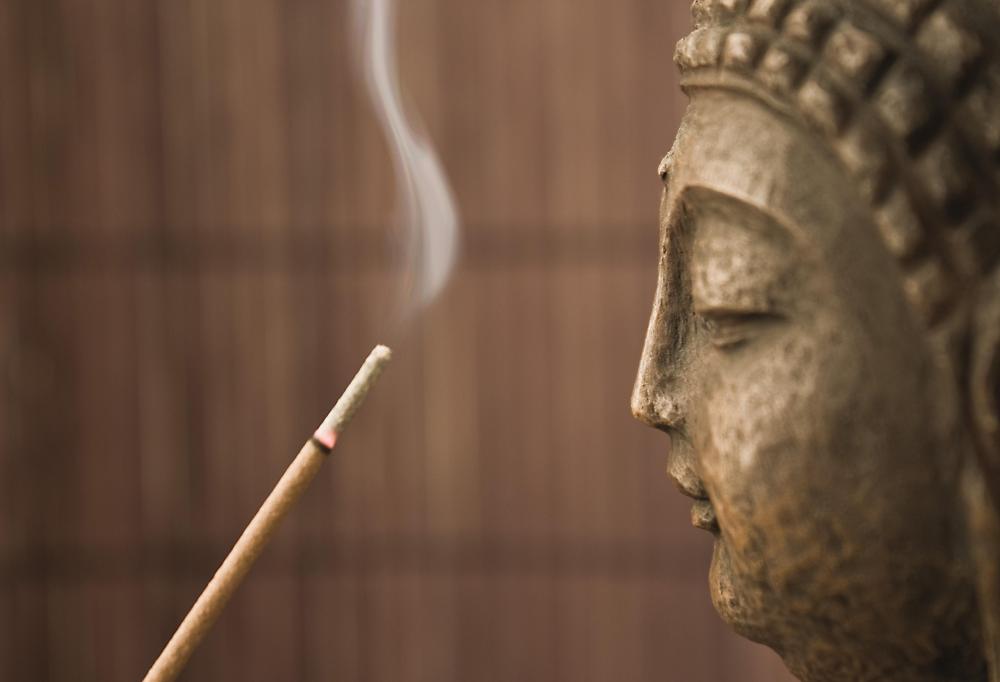
![The scent of jasmine is often used in incense.]() By: styleuneedThe scent of jasmine is often used in incense.
By: styleuneedThe scent of jasmine is often used in incense. -
![Herbalists sometimes use jasmine to treat fever.]() By: evgenyatamanenkoHerbalists sometimes use jasmine to treat fever.
By: evgenyatamanenkoHerbalists sometimes use jasmine to treat fever. -
![Jasmine may be used in aromatherapy to treat insomnia.]() By: Dan RaceJasmine may be used in aromatherapy to treat insomnia.
By: Dan RaceJasmine may be used in aromatherapy to treat insomnia. -
![Jasmine tea is used to treat heat exhaustion.]() By: roboriginalJasmine tea is used to treat heat exhaustion.
By: roboriginalJasmine tea is used to treat heat exhaustion. -
![Jasmine can be used to treat conjunctivitis.]() By: Stacy BarnettJasmine can be used to treat conjunctivitis.
By: Stacy BarnettJasmine can be used to treat conjunctivitis. -
![An extremely popular beverage in Asia, jasmine tea is often made using the Arabian or night-blooming cultivars.]() By: Igor NormannAn extremely popular beverage in Asia, jasmine tea is often made using the Arabian or night-blooming cultivars.
By: Igor NormannAn extremely popular beverage in Asia, jasmine tea is often made using the Arabian or night-blooming cultivars. -
![Jasmine oil can be used to help women through postpartum depression.]() By: Vanessa van RensburgJasmine oil can be used to help women through postpartum depression.
By: Vanessa van RensburgJasmine oil can be used to help women through postpartum depression.







Discussion Comments
In addition to skin health benefits, jasmine is also commonly massaged into hair.
Jasmine is known to reduce frizzing and provide moisture to dry hair.
Massaging jasmine into your hair also gives the added benefit of leaving the soothing, stress-reducing aroma at your disposal for an extended period of time.
Post your comments