
At AllThingsNature, we're committed to delivering accurate, trustworthy information. Our expert-authored content is rigorously fact-checked and sourced from credible authorities. Discover how we uphold the highest standards in providing you with reliable knowledge.
What are the Different Types of Water Source?
Many people receive their water from water treatment facilities and water towers. Water, however, is a natural resource, so its true sources are also natural, and typically include icecaps, rivers, and oceans. When people receive their water by way of pipes or wells, they should understand that these are a distribution mechanism instead of a source.
Earth’s largest water source is the oceans. There are five oceans: the Atlantic, Pacific, Indian, Southern, and Arctic. Together they contain about 97% of Earth's water. This is saltwater, which is beneficial to humans for many things, such as traveling and maintaining natural cycles, but it is not useful for drinking. Consuming saltwater can actually be very harmful to humans.

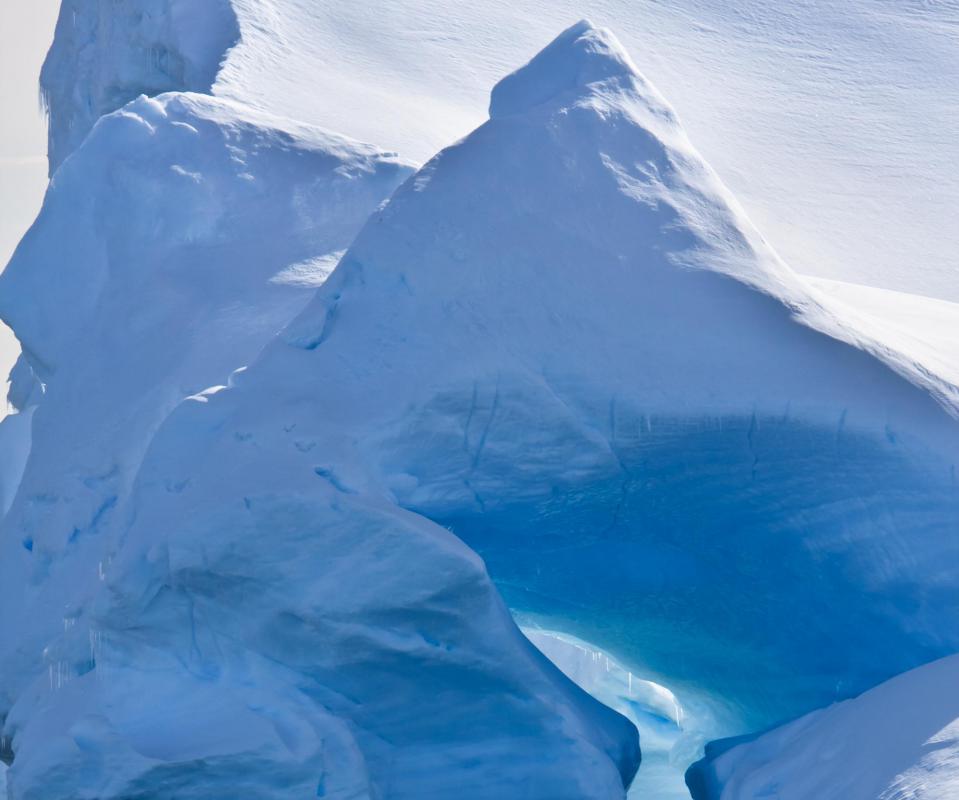
The majority of freshwater is frozen, mainly in the form of glaciers and icecaps. A glacier is a large body of slowly moving frozen water that, if it were instantly melted, would be converted into a river. An icecap is a miniature sheet of ice found at high elevation, such as in the mountains. Other frozen water sources include permanently frozen ground, or permafrost; icebergs; and ground ice.

These frozen water sources can affect the sea levels. If wide scale melting occurred, Earth’s water levels would increase and the land area would decrease. It is commonly believed that at different points in history, when the climates were different, the levels of the various sources of water were also different.
The second largest freshwater source is groundwater, which is water that lies under the surface of the land. It exists almost everywhere in the world, although, in some places, a person would have to dig quite deep to access it. This water may be accessible in other locations, but it may not be healthy for human consumption if it is not treated.

The level of groundwater is supplied, in part, by precipitation. When rain falls, for example, it sinks down into the ground. It is often collected in aquifers, which are natural water storage compartments formed between the rocks under the surface. Groundwater is an important water source for human consumption.
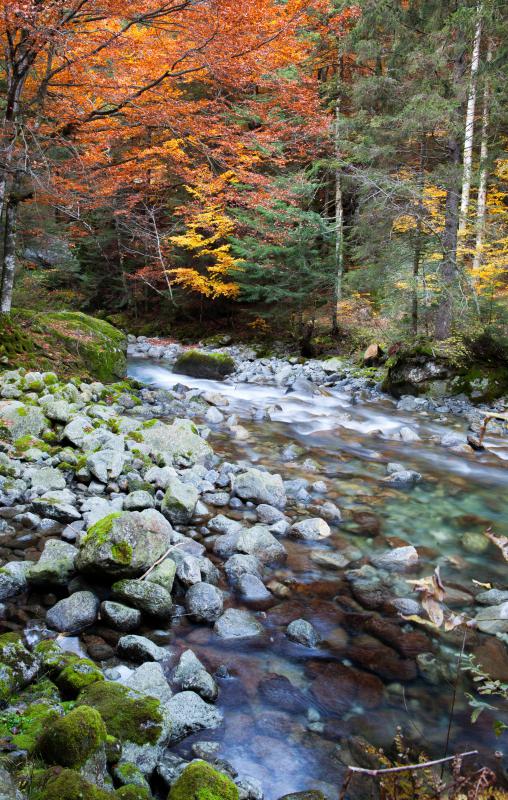
Most of the water that people use, however, comes from rivers, which falls into a category known as surface water. This category is represented mainly by lakes, but it also includes swamps. Surface water represents the smallest amount of water on Earth.
Frequently Asked Questions
What are the main types of water sources?

Water sources are primarily categorized into surface water and groundwater. Surface water includes rivers, lakes, and reservoirs, which are visible on the Earth's surface. Groundwater, on the other hand, is found beneath the surface in aquifers and can be accessed through wells. Both types are crucial for providing drinking water, irrigation, and supporting ecosystems.
How does groundwater differ from surface water?

Groundwater is stored in the tiny spaces within rocks and sediments beneath the Earth's surface, while surface water is found in bodies like rivers, lakes, and oceans. Groundwater is generally cleaner due to natural filtration through soil and rock layers, whereas surface water is more susceptible to pollution and requires more treatment before consumption.
What is an aquifer and why is it important?
An aquifer is a body of permeable rock or sediment that holds and transmits groundwater. They are vital as they store large amounts of freshwater, which can be tapped for human use through wells and springs. According to the US Geological Survey, aquifers provide about 30% of the freshwater used in the United States.
Can you explain what a watershed is?
A watershed, also known as a drainage basin, is an area of land where all the water under it or draining off of it goes into the same place, such as a particular river, lake, or ocean. Watersheds are essential for collecting precipitation and channeling it into streams and rivers, eventually supporting diverse ecosystems and human water supplies.
Why is it important to protect our water sources?
Protecting water sources is crucial for maintaining a sustainable supply of clean water for drinking, agriculture, and industry. Pollution, overuse, and climate change can degrade these resources, leading to shortages and ecosystem damage. Ensuring clean and abundant water supports public health, biodiversity, and economic stability.
What role do wetlands play in water purification?
Wetlands act as natural water purifiers by filtering pollutants and sediments from water that flows through them. They absorb excess nutrients, trap sediments, and break down contaminants, improving water quality. The Environmental Protection Agency highlights that wetlands can also recharge groundwater supplies and mitigate flooding by absorbing excess stormwater.
AS FEATURED ON:
AS FEATURED ON:









-
![A water tower.]() By: chandelleA water tower.
By: chandelleA water tower. -
![Icebergs are a water source.]() By: Goinyk VolodymyrIcebergs are a water source.
By: Goinyk VolodymyrIcebergs are a water source. -
![Most of the water people use comes from rivers.]() By: Silvano RebaiMost of the water people use comes from rivers.
By: Silvano RebaiMost of the water people use comes from rivers. -
![Many people receive their water from water treatment facilities.]() By: antiksuMany people receive their water from water treatment facilities.
By: antiksuMany people receive their water from water treatment facilities. -
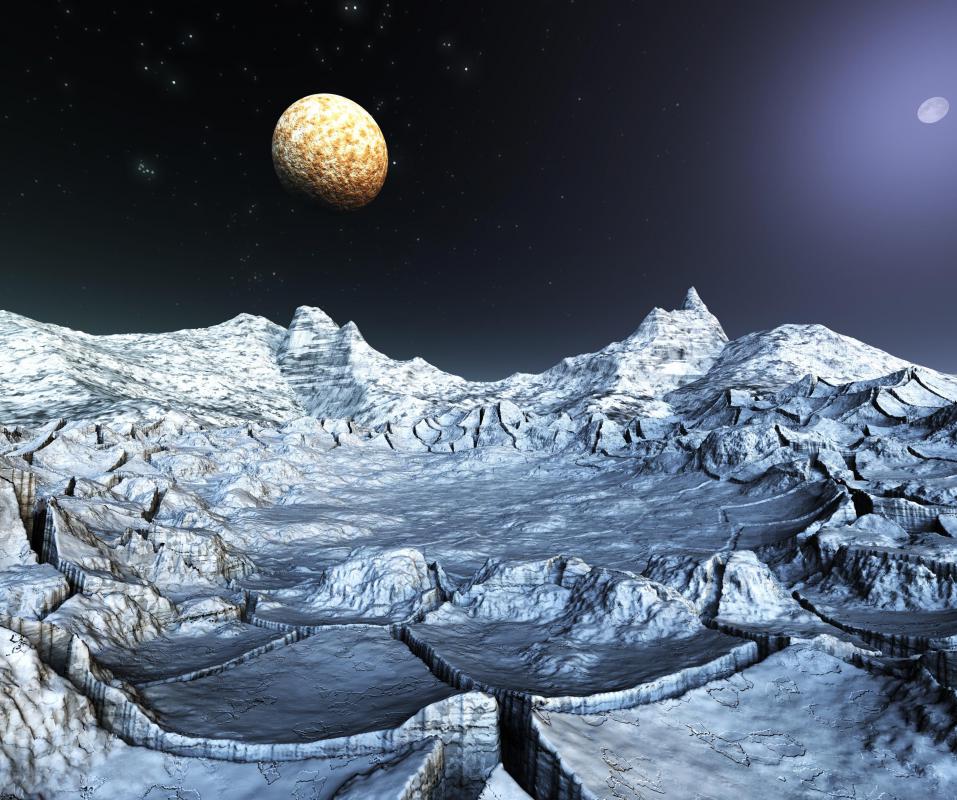
![Scientists have speculated about frozen water on other planets being able to sustain life.]() By: Stephen CoburnScientists have speculated about frozen water on other planets being able to sustain life.
By: Stephen CoburnScientists have speculated about frozen water on other planets being able to sustain life.


Discussion Comments
@ ValleyFiah- The difference between other types of groundwater wells and springs have to do with the characteristics of the ground that the water table is located in. Amphibious54 illustrated the characteristics of artesian wells. An artesian spring is simply a naturally occurring artesian well.
Other types of springs are also places where groundwater naturally reaches the surface. They can be created by a cliff face that cuts through the porous rock, all the way to the impermeable shale or granite below. This will cause the water table to flow out of the cliff face in various springs.
Wells can also be drilled into these types of areas where the rock layers between the surface and the water table are porous. In these cases a seasonal well is only drilled to the seasonal water table, whereas; a year round well is drilled to the year round zone of saturation.
@ ValleyFiah- An artesian well is a well that is drilled into a special type of groundwater aquifer. The difference between a flowing and non-flowing artesian well basically depends on where the well is located.
Artesian aquifers are aquifers located between two layers of impermeable rock. For example a cross section of the earth could reveal a granite layer as the bottom layer, a layer of sandstone as the permeable aquifer layer and a layer of granite again as the uppermost impermeable layer. Ground water is able to flow through the sandstone layer but it will be trapped between the two granite layers. An artesian well is drilled through the top layer into the permeable middle layer.
In a flowing Artesian well, the wellhead is at a lower elevation than the recharge area of the aquifer. This can cause the water to shoot out of the well like a geyser through natural water pressure. A non-flowing artesian well is drilled at higher elevations. In this type of well the well head is at a higher elevation than the recharge area; preventing it from having natural pressure.
What is an artesian well? What is the difference between a flowing artesian well and a non flowing artesian well? I know they are both sources of ground water, but what makes them different from springs, and regular groundwater wells?
Post your comments