
At BeautyAnswered, we're committed to delivering accurate, trustworthy information. Our expert-authored content is rigorously fact-checked and sourced from credible authorities. Discover how we uphold the highest standards in providing you with reliable knowledge.
What are the Different Types of Stretch Marks?
 Jessica Ellis
Jessica Ellis
Jessica Ellis
Stretch marks, or striae, are a type of skin scarring that affects the dermis and epidermis layers of the human skin. There is really only one type, but they can be categorized in a number of different ways. First appearing as red or purple lines on the skin, the scars usually fade to silver-pink or white within a few years. Experts believe that they develop for two different reasons: when the tissue beneath the skin grows faster than the skin itself or because of hormones. They are more likely to develop during pregnancy, adolescence and when a person is undergoing physical training. Although many treatments, such as topical oils and laser resurfacing, are available, none have proven consistently effective at preventing, reducing or removing the scars.
How Stretch Marks Form
The science behind different types of stretch marks is not definitive, and there are two major theories are in place for why they happen. The first has to do with rapid expansion of the skin, while the second relates to hormones.

The human skin is made up of three layers: the epidermis, the dermis, and the subcutis. The middle layer, the dermis, is rich in collagen, which is meant to keep the skin taut. The theory that is most widely accepted about stretch mark formation is that, in any period of rapid growth, collagen production isn't always able to keep up with the stretching of skin. The dermis sometimes tears and loses elasticity, resulting in discolored scarring of the skin, or a stretch mark.

While the stretching-skin theory is commonly accepted, some experts argue that a hormone called glucocorticoids is responsible. The body secretes this hormone in high concentration in adolescents, pregnant women, bodybuilders and those suffering from obesity. Experts suggest that the hormone prevents collagen from forming, causing a breakdown in elasticity. While the stretch marks may appear in areas subject to sudden growth, it is possible that the scarring is caused by the hormone increase, rather than the growth itself.
Types by Coloration

A simple way to classify stretch marks regardless of their origin or location is by color. Red or purple stretch marks are fairly new, typically less than a year old. Ones that are older than a year usually appear as silvery or white. Dermatologists usually consider red or purple stretch marks easier to treat, because the skin is still in the process of trying to heal.
Types by Cause
Adolescence

In adolescence, growth spurts or sudden weight gain can cause stretch marks. Most commonly, they occur where fat is stored, and typical areas for growth-spurt related types of stretch marks are the back, upper arms, breasts, hips and thighs. Some studies have shown that as many as 70% of adolescent girls and 40% of adolescent boys are affected by striae.
Physical Training

Bodybuilding or weightlifting can lead to stretch marks. In these cases, marks usually appear on the growing muscles, such as the biceps or calves. Users of steroids, such as cortisone, are particularly subject to these types of stretch marks. Steroid use lets a person rapidly build muscle tissue, which might cause skin to stretch at an increased rate.
Pregnancy
One of the most common groups affected by stretch marks is women who are pregnant. As the unborn baby grows, it rapidly expands in the uterus, stretching the skin over the abdomen. The breasts also get bigger in preparation for breastfeeding.

Studies suggest that between 70 and 90% of pregnant women develop stretch marks. Most medical professionals and women see them as a completely normal part of pregnancy, although most women still are not happy to get them. They usually show up around the third trimester, or around the seventh month of pregnancy. Prior to this point, the baby usually isn't big enough to cause extreme stretching of the skin tissue.
Removal Methods and Their Effectiveness

Most types of stretch marks usually fade with time, but they are unlikely to disappear entirely. Companies and some people in the medical field sometimes recommend various topical oils and creams to prevent stretch marks from appearing, with mixed results. People also turn to laser treatments, chemical peels and ointments to reduce the appearance of already formed striae. The idea with these methods is that they keep the skin supple, encouraging healthy skin cell turnover and stimulating collagen growth so that the scar tissue eventually goes away.
Despite plenty of hype, most physicians acknowledge that the majority of creams, oils and resurfacing techniques recommended for stretch marks are ineffective. Much of this is because they do not penetrate to the deeper layers of the skin where the stretch marks actually are. No treatment has been proven to completely remove the striae.
Jessica Ellis
With a B.A. in theater from UCLA and a graduate degree in screenwriting from the American Film Institute, Jessica is passionate about drama and film. She has many other interests, and enjoys learning and writing about a wide range of topics in her role as a BeautyAnswered writer.
Learn more...
Jessica Ellis
With a B.A. in theater from UCLA and a graduate degree in screenwriting from the American Film Institute, Jessica is passionate about drama and film. She has many other interests, and enjoys learning and writing about a wide range of topics in her role as a BeautyAnswered writer.
Learn more...AS FEATURED ON:
AS FEATURED ON:


-
![Stretch marks commonly occur in the third trimester of pregnancy.]() By: igorborodinStretch marks commonly occur in the third trimester of pregnancy.
By: igorborodinStretch marks commonly occur in the third trimester of pregnancy. -
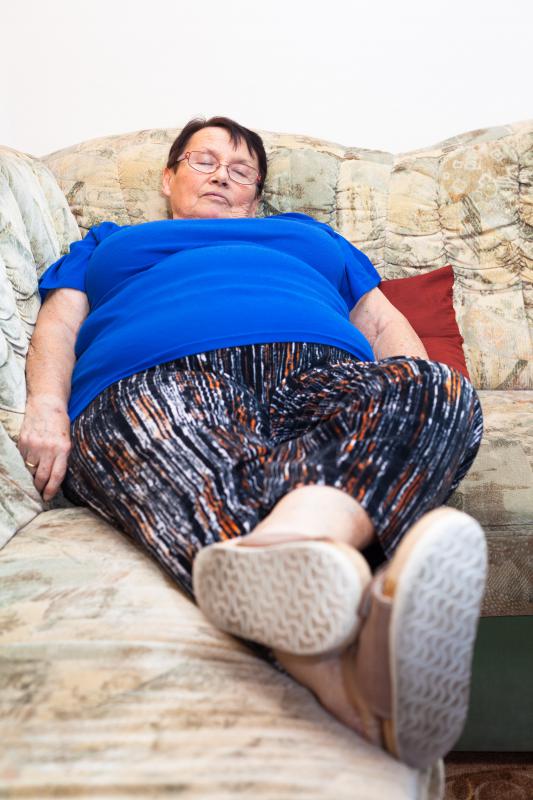
![Obese individuals are often prone to stretch marks and other scarring.]() By: JanMikaObese individuals are often prone to stretch marks and other scarring.
By: JanMikaObese individuals are often prone to stretch marks and other scarring. -
![Because nicotine found in cigarettes damages the fibers and connective tissues in the skin, people who smoke may be more likely to develop stretch marks.]() By: illustrez-vousBecause nicotine found in cigarettes damages the fibers and connective tissues in the skin, people who smoke may be more likely to develop stretch marks.
By: illustrez-vousBecause nicotine found in cigarettes damages the fibers and connective tissues in the skin, people who smoke may be more likely to develop stretch marks. -
![Growth spurts during adolescence can cause stretch marks.]() By: stillkostGrowth spurts during adolescence can cause stretch marks.
By: stillkostGrowth spurts during adolescence can cause stretch marks. -
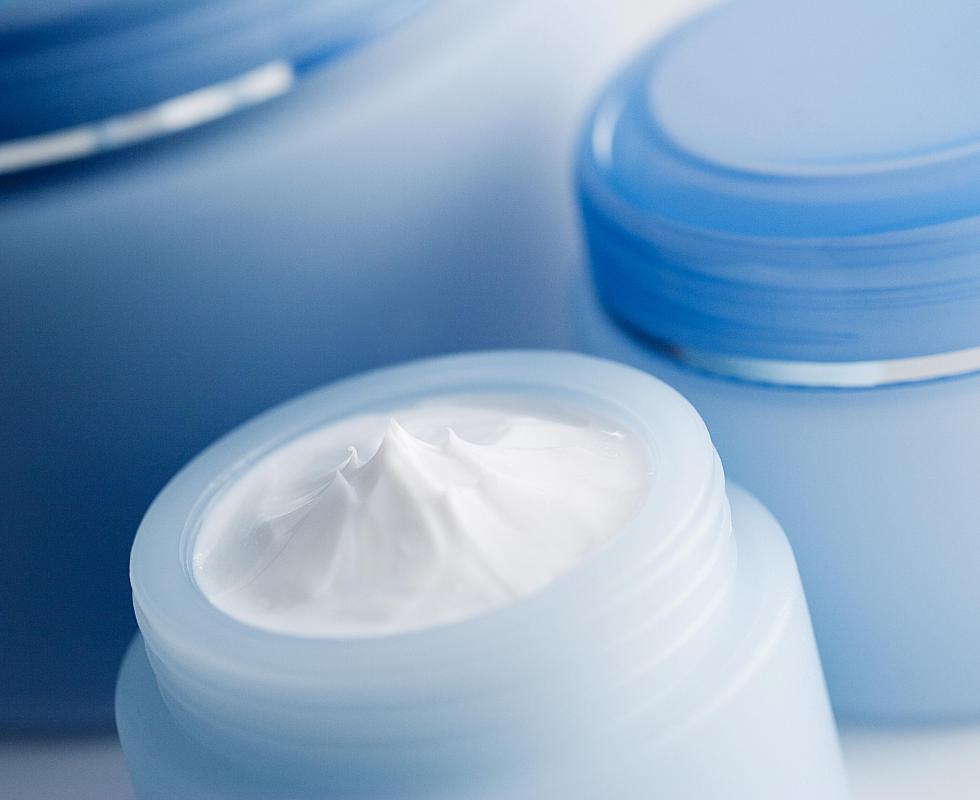
![Creams that contain vitamin E may be helpful in treating stretch marks.]() By: Olga LyubkinCreams that contain vitamin E may be helpful in treating stretch marks.
By: Olga LyubkinCreams that contain vitamin E may be helpful in treating stretch marks. -
![Some pregnant women use cocoa butter as an emollient to help prevent stretch marks.]() By: HalfpointSome pregnant women use cocoa butter as an emollient to help prevent stretch marks.
By: HalfpointSome pregnant women use cocoa butter as an emollient to help prevent stretch marks. -
![Pregnant women have high levels of hormones that are called glucocorticoids.]() By: GajusPregnant women have high levels of hormones that are called glucocorticoids.
By: GajusPregnant women have high levels of hormones that are called glucocorticoids.





Discussion Comments
I'm 16 years old and I'm 5'1. I started developing stretch marks on my hips, thighs and bum when I was 12. I'm short so its not that I stretched or grew, and I'm 96 pounds, so it's not like I'm a bigger girl, so why do I have stretch marks? I live with it and am learning every day to cope but they are embarrassing and I hate them so so much.
Hello people of ages and genders! I'm in my late 20s and I'm overweight and a woman -- and I have a bunch of stretch marks too. Like everyone else, some came one kind of suddenly at times, and came on in place that seemed like wasn't even growing that much (breasts in teen years) and knees! Like everyone else, I'm super insecure about them.
However, this is the good news! I found that if I just dated regular guys, they were pretty okay with my body, some of them acted like it wasn't a huge deal at all and others were like more like "I love you for who you are as a *person*". And I was shocked to find that some of the guys had stretch marks too! Even thin athletic ones! Now the males I've dated with this body have been all kind of people. Some were more athletic or more artistic, maybe musicians, even a nerdy programmer type, people from all kinds of backgrounds and rich and poor alike, lawyers and students and business men and hippies and a country boy or two (Most of them weren't overweight, if you were wondering). So, my experiences proves that you can show your body to someone, in whatever state it is in and they can love you and it, making your body feel good and you making theirs feel good. (by the way, they all dated either thinner women or a variety of body types! However once I dated a guy who loved "plus sized" ladies and that was interesting!) My point is that there are lots of guys who can look past/don't care/aren't bothered by these things or outright enjoy some of them (i.e.. curvy women)!
Have faith in your love and your mind, and be willing to care about someone and get to know them. I've had more casual flings and I've had several two-plus year relationships, so really, I'm here to show you that a man or woman can and will love you for being you. Our bodies aren't ever all perfect.
Now that I'm a grown woman, I'm a photographer and I can assure you that even famous people do not look awesome, have cellulite and stretch marks too. A lot of body make up is used in media in addition to photoshop. So try to love yourself and relax!
Also, fast tip: candle lighting is extremely flattering for one's skin! And romantic too.
I'm 19 and I starting getting stretch marks when I was 15, I think due to a growth spurt. Now they're on my knees, thighs, hip, bum, lower back arms inside and out, and behind my armpits.
Chin up, people. I have huge, visible stretchmarks across my stomach, breasts, thighs, back of my knees, shoulders, and then to top it off, acne scars from my teen years on my face, shoulders, chest, and buttocks. It's caused me astounding amounts of emotional grief, and no one ever knew because I never wore anything less than a T-shirt and pants regardless of the weather.
No matter what your circumstances, there are always people out there who have it worse than you do. Just look up the worst kinds of disfigurements you can think of and read their victims' biographies. None of those people laid down and died. They still get married and have kids and lead worthwhile, successful lives. Folks out there have it way worse than you or I, and they're making the best of things. A lot of the time their suffering has made them live their lives to the fullest!
I had a fellow classmate who had much worse facial acne than I did, and I had a lot of trouble grasping how he could still be so much happier than I was. For him, I think it was that he didn't dwell on it. He was always on the go, whether it was school, work, sports, or his very active social life, and I don't think that it was the fact he was so busy that it kept his face off his mind. I think it was that he knew what a small part his appearance played in his overall worth.
So when I finally got the courage to ask him about his secret, he told me, "If you can't help how you look, then don't mind how you look. Even if you don't think its possible, there are people who love you for being you."
Well at least I'm not the only one with this problem. It seems like there's a ton of people looking for the same solution as me. I'm 16 with stretch marks on my lower back right above my butt and it makes me so insecure, more insecure than I already am. I didn't notice them until recently and now I can't stop thinking about them and hating it.
What's even more strange, though, is that there aren't stretch marks all the way across my lower back. Instead, there's like 3 on the right side and three on the left. And they're white so the more I tan, the more noticeable they are which makes me not want to go swimming or anything.
I've known I had stretch marks since I was like 13, but they've just started getting worse and it's not from a growth spurt because I've been 5'7 and 115 pounds for a good while now.
Hopefully I'll find something that works soon.
I'm 16 and I have them all around my hips and bum from growing too fast, even a few on the inside of my thighs have developed recently, along with a fair few on my calves on the inside joint of the knee due to muscle build up from cycling and running. Plus they run in my family.
I can completely relate on how insecure they make me feel. They have all faded to white very quickly but I have very pale skin so they show up really well. I try not to bother too much and nobody seems to notice, or they're just mature enough to appreciate that they aren't uncommon, it's just the fact that I know they're there and it makes me self conscious wearing shorts or going swimming.
I'm 17 and I really grew fast. I have stretch marks everywhere -- on my back near the shoulders, on my upper and lower arms, on my hips and legs. I used to weigh 120 now I weigh 161.
It really only took me one year to gain all that weight. I need to lose 32 pounds. My doctor says if I lose that weight, I won't have stretch marks anymore, but there are people out there who bigger than me and don't have stretch marks and I'm working to lose 32 pounds but it's hard and I can't wait for certain things. I already lost 12 pounds.
I am 18 years old and have marks all over my body. I have them on my breast, back, hips, stomach, legs, thighs and even the area near my armpit. I'm very insecure, and I feel like killing myself. Moreover, the stretch marks I have are permanent white ones. I'm ashamed of myself.
I'm a 21 year old, white female. When I was in eighth grade, I grew six inches in three months. My stretch marks are on the backs of my thighs and were very light pink or white on my pale skin. I had no problems until this year. For some reason they turned red. Not only that, but my skin feels so delicate that they are still tearing just by me sitting or even lying down in my bed. I can feel slight pain like a sting almost (about an eighth of a pain compared to a paper cut).
I haven't been gaining any weight. My hips have gotten a bit bigger from the hip bones, but that shouldn't affect my thighs. I'm at a loss on what to do. I'm very concerned because they are getting worse. I keep looking for things to help, but so far I found nothing.
I am a 16 year old African American female and I have stretch marks on top of my shoulders. It is like the worst thing ever besides me being a big girl. But that has nothing to do with on top of my shoulders!
I don't wear any tank tops or sleeveless shirts unless I have some kind of cardigan or nice sweater. They are on my stomach too. And it really kind of stinks because I want to be just like every other girl and dress pretty too. I am a very insecure person. However, no matter how many or what kind of stretch marks you have, you are all beautiful.
I can completely understand everyone on this subject. I'm a 21 year old female and for some reason within the past year or so I've been developing a bunch of stretch marks, all coming at the same time. I get so depressed about them and I just wish they'd go away. I have always felt unattractive but now I just feel like I should cover myself with a blanket when I go outside.
I'm 13 and have purple stretch marks on the left side on my right breast and right side and on my left side and it's because I grew too quick. I had a 32 a when I was 7 and hormone problems too.
After I had my first son (at 26) ugly stretch marks on my tummy became a problem. I didn't use any products. Guess what? On the label, one is usually told to massage the products in. So I just used my bare hands and twice to three times daily massaged the problem area (tummy). The stretch marks diminished immensely after like three to four weeks.
Maybe you could try that.
I have just turned 21 and in the last year, I have gone from a size 10 to a size 16 after finding out I have PCOS, and unfortunately I have become covered in them. My worst ones are on my stomach. My sister recently had a baby and mine are worse than hers. I'm 6ft, so a size 16 doesn't look overly huge, but my stretch marks say otherwise.
As well as my stomach, I have stretch marks on my C cup breasts, my thighs, my hips and moving towards my back. It doesn't feel pleasant but thankfully, my boyfriend normalises them and makes me feel better about my colourful striped skin.
Anon 131778 and anon 180467, I strongly relate to you both, but hold your head up high. It is difficult but you need to embrace what you have got. Going from a size 10 to a size 16, and getting stretch marks everywhere within a few months, I have come to accept it. It hasn't been easy, but trust me, you will get there. I have full faith. And anon 180467, Keep searching for what cream/oil helps you and your stretch marks. I'm still looking, but bio oil works for my friend.
I am 38 years old and I have had stretch marks on my shoulders upper arms and all over my sides and legs. The ones on my legs are not that big of a deal to me. It's the ones on my shoulders that make me feel really bad. Here in the southern part of the usa, you see lots of black women with shoulder stretch marks. I'm not sure if its more common in black women or not.
I am not comfortable enough to wear my arms out in public ever. I have never, ever worn a sleeveless top or swimsuit in over 25 years. It makes it hard to find someone to love you for you, when you have deep self esteem problems.
I'm 13 and I have a purple stretch mark on my left shoulder.
But it's because I'm growing too fast.
I'm 5'10 so far.
I'm 18 years old and have them on my hips, bum and upper thighs and i have just recently had a new one come up on my belly. I hate them so much i feel as if am the only one with them and that i will never have a boyfriend because if he sees them, he will leave me for someone perfect looking. I am so upset as i heard there is no solution. I am ruined!
I am 24 years old and had my third child when I was 23. I have never had one stretch mark with any of my pregnancies. During the delivery of my third child I got three to four inch deep stretch marks horizontally across my spine. My third baby was also my smallest by 1 1/5 lbs, so what caused this? I have been asking around and have never got a answer.
anon157405: I have the exact same problem as you! I'm not fat at all and I'm pretty short. I have them on both sides of my spine. Three on each side, exactly across from each other. More are developing. The only difference is that I am younger, 13. You may say that they can be from growing, but I haven't been for awhile. Please help me by telling me what is wrong! Someone!
I have heard that a good quality vegetable-source squalene supplement, taken in capsule form, when taken internally, can improve the appearance of stretch marks and even prevent them from forming.
it's a kind of fatty acid that is sometimes taken from sharks, but plant sourced squalene is the form i have heard is very good for the skin though. I hope this helps and good luck to everyone.
I am 27 year old female. Always been the skinniest, and the shortest. No reason to have stretch marks but they are developing on my mid back over and both sides of spine. No weight gain. What's going on.
I'm 19 and have whitish marks. They're only visible at certain spots. On my inner thigh on one side then on the side of my butt. I do not know what it's from cause I've never been over weight and I'm short so it's no growth spurt, but I'm a very active athlete, gymnast. I want to get rid of them, but everything is so expensive. What actually works?
Anon37318: I am 19 and I have had stretch marks on my shoulders for like four years now. It's so embarrassing in the summer, I don't wear sleeveless shirts. Have you found anything that worked for them?
I'm 16 and i basically have stretch marks everywhere. it makes me feel so self conscious or even like a zebra at times.
i hate them so much. i never used to have them. they just suddenly started appearing for about a year now. I'm not overweight at all and never have been and I'm not tall either so i don't know why I'm getting so many stretch marks everywhere.
i get depressed even looking at them. i just want them to disappear forever. i have them on my breasts, thighs, legs, a tiny bit on my belly and even my arms! they're not very noticeable but still i just hate them so much!
I'm 15, I'm turning 16 in January. I have had stretch marks on my inner thighs for a few years and they're embarrassing but I lived with it. Now I'm getting them on my hips right above where I wear my pants and I have to pull them up or have a shirt tucked in to hid them.
I've recently also noticed that some scars on forming going down my legs ending at my knees. I am not overweight and have never been. I've always been small and athletic for the most part. What I don't understand is where my stretch marks are coming from and they make me feel sick.
My mom makes comments some times that just make me feel ugly and I know I'm not because guys have always liked me. I want to know what to do now so that I can get rid of these stretch marks before I have to start wearing shorts and bathing suits again. I'm poor so all the expensive $20-$60 treatments are way too much money. Doesn't anyone know of a home remedy?
I have these too on my back. I'm 15 and 6 foot 4 so obviously I'm very tall for my age. I have lost weight rapidly and gained a lot of muscle too from rowing so that could have something to do with it. is there a way of getting rid of it?
I've even had thoughts of putting make up powder on it when i have to take my shirt off which is regularly! Anyway, thanks for the help.
when working out, I feel stretch marks develop, and they sting!
I'm 15 years old (male) and seems like overnight i got stretch marks on my lower/middle back. I'm pretty tall for my age (6 foot 3 inches) but it's weird how they just appeared form nowhere.
I'm a 16 year old male and recently my parents thought that I was abused due to the "scars" on my lower back. Luckily your article disabused them of this notion. Saved us some time and money. Thanks a ton. - Andrew B.
I'm 15 turning 16, and I have many stretch marks which make me feel unattractive. I have become very anti-social because I believe I am too unattractive. These stretch marks make me feel so ugly!
My mother has some too, but not as bad as me. I have very few on my breast but they faded, which i don't care about. i have some on my thighs, and inner thighs and also on the back of my knees.
I was fine until I got them in the back of my knees, and now everyone can see them.
Help! I've got them everywhere: thick and wide stretchmarks on my sides, tummy, shoulder region. Luckily i don't av them on my breasts and buttocks. I'm a top heavy 36E actually, but i don't have them on my boobs but i hate the sight of them on my tummy. Yuck!
I'm 13 almost 14 and I've had stretch marks on my upper thigh and breasts since i was 11/12, then i started getting them on my hips and inner thighs! And now I'm getting little short ones on the back of my knees! Please help me. I'm too embarrassed to tell my mom. so far she only knows about the ones on my breasts.
i am 15 years old and i have had stretch marks for about two or three years now. I've gained weight, but not a lot, and for some reason just started getting a whole bunch of stretch marks.
i have them on my waist, very few on my back and some on my inner hips, also on the back of my knee. i am so ashamed of them. i hate when summer comes because i see so many people able to just walk around in their bathing suits but I'm constantly trying to hide them and covering them up. i will be 16 soon and i need something to take them away! even if it means me having surgery i will!
Hello, I am only 20 years old and i have stretch marks on my lower stomach and they make me feel unattractive. The weird thing is that i know i have gained a bit of weight over the past year but the marks came on literally overnight. I am trying creams and committed myself to diet and exercise, but they still make me feel bad. My partner keeps saying that he doesn't mind but i can see the difference in his eyes. Ah well, we will have to see how they look in the future.
hi anon37318,
I just came across your post looking for information on stretch marks. My son suddenly had them on his back from one day to the next and I never thought men could get them as well.
OK, I guess if they are extreme and bother you, you should get rid of them, or try to reduce their appearance to a point where you feel comfortable.
No one needs to suffer from such superficial things in times of easy and quick plastic surgery I guess. And there will probably be more serious conditions effecting your health later on in life that are much more difficult to remedy e.g. heart conditions, diabetes ... all to do with not leading an active life, not having enough exercise.
Maybe your healthfund will even carry part of the costs if you get a psychological report stating how they seriously effect you metal well being. Lots of luck. -Sylvia
I'm a 31 year old single female that has been cursed with a lot of stretch marks that I think are not very appealing. As a young girl, I was always the heavist person among my silbings. When I graduated from high school, I made a choice to change my life and take control of my body. That very summer with much help from my awesome, wonderful brother, he helped me with my workout regiments. After about three months, I noticed the weight began to come off. It was that very moment, I knew that I had to continue working out and eating right for the rest of my life. I've maintained my weight for the past 10 years. I'm still working out. There is the one negative thing that occurred during the wieght gain, I had a lot of stetch marks that I just could not get rid of. I've tried Coco butter, Medermia and everything you can possibly imagine. The stretch mark never disappeared.Due to my weight loss about 10 years ago, it has left me with these embarrassing stretch marks. I have them on my shoulders, upper arms, my stomach, my side and my back. I never wear any sleeveless garments, don't wear tube dresses or anything that can potentially expose the stretch marks. I feel like these marks have totally taken over my life as far as being in a serious relationship. The thought of being with a man and then him seeing all these stretch marks would totally turn him off. I know if Im not comfortable in my own body, what man can be comfortable with me.
Post your comments