
At WiseGEEK, we're committed to delivering accurate, trustworthy information. Our expert-authored content is rigorously fact-checked and sourced from credible authorities. Discover how we uphold the highest standards in providing you with reliable knowledge.
What Are the Different Types of Negative Calorie Food?
Though there have been many claims to the contrary, there has historically been no documented proof of the existence of negative calorie food. Fresh foods such as celery and grapefruit have been particularly popular diet foods due to these supposed qualities. Despite the lack of evidence to support the claim, the idea that the amount of energy required to eat and digest certain foods burns more calories than those present in the food has been so appealing to dieters that the myth continues to persist.
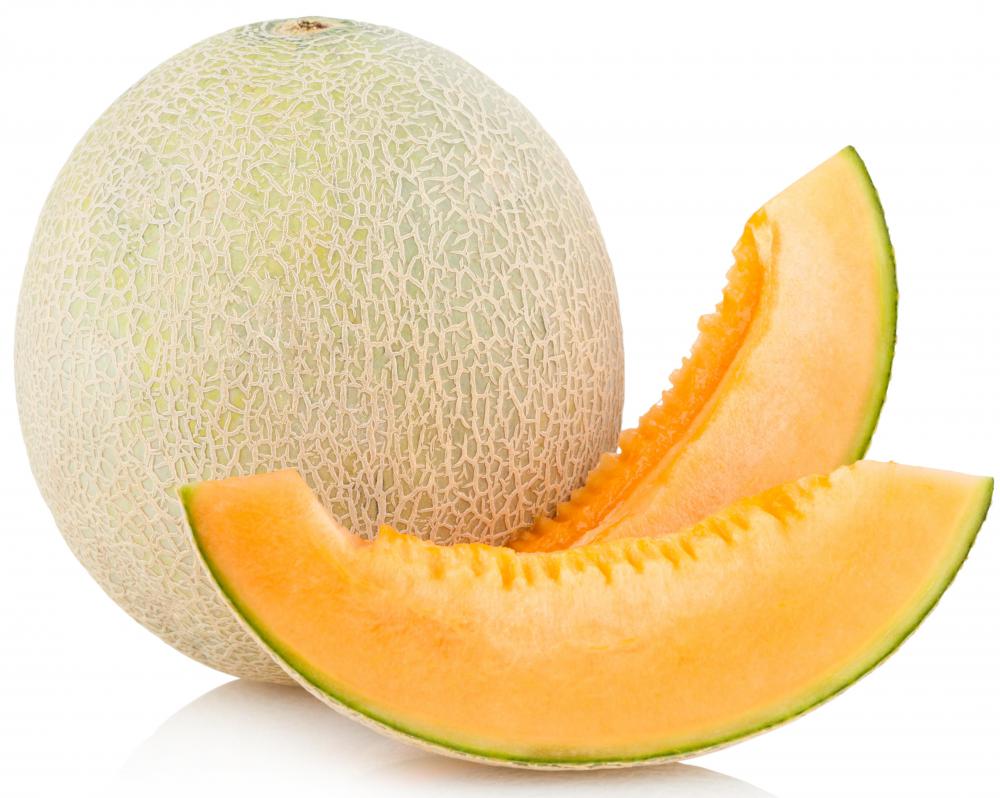
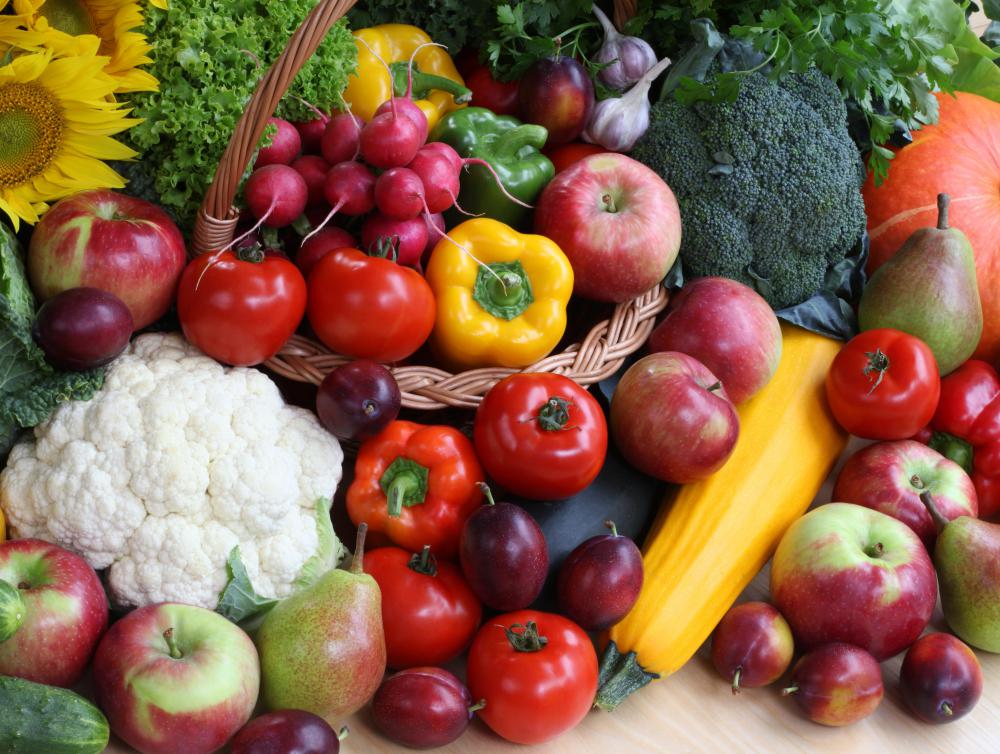
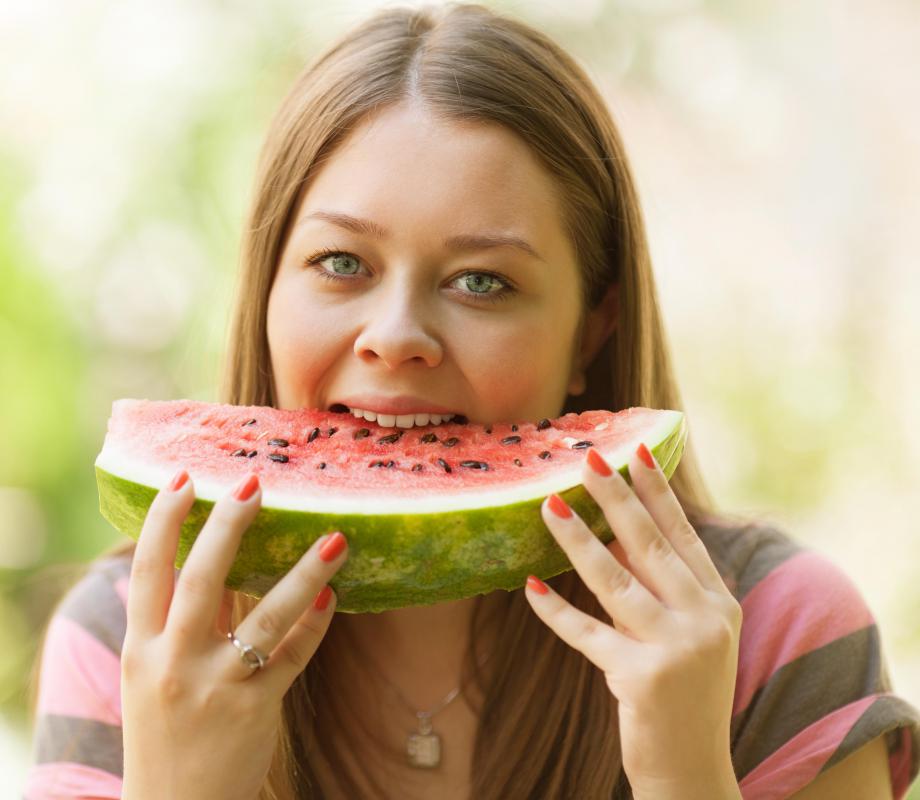
Several types of fruits and vegetables have been claimed to be negative calorie food. Some of the fruits believed to have these properties include watermelon, pineapple, apple, and cantaloupe. Other popular vegetables that are believed to be negative calorie food include cabbage, cucumber, and lettuce.

While there is no proof that there are fruits and vegetables that are truly negative calorie food, the items typically cited are usually low in calories. They also tend to be good sources of nutrition, fiber, and hydration. For this reason, these foods are still wise choices for people who would like to lose weight or simply follow a low-calorie diet. This does not mean that these foods alone are enough for a balanced diet, however. While supposed negative calorie foods can be a part of a good diet, they must be consumed as part of a regimen that also includes ample sources of grain, protein, and other crucial nutrients.

The claim that there are negative calorie foods comes from the concept known as the thermic effect of food. This is the measurement of energy expended above that measured in a body at rest, which is known as the resting metabolic rate. Aerobic exercise and weight training are believed to have some effect on the thermic effect of food on the body.
Many of the foods claimed to have a negative calorie effect on the body are already low calorie and are then made supposedly even more so because they are also high fiber, thus requiring more of the body’s resources to process. While eating and digesting food does burn energy, and thus calories, usually only about 10% of the caloric content of food is burned during this process. The amount of calories required to process food also depends upon the body chemistry of the individual in addition to the calories in the food. This is why body metabolism is so widely varied among different people.
AS FEATURED ON:
AS FEATURED ON:









-
![Cantaloupe is a negative calorie food.]() By: Malyshchyts ViktarCantaloupe is a negative calorie food.
By: Malyshchyts ViktarCantaloupe is a negative calorie food. -
![There is no proof that any fruit or vegetable is a true negative calorie food.]() By: Photographee.euThere is no proof that any fruit or vegetable is a true negative calorie food.
By: Photographee.euThere is no proof that any fruit or vegetable is a true negative calorie food. -
![Several foods have been claimed to be negative calorie food, such as watermelon.]() By: bokanSeveral foods have been claimed to be negative calorie food, such as watermelon.
By: bokanSeveral foods have been claimed to be negative calorie food, such as watermelon.
Discuss this Article
Post your comments