
At HomeQuestionsAnswered, we're committed to delivering accurate, trustworthy information. Our expert-authored content is rigorously fact-checked and sourced from credible authorities. Discover how we uphold the highest standards in providing you with reliable knowledge.
What are the Different Types of Fertilizer?
Fertilizer adds nutrients and texture to soil that needs to provide nutrients to trees, vegetables, herbs, shrubs and flowers. There are several ways to categorize fertilizer, and the most basic is whether it is organic or inorganic. It also can be classified according to its ingredients, whether it is solid or liquid and by its particular actions, such as slow-release fertilizers that dissolve and release their nutrients slowly. The choice of fertilizer that is used typically depends on the nature of the soil, such as whether it is acidic or alkaline; sandy, clay or rocky; and weak or rich.
Organic

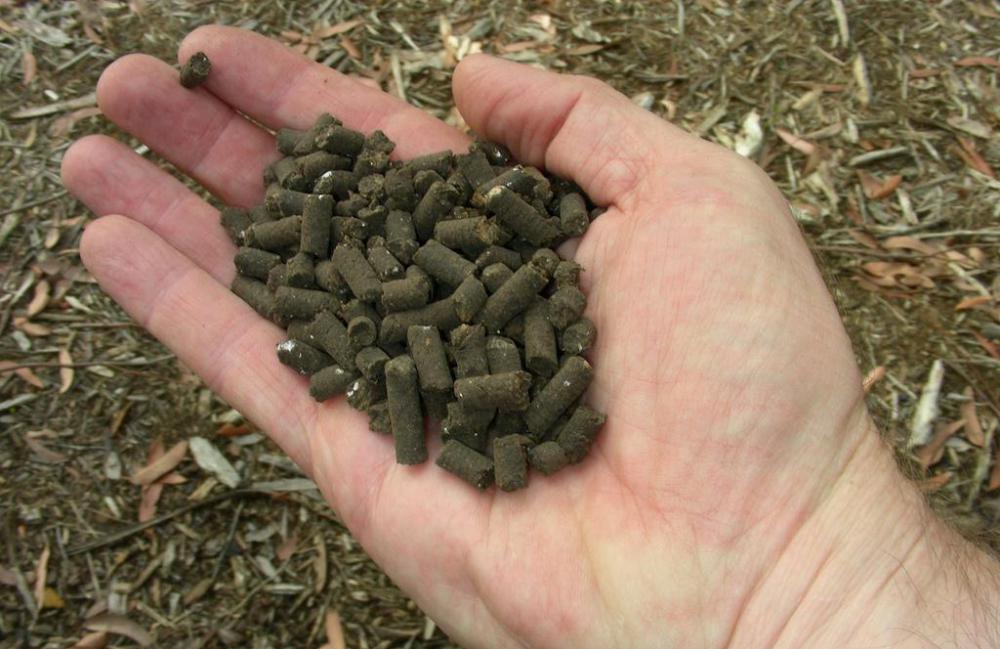
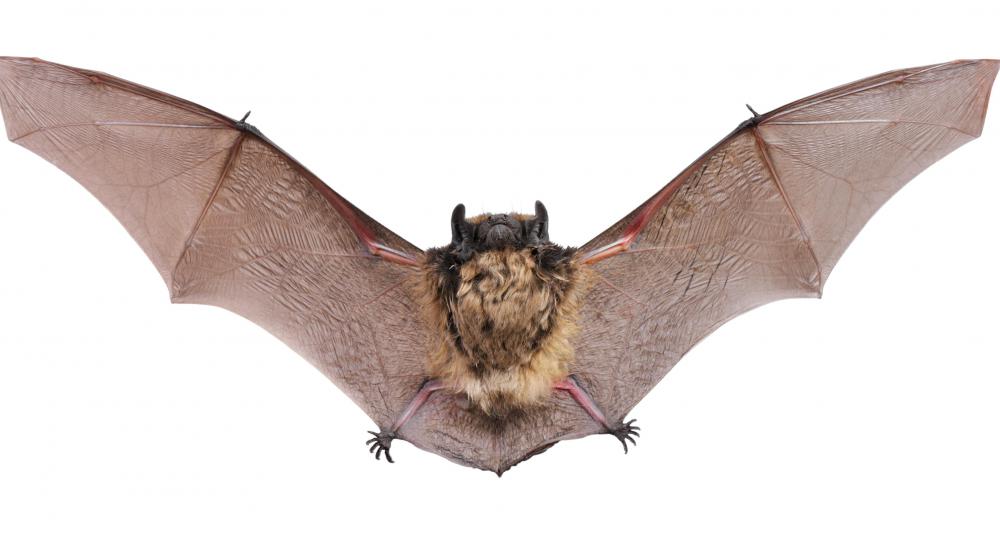
Organic fertilizer is all natural and includes things such as bat guano, compost, peat moss, wood ash and manure. These are general soil amendments. They don't burn or harm plants, and they can have long-term positive effects on the soil without damaging groundwater. Organic fertilizer, however, generally has lower nutrient concentrations than inorganic fertilizers.
Inorganic

Inorganic fertilizer is man-made and typically comes as a powder, pellets, granules or a liquid. Examples of inorganic fertilizers are chemical additives that are designed for plants to directly absorb, such as nitrogen (N), phosphorus (P) and potassium (K). These three essential elemental nutrients should naturally occur in healthy soil, but some plants require more of them. Other chemicals that might be included in inorganic fertilizers include calcium, sulfur, iron, zinc and magnesium.
NPK Ratios

Most inorganic, concentrated fertilizer is rated based on the percentage of nitrogen, phosphorous and potassium, using a rubric called NPK. The amount of nitrogen will encourage growth of stems and leaves by promoting protein and chlorophyll. More flowers, larger fruits and healthier roots and tubers will result from added phosphorus, which also helps plants resist certain diseases. Finally, potassium thickens stems and leaves by fostering protein development. This means, for example, that vegetables would do better with an NPK ratio that is different from what is best for roses or orange trees.
Acidic or Alkaline Soil

Different plants will require soil that has different potenz hydrogen (pH) levels, which are measurements of how acidic or alkaline the soil is. To nudge soil's pH toward the acidic side, inorganic fertilizer such as aluminum sulfate or ammonium sulfate could be used. Lime changes the soil's chemistry to make it more alkaline. Sometimes blood meal or other organic matter can also affect acid levels in the soil.
AS FEATURED ON:
AS FEATURED ON:


-
![A blue synthetic plant fertilizer.]() By: MarekA blue synthetic plant fertilizer.
By: MarekA blue synthetic plant fertilizer. -
![Organic fertilizer pellets.]() By: Doug BeckersOrganic fertilizer pellets.
By: Doug BeckersOrganic fertilizer pellets. -
![Peat moss, which is often used as an organic fertilizer.]()
Peat moss, which is often used as an organic fertilizer. -
![Fertilizers generally contain nitrogen, which helps make chlorophyll, the molecule that gives plants their green color.]() By: Vitaly KrivosheevFertilizers generally contain nitrogen, which helps make chlorophyll, the molecule that gives plants their green color.
By: Vitaly KrivosheevFertilizers generally contain nitrogen, which helps make chlorophyll, the molecule that gives plants their green color. -
![Organic fertilizer may include bat guano.]() By: cheri131Organic fertilizer may include bat guano.
By: cheri131Organic fertilizer may include bat guano. -
![Phosphate fertilizer in its liquid form can be easily applied to fields and crops.]() By: blasPhosphate fertilizer in its liquid form can be easily applied to fields and crops.
By: blasPhosphate fertilizer in its liquid form can be easily applied to fields and crops. -
![Inorganic fertilizers contain a number of chemicals, including nitrogen, phosphorus and potassium.]() By: singkhamInorganic fertilizers contain a number of chemicals, including nitrogen, phosphorus and potassium.
By: singkhamInorganic fertilizers contain a number of chemicals, including nitrogen, phosphorus and potassium. -
![Animal manure contains nitrogen, phosphorus, and potassium making it a rich organic fertilizer.]() By: aigarsrAnimal manure contains nitrogen, phosphorus, and potassium making it a rich organic fertilizer.
By: aigarsrAnimal manure contains nitrogen, phosphorus, and potassium making it a rich organic fertilizer.




Discussion Comments
I want to grown a mushroom garden. What can I do?
Why do you use bat guano for a fertilizer? I think it's disgusting. Who uses poo for their garden?
i need help! i don't know what type of fertilizer to use for my bean plants!
Sorry, but organic fertilizers do impact ground water. In general they will experience denitrification more than inorganic fertilizers (due to the presence of organic carbon) however many studies have shown the impacts of, for example, dairy farms and applied manure and lagoon seepage.
I have a bag of bat guano. The real stuff, looks just like excrement. How do I apply it on my flowers and yard? Do I have to make a tea, or can I just scatter it, and when?
i am doing a school project ''research'' on fertilizers, i want to know the uses, manufacturers, effects and the different types.
in my ag class, we must present a powerpoint that demonstrates which organic fertilizer is the best. Do you have any suggestions on which we can find information on the internet?
I am doing a project for my ecology class and i was wondering is there any effect on tomato plants when you use different type of fertilizers?
can sunflower leaves extract also be an effective fertilizer?
I live in Belize, where planting is a huge resource. Is there a fertilizer that can grow a plant in two weeks?
Is there a kind of fertilizer that can be mixed with seed?
I live in hong Kong and there are not that meny gardening shops. can i make my own fertilizer? :)
My son and I are doing an experiment on growing vegetables in Miracle grow vs cow manure. In the past, gardens of mine my vegtables tend to do better in cow manure. Any related articles would be great.
I'm doing a science project and I'm seeing what fertilizes lima beans the best. i'll be using manure, earthworms, ground coffee, compost, and Miracle Grow. I need a few more, what should I use?
Because there is just so much animal manure, and peat is relatively expensive it is good to make compost for your garden needs. Using kitchen and garden waste can be helpful to the gardener. The compost will enrich the soil by adding all that rich organic matter.
what effects do inorganic and organic fertilizers each have on the environment?
thanx for this page it was really helpful for a project.
What are some kids of moss?
I live in Miami, can I use the grass clippings to make a compost pile and feed my vegetable garden ( tomatoes, radishes, green onions, beans)? Would this be all the fertilizing I need?
Post your comments