
At WiseGEEK, we're committed to delivering accurate, trustworthy information. Our expert-authored content is rigorously fact-checked and sourced from credible authorities. Discover how we uphold the highest standards in providing you with reliable knowledge.
What are the Different Toxic Mold Symptoms?
Mold is a microscopic organism or fungi that grows in damp environments. Most molds are not harmful to humans, but certain species are considered toxic or harmful to humans. Some mold can cause mycotoxin spores, which are dangerous chemical products created by fungi, to spread. These spores can interfere with cell and DNA function and can cause serious health risks, while other cause different allergies and illnesses. Toxic mold symptoms can affect vital body systems, including the immune system, the nervous and respiratory systems, the gastrointestinal track and the skin.
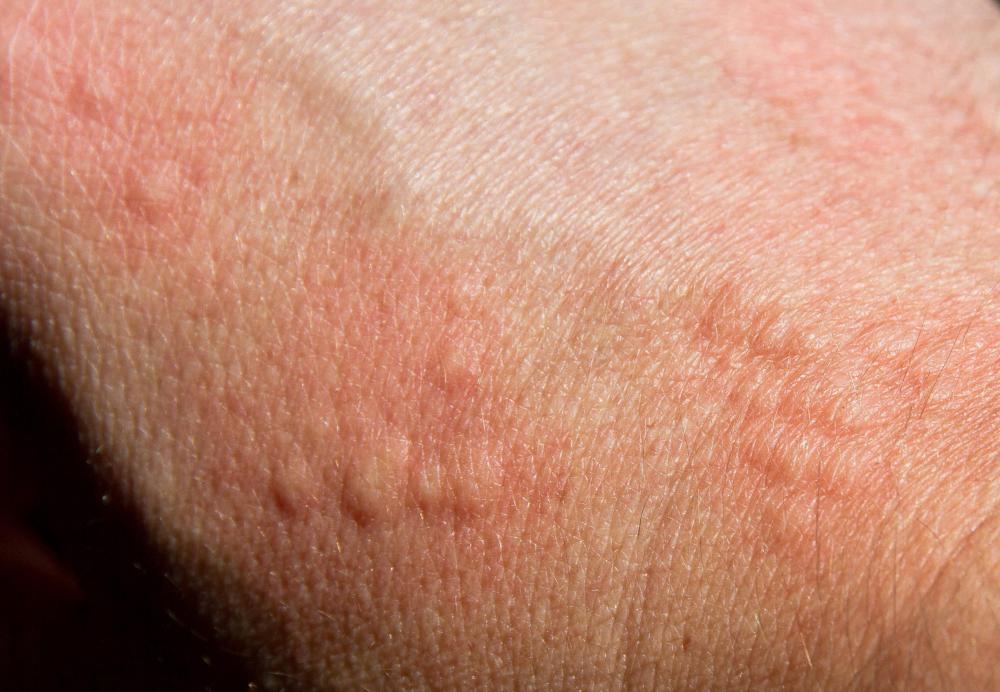
Skin irritation is one common toxic mold symptom, and redness or rashes, hives, dermatitis or inflammation, and chronic dandruff are common signs of exposure. In more serious cases, skin lesions — open skin sores or cuts — can develop. They eyes may become red, and the person may experience general irritability and itching of the skin, especially of the eyes, nose and throat. Symptoms that disrupt the gastrointestinal tract, on the other hand, can cause vomiting.

Respiratory problems associated with toxic mold include things like coughing; recurring colds or cold-like symptoms, including discharge from the nose, sneezing fits, and chronic cough; sinus problems; and breathing difficulties, such as asthma. In severe cases, hemorrhagic pneumonitis — inflammation and bleeding of the lungs — may occur and the individual may cough up blood.

Toxic mold can also cause problems with mental capabilities and energy. Exposure to some species can lead to memory loss, general irritability, or personality changes, while others can create sleep disturbances, difficulties with speech patterns, general flu-like symptoms, and general malaise or fatigue, a feeling of illness, discomfort, and extreme tiredness. Toxic mold is also capable of causing inflammation of the joints which produces a general, chronic all-over pain, tremors or unintentional body movements, and headaches and vertigo.

Extreme toxic mold symptoms are capable of disturbing the central or peripheral nervous system. This means that any body system can be affected. In severe cases of toxic mold exposure, more serious and life-threatening illnesses, including kidney failure, seizures, brain damage, and certain types of cancers, can strike.
AS FEATURED ON:
AS FEATURED ON:









-
![Moldy bread.]()
Moldy bread. -
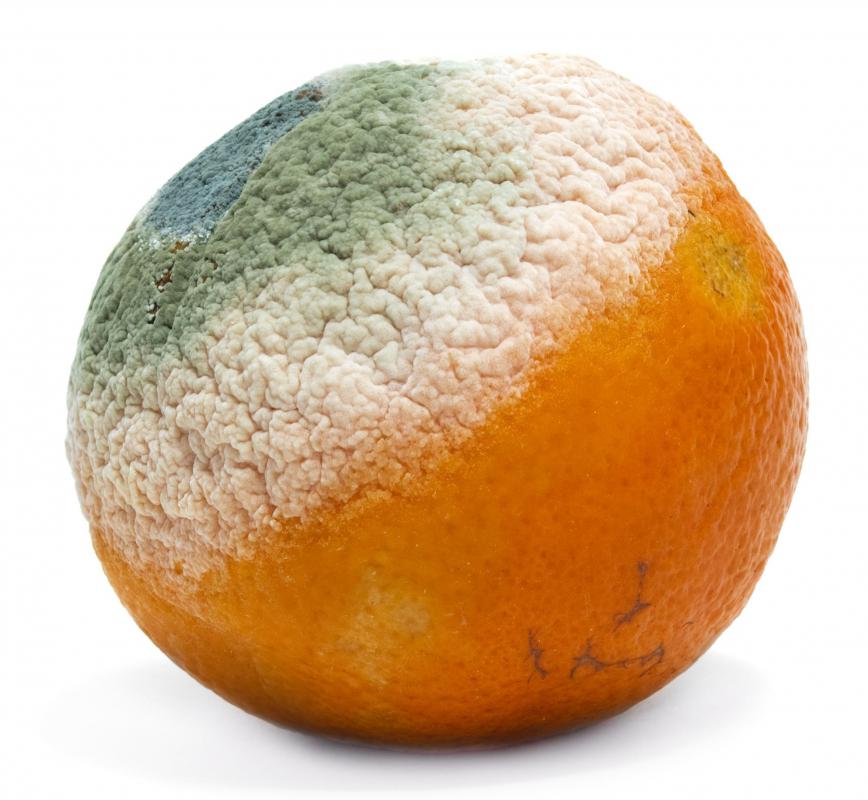
![An orange with mold on it.]() By: nitoAn orange with mold on it.
By: nitoAn orange with mold on it. -
![Exposure to toxic mold can cause sneezing.]() By: Marcin SadlowskiExposure to toxic mold can cause sneezing.
By: Marcin SadlowskiExposure to toxic mold can cause sneezing. -
![People who have been exposed to toxic mold often experience chronic cough.]() By: Lisa F. YoungPeople who have been exposed to toxic mold often experience chronic cough.
By: Lisa F. YoungPeople who have been exposed to toxic mold often experience chronic cough. -
![Mold symptoms can include hives.]() By: Jürgen FälchleMold symptoms can include hives.
By: Jürgen FälchleMold symptoms can include hives. -
![Toxic mold symptoms may include irritability and personality changes.]() By: nebariToxic mold symptoms may include irritability and personality changes.
By: nebariToxic mold symptoms may include irritability and personality changes. -
![Chronic dandruff is one possible symptom of exposure to toxic mold.]() By: roblanChronic dandruff is one possible symptom of exposure to toxic mold.
By: roblanChronic dandruff is one possible symptom of exposure to toxic mold. -
![Toxic mold exposure can cause dermatitis.]() By: eyetronicToxic mold exposure can cause dermatitis.
By: eyetronicToxic mold exposure can cause dermatitis.





Discussion Comments
@KoiwiGal - I am so allergic to that kind of thing, I just couldn't stay in a house that had mold growing in it.
My sister had a trace of it in her house and when I stayed with her, I was in complete misery the whole time.
It was a good thing, too because they didn't realize it was there until I complained so much they checked it out!
I don't know if that kind of mold could cause problems for them later on, but I think it's just as well for them to have it out of their house. Plus it made me feel better after whining about my stuffed up nose for a few days. I'm sure my sister thought I was making it up!
Toxic mold is so awful. A lot of people in our area have ended up with leaky homes because of some bad planning a decade or so ago. And while the damage to their homes is bad enough, what's worse is some of them are displaying black mold symptoms.
It's especially bad because some of them are families with children. It's easy enough to say they should just move, but if you have money invested in a property it's not always so easy. I think if they gave up now, they'd have to swallow the loss of their home, and some of them just could not afford it.
I just hope they don't end up with permanent damage. The long term effects look terrible.
Post your comments