
At TheHealthBoard, we're committed to delivering accurate, trustworthy information. Our expert-authored content is rigorously fact-checked and sourced from credible authorities. Discover how we uphold the highest standards in providing you with reliable knowledge.
What Are the Different Coral Calcium Side Effects?
Gastrointestinal distress including nausea is the most common side effect of coral calcium, though mild poisoning and low-level toxicity have also been reported. The supplement, which is derived from coral reefs in the ocean, is often advertised as something of a cure-all for various ailments. Most research doesn’t substantiate these claims, however, and experts usually advise that the supplement isn’t able to do much of anything to promote human health. In most places production isn’t regulated which often means that different brands and preparations, and even different bottles of the same brand, may have different potencies. Overdosing on elemental calcium can lead to things like kidney stones and blood problems. Depending on how people are using the compound, another side effect could be a worsening of underlying conditions. Where serious ailments like cancer are concerned, relying on ineffective remedies could be life threatening. There are also a number of environmental and geographical side effects related to how the coral is harvested.
Supplement Basics

Coral calcium is a natural supplement said to be helpful in treating everything from diabetes to arthritis, osteoporosis, and cancer. While calcium is a critical mineral for the development of healthy bones and teeth, specifically coral calcium does not demonstrate proven health benefits in most circumstances. This sort of calcium is taken from the hardened shells of living coral, and is carbon-based; as such it may not be able to be absorbed by the body at all, or at least not in the ways the phosphate-based calcium in other supplements and in things like dairy products could.

Still, the supplement is widely sold as an alternative medicine and is often marketed as an “all natural” cure for a range of diseases. Most of the studies conducted on the element’s benefits have been inconclusive at best. At worst, they’ve shown the number of ways in which supplementation can go wrong, usually in terms of negative side effects and overdose.
Gastrointestinal Problems

Typical coral calcium side effects include gastrointestinal ailments such as constipation, excess flatulence, and intestinal bloating. Nausea and dry mouth have also been reported in some cases. Most of the time, increasing fluid intake and taking the supplements with food will decrease most of these symptoms. Users are urged to take coral calcium only within recommended dosages, and to stop if symptoms worsen or don’t get better with time.
Contamination Concerns and Poisoning

Manufacturers are often quick to point out that coral calcium has as many as 70 minerals important to the human body, but what they don’t usually mention is that coral, and by extension supplements made from it, is increasingly susceptible to contamination by trace elements and chemicals in the shallow ocean waters where they live. Coral is extremely porous and is particularly prone to absorbing the elements around it. Research has shown that many corals contain strontium, manganese and uranium, all of which are harmful to human health. Depending on the area in which the calcium is harvested, poisonous elements and even toxic materials may be present and absorbed by the coral. When present, these are usually passed on to people consuming supplements.
Risk of Overdose
With any calcium supplement, there is usually a risk of getting too much. The body can usually only absorb a certain amount of calcium at a time, and excesses can and often do build up in the blood. When the kidneys are overloaded processing the mineral, that mineral will sometimes crystallize and form blockages known as kidney stones, which can be very painful.
Depending on the exact composition of the supplements being taken, it’s also possible to get too much of other essential minerals, too. Dietary supplements aren’t regulated or controlled, which means that there can be a lot of variation. For instance, coral calcium from Okinawa, Japan, one of the most popular harvesting sites, contains 25 percent calcium. Up to 70 additional compounds have been found in Okinawa coral calcium. If users take additional dietary supplements with the same compounds, there is some risk of overdosing on these compounds.
Global Effects and Potential for Ecological Damage
Coral calcium side effects also can be felt by the environment. Corals take millions of years to form and provide nutrients important to healthy ocean ecology. Ideally, coral calcium is supposed to be taken from above-ground coral deposits and there are laws protecting live coral reefs in most places. Just the same, there is no guarantee that the laws are strictly enforced throughout the world. The destruction of live coral reefs threatens the well being of the entire ocean ecosystem.
AS FEATURED ON:
AS FEATURED ON:


-
![Some people experience nausea when taking coral calcium.]() By: Adam GregorSome people experience nausea when taking coral calcium.
By: Adam GregorSome people experience nausea when taking coral calcium. -
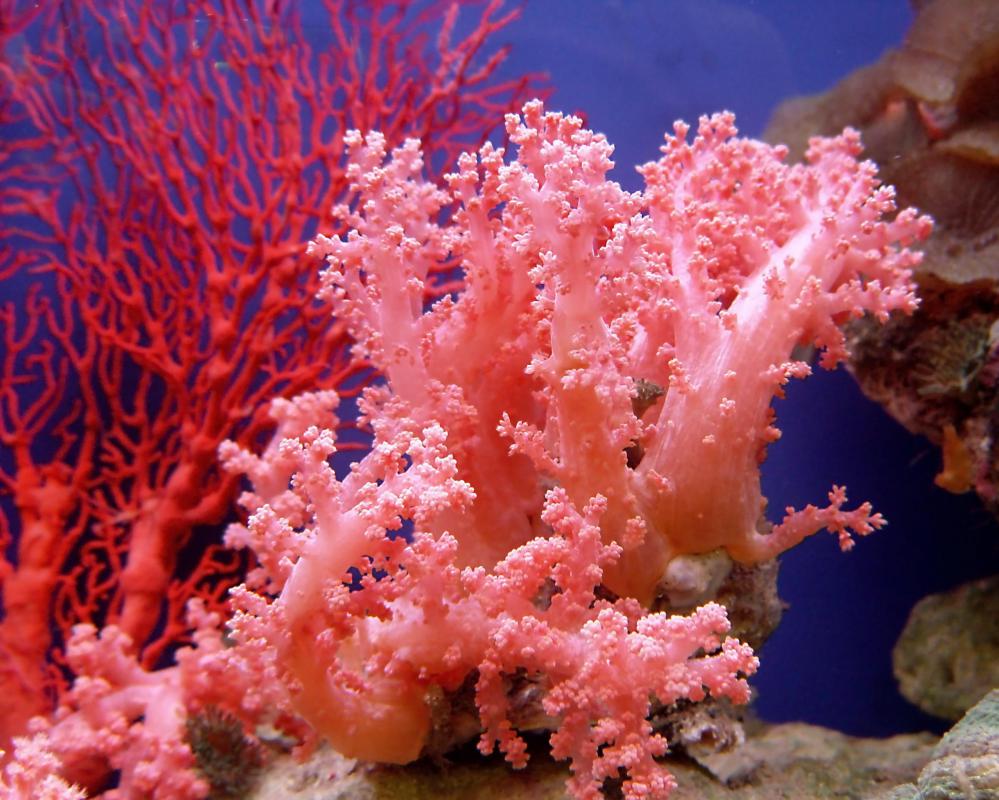
![Coral calcium is derived from fossilized coral reefs.]() By: yang yuCoral calcium is derived from fossilized coral reefs.
By: yang yuCoral calcium is derived from fossilized coral reefs. -
![Gas and bloating are common coral calcium side effects.]() By: xalanxGas and bloating are common coral calcium side effects.
By: xalanxGas and bloating are common coral calcium side effects. -
![Constipation is a common side effect of coral calcium.]() By: rob3000Constipation is a common side effect of coral calcium.
By: rob3000Constipation is a common side effect of coral calcium.



Discuss this Article
Post your comments