
At TheHealthBoard, we're committed to delivering accurate, trustworthy information. Our expert-authored content is rigorously fact-checked and sourced from credible authorities. Discover how we uphold the highest standards in providing you with reliable knowledge.
What Are the Common Causes of Dry Skin Bumps?
Dry skin bumps, which might resemble pimples and could be red or white in color, can be caused by many factors. The most common cause is a skin condition called keratosis pilaris, but they can also develop because of an allergic reaction, where the affected area can become itchy and swollen. Other skin-related irritations, such as hives and eczema, can also look like dry bumps. Similar to an allergic reaction, hives and eczema can also cause redness, swelling and extreme itchiness. People who have other symptoms, such as a raised temperature, as well should seek medical advice.
Keratosis pilaris, a skin condition that is most commonly responsible for dry skin bumps, is a result of excess proteins in the body blocking hair follicles. The result is raised, hard, white bumps on the surface of the skin, which often have a red or pink edging. This condition is most likely to occur on the upper arms and thighs and can be a result of having very dry skin or a deficiency of vitamin A in the body. Keratosis pilaris cannot be immediately cured completely, but it can be treated topically. It is known to be a hereditary condition.

Other causes of bumps on the skin include eczema and hives. These conditions have differing symptoms, and the affected area can become scaly, red and painfully itchy. Both of these forms of irritation can be caused or exacerbated by allergic reactions, food intolerances and stressful situations. Unlike keratosis pilaris, these conditions can be treated effectively with the use of antihistamines and dermatitis creams and lotions.

Allergic reactions can also cause dry skin bumps without the ongoing symptoms of eczema or the deficiencies that can cause keratosis pilaris. Allergic reactions can stem from contact with irritating materials such as wool and rubber, from intolerance to certain food types, or as a result of seasonal weather. Some reactions can be controlled through the use of antihistamines, but this is not always effective. Generally, however, the bumps will go away when the causing factors are removed, such as when the person no longer comes into contact with irritant materials or the season changes and the amount of pollen in the air decreases.
AS FEATURED ON:
AS FEATURED ON:


-
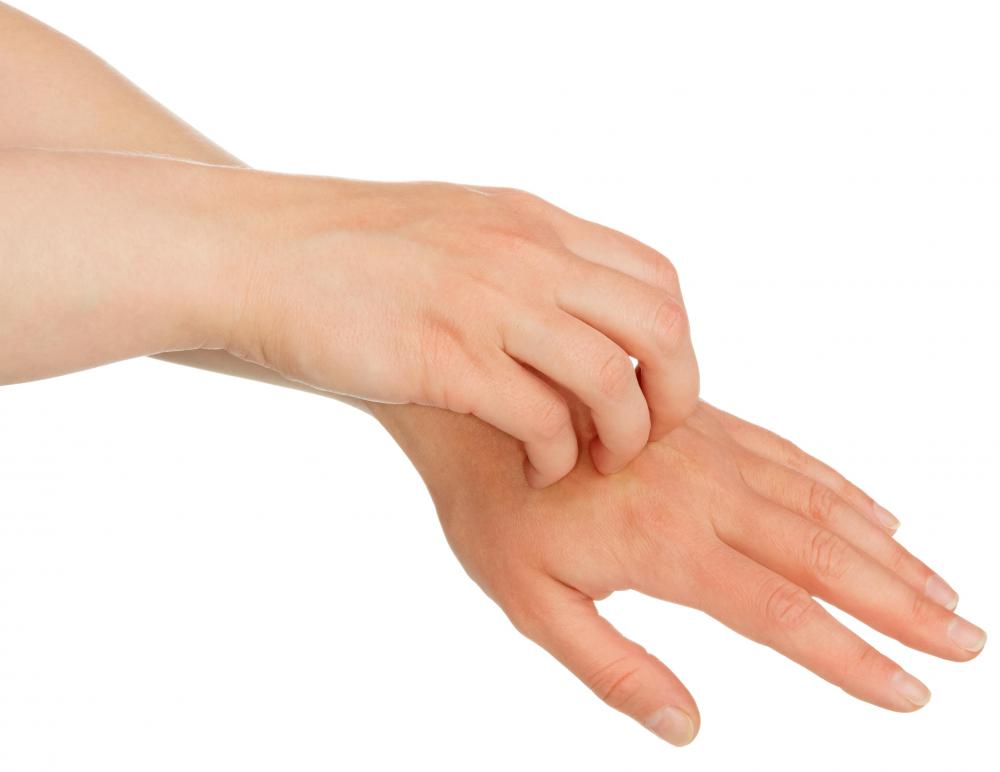
![Eczema often causes skin bumps and itching.]() By: labokoEczema often causes skin bumps and itching.
By: labokoEczema often causes skin bumps and itching. -
![Frequently washing dishes by hand can cause dry skin.]() By: kmiragayaFrequently washing dishes by hand can cause dry skin.
By: kmiragayaFrequently washing dishes by hand can cause dry skin. -
![Dry skin can cause dandruff.]() By: Jasmin MerdanDry skin can cause dandruff.
By: Jasmin MerdanDry skin can cause dandruff. -
![The elderly are particularly susceptible to dry skin.]() By: Piotr MarcinskiThe elderly are particularly susceptible to dry skin.
By: Piotr MarcinskiThe elderly are particularly susceptible to dry skin. -
![Dry skin bumps may be caused by an allergic reaction to laundry detergents.]() By: burnel11Dry skin bumps may be caused by an allergic reaction to laundry detergents.
By: burnel11Dry skin bumps may be caused by an allergic reaction to laundry detergents. -
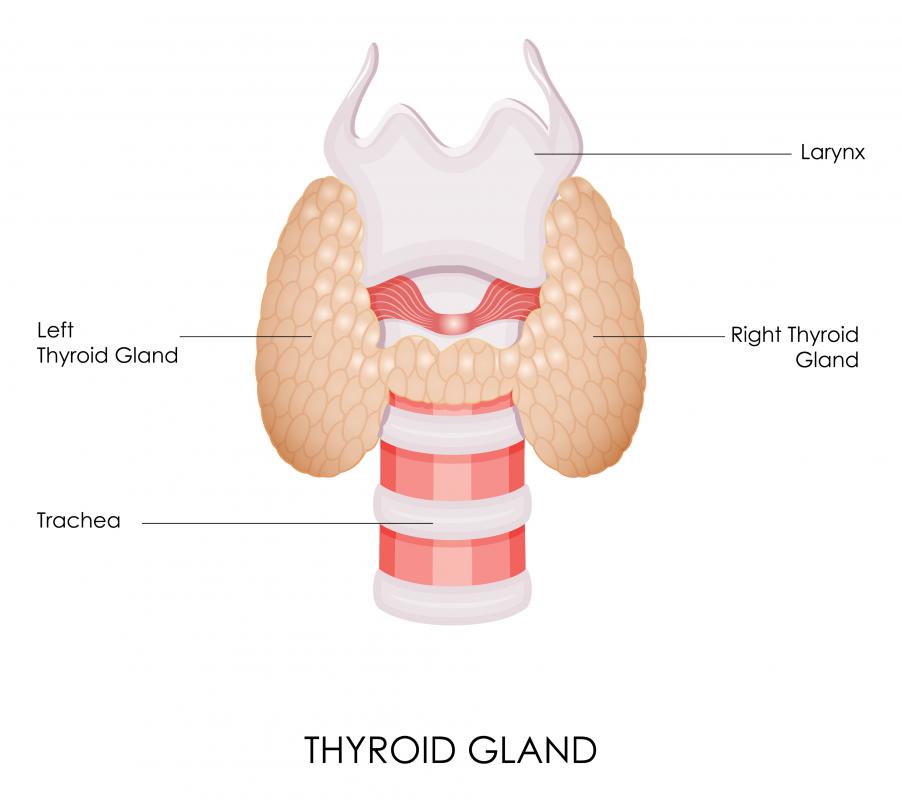
![Hypothyroidism may cause dry skin.]() By: stockshoppeHypothyroidism may cause dry skin.
By: stockshoppeHypothyroidism may cause dry skin. -
![Hives may cause bumps on the skin.]() By: Rob ByronHives may cause bumps on the skin.
By: Rob ByronHives may cause bumps on the skin. -
![Drinking plenty of water can help keep the skin hydrated.]() By: vgstudioDrinking plenty of water can help keep the skin hydrated.
By: vgstudioDrinking plenty of water can help keep the skin hydrated.





Discussion Comments
@ysmina-- You need to see her pediatrician.
Allergic reactions and eczema can look similar but doctors can tell them apart. I have also heard that people who suffer from food and seasonal allergies are more likely to suffer from eczema. So the dry bumpy skin could be caused by both.
Have you applied an over-the-counter allergy cream like corticosteroid on the bumps? Did it help? If so, it might be food or fabric allergies.
My two year old has consistently been getting dry, itchy skin bumps on her arms and legs for the past several weeks.
They seem to get better at times and then they flare up again. I'm thinking it's allergic, but could it be eczema?
I have severe keratosis pilaris on my upper arms. I used to hate them and worry about them but now I've learned to accept it.
The bumps do become less apparent if I do intense exfoliation on a regular basis. But if I forget to exfoliate for just a few days, they become very apparent again.
I've realized that there is no solution to this. Now I just concentrate on keeping my skin moisturized. When someone asks me about it, I say it's genetic and move on.
Post your comments