
At WiseGEEK, we're committed to delivering accurate, trustworthy information. Our expert-authored content is rigorously fact-checked and sourced from credible authorities. Discover how we uphold the highest standards in providing you with reliable knowledge.
What Are the Causes of Anoxia at Birth?
 Mary McMahon
Mary McMahon
Mary McMahon
Anoxia at birth, a condition in which a baby is deprived of oxygen, can occur for a number of reasons including umbilical cord compression and maternal sedation. It is a cause for concern because a period of time without oxygen or with inadequate oxygen supplies can lead to brain damage which may have lasting implications for the patient. Care providers move quickly to identify warning signs of anoxia during labor and delivery so they can advise patients on the best care options. At times, this may require a Cesarean section to deliver the baby quickly and get oxygen to a struggling baby.
During labor, drops in blood pressure can contribute to hypoxia, where oxygen saturation are low, and may lead to anoxia at birth. Blood pressure may decline as a result of blood loss or medications. Strong uterine contractions can also be a cause of reduced placental oxygen supplies, which may leave the baby oxygen starved.

Another concern is anything that disrupts the placenta while the baby relies on it for oxygen, such as abruption, where it prematurely separates from the uterine wall. If a mother is at risk of placental abruption or there are signs it might be occurring, the care team may recommend an immediate surgical delivery. Prental screening can identify a low-lying placenta that might make delivery challenging.

Another potential cause of anoxia at birth is umbilical cord compression or tangling. Sometimes a baby is delivered with the cord wrapped around the neck, which can cut off its oxygen supply. Once the baby is in the birth canal, handling umbilical cord issues can be challenging and a rapid delivery is necessary to free the baby as quickly as possible.

Failure to clear the baby’s airways can be another contributor to anoxia at birth. During vaginal delivery, forceful contractions usually encourage the baby to expel remaining fluid and mucus and start breathing independently. If this doesn’t occur, care providers may need to suction the airway to help the baby breathe independently. This is also typically necessary in surgical deliveries to get the baby breathing safely and limit the risk of oxygen deprivation.

Care providers can take a number of measures to address anoxia at birth and take this risk very seriously, because it can occur during any delivery and may be very dangerous. They monitor fetuses throughout delivery as well as assessing babies immediately after birth and at regular intervals to identify any signs of problems. Even with a low-risk pregnancy and a very skilled team, low oxygen saturation is a concern.
Mary McMahon
Ever since she began contributing to the site several years ago, Mary has embraced the exciting challenge of being a WiseGEEK researcher and writer. Mary has a liberal arts degree from Goddard College and spends her free time reading, cooking, and exploring the great outdoors.
Learn more...
Mary McMahon
Ever since she began contributing to the site several years ago, Mary has embraced the exciting challenge of being a WiseGEEK researcher and writer. Mary has a liberal arts degree from Goddard College and spends her free time reading, cooking, and exploring the great outdoors.
Learn more...AS FEATURED ON:
AS FEATURED ON:









-
![During labor, drops in blood pressure can contribute to hypoxia, where oxygen saturation are low, and may lead to anoxia at birth.]() By: Monkey BusinessDuring labor, drops in blood pressure can contribute to hypoxia, where oxygen saturation are low, and may lead to anoxia at birth.
By: Monkey BusinessDuring labor, drops in blood pressure can contribute to hypoxia, where oxygen saturation are low, and may lead to anoxia at birth. -
![An umbilical cord is a thick, blood-rich cord that connects a baby to its mother during the gestation process.]() By: massimo maghenzaniAn umbilical cord is a thick, blood-rich cord that connects a baby to its mother during the gestation process.
By: massimo maghenzaniAn umbilical cord is a thick, blood-rich cord that connects a baby to its mother during the gestation process. -
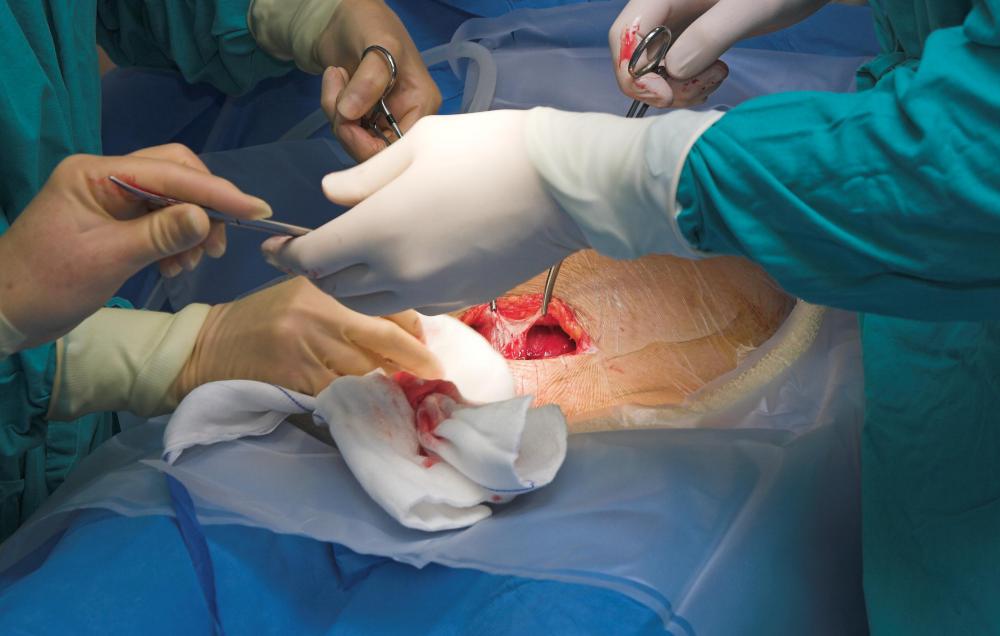
![Warning signs of anoxia may prompt a C-section to deliver the baby quickly.]() By: Anton BooysenWarning signs of anoxia may prompt a C-section to deliver the baby quickly.
By: Anton BooysenWarning signs of anoxia may prompt a C-section to deliver the baby quickly. -
![Inadequate oxygen supplies at birth can lead to brain damage.]() By: Patricia MarksInadequate oxygen supplies at birth can lead to brain damage.
By: Patricia MarksInadequate oxygen supplies at birth can lead to brain damage. -
![Forceful contractions during delivery typically encourage the baby to expel fluid from the lungs and to begin breathing independently.]() By: Tyler OlsonForceful contractions during delivery typically encourage the baby to expel fluid from the lungs and to begin breathing independently.
By: Tyler OlsonForceful contractions during delivery typically encourage the baby to expel fluid from the lungs and to begin breathing independently. -
![Blood pressure may decline as a result of blood loss or medications.]() By: KurhanBlood pressure may decline as a result of blood loss or medications.
By: KurhanBlood pressure may decline as a result of blood loss or medications.




Discussion Comments
@burcidi-- Hypoxia is when the body is deprived of oxygen. Anoxia is the more severe form of hypoxia when the body doesn't get any oxygen. Asphyxia is when the body is deprived of oxygen due to being unable to breathe. Asphyxia doesn't apply to birth because the infant is not using his or her lungs in the womb. But both hypoxia and anoxia are possible at birth and may have serious consequences on the baby, even leading to birth.
My daughter had anoxia for a very brief period because the umbilical cord tangled around her neck during birth. Thankfully it came undone soon after and everything turned out fine. I was extremely worried though. I consider her birth and health a miracle.
What's the difference between anoxia, hypoxia and asphyxia? I hear these terms all the time and I know that they're all about deprivation of oxygen. I'm just confused about what the differences are. Are all three possible at birth?
If an infant experiences temporary anoxia at birth, will there be any signs or symptoms of it afterward?
My sister's son has some developmental delays and they can't figure out the cause. A doctor friend thinks that the cause might be temporary anoxia at birth. Is this really possible?
Post your comments