
At TheHealthBoard, we're committed to delivering accurate, trustworthy information. Our expert-authored content is rigorously fact-checked and sourced from credible authorities. Discover how we uphold the highest standards in providing you with reliable knowledge.
What are T Cells?
 Jessica Ellis
Jessica Ellis
Jessica Ellis
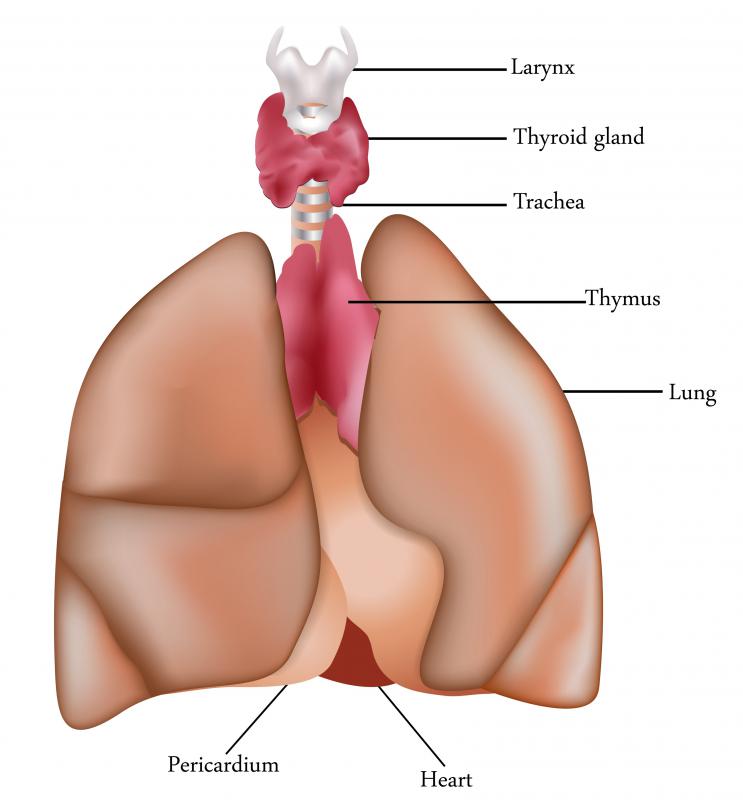
A T cell is a type of white blood cell present in the human body. The name is short for Thymus cell, the organ in which this type of white blood cell matures. These cells are important in maintaining the body's immune system and are critical in the fight against harmful invading substances.
When a virus or other invader enters a person's system, the body has an immunological response. Certain cells have receptors that can identify an attacking substance, and can activate different cells in the body to find and destroy harmful invaders. People with a strong immune system typically have a high amount of white blood cells and T cells. Patients with autoimmune diseases or who are suffering from cancer are frequently subject to blood cell counts that can tell doctors how well these and other helpful cells are surviving and fighting their illness.

There are several different types of T cells in the body, each with a specific function. T helper cells are able to quickly divide and assist in the whole body's immunity response to attack by creating a helpful protein called cytokine. Another type, often called a memory cell, helps the body remember to fight off repeat infections, preventing a person from catching the same illness more than once.

One of the most useful types of these cells also carries a huge drawback. Cytotoxic cells work to destroy tumors or mutated cells, much like soldiers repelling an invader. Unfortunately, in transplants, this type of cell can misidentify a transplanted organ as a threat, and attack it. Cytotoxic cells are considered one of the main factors in transplant rejection.

T cells are considered extremely important in the fight against autoimmune diseases, especially in the cases of Human Immunodeficiency Virus (HIV) and Acquired Immunodeficiency Syndrome (AIDS). Many of the treatments currently in use for these viruses involve stimulating the production of these cells and their response in order to fight the detrimental effects of these conditions. Naturally occurring “killer” T cells are not able to effectively fight HIV, so scientists have developed a variety of techniques to improve the cells and make the cell receptors more sensitive to this deadly virus.

Because the study of cellular function is still relatively new, there is still much science does not understand about T cells and how they work. As researchers continue to study these helpful cells, many believe that it will be possible to reduce cell-caused transplant rejection and improve treatments for autoimmune diseases.
Jessica Ellis
With a B.A. in theater from UCLA and a graduate degree in screenwriting from the American Film Institute, Jessica is passionate about drama and film. She has many other interests, and enjoys learning and writing about a wide range of topics in her role as a TheHealthBoard writer.
Learn more...
Jessica Ellis
With a B.A. in theater from UCLA and a graduate degree in screenwriting from the American Film Institute, Jessica is passionate about drama and film. She has many other interests, and enjoys learning and writing about a wide range of topics in her role as a TheHealthBoard writer.
Learn more...AS FEATURED ON:
AS FEATURED ON:


-
![A T cell is a type of lymphocyte, a white blood cell.]() By: apple1A T cell is a type of lymphocyte, a white blood cell.
By: apple1A T cell is a type of lymphocyte, a white blood cell. -
![T-cell immunity allows the body to recognize a foreign invader, or antigen.]() By: robyelo357T-cell immunity allows the body to recognize a foreign invader, or antigen.
By: robyelo357T-cell immunity allows the body to recognize a foreign invader, or antigen. -
![The cocktail of antiretroviral drugs used to treat HIV helps the body's T cells fight the infection.]() By: danilkorolevThe cocktail of antiretroviral drugs used to treat HIV helps the body's T cells fight the infection.
By: danilkorolevThe cocktail of antiretroviral drugs used to treat HIV helps the body's T cells fight the infection. -
![Chronic alcohol abuse may lead to the reduced function of T-cells in the body.]() By: BlueSkyImagesChronic alcohol abuse may lead to the reduced function of T-cells in the body.
By: BlueSkyImagesChronic alcohol abuse may lead to the reduced function of T-cells in the body. -
![T cells mature in the thymus gland.]() By: reinegT cells mature in the thymus gland.
By: reinegT cells mature in the thymus gland. -
![A blood smear may be used to check a person's T cell count and ensure they are working properly.]() By: toeytoeyA blood smear may be used to check a person's T cell count and ensure they are working properly.
By: toeytoeyA blood smear may be used to check a person's T cell count and ensure they are working properly. -
![T cells are vital in the fight against HIV.]() By: designuaT cells are vital in the fight against HIV.
By: designuaT cells are vital in the fight against HIV. -
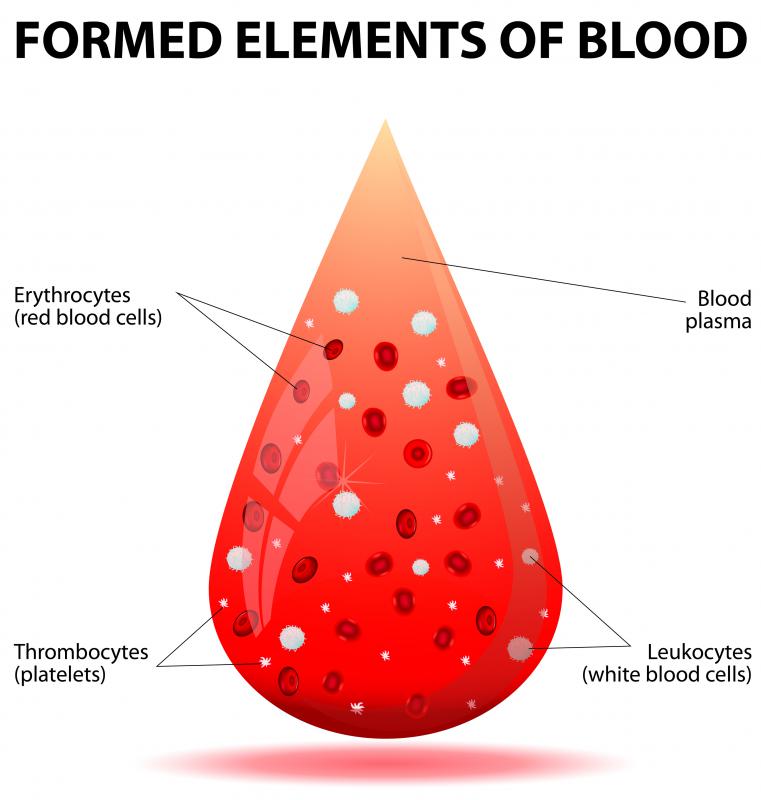
![White blood cells, also known as leukocytes, defend the body against bacteria, viruses and parasites.]() By: designuaWhite blood cells, also known as leukocytes, defend the body against bacteria, viruses and parasites.
By: designuaWhite blood cells, also known as leukocytes, defend the body against bacteria, viruses and parasites.






Discussion Comments
@pastanaga - It's not as simple as that. The symptoms are caused by an immune reaction, of course, but that immune reaction is intentionally triggered by the virus in order to spread itself. I mean, the virus isn't thinking, it's acting as it's been programmed to act from years of evolution.
A lot of the things people do to strengthen their immune system are pointless, as it generally functions well as long as you're healthy. Human T cells are going to function whether you eat all your garlic pills or not. But having a strong immune system is not a bad thing.
I read an article the other day which speculated on the fact that having a strong immune system is actually not a good thing when you're fighting off a cold or the flu. A lot of people talk about strengthening their immune system so that they won't catch cold, but catching colds is a natural process, where everyone gets infected with certain viruses all the time and with some of them the immune system over-reacts and makes you miserable.
It's not the virus that's doing that, it's the immune response. Without that immune response, the virus would eventually be defeated and you wouldn't even notice it had been there.
So, in some cases I think that T cell activation isn't the best thing.
Post your comments