
At TheHealthBoard, we're committed to delivering accurate, trustworthy information. Our expert-authored content is rigorously fact-checked and sourced from credible authorities. Discover how we uphold the highest standards in providing you with reliable knowledge.
What are Symptoms of Rabies in Humans?
The early symptoms of rabies in humans include irritability, itching at the infection site, and fever. As the disease progresses, muscle spasms in the throat and respiratory tract affect breathing, and a person may have difficulty swallowing, the combination of which can produce the well-known symptom of foaming at the mouth. Following these signs, hallucinations, convulsions, seizures, paralysis, and eventually death occurs. Since the incubation for rabies can take months, anyone who is bitten by a possibly rabid animal should seek healthcare assistance immediately whether symptoms are present or not.
Early Signs

Rabies symptoms may not show up for months, but when they do, a person is likely to feel like he or she has the flu. A headache, fever, and weakness are generally the first sign of the disease progressing. The place that was bitten is also generally sore, itchy, and may have a prickly feeling. After a few days more serious signs will likely start to occur.
Advanced Signs

As the disease progresses, an infected person will become confused, agitated, or extremely anxious. He or she will generally start foaming at the mouth, become hyperactive, and become afraid of water. Some people also become afraid of flying. Hallucinations and an inability to sleep are other signs; and in some cases, the affected person's muscles become paralyzed and coma occurs. People with this infection typically die of heart failure.
Treatment

Immediately after being bitten, a person should wash the wound thoroughly with soap and water. If it's possible to safely contain the animal that's suspected of having rabies, then the person should do this, but if not, then he or she should try to remember as much about the animal as possible and call authorities to catch it. After washing the wound, the person should see a healthcare professional immediately to see if Post-Exposure Prophylaxis (PEP) is needed. This usually consists of a series of shots that are administered in the arm. It is important to get medical attention promptly, since the disease becomes incurable once the symptoms start to develop.
Sources of Rabies

Rabies is a viral infection that attacks the central nervous system in warm-blooded animals. It can be transmitted to humans when an infected animal's saliva comes into contact with broken skin, such as with a bite or scratch. Dogs are responsible for the majority of infections globally, but in countries that vaccinate pets against the virus, or that are generally rabies-free, wild animals like raccoons, bats and foxes tend to be the source of infection. Animals with rabies tend to act strangely or confused, may foam at the mouth, and may change its sleeping habits, going out in the day instead of at night.

In cases where someone is bitten by a domesticated animal — a dog, cat, or ferret — and that animal can be caught by authorities, it can be quarantined if it is not known if the animal has been vaccinated. The animal will be held for 10 days to see if it exhibits any rabies symptoms. If not, the person who was bitten will not need to be given treatment for the virus. Since it typically takes at least 14 days before any symptoms develop in humans, there is usually little or no danger in waiting.
AS FEATURED ON:
AS FEATURED ON:


-
![The raccoon is one of the animals most likely to have rabies in the United States.]() By: Eric IsseléeThe raccoon is one of the animals most likely to have rabies in the United States.
By: Eric IsseléeThe raccoon is one of the animals most likely to have rabies in the United States. -
![Dogs are respnsible for most rabies infections globally.]() By: 1stGalleryDogs are respnsible for most rabies infections globally.
By: 1stGalleryDogs are respnsible for most rabies infections globally. -
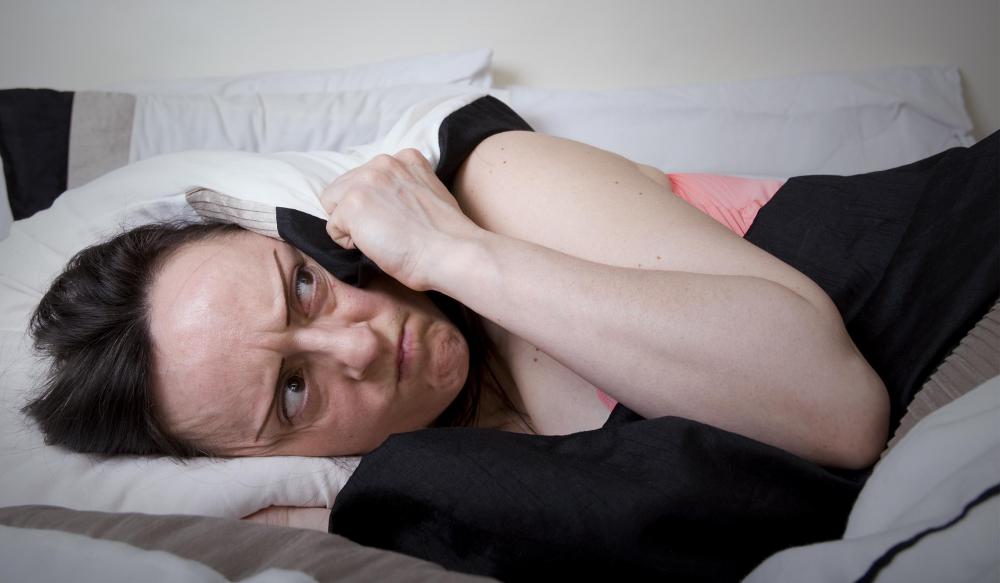
![Headaches and fever are possible early signs of rabies.]() By: gosphotodesignHeadaches and fever are possible early signs of rabies.
By: gosphotodesignHeadaches and fever are possible early signs of rabies. -
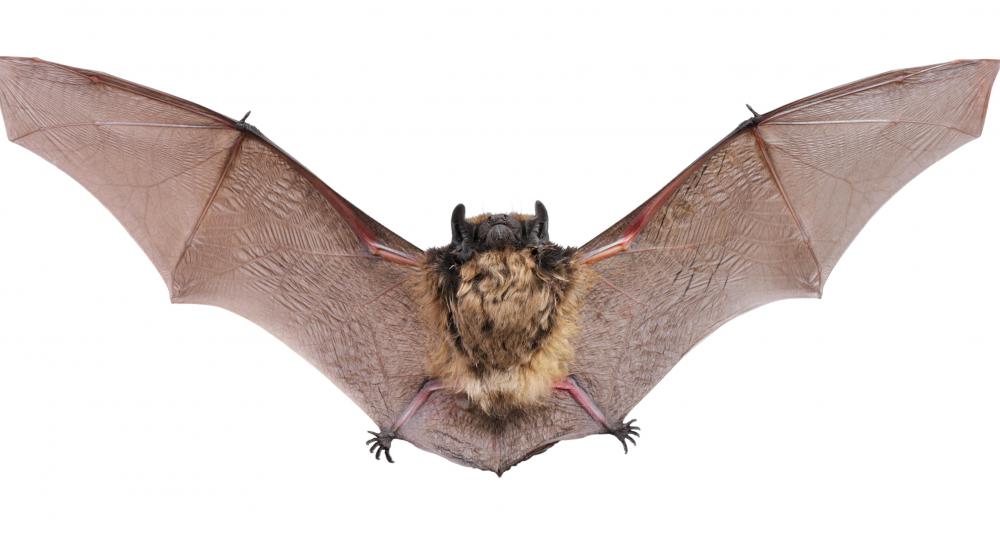
![Bats may transmit rabies to humans.]() By: cheri131Bats may transmit rabies to humans.
By: cheri131Bats may transmit rabies to humans. -
![An untreated rabies infection usually result in death by heart failure.]() By: digitexAn untreated rabies infection usually result in death by heart failure.
By: digitexAn untreated rabies infection usually result in death by heart failure. -
![In some rabies infections, the affected person's muscles become paralyzed and coma occurs.]() By: gwimagesIn some rabies infections, the affected person's muscles become paralyzed and coma occurs.
By: gwimagesIn some rabies infections, the affected person's muscles become paralyzed and coma occurs. -
![Rabies is transmitted through saliva, and typically manifests in humans or animals who have been bitten by a victim of the disease.]() By: absolutimagesRabies is transmitted through saliva, and typically manifests in humans or animals who have been bitten by a victim of the disease.
By: absolutimagesRabies is transmitted through saliva, and typically manifests in humans or animals who have been bitten by a victim of the disease. -
![Rabies may cause hallucinations.]() By: djtaylorRabies may cause hallucinations.
By: djtaylorRabies may cause hallucinations.






Discussion Comments
My older brother, Roderick, once got bitten by a violent stray dog that wanders around near our house. Roderick being Roderick decided to feed the dog and got bit. We didn't know Roderick had the Rabies virus until he began acting weird. We took him to the nearest hospital, and we were given terrible news that Roderick had the Rabies virus. My step-mom, Barbra, was too upset to even say anything. I was crying knowing that Roderick was always like a father to me. Without him, I'd die! We waited and waited, and then the news came saying he'd be fine after like a hundred shots in the stomach. --RJJ
So my dog bit me but it was just a pink dot. Then I pressed it but no blood came out and when I put alcohol on it, it does not sting. Do I still need to get a shot? Please someone reply.
I was bitten by a puppy in September, 2015. The owner of the puppy told me not to worry, that the puppy is vaccinated. Do I have to worry?
I got an anti rabies vaccine taken last June-July 2014 four shots of it, but this year i got bitten by a cat February 27. Am i still safe? Or do I need to get vaccinated again? Thanks for the reply.
I have got a new puppy home and it is not vaccinated yet. As I was playing with him, his teeth touched my hand. There is no sign of a scratch or bleeding and the puppy did not bite mel. It was just a plain contact or touch of his teeth with my hands. Is it dangerous? Should I get anti rabies shots? Please help.
A rabid dog came near my house and it bit some puppies near our house. Then our pet cat scratched a small puppy when it came to eat the food and the puppy ran away. There are two cats in our house. My sister's leg touched the nose of the second cat. Is there any problem?
My son was bitten or scratched by a baby skunk after he rescued it from a Yoplait cup stuck on its head. It was in the evening and didn't show any signs of being sick -- just aggravated with the cup on its head and couldn't see where it was going. He washed the marks with soap and water. So far, it is healed and we haven't seen the baby again.
I got bitten by a dog, but the dog got the vaccination every year. Do I stll need to worry or not?
Wow. Some people are very paranoid. People, rabies infection is quite rare among humans in the U.S. and U.K. Wild animals are not just carrying it around waiting to transmit it to you.
If you encounter an animal that is noticeably sick or acting very weird, well, not all unusual behavior means rabies! Healthy wild animals do come out during the day, and they can be friendly. Also, the majority of rabid animal reports turn out to be injured by cars or canine distemper, which cannot be transmitted to humans.
If the animal bites or scratches you, breaking the skin, then wash the wound with soap, then promptly see your doctor for advice. Animals that are infected usually die within two weeks of symptoms appearing and rabies is only transmitted during this symptomatic period. If you have a wound that is red, painful, swollen, itchy, etc. it's possible you have a regular old infection, cat scratch fever, or something less serious than rabies. See your doctor for antibiotics.
If an animal licked you or walked through your yard, try to calm down. Rabies is easily killed by drying up (saliva), sunlight, and most detergents (soap).
I was licked on my hand by my neighbor's dog who is 18 months old. I have two open wounds on my hand where he licked. The dog got his vaccination but I'm still worried. Is there any reason for me to worry?
I was scratched by a stray cat three weeks ago on my foot near my nail. It was not longer than one inch. It was a tiny scratch. I did not go to the doctor, assuming that it is okay.
I washed it with soap and the cat is still alive as of today and still fine. However, I am having a sore throat and from reading some articles, by the third week, a sore throat is one of the symptoms, so what I did yesterday is go to the the doctor She gave me a pcec vaccine and she told me that since the cat is still alive, I don't have rabies. I just want to know if I will be OK.
We have a cat that had not been vaccinated for rabies in years. He was always an indoor cat. Well, recently he's started going outside. Suddenly, we can't keep him indoors for anything, but I still had not taken him for the vaccine yet. He has done strange stuff lately like growl when he didn't used to.
Last week, he scratched my daughter on the arm. It did not bleed, but now she is having swollen lymph nodes, headache, and a sore throat, says her face aches, and she generally feels like crap. I took her to the doctor and they just said she had a virus and seemed very unworried about the possibility of rabies. The doctor just said he would need to know more about the cat itself to tell, and gave her no rabies vaccine. Should I be concerned about the symptoms she's having being linked to the scratch the unvaccinated cat gave her? It was six days ago that she got scratched. The cat is still fine.
If a person has rabies and gets the vaccine, would he became resistant to rabies in future? If he is bitten by a dog in the future, would he still need to be vaccinated?
Everyone, if you get bit by any animal that is wild get treatment right away, for dogs and cats if a owner can not show paperwork on up to date shots for that pet, then go get treated.
Yes, a dog in the US can transmit rabies with a bite; it's rare, but my friend in Texas was bitten by a dog that was a rescue puppy. She didn't think anything of it, and then came to Maine for vacation and is now fighting for her life.
The rabies has gone into her nervous system and her brain is swelling. She also has an infection in the knee. She has been in the hospital for 11 days. Remember there is no cure for rabies after symptoms start in humans. Each case is all experimental. She is the new guinea pig for the CDC.
If you get bitten by a pet dog should you still get a shot?
If having rabies is the case in animals, can a human adapt to this illness, let alone survive it? If not, then why keep treating it if it is incurable?
My dog has had his vaccinations and is usually indoors, but we do put him out sometimes if we are gone all day, and usually not at night,
I noticed him drinking the rainwater in our sandbox lid that was empty before it rained, and out of laziness, didn't get emptied for a few weeks, I guess. Can he get rabies that way?
He's having some gait issues, his hind legs seem to be in pain or something, but is still very cognitive. Might it be hip dysplasia? My 2 year old loves to share his food with this dog no matter how we forbid it and I'm a little concerned the dog is outside now with water. I'm watching him to see what I can do. Maybe a trip to the vet in the near future?
I was bitten by a monkey on my index finger (a small dot came up, but blood did not come out) and he touched his tongue with saliva on my middle finger (the tongue was rough and my finger turned pink).
I was immediately rushed to get Abhyarab, a tetanus vaccine and injected with Immunoglobin. After four days I got a mild fever with tiredness, and also started salivating more, and for a moment I had difficulty breathing. Has the rabies viruses been transmitted to me? I have developed fear and cannot concentrate on my work. Please help.
During my childhood, I was bitten by a dog at least four times or more. These incidents happened several years apart, as far as I remember them. I was never taken to a hospital or vaccinated for rabies. Instead, they used a stone that was said come from Jamaica and they stuck it on my leg and and it was supposed to suck out the rabies. Some use garlic.
Some dog owners say their dogs have an anti-rabies shot, but I don't trust them. My friend told me that the rabies symptoms can be developed years later and one of the signs you will experience is lockjaw, just like what I noticed when I turned 26. I'm 27 now. Is this possible? What prevention should I take?
I was bitten/attacked by a dog two days ago. My hand is swollen (where the bites are -- around my thumb). I'm scared. I don't know if that dog had its rabies shots. It was foaming at the mouth. what should I do? I'm so scared.
A scientific study helped to validate the 10 day observation period for domestic animals with a current rabies vaccination that have bitten a person.
The conclusion of the study is as follows: "We conclude that our study supports the current World Health Organization recommendations for 10 days of observation of dogs and cats suspected of having rabies, if euthanasia is inappropriate or not accepted. However, to provide for an added safety margin with respect to salivary excretion of rabies virus, our clinical staff recommends a period of >14 days between actual exposure and the dog's or cat's natural death before making the decision not to start postexposure rabies treatment for the exposed patient."
Based on the findings in the study, one can conclude that if a dog/cat that has bitten does not die within 14 days from the date/time of the bite, the animal was not shedding the virus when the bite occurred. Note that this is not medical advice but an attempt to clarify the loosely quoted "10 day quarantine period" required by most states after a domestic animal bite.
"Survival of Naturally Infected Rabid Dogs and Cats"
Veera Tepsumethanon, Boonlert Lumlertdacha, Channarong Mitmoonpitak, Visith Sitprija, Francois X. Meslin, and Henry Wilde
I was bitten by an aggressive pit bull six weeks ago. The dog was about six months overdue for its shots. It completed its 10 day quarantine. I do *not* fear that I have rabies. But of course, reading about something as scary as rabies can induce psychosomatic feelings.
My question is what other risks are there from an animal bite? Is it likely that a healthy immune system will fight an infection? If you have itch, twitches, numbness, flu like symptoms, can it be due to a non-rabies infection from the bite? Does it stand to reason that other viruses or infections which are not so deadly can be transmitted by an animal? In that case would it be prudent to get a general antibiotic? Or would some specific antibiotic be necessary?
I was bitten by a dog 10 years ago on my index finger, but it was little and there was no blood dripping. After I was bitten, I washed the part where I was bitten with water and soap. After that my uncle tied the bitten part with garlic. My uncle said that it will help get rid off the rabies, and after that, I was not vaccinated.
Will the rabies affect me even after 10 years or more? I'm just worried.
Two months ago my dog (4 months old) accidentally bit me in my feet. After five days I got three shots in a hospital. They told me to observe the dog, and in 10 days it was doing fine. Am i at risk for rabies? The dog died after 2 1/2 months.
Can vaccination be started seven days after a dog bite (through cloth)? Please answer.
@kaashee76: The reason you take immunoglobulin is so you don't contract rabies -- assuming the dog that bit you actually had it, which may not be the case.
In any event, if you took the shots to keep from getting the disease, you're not going to get it. Since you don't have it, you don't have rabies in your saliva. And, as the article says, once symptoms appear, there is no cure. It is fatal. However, if you've had the vaccine, you should be all right.
If you have further questions or concerns, you *really* need to talk to your family doctor.
I was bitten on my leg by a dog yesterday. I took the tetanus, ARV and immunoglobin within five hours of the accident.
Can I get rabies, and how long it will take me to know for sure? Is there anything to worry about? Does my saliva contain rabies? Would it be transmitted to anyone else? How long it will take to cure?
My five year old was bit by a dog about 2-3 weeks ago. but the wound perfectly healed, but that night she was crying and complaining her leg was cramping up and she was in pain. but after that her wound healed and she was fine.
Then last week, she had a super high fever and a sore throat and I had to take her to the doctor. She's healed now, and the doctor said the wound has completely healed so she's okay.
But tonight I noticed that were she was bitten has become very red, but it's not swollen or infected. It's actually not visible at all.
Please reply to me. I was told the dog has its rabies shot.
I have a question regarding my exposure to a patient with positive rabies disease? Can I acquire the disease because I helped the patient carrying to bed and her sweat just spread all over my arm? I'm really anxious.
I have two kids who were out in the backyard yesterday and they found a dead bat and I don't know if they stepped on or touched it. Can they get rabies by doing so if they did?
A friend of mine was scratched by their dog all over his body including his face. After 10 days their dog was okay but I am a bit worried because my friend has fever and is suffering from muscle pain. Is this a symptom that he got rabies from their dog? Please answer this immediately.
@samatha: So the upshot of this is that you're taking the rabies vaccine and the dog that scratched you is fine after 10 days.
If the dog is fine, then it doesn't have rabies. If the dog doesn't have rabies, then you don't have rabies. And you're also taking the vaccine.
I am not a doctor, but if you ask your doctor, I am sure he or she will tell you not to worry. You can only get rabies from an animal that actually has it to start with, and apparently, the animal that scratched you doesn't have it. Talk to your doctor, but I see no reason to worry.
I was scratched by a stray dog. It was very little, and no blood came, but I saw a pink dot and that's it. I was very scared for few days, then after 10 days I started to take the rabies vaccine.
I've taken my first vaccine and tomorrow I am taking second vaccine. The dog is also OK after 10 days. Still I am very tense, and don't know whether I am going to die.
My god some people are paranoid! Wow.
Pokesour: If I were you, I would consult a doctor, that way you will have peace of mind. Most likely you are just fine, but if you are so worried it is good to hear what a doctor has to say.
I posted comment 215 a few days ago, and I'm wondering if anybody can help me. I'm getting more anxious each day.
@stacey: No, you do not have rabies. Biting and scratching is a cat or dog's normal reaction to pain and/or trauma. They don't understand what's going on, so they are frightened, and this is a fear reaction. They don't know any other way to act.
The dry mouth, etc., are probably symptoms of anxiety that get worse the more you think about them. Rabies in humans is actually extremely rare in the United States. It's also unusual for anyone to get it from a bite from a cat or dog. It is more common for someone in the U.S. to get rabies from a raccoon bite or bat bite, or from another wild animal, like a fox or coyote.
Don't worry about it. Your cat doesn't have rabies and neither do you.
I thought my cat was kicked or stepped on by my horse, She started to like freak out and bite the towels and like have a muscle spasm and then she hissed at my mom. So I think she has rabies and I pretty much touched her all day and now my throat is dryer. I guess it always is at nite, and I'm itching and yeah, so do I have rabies? I hope not. I put hand sanitizer on my arms and face, if that helps. Are those symptoms of rabies in humans? Please, this is urgent. -- stacey
I was bitten by a wild dog out in the woods while I was on vacation about a week ago. I haven't seen any kind of symptoms yet. Do I need to get a shot for this.
Can someone please help me? Maybe someone who is an expert on bats? Is it possible for a bat to sneak into your house through an open door at night, bite you in your sleep, then leave through an open door the next day, completely undetected? Has it ever happened? It seems very possible, yet there's nothing online about it.
I'm very scared because a few days ago I woke up with what looked like a cut about a centimeter wide on my finger, but upon further inspection it looked like two red dots with a thin scratch between them. I could have cut myself chopping vegetables the night before, but I don't remember cutting myself. The first thing I thought when I saw it was "Bat bite! Rabies! Aaauugh!" But there's no sign of a bat being in the house at all. I worry a lot about getting diseases and dying. I don't know whether I should go to the doctor for rabies shots or anxiety medication.
I was wondering if a few years ago (two or three) a monkey at a temple in Ubud scratched my head through a cap, except we didn't see if it broke the skin or not.
I think I'm paranoid but whenever I think or see a monkey, now I remember that moment. Also I kind of have a phobia of moneys now because it just really freaked me out!
I'm just wondering if all my wondering was for nothing. Both my parents don't know that I am this freaked out!
My baby played in the park yesterday and there was a dog playing with a ball. I let her play with the dog but instead she took the ball, kissed it and then asking the dog to kiss it too. Now, she has a fever. Do I have to worry?
I have been bitten by a four month old golden retriever puppy and that was a month ago. I took the vaccines six days after the bite and so far, the dog is OK and they gave him the rabies shots too, and I haven't had fever or anything since that time.
I already was suffering from anxiety and of course, now it's more serious and even while I'm typing I can't breathe well. I sleep six hours on a normal day, but now I sleep a little less now, like five hours, and some days I do sleep for 10 hours. I have headaches because my blood pressure is high and today I had one eye turn red.
Is there is any sign of rabies? I don't have fever at all. My oral temperature read 36.8.
I am sharing all these irrational fears. My son petted a stray cat yesterday in an area where I also found a dead bat. I know the bat was killed less than 24 hours earlier because my husband heard a cat getting into a fight. I have convinced myself my boy has contracted rabies by touching the cat and even though he says the cat didn't bite him or lick him, I can't get it out of my mind. I am crazy, right?
In the summer, we found a raccoon in our backyard. It was on it's back, rolling back and forth, and we thought it had been poisoned but now I think there is a possibility it was rabid. I stayed about ten feet away from it and never touched it but I'm still paranoid. That was seven months ago. Is there anything to worry about?
My niece was scratched in the face by my kitten two days ago. Now she has a fever. Should I be alarmed?
I would like to ask if I will be infected by the rabies virus from a little cat scratch? It didn't bleed, but I was so paranoid. Right now, the cat is a house pet of my friend and I have observed that the cat is still the same. It's been a month now. and can I still have the vaccine of anti rabies? I'm OK, but just to be sure...
Is it possible to transfer rabies virus from an infected person to another by eating food like ice cream?
It was one week ago when I was bitten by our dog accidentally and still I didn't go to the doctor for medical treatment and I am still OK but I'm a little paranoid of rabies. Is it still possible to get an anti-rabies vaccination even if I'm feeling okay. -14-
If you want info on rabies check out the Centers for Disease Control.
I accidentally ate the food that my cat has bitten.
Will that be OK or Should I go to the hospital?
I appreciate some response.
my dog died after i saw it unwell for three or four days. maybe because it was so thin due to lack of foods and the poo is liquid brown and smells bad. a few hours in the afternoon it dead. but before it died i keep on put food into the mouth from my palm and that time i only had a nail point wound and bleeding. would it possibly be i have been exposed to rabies?
We had a raccoon coming around and rubbing against our cat like they were best friends. Because we have a farm I eliminated the raccoon but now I am concerned it might have been sick. Our cats are vaccinated but the neighbor's cats that hang around for food are not. Should I be concerned?
I was bit by a dog. The next day I had 3 rashes. One was and inch above the bite mark. 5 days and I had a headache and fell asleep in the after noon. I thought I had the flu. The next day I felt OK but could not concentrate completely. That afternoon I had another headache and felt exhausted. The next day I woke up sick and went to the doctor. They drew blood looking for a bacteria that could be causing the rashes which now moved from my legs up my body to my chest.
In later days I felt better but confused at times then clear again. At two and a half weeks, I had headaches again. I went to the doctor and the dog bite was reported to animal control. The owner was cited for non reg and for non proof of rabies shots. Animal control did not see the dog but was told the dog was OK. It was already past the time the dog would have died. I was told not to worry.
My rashes went away but I continued to have a variety of different symptoms intermittently. A few times I drank something and my throat felt funny and my voice became hoarse, but it cleared after a few moments.
Today nothing happened but for two days, three times I experienced my muscles contracting. One time after it happened I felt heaviness like a numbing. I tried to move to make the feeling go away but then I could not move the numbed part of the body. Then it would just go away after a few minutes. The doctors are irritated with me for asking what is happening. I feel neurotic or something. I keep trying to think I am OK but then something happens. The dog did not die so how come I have rabies like symptoms?
i was bitten by my dog two days ago. The dog is vaccinated yearly and is not a stray dog. And it's actually not a stray dog. The dog even has been injected for scabies. Should still I be worried about rabies?
I'm a 23 year old male. I got bitten by a dog last april which makes it a year and two months now. And I'm getting worried because, i never went to the doctor or anything, bu, i researched some of the signs on rabies and i have a lot of the signs. I twitch very bad all over, sudden attacks feel like I'm falling out, also itching all over. I called a lot of clinics and they told me if i had got bitten by a dog a year and two months ago, i would have passed away by now. they say i don't have rabies. I also feel my body jumping. It feels like a earthquake, but i also used to smoke cigarettes and I stopped one week ago. Any ideas, please help.
I have had a couple of potential rabies scares in the past two months so I have researched a lot of information on rabies. Rabies is transmitted mainly through being bitten by an animal that has the rabies virus in their saliva. It is possible to get rabies from being scratched by an animal or having some kind of contact with an animal in which their saliva gets into an open wound on your body or into your nose, eyes and mouth. However, even this seems pretty rare and unlikely that you would contract it in this manner.
Non-mammals cannot get rabies so if you were bitten or scratched by a non-mammal, no need to be here.
Rodents almost never get rabies so if you were bitten or scratched by a mouse, rat, squirrel, chimpmunk, rabbit, etc., I would not worry much unless the animal attacked you unprovoked or was displaying extremely unusual behavior. I know because I had an incident with a rodent that was not unprovoked and they did not recommend getting vaccinated. To my knowledge there has never been a documented case of a rodent spreading rabies to a human.
If you came in contact with a pet that's been vaccinated, there is nothing to worry about, however if you come across a stray cat or dog and they bite or scratch you, then yes you should probably get vaccinated.
If you were bitten or scratched by a carnivorous wild animal (fox, bat, raccoon, etc.) seek vaccination immediately
It is possible although very unlikely for humans to spread rabies to other humans. In order to be at risk, the human would have to be displaying outward symptoms of rabies and would have to bite, kiss or scratch you.
Finally, for those of you who think you have rabies symptoms, you don't. If you really had rabies symptoms, you wouldn't be on here rational enough to type these posts, you'd be stuck in bed and all delusional, sick and crazy. Your symptoms are probably anxiety, especially since it's highly unlikely symptoms would develop before two weeks after exposure.
I hope this answers everyone's questions/concerns but seek a doctor or the department of health if you are still worried at all.
My 4 year-old sister was bitten by a baby gopher it was a little cut. My parents didn't take her to the doctor. It's been 11 days, but I'm still worried!
i got my skin scratched because of allergy then suddenly my three-month old dog came and licked my wound (small). am i infected? i am so worried about it. it happened three days ago.
i was wondering if a dog bites you or scratches you and it already has its shots then you don't have to worry about a thing. Please tell me I'm right!
hello there i was wondering when a dog bites you and you think you have rabies because of the dog, when do the symptoms start to occur?
I'm not sure where some of the people who've posted in here get their information with regard to rabies, but much of it is faulty.
More than one post maintains that if a human is bitten by a rabid animal, treatment must be administered within 24 hours or certain death will ensue. This is not true; treatment must be administered prior to symptoms, which in humans can be *weeks* or *months.*
Moreover, the virus that causes rabies is a dead end in humans (people can't transmit rabies). Cross contamination can occur if the saliva from an infected animal is passed from human to human via a break in the skin, however.
The strains of viruses that cause the disease rabies are some of the most closely studied to date.
The rabies virus can be carried by all mammals. That includes dogs, cats, rats,squirrels, bats, etc.
Once, a person has developed the symptoms of rabies it is almost irreversible; death is almost certain!
However, if you are bitten/scratched by an animal then immediately visit your doctor and get an anti rabies vaccine like Rabipur (generally 3-5 shots are administered with a gap of few days between shots after a person has been exposed). Please understand, the vaccine needs to be administered immediately (within 24 hours) for it to be effective. Taking the vaccine let's say 3-4 days after the bite won't help even if symptoms have not developed.
Please, do not neglect an animal bite or scratch.
Stay safe! cheers.
Can I get rabies from shaking hands with someone? How about AIDS?
My friend was recently bitten by a monkey in thailand, he was recently vaccinated and after that i accidentally ate some of the food that he had on his plate.. recently i have been getting headaches and blocked nose although i have been around people who have had colds.
i was wondering if i should get vaccinated or whether i'm just worrying way too much. i would much appreciate a response.
I got bit by our cat Saturday. I woke up this Sunday morning with redness and lots of itching at the bite point. She is an outside cat always hunting. I am told she has here shots. But now I am worrie., it has been two days I have no other signs that I know of. Could this just be a normal infectious reaction?
i want to ask something. Well three weeks ago i saw a squirrel and i decided to touch her. Of course when i approached the squirrel i thought it will go away. As what they all do. So that squirrel somehow came to me sniff me and then bit me on the finger. So i am wondering is there a possible chance that i have rabies or not. I don't have any of the symptoms listed, however i feel dizziness sometimes. Thanks for those who reply to my question.
I would like to know how extremely aggressive that a human can get if they are infected by rabies. Will they come after other people and try to attack them? Or does their brain still work well enough for their human nature to function?
Can you get it by being bitten by a rat?
Is it possible that when a human was bitten by a rabid animal and she was infected by the virus, can she transmit it to her lover through kissing?
Person 162: I didn't know about another one but I think it is great that they can sometimes help people with this virus. I was bit by a rabid animal years ago and I went and got the shots when they were very painful. I hear they are not so bad now. the shots made me sick for a lot of weeks.
i met the doctor who saved the girl who survived.
i think there has been one other case too.
okay, everyone needs to read this! if you are bitten by an animal and immediately start to have fever, headache, and general weakness, go in for shots. yeah, if you are fine you will probably be the butt of some jokes.
Be wary, though. For all of you reading this, which should be everyone, if you do not go in to get shots and start experiencing any of these symptoms, including insomnia (can't sleep), anxiety, confusion, paralysis, excitation, hallucinations, agitation, increasing more saliva then normal, difficulty swallowing, or/and fear of water then you missed your chance Jack.
Let me give you an example. Bob gets bit by a rabid dog on Monday. He starts having serious headaches and decides not to go to the hospital because he is probably overreacting. On Thursday he can't sleep or eat and he is starting to hallucinate. Bob is dead by Sunday. So listen: if you think you have rabies, go get checked out, because after being bitten by an animal that has rabies you generally have days to live. Nothing else -- no years or months or weeks. If you contract rabies and don't get it treated you will die in a matter of days.
I was scratched by a friend's cat. they told me at the time that he had all his shots, failing to tell me that he hadn't had a rabies shot. It's been about tjree weeks and I'm experiencing head aches and a feeling of going crazy. What should I do? Is it too late to get the shots and am I maybe just making this stuff up because I'm scared?
my friend had small puppy bites on his left hand. he rubbed garlic and and wash it with soap and running water. do you think the two small bites will affect his body system?
To Person 126: There has been 1 case of a person surviving rabies. her name is Jeanna Guise, and she was put in a drug induced coma until her body made enough antibodies to fight off the virus. I think she was put in the coma for 10 days, if you look up her name you can read about her story and the doctor who saved her life.
My daughter was bitten by our dog last september. She was injected two times and has no signs of rabies. Even our dog didn' t die or anything. Is my daughter safe now? Please help me know. Thanks!
I was trying to get my sister's dog outside and he scratched and bit me. well i found a little wound on my arm. Five minutes later and it was reddish, blackish and my arm feels numb now. does that mean i have rabies and what should i do?
My cat came into the house a week ago. She's an outdoor cat, so she can sometimes come in contact with rabid animals. She came in the house with a wound and, not thinking, I touched it.
I have very dry hands and so I have cracks in my skin all over them. My cat has had her rabies shot. I was just wondering if I might have contracted rabies by touching her wound if a rabid animal bit her?
I see that a lot of you seem extremely paranoid about contracting rabies, and yet it seems that you have not read the article.
When the symptoms start, you are going to die! If you are worried that much about it, go get the shots.
That being said, you shouldn't freak out over an encounter with an animal unless its wild. Think about it: most wild animals will simply run away if you get too close, so common sense would tell you that something is up. Also, if a domesticated animal runs away and comes back acting a little strange, just remember that most animals are going to be a little skittish after a trip to a strange unfamiliar area (or even excited). Also, a rabid monkey would be a frightening thing.
My puppy was very active and it annoyed me so i pushed his face down and i didn't see his mouth opened. i have a scratch afterwards and it was bleeding. i washed may hand with soap and put alcohol after.
i observed my puppy and he is still very active like nothing happened. he has not been injected with anti rabies. is it possible that i will be infected with rabies? how can i stop my puppy from biting? he likes to bite stuff.
I left my trash bag on my porch, because i didn't want to take it to the dumpster, it was a cold rain outside. A raccoon got into the trash while i was sleeping, and tore the trash to pieces. i went outside the next morning with a black trash bag, picked the trash up with my bare hands, washed my hands afterwards, never touched my mouth. can i get rabies at all?
I am halfway through getting my shots and they are a lot less painful than I had feared. They are less painful than my last tetanus or flu shots. The worst part is waiting in ER four different times to get the shots, and of course, the bill, which I expect to be very large. But since the bat I encountered was rabid I am thankful that a vaccine is available.
Raccoons and squirrels had eaten some of my sweet corn (at night)in the garden. I took some of the partially eaten ears and after husking, washed them off and boiled them in a rolling boil for over nine minutes. Then cut off the kernels away from the eaten parts. I had eaten a few small ears that were boiled in the pot. That was yesterday. Tonight I seem to be experiencing the beginnings of a sore throat! Was the boiling water enough to kill the virus?
I recently got/might have got scratched by a little mouse. i got scared. i didn't feel the scratch; i just saw a little bump, probably from hitting myself on the furniture trying to catch it to put it outside and i started getting a higher heart rate and hallucinating a bit because i was just scared. sometimes you're just scared but you should be very cautious around a wild animal. Remember not to try and pet mice, rats or raccoons. lol.
To everyone posting and asking if they should get the rabies shots because they are not sure if they are infected--yes! Go get the shots now! Did you read the part that once you become symptomatic--you die?! Do the shots hurt? A little-they're shots. Does embalming hurt? Probably not -- you're dead.
My little brother was bitten by our dog and he was immediately taken to the hospital and given shots. this was the second time he got bitten. the first time he was bitten, he and our dog were OK, and it was about three months ago. I'm really really worried. He is, by his own nature, very irritable and before he got bitten he already had colds so it's hard to tell. - alt
I accidentally opened a container with a decomposing dead bat in it and it was very close to my face. The awful smell made me sick. Could the rabies virus be airborne and have infected me? Please help. I've been very worried.
Umm why would you own a monkey in the first place?
To the guy bitten in Arkansas woods: You should get the rabies treatment right now. Any responsible doctor that hears your story would be treating you now. Good luck.
my son has had a fever for a week now. i have a neighbor who has a puppy and every time my son saw that puppy he play with that pet and the last time my son played with that puppy i saw it licked my son's mouth? do you think may son is positive for rabies?
Any warm blooded mammal can carry rabies in their saliva, and it's also in their milk. It is not transmitted by urine, poop, or scratches - yes that includes dolphins but it would be almost impossible for them to get it unless they were given rabies on purpose like in an experimental setting.
However, it is more common in some species like raccoons and bats, etc. than others. If your pet bit you and showed no signs after two weeks you should be in the clear.
OK people, any rabid animal that bites you will have the same symptoms. You have 7-14 days after the bite to start the post exposure prophylaxis depending on where the bite is (the closer to your brain the shorter you have) and no, it is only one or two shots and not nearly as painful as rumored.
There is no cure or treatment after clinical signs develop and it is 100 percent fatal. If you are bitten by any wild animal you should automatically act like it is rabid and start the PEP as rabies can be found in any warm blooded mammal, especially raccoons, foxes, bats, skunks, and coyotes.
P.S. No raccoons should be kept as pets, and if you contact your state health department and ask about your raccoon, they should have the results on record because rabies is a reportable disease.
No, you will not get rabies from being licked by your puppy unless he licks an open wound or mucous membranes like inside your mouth and he is infected with the virus.
Symptoms in people can take months to appear but in other mammals they usually appear in two weeks or less. A 10-day quarantine for an animal that bit you (six months if you are obsessive) will tell you if they were infected at the time of the bite.
If they show any neurological symptoms like staggering, foaming at the mouth, trouble swallowing or aggression they should be euthanized right away and the head must be sent to the state vet. Be careful cutting off the animal's head. If you use a band saw or power instrument the virus can get into the air and infect you (it can also be in the air in bat caves). this is something that should be done only by a professional -- like a vet!
If you were bitten by an animal that was not confirmed rabies free and have any symptoms you should go to your emergency room right now and tell the attending doctor you may have rabies.
I was bitten by a cat while i was on vacation and it gave me rabies. after i was bitten it didn't hurt right away so i got into the pool at the resort i was staying at. I did some research and found out that festiva timeshare resorts put a special chemical in their pools that prevents rabies and different things. I am so glad we have our timeshare because the doctor told me that if I hadn't gotten into that pool i maybe would have died.
I did have to get the shot but that timeshare pool saved my life.
I was bitten about a month ago in the woods around Hardy, Arkansas by an unknown animal -- something like a big raccoon, or dark colored fox, or medium sized dog, (it was dark, and it scared the dump out of me) on my right leg.
I told the physician at the clinic about it, he cleaned and sutured the wound, and gave me antibiotics. He did not even mention rabies to me! Now, I've called in to see if I can get a rabies-test, and they said they need the animal, or just to come in to get the vaccine (series of rumored-to-be painful injections). I have a super-fear of needles, and I don't want to just get stabbed with needles unless I have to be.
Here's the weird part: I've been getting really weird itching sensations at, and around, the wound site. Also, I have been twitching a bit, been having difficulty swallowing and getting this lump in my throat, experienced horrible migraines, and recently, what may even be hallucinations.
I thought at first I was just being paranoid, but after doing more net research, I'm pretty certain it's rabies. So I am pretty sure I'm screwed now, right? no point in going to the doctor, right? How long can you live with rabies? I saw that Quarantine movie, and I don't want to be a zombie, but, I also don't want people trying to quarantine me.
Anyone else know a cure/treatment for rabies? Perhaps any stories about encounters with rabid people before? I think before I go too crazy, I may super-glue a football helmet to my head to keep my ravenous rabies-induced zombie-self from hurting anyone.(hopefully it's not rabies, right?) Please read!
OK, you probably shouldn't have a pet raccoon!
I just finished watching the movie "Quarantine" about humans infected with rabies. After the humans were bitten from one infected animal or another human the symptoms appeared instantaneously. That is not possible, right?
I know this is weird but yesterday my auntie found a scratch on my knee and it's bleeding. i wondered where did i get that and she said that i might have been bitten by the dogs that were playing under our table while we are eating, but she said that all her dogs have been vaccinated and all her dogs are clean since they don't allow them to wander outside.
but i am not really sure if i was really bitten by the dog. but in case just for my safety.
should i worry? or should i get vaccinated?
Help! A very close friend held a very sick adult fruit bat. It was attacked by my cat. I'm worried and upset. Will they get rabies?
Got bit by my brother-in-law's girlfriend's dog exactly one week ago. She said he is current on his rabies vaccination, but since they live in the woods, and she doesn't really pay that much attention to the dog, I am worried. Should I go ahead and get vaccinated? Is one week exactly too late to get the round of shots?
if i touch poop from a dog that hasn't had shots, can i get rabies?
I think it is important that you be careful of all animals i.e domestic and wild. but if you are worried, don't have pets or don't have a pet that most people would consider wild, like raccoons, monkeys, bats. if you get a dog, get it vaccinated every year and you should be OK. --Molly.
hey everybody I was curious to know if a dog or any household animal can still be infected and carry the rabies virus if they get a yearly vaccine? Please answer back. Thank you.
Why are all of you asking for advice here? The article gives description, symptoms, and treatment clearly.
If you are worried that a scratch or a bite is something that requires medical attention for rabies, ask someone competent! Call a veterinarian or a doctor's office or a hospital's nurse's line. Unless you like gambling with slow, painful deaths. In that case, just take the word of some other anonymous poster who could know as little as you.
Number 112 person, yes you should definitely go get the shots. you only have 10 days after the bite i believe.
My sausage dog went for his injections when he was six weeks old and i don't know what kind of injections he got and in February or March he and another dog wanted to grab each other and my dog bit me on my left hand. is there a possibility that i could have rabies? But i am not sick or anything.
i was bitten by my pet raccoon. she escaped and when she returned home a week later, she was acting very strange.
i went to feed her in her pen/cage and she attacked me. i went to the ER and they did nothing but give me antibiotics in case it got infected. they didn't clean it, bandage it or anything. My foot swelled up so bad and it is hard to walk. I've had slight headaches but only from stress thinking i had rabies, but they sent my raccoon to some place and killed her to do the test and i never heard the results.
the county health department told me to wait until they came back but you only have a certain amount of time to start the treatment, correct? so should i tell them to just give me the shot anyway and just get it over with?
Hell, waiting on these jerks could cost me my life. not to mention it attacked all my dogs and almost killed my four week old puppies. damn coon just went crazy.
we just got a dog and it's three months old so it hasn't gotten it's vaccination for rabies yet. it licked my hand and i just washed my hands with soap. it also licked my face. I'm sorry if I'm overreacting but, do you think i could have rabies because of this?
a year ago my cat scratched my left index finger badly. it also bled badly. now i have some flu-like symptoms and i feel some numbness and tingling in my left index finger. Do i have rabies?
I handled a bat with my bare hands today. I was not bitten. After some reading, I think the odds of the bat actually having rabies is low -- probably 1-5 percent. Sure hope I beat the odds, because I have no health insurance.
If things go south, consider this the beginning of my obituary. The end will probably be wicked crazy! LK
Just want to ask, yesterday, my cat (adult) bit me at my leg and afterward he laid back on the ground as if he wants to be petted. Now I checked my leg and I didn't see any wounds or bleeding. Just to be sure I washed it with alcohol and I didn't feel any pain at all, then washed it again with soap and water and still no pain that I felt.
Were those enough for me to be sure that the bite didn't have any rabies in it? Or do I still need to see the doctor just to be super sure?
I took in a five month old kitten in my house from the streets four months back. I have not given her a single vaccination as yet. Last month she gave me a few big scratches on both my hands. Can I get rabies. But I have not felt a single symptom as yet.
A few days ago, i was bitten on the thigh by a black lab. Well the owners tell me that the dog has never had its shots and stays penned up all the time but the other bad part is that I'm 18 weeks pregnant. I went to the ER and got some infection pills but now I'm scared to death. what should i do?
I've been bitten by a cat, but it's just a little wound. do i need vaccination?
I just got scratched by a dog's teeth. There was no blood and I put antibacterial ointment on. Do I need to take a shot. I'm scared. My neighbor owns that dog.
i want to ask that i was bitten six months before and my pet dog bites me we always gave him a vaccine per year so does he have the possibility of rabies in me and my dog is fine. he is absolutely normal.
what are the effects of being exposed to a rabies vaccine?
If possible try to cut the head off the animal that bit you in order to have it tested for rabies. That is what will be needed in order to verify whether the animal did indeed have the disease.
to answer your Question # 92: Yes I would seek medical attention right away! and if you come into contact with the animal that bit you make sure you give him a good smacking across his face! that animal deserves to get a good spanking before he bites someone else! get medical attention asap.
i was bitten three days ago by a little dog but i bleed a lot. Now i can't sleep or eat. am I infected?
Can human symptoms of rabies be exhibited past seven months?
My question is: I was at my mom's house and there was a dog and we fed it and it wouldn't eat so we walked away for 10 minutes, came back and it was gone. We kept feeding it and we watched it and my friend picked it up and it tried to bite her neck.
I tried to hit it down and it bit me instead -- just like a little puncture then done. At first it didn't bleed then it started to. I have had my tetanus shot. That is what you have for 10 years, am I protected?
Would a gopher carry rabies? I was bitten about three days ago and have not noticed anything unusual with my health. Just curious if I should get a shot or not.
Rabies is transferred from the saliva of an infected animal and must come into contact with your blood from a bite or scratch, not urine or skin contact.
And if you are bitten/scratched by an animal that you think may be infected with rabies then immediately seek medical attention. They will thoroughly clean your wound then administer the rabies immunoglobulin at the site and in your hips.
You will then start the rabies vaccine series and usually some type of antibiotic. If you are seen with in a couple of days of exposure the virus can generally be prevented.
my puppy died yesterday. there ares some symptoms of rabies. the dog had not bitten any person but we handled the dog too much. Is there any possibility of human rabies?
i took in a cat and she was pregnant and she had her babies yesterday. i was putting water near her and she bit my hand. now she was an outside cat and she doesn't have her shots. i am a little bit scared! what are the chances of her having rabies?
if you were given rat plasma would you contract rabies?
I survived rabies without any treatment at all.
My father was bitten by a dog one and half months ago.
Today he is suffering with the headache and little fever little problem in throat. he had the vaccination within three hours after he had continued that as per doctor's prescription. Now my question is, after how many days these symptoms will appear. will we need to go for any tests to know the symptoms?
i got bitten by our dog when playing with each other so i had three shots of anti rabies vaccine. after 1 month (today) the same dog scratched his tooth in my skin. little but blood came out a bit.
do i need to have another vaccination and observe my dog for 10 days again? or was the vaccine i had last month enough?
I was bitten by a street dog a few days ago. It is a little bit serious. But I got vaccinated after two hours, after the bite and later ARC vaccine is given two days later as per the prescription. Still more injections will be given. My question is: Is there any chance of developing symptoms in future? please send me the reply to as soon as possible.
is it true that one sign of rabies where a victim is near death is when an infected person was started to feel like he/she is afraid of water or wind? How true is it?
I got bit by a cat I took in a week ago. He got his shots yesterday and sedated and bathed today. Earlier this evening while dealing with the effect of the sedation he started to roll over so I helped him turn upright where he unexpectedly spazzed and bit me. I thought it was from the stress of the past two days.
After the bite he had a few more spaz moments. My finger was punctured and bled. Bit there is more than one spot of injury. I ran it under cold water, cleaned it with a dermal cleaner and neosporine. It is feeling pretty hot now but no excessive swelling. what to do.
Anon63275: Just because your dog was bitten doesn't mean she will get rabies. However, it definitely sounds like she needs to go to the vet for treatment for the injury. She may need antibiotics. Please ask your parents to take her to the vet.
I need help so bad. Today my mom lets my dogs (i have 1 girl and 1 boy) out and she heard them barking and thought it was only because the fire trucks went by.
When she let them in (we keep them in a basket/bed inside of our restroom) when she was about to take a shower, she noticed that she was bleeding from behind her ear and called my dad and they went to check and it looked like she got bit or scratched from behind the ear.
They cleaned her up but she look absolutely horrible and her eye is dilated from the side where she got injured and she is shaking and we gave her a treat and she barely ate it, not even half.
And i'm scared that she might give it to her brother then i would lose all my dogs and i love them so much. i have grown up with them and i hope it's nothing.
To everyone asking if a rat, monkey, goat, whatever can give you rabies, yes, any mammal can give you rabies and the symptoms are not any different depending on the species of animal that bit you.
It is, however, unlikely that an animal that spends all its time inside will have it but it is a good idea to have it vaccinated beforehand. There is also a "dumb" rabies where an animal is sick but not showing signs. The case of the "friendly" cat may be such a case but if it has been a few years since the incident then you are most likely safe.
If you are still concerned then go ahead and get the vaccine. Many people who work with animals (especially wild animals) are required to have these just in case.
And for those who wrote about their pet cat or dog biting them, get them vaccinated. Then you won't have to worry about it and you will save your animal from a horrible death in case they do encounter a sick animal and yourself from some painful shots!
It is definitely a lot easier and less unpleasant than the alternative.
Please, people, use some common sense!
My elder brother was bitten by a three month old cat four years ago, but he did not get vaccinated.
He never had any symptoms or anything,so i'm just assuming that cat who bit my brother did not have rabies. Could he get rabies after four years?
what does he do now?
i have been bitten by my cat and i am seven months pregnant. my cat doesn't have an anti rabies vaccine, but two days after my cat bit me i was vaccinates with anti rabies PVRV one half only, and my cat doesn't feel changes. my question is. is there any negative effect for my baby? or when the time comes when i will give birth?
my question is, will you have rabies when the bitten area was only one?
i was bitten by a dog eight years ago (don't remember if i bleed it was through clothes), but i didn't get vaccinated (i was a little brat and scared of needles).
i never had any symptoms or anything, so I'm just assuming that the dog who bite me didn't have rabies.
Could i get rabies after eight years?
I'm scared now. =S
I took my dog for a walk saturday and she started vomiting that night and up until wed, she refused to eat and was lethargic.
it is thursday and she is better but, can your dog get rabies by walking outside? can they get it through feces and dry urine or do they have to be bitten? I am so worried! it has been six days already. she hasn't bit or scratched me either. and everyone says you can only get it with a bite.
Unlikely, but it may pay to talk with your GP.
People, *please*! Not all of you, if not all have rabies! Can you not read the other posted comments?
You should only worry if all/most symptoms are present: fever or localised heat especially.
Infected animals that bite you will be noticeably p*ssed and otherwise would not likely bite you without warning.
can a person contact rabies from a human bite?
Anon53671: No, in all likelihood, neither you nor your cat has rabies. Cats just hate being bathed. Unless you get them accustomed to it from the time they are kittens, they usually just don't like getting wet. Flea shampoo can also make their eyes or skin sting, which can make the problem worse.
There are a few cats that enjoy being in water and being bathed, but the vast majority of them despise it. Her behavior seems entirely normal, to me.
I washed my cat for the first time. During her bath, she acted real weird! She didn't seem to like it, and it was hard to apply the flea soap stuff. She wiggled a lot, which I also thought was odd. I held her paws so she wouldn't scratch me. Then she looked like she wanted to bite me, then she did! It hurt -- a lot! Do I have rabies now? I have a bruise on my arm where she bit me. She seems normal now, but it was such strange behavior when she had her bath. Any ideas?
Can a house cat have rabies if it never goes outside? My house cat bit me yesterday because she was scared of my husband's dog. I'm just wondering if I should do anything.
I accidentally stepped onto the food that a stray cat was eating 2.5 months ago and the cat accidentally bit my left big toe. It wasn't really a bite because I don't think its teeth have penetrated my skin so I did not seek consult until one and a half months passed by. That day, I suddenly thought of rabies and I almost panicked so I went to the hospital to get the shots.
I have had a completed course of rabies vaccination last year so the doctor just gave me booster doses. The problem is, since that day, I never stopped worrying about rabies. I am consumed by many hours of researching in the internet about the symptoms and treatments of rabies.
Almost a month ago, I also started feeling weird. My throat feels tight, I am always nervous, and more than two weeks ago, my big toe began to feel achy, itchy and numb. Last night, I felt some involuntary muscle twitching in my right knee. To my horror, its been twitching on and off up to now. I don't have any symptoms aside from these.
I don't think that my consciousness is affected. I know my symptoms are quite unusual because of the length of time they have been appearing but I'm very worried that I have rabies. Please help me. Thanks
I was trying to catch a feral kitten and its litter a couple days ago on my farm and when I snuck up on it and caught it, it flipped over and bit me a ton of times in my thumb and ring finger. My parents want to take me in and get me a shot because there were 3 skunks eating the cat food in the barn with the kitten. We couldn't get the cat in to the vets to get tested so we don't know what to do. Should I get the shots or should I keep trying to find the kitten?
our dog is playful. unexpectedly my finger was scratched by its tooth and there was blood on my finger after that. it's very painful! but our dog was already injected against rabies by the project of our barangay in January and my problem is now i am so confused and have no peace of mind if i am infected with rabies, even though our dog was already injected with anti-rabies. Does our dog have rabies? Please tell me. i am so frustrated. thanks.
A few days ago, I saw a young cat in the woods behind my house. My sister, who was visiting, came outside to see. Since the cat seemed friendly, we tried to get it to approach us. The cat eventually came towards us, after about fifteen minutes, and began to rub against us with her back arched, which I always thought of as a sign of affection. My sister attempted to pick it up, and it jumped out of her hands. A few seconds later, she stuck out her hand and it lunged at it, not drawing blood or breaking the skin, or even with any teeth exposure. We immediately shooed it away and washed our hands. The cat showed no signs of illness, and seemed to be wary of humans. We do not know who the owner is. What are the chances that the cat had rabies? If they are high, what are the chances that my sister and I are infected?
anon49235: If you had the vaccine series after your father passed away, you are safe from rabies. That's why the doctor gave you and your immediate family the vaccine. It protects you from getting rabies if you were exposed.
my father died because of rabies three years ago. during the time he was hospitalized i had direct contact with him because i was taking care of him. but when he died, all of us in the immediate family were vaccinated with anti rabies. my question is, am I safe from rabies that may have been transmitted during my contact with my father? Because i won't have peace of mind until i know that vaccine will prevent me from being infected by rabies. tanx a lot
Can a Dolphin have rabies?
Did he die?
I touched a stray kitten's urine and now i noticed that i did have a small cut on my finger. should i be concerned? i see that the CDC says urine is not something to worry about but I'm not sure and everyone I call just tells me to wash my hands and I should be OK.
what are the symptoms of rabies in a human being if he or she has aids, the hiv virus +ve
Can rabies be spread from person to person? My sister works at a wildlife refuge. she was bitten by a bat and was told that she should go get the shot. Since rabies transfers through saliva I was curious if I were to drink after her, would I then receive rabies?
My city is under quarantine for airborne rabies. How do we treat it before any symptoms if it spreads to humans?
If a vcaccinated cat fights with a rabid bat, then a few days later the vaccinated cat scratches a person, is the person at risk for rabies?
Seriously, why are you all behaving so weird. There is an article at the top of the page on *symptoms of rabies in humans and precautionary measures*. For god's sake follow it, and stop posting these sensless questions and playing stupid.
almost 4 years ago,i was bitten by a cat that was not vaccinated. So far, i don't feel anything weird but i am scared because some people say that there are times when it takes almost 10 years before a person feels the symptoms.
My cat has a head tilt, and we think that it means she had some sort of trauma. But the vet just asks us if we were current on rabies shots, and we weren't. And the cat scratched me and it broke skin, but just a little, and I never washed it or sought medical attention. I am not sure if she has rabies or not. Should I worry? Please help, thanks!
Can a chipmunk give you rabies? I was not bitten by one but I moved a dead one that was bleeding out of my yard and then forgot to wash my hands before getting a drink. I'd just like to know if there's a chance I could get rabies from a chipmunks blood or not, I also do not know if it was showing signs of having rabies as it was dead when I found it.
Thanks
Reading some of the posts someone mentioned rabbits. I don't know about the rabies but I once found 2 baby rabbits which were covered with huge ticks. I was a child at the time and took them to my mom to get her to help me get the ticks off. She did & I released the rabbits near a creek. Later she got very sick but doctors could not figure out what was wrong at 1st. I did not get sick but I did not remove the ticks. My mom did. Later one of the tests showed something they called "rabbit fever". They asked her if she had handled any wild rabbits & she told them about the rabbits she removed the ticks from. Bingo! They then knew what to do for her but she made me promise to *never* catch or bring any more wild animals especially rabbits to her again. LOL!
What about wild rats? Can they carry rabies? They recently burned the field behind me and I have been over run with snakes & rats. I have a friend that raises exotic snakes so she will come catch the snakes & we recently set traps for the rats to catch them alive for snake food. They are quite aggressive & throw themselves at you screeching & biting though the cage keeps them from you. I even worried for her snakes but she lets them wear themselves down so it takes most of the fight out of them. Sounds cruel but they would be killed anyway & faster than poison which I object to. Just wondered if they can carry rabies? Thanks.
A goat? A goose?? Try calling your health department, wildlife management or your doctor!
What are the symptoms if a monkey or raccoon bites you?? Probably pain! The symptoms of rabies are pretty clearly stated in the above article.
If you were bitten by a dog, and the dog had rabies but you are showing *no* signs of rabies, the shot treatment would not be useless. If the dog had active rabies, it would have died. Did the dog die? If not, it didn't have rabies.
It's really not that long of an article people, try *reading* it!
In response to most of these that you should always seek medical help if you are bitten by a wild animal or even a domestic animal that you do not know. Since rabies is in the saliva, if your baby has stuck it's fingers in the mouth of an animal, wash it immediately since babies usually put their hands in their mouths. You should call the child's pediatrician.
Just a few days ago, me and my sister found some baby skunks, and we were taking care of them because their mother was hit by a car. One of them had died today so my sister thought they might be affected by rabies. There was one feisty one, and it kept going after me when i was trying to feed it, and it bit me twice only drawing blood once, but breaking the skin both times. should i be worried about rabies? Should i go get it checked out or something? please reply.
I was bitten by my aunts baby goat yesterday, i was bleeding a little bit, i'm scared! please reply.
Two days ago my son played with puppy & his finger passed out from its mouth & there was no significant signs of puppy's teeth. I'm worried that did he get infection? Will he need vaccine or not? Pls tell me.
If a monkey or raccoon were to bite you, the typical symptom would be bleeding. Now say, if a rabid monkey were to bite you, the symptoms would be the symptoms listed in the article above, (irritability, headache, pain, itching or a twitching at the infection site, and fever). If you are experiencing any of these symptoms the best possible action would be to seek professional help.
if your puppy licked your thumb and afterward you licked your thumb, can you be infected by rabies? the puppy is not yet vaccinated by anti-rabies.
I live in the mountains. Should I be concerned about the raccoons coming near me when I feed them?
My girlfriend was attacked by a goose and scratched quite a bit. I don't know if she was bitten or not though. Is she at risk?
She doesn't see the serious side to it and just finds it funny even though her entire arm is all scratched up and bruised up.
She has even been offered free medical care by her workplace where it happened and she refuses to go.
What can I do?
I tried to rescue a pit bull with 4 puppies apparently mixed with some sort of shepherd. They were already about 1/3 the size of the mother and all seemed in poor health and emaciated. I caught the mom and 2 pups that went to the shelter. 1 pup got hit by a vehicle before I could intervene and is still alive but in bad shape at my vet. The last pup I made a grab for and it bit me. They tell me I may have to take the shots but rabies in pups is rare. That pup got away and I have set a trap for it but so far it has not returned. I plan to go door to door if necessary to try and find it. What are my odds and should I not take the shots?
Oh yeah I have fibromyalgia so muscular problems may not be noticed since I have those anyway. This bite happened Saturday. There was a lot of burning at the wound but because of my still trying to watch for and catch the pup I did not even wash the site for a number of hours. I know signs don't present this quick but the stress probably caused diarrhea today and I have had faintness and a headache.
Fibromyalgia has a multitude of problems anyway.
Thanks. CC
Last night I heard a noise in my attic that sounded like a small animal, so I went up to investigate. I went up with a strong flashlight and ended up coming across a very large rat. I assume it was a rat and not a mouse because it had to weigh at least a pound. Unlike anything I have ever seen it dove at me and bit the side of my neck drawing blood (only my head was sticking up through the crawl space). The rat continued to come after me and I beat it with the flash light killing it. Should I be concerned about the bite on my neck? I've never seen an aggressive rat like this before. I have yet to dispose of the rat, its body is still up there and could be retrieved for testing if recommended.
Is difficulty breathing a symptom of rabies? but there was no other symptoms...the breathing is not so difficult...every so often i just have 2 take a deeper breath.
Does a human have the same reaction to rabies as animals do, i.e. rage and attacking?
Well I wasn't worried about having rabies...I know about the 10 day quarantine...which is why the fact that she's had it for so long tells me it's fine...and I was bit by a raccoon...not a dog...
Hello,
For the two posters that asked should they
be worried? Well worrying is not healthy for
you nor does it solve the problem. Find the
facts, which are relatively simple.
If you get bit an animal has to be on quarantine for 10 days from the bite. Doesn't mean
anything. The thing is to watch your dog and
after the 10 days are over if he/she seems
normal, there is no need for concern.
On the other hand if the dog that bit you dies, then they have to test the brain, which is done simple and quick. If the animal proves negative you do nothing. If it proves positive, then you
have to go to your health department Immediately and start the series of post exposure rabies
vac.
Good luck, but don't make yourself sick worrying
as it doesn't change anything, just pray.....
that works.
A friend of mine has a pet raccoon and yesterday it was out playing and got into the garage. I was helping them try to get it down so it wouldn't mess up anything and I was bit a few times on the arm. She's had it for over a year, bottle raised it, and worked for animal control and humane society for years in our area *so she clearly knows what cases of rabies looks like*. I have no concern about it having the virus because of the circumstances, and I have handled it several times before and there have been no previous signs of aggression. It simply just likes to play and wasn't ready to be put up. However, my fiance was also bit on the thumb and his mother believes all raccoons carry rabies and is terrified that we're both going to die. It is illegal to keep a raccoon for a pet in the state I live in, which is a larger one, so I cannot just go to a vet or they would quarantine the animal and my friend would be fined. I did research previous cases of rabies and in one year there were less than 100 for my state. I would just like to reassure them both that everything is fine. Thanks.
i was bitten by a dog in southern thailand 24hours ago - the bite was not majorly significant - the top layer of skin was barely torn and there was no bleeding. i had my rabies jab before coming away? am i safe from infection?
Can rabbits give you rabies? There is a wild rabbit in our neighbor's back yard and the kids over there are taking care of it. should i tell them to take it to a vet or stop or something? i really don't want those precious kids get rabies.
a dog bit me last monday and after 4-5 hours i have been vaccinated..i had my 2nd vaccination for the anti rabies yesterday which was thursday or the third day..and then i'll have another on monday..am i safe now? i'm scared to death every time i'm going to sleep cause i might not wake up thanks
can you get rabies from rats or mice?
i was scratched by a rat in our barn two months ago, i contacted my doctor and they had me contact the board of health, they informed me it was nothing to worry about and i was just to be sure i cleaned the area. But i have worried and can not get it out of my mind. Were they correct in telling me not to worry and should i worry. i have looked on the internet for information but now every time i have an ache or pain I panic. i know if I say anything to my husband or family they are going to tell me i am crazy. i really need something to help me to stop worrying i am driving myself nuts. Now i keep thinking the area where i was scratched is hurting, i is all healed and looks fine. Should i be worried? Thank you for any information you can give me. Carol
did either one of you read the article? to the first post- it clearly says that once symptoms have developed there is no treatment and im pretty sure since you're still typing, you're not showing symptoms which means you can get treated. as to the second post- rabies is rabies...im pretty sure it doesn't matter what kind of animal it comes from...and how do you mix up a raccoon and a monkey?
While working in the mountains in Cambodia I was accidentally bitten by a dog of the village. The fact that it was rainy season meant I was blocked there for 2 weeks without being able to get treatment. The dog had been fighting with another dog so the bite was not aggressive in my regards and for the rest of the time that I saw him he was not at all aggressive..actually quite fond of me and stayed by side at all times. I did notice though that it had some sort of illness as it look always tired and one side of its mouth was obviously thick of saliva and sand. Even the owners admitted that it was sick.
From what I understand even if I get a shot now it would be useless...my question is how long do I need worry about a possible infection??
My question is what are the symptoms if a monkey or raccoon bites u?
Post your comments