
At WiseGEEK, we're committed to delivering accurate, trustworthy information. Our expert-authored content is rigorously fact-checked and sourced from credible authorities. Discover how we uphold the highest standards in providing you with reliable knowledge.
What are Symptoms of Alcohol Withdrawal?
 Tricia Christensen
Tricia Christensen
Tricia Christensen
Alcohol withdrawal symptoms can range from mild to severe. Degree of severity and number of symptoms often depends on how long a person has used alcohol habitually, and how much alcohol one has used on a regular basis. People who have consumed small amounts of alcohol for a short period of time usually experience only mild symptoms. Those who have used large amounts of alcohol for a long period of time can have extremely severe symptoms, called Delirium Tremens (DTs), which can be life-threatening.
Mild symptoms of withdrawal include irritability, anxiety, fatigue, mild cravings for alcohol, and insomnia. People may feel slightly shaky, or have cold and clammy hands. Stopping drinking can also affect appetite, making it difficult to eat, since it can cause both nausea and vomiting.

More significant symptoms include the possibility of experiencing the DTs. People may have dilated pupils, involuntary movements, and tremors. If a person is at risk for the DTs, then he or she should seek a treatment facility or hospital, where symptoms can be addressed, and medical emergencies can be handled.
The DTs can create confusion and disturbing visual hallucinations. People may also experience heart arrhythmias or palpitations, high fever, and convulsions. A medical facility can stop many of these symptoms by giving low dose anti-convulsants or barbiturates during the first few days of alcohol withdrawal.

It is tremendously important that people with a long history of alcohol use withdraw under medical care. Irregular heart rhythms and convulsions can cause death if not addressed. Untreated DTs can cause death in up to 20% of people undergoing withdrawal.
Physical symptoms of alcohol withdrawal tend to occur about 12 hours after a person’s last drink, and will peak within two to three days. Insomnia, mood instability and fatigue may linger for several months after one has “dried out.” Persisting symptoms can be psychological as well as physical. Since it is estimated than as many as half of all alcoholics drink to “medicate” a psychiatric condition, treatment for persisting conditions may result in greater psychological wellness and comfort.
Maintaining sobriety is further helped by regular attendance at support groups for alcoholics like Alcoholics Anonymous. Some find that voluntary hospitalization at a treatment center is beneficial in maintaining sobriety during the first months.

While it is important to remember that people wishing to stop using alcohol should seek medical treatment, this should not be seen as encouragement to continue drinking. The risk of continuing drinking, which may result in early death, is much higher than that of a person who stops drinking. Thus fear of severe symptoms should not keep a person who wishes to quit drinking from quitting. The person should merely do so under a doctor’s care, and can do so at virtually any hospital in the country.
Tricia Christensen
Tricia has a Literature degree from Sonoma State University and has been a frequent WiseGEEK contributor for many years. She is especially passionate about reading and writing, although her other interests include medicine, art, film, history, politics, ethics, and religion. Tricia lives in Northern California and is currently working on her first novel.
Learn more...
Tricia Christensen
Tricia has a Literature degree from Sonoma State University and has been a frequent WiseGEEK contributor for many years. She is especially passionate about reading and writing, although her other interests include medicine, art, film, history, politics, ethics, and religion. Tricia lives in Northern California and is currently working on her first novel.
Learn more...AS FEATURED ON:
AS FEATURED ON:









-
![Fatigue is one of the symptoms of alcohol withdrawal.]() By: karukaFatigue is one of the symptoms of alcohol withdrawal.
By: karukaFatigue is one of the symptoms of alcohol withdrawal. -
![Since drinking may be a form of self-medication, psychologists recommend treating an alcoholic's personal issues.]() By: KzenonSince drinking may be a form of self-medication, psychologists recommend treating an alcoholic's personal issues.
By: KzenonSince drinking may be a form of self-medication, psychologists recommend treating an alcoholic's personal issues. -
![A high fever can be part of alcohol withdrawal.]() By: evgenyatamanenkoA high fever can be part of alcohol withdrawal.
By: evgenyatamanenkoA high fever can be part of alcohol withdrawal. -
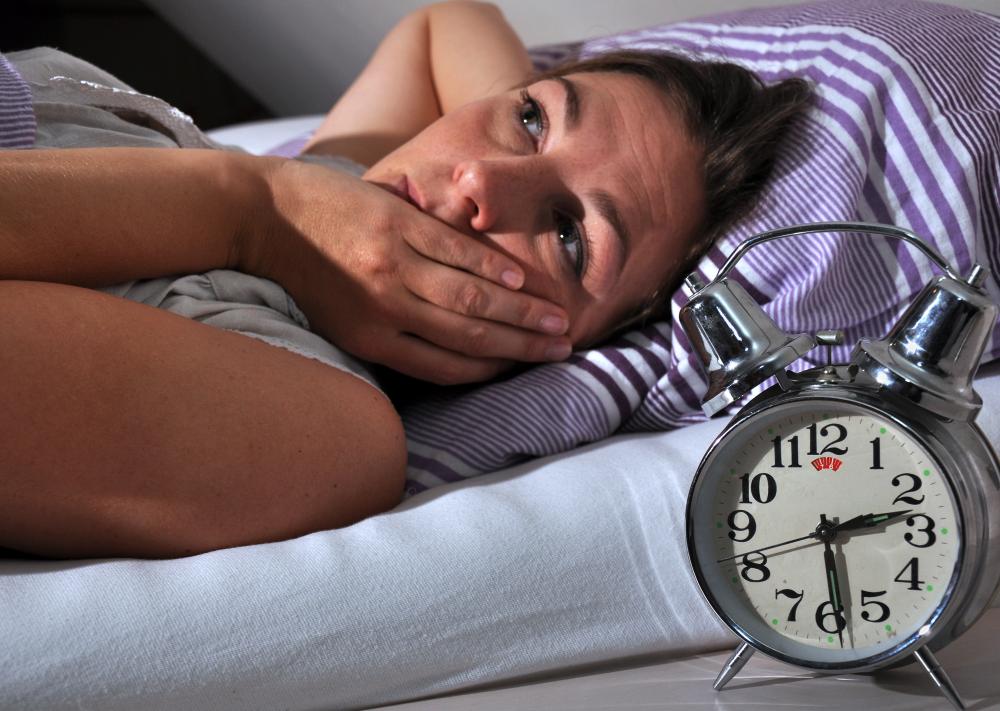
![Alcohol withdrawal symptoms may include insomnia.]() By: Dan RaceAlcohol withdrawal symptoms may include insomnia.
By: Dan RaceAlcohol withdrawal symptoms may include insomnia. -
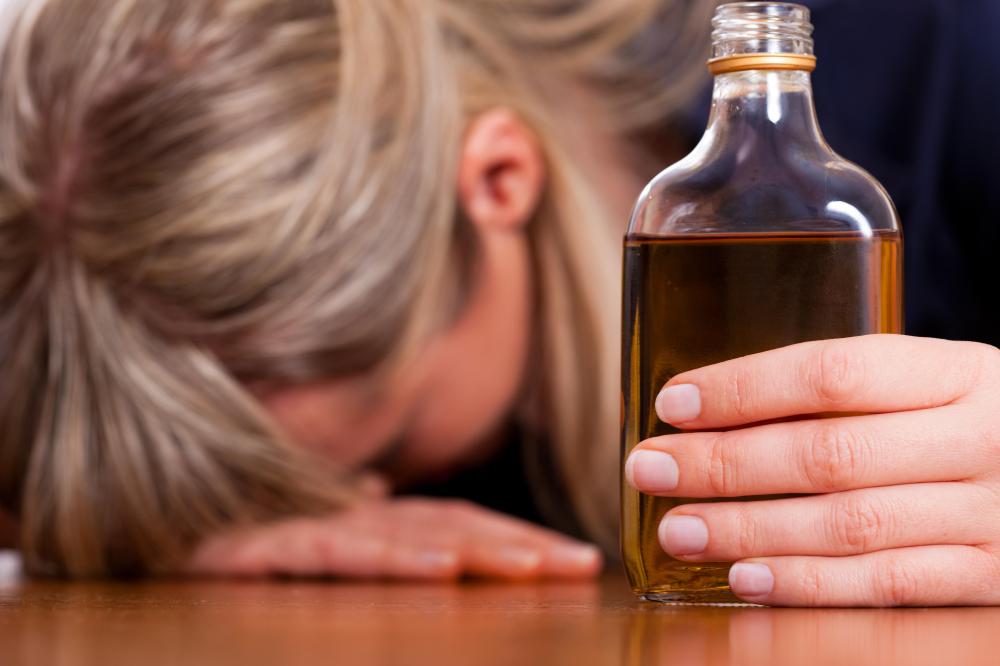
![It's critical that longtime, excessive drinkers withdraw under medical supervision.]() By: Sergey NivensIt's critical that longtime, excessive drinkers withdraw under medical supervision.
By: Sergey NivensIt's critical that longtime, excessive drinkers withdraw under medical supervision. -
![Irritability and anxiety are symptoms of withdrawal from alcohol.]() By: pressmasterIrritability and anxiety are symptoms of withdrawal from alcohol.
By: pressmasterIrritability and anxiety are symptoms of withdrawal from alcohol.



Discussion Comments
I quit for nine years and never had one withdrawal symptom. Fast forward to the past nine months and I started drinking again, a little at first then worked up to two pints a day. I drank at work and lost three jobs. I hid the vodka in a plastic water bottle.
I look like crap: bloated, red face, swollen, yellow eyes. I stopped drinking yesterday and today I have the worst withdrawal symptoms. I sweated all day, my heart was racing, I had terrible fatigue and shakes and thought I was going insane. I was so scared I will have a seizure that I went to the store and bought a half pint just to take the edge off. It took all my symptoms away but I know I'm killing myself. I also itch and am developing sores on my head and arms and have terrible dandruff (never had before). Might try the GNC detox stuff.
@ anon350663: I'm in the same situation. I binge drink heavily once a week, and the withdrawal symptoms are getting worse. For the past few weeks I have been feeling shortness of breath for days, and extreme anxiety for no reason, and a feeling of detachment, and I am very tired every day and have no interest in life. This all starts the day after drinking, increases for a few days, and about a week later I feel a bit better. (I usually don't last longer than a few days before having another binge)
Have you quit? How are you getting on? Are you feeling better?
It’s great to share stories and I feel I’m not alone after all! My drinking started 20 years ago when I was about 18 years old, with a session on Friday and then Saturday night. We worked hard so that was O.K., right?
When I was 23, the girl I had been with for five years dumped me. It was nothing to do with alcohol; it was her family I used to go drinking with. I was gutted by this and lost my whole life at that point. I worked with her family too. So, I ended up losing my job and I moved to town and took my revenge by clubbing three nights a week and having sex with as many girls as I could. I now realize I didn't get over her loss. My behavior was because I couldn't handle it, although at the time, I thought I was Jack the lad.
After various episodes, I ended up in a local quarry and met a good friend. He was a heavy drinker, much heavier than me, but we had a lot in common: he lost his girl, too.
After some time I lost my flat because they got sold. He said I could have his spare room. We were then drinking most nights, 8-10 cans of lager. I would have 4.5 percent and he was always on Stella. Some nights we would finish our beer and then laugh as we walked a half mile to Tescos to get yet more beer. Tescos was open 24/7, and it was too convenient.
I did find another girlfriend while drunk in a night club one night. It turned out she had a crush on me for years when she was younger. She stayed with me and loved me. She was a very pretty and a really nice girl, and I screwed it up totally. I had a drunken row with her one night. Don't get me wrong: I had a good reason to be arguing, but she walked out of my flat. Because I was drunk I saw red and threw all her clothes and belongings onto the street. I then cracked open a bottle of wine and drank until I passed out. Some time later, she and her mum came into the flat to get anything left, and I was so out of it I couldn't lift my head off the pillow. I look back in shame!
I’ve been single for five years now and am getting old looking (three binges a week doesn't help with the looks) and I’m not so sure I’ll get laid again, to be honest. I have short bouts of not drinking, perhaps a month here and there. I have missed some days at work due to drinking so much. I was spaced out for a couple of days.
The feelings some a describing here are exactly what I have and I couldn't bear to be in an office full of people, having to talk to some complaining customer on the phone. Sometimes even a bird tweeting can send me dizzy and faint and feeling sick. Driving becomes a real issue, I don't go to see family very often because I’m too hung over. I don't see many friends because I’m too hung over and they have real lives, with kids etc.
I have not had a drink for 15 days now. The reason is after a seven-day break, I had some time off so I immediately used it to drink, went on a two-night binge, and was still drinking on the second night at 6 a.m. I had one day off to sober up, but it wasn't enough.
I went back to work and sat at my desk. People’s voices were echoing in my head and then right away someone transferred a difficult call to me and the person had a complex issue. The guy’s voice just grated in my head and I felt dizzy. I couldn't focus anything -- even my eyesight. I put the phone down mid conversation and then started to feel sick. I asked my boss for a day’s holiday because I felt sick, and he said it was cool, luckily!
I managed the next three shifts, but during the fourth, even though I hadn't drunk for a week, I felt like crap. My sides were hurting, I couldn't eat and I felt dizzy, just like during the phone call a few days before. I told my boss I was going home.
I had five days off. I got no sleep, my sides and the middle of my stomach were aching, and I had no energy. On day six, I felt a little better, went to the doctor around the corner, told him I have an alcohol issue and felt like crap, but he didn't examine me at all. I thought I might have been sent to hospital, but nothing. He gave me some sleeping pills and told me to come back next week.
A good thing from is we came to the conclusion I’m not actually dependent. I don't drink every day and do still have four or five days off. We discussed Antabuse, which I could use whenever I have time off, because that's when the drinking usually starts.
On day seven, I went back to work, feeling lucky I was able to book some long overdue holiday starting on day eight, but I still left early feeling like crap – but not as bad as a few days before.
Now I have 10 days to get my crap together. I think some questions might asked if I’m not full of beans when I go back. I’m very worried because I’m still not sleeping and am still sore around the sides, etc. I'm drinking 10 liters of water a day and have just managed a meal. I have never felt like this after 15 days sober. Usually I’m OK after five or six days. I now never want to drink again. I finally have come to the truth and obvious it is!
I have missed my nephews growing up, and loads of family moments because I’m so selfish. I’m angry with myself, but I’m changing as of now. I can’t wait to feel good again and get the Antabuse ready.
@ anon342005: I know what you went through, but I didn't have it half as bad as that. But I hit rock bottom, I was out of work for many years as I was hardly able to get out of bed each day, and ran up huge debts to fund my drinking. When I didn't drink, I would get anxiety that would never go away -- a feeling like I was suffocating, and would see horrible images flash in my mind every time I tried to sleep. I didn't sleep well at all as I would just toss and turn all night in a state of anxiety, panic and fear.
This led to full blown panic attacks the day after drinking, and chest pain where I thought I was finished. If I left the house, I would almost collapse into oncoming traffic sometimes. I was a complete wreck. And this was all triggered from only binge drinking heavily once a week for many years.
I have stopped drinking now for a few weeks and feel a bit better, but the breathlessness and anxiety remain and I have no energy still and I have insomnia. I feel on edge even at 4 a.m. in the morning. When I do drink, I see things, people who are not there and I even have conversations with imaginary people who look solid and as real as can be. But they are not real.
Someone said if alcohol was a tool, it would be a sledgehammer. I did not realize the damage it could do to your sanity and your body. And it hit me like a truck one day and nearly finished me off. I know I will never drink again because it scares me to death to think of going through all that again.
I hope you remain alcohol free, and I hope the same for everyone here. If you drink, stop before it destroys your life.
I binge drink heavily once a week, and the withdrawal symptoms are getting worse. I read that binge drinkers who keep going through withdrawal are playing a dangerous game as it increases withdrawal symptoms and can lead to the DTs. The last few weeks I have been feeling shortness of breath for days, and extreme anxiety for no reason, and a feeling of detachment like I am in a dream or just floating. And I am very tired every day and have no interest in life. This all starts the day after drinking, increases for a few days, and about a week later I feel a bit better.
But I am scared because it's getting more severe and having a big impact on my mental and physical health, so I am stopping drinking altogether beginning today.
Here's my story (very long I’m sorry). I hope this helps anyone who reads it. I have been drinking for the past ten years. I binge drank heavily through years eight and nine (usually four days a week, solid drinking morning till night over the weekend period) and for the past year, it gradually erupted into full alcoholism.
I remember earlier in my drinking years, I could always go out on a night once or twice a week, get smashed, then go into work next day. I'd be hungover but not anxious or irritable or anything of that nature. I just generally felt crappy.
As the years went on, my partying got harder and harder and that's when I finally started feeling my first bouts of anxiety. On mornings after a heavy drinking session, I always felt so anxious and irritable and basically had to lock myself away in my room for the day until the symptoms subsided because I felt too uncomfortable to be out doing things or even being around anyone.
I fell into the trap like many others of using alcohol to “cure” this reaction so I could actually feel calm and do something with my day. So basically, I would start drinking again in the morning and everything would be fine. I would essentially feel normal again. I would even do this while staying at friends’ houses after nights out and they would laugh and call me “hardcore” for starting drinking again at 9 a.m., but really I was only doing it because I knew if the anxiety kicked in and I was there I would freak out! I felt very uncomfortable being around people when the anxiousness kicked in so it had to be done for me to operate and act normal and at least get home!
These bouts of “masking symptoms drinking” would typically last a few days then I would consciously make the effort to taper off on the fourth and fifth day to ease the anxiety. On the sixth day, I wouldn't drink and would typically stay in my room for the day feeling anxious, and then usually the day after that I’d be O.K. I'd then stay sober for three or four days then start the cycle again.
I'd normally knew that about four or five days drinking was my max binge time and I very rarely went over that limit, because each day of drinking beyond that made my anxiety get worse each morning after.
When the real trouble started, I had been on a holiday and basically drank 24/7 for 10 days solid, longer than I had ever done before (beer, wine, spirits the lot). After this, when I tried to stop, the anxiety was even more intense than before and I started experiencing other symptoms as well that I had previously not encountered. I found this very unnerving so again I turned to the alcohol to make it go away.
I realized I had now crossed a line I hadn't crossed before and as it got worse and worse, I needed more and more drink to keep me feeling normal. By now I was drinking from morning until night, constantly every day. To make a long story short, at my worst, I remember writing down that I drank 26 bottles of lager, three medium sized bottles of brandy and two bottles of rose wine throughout that one day. This was a typical pattern (some days worse than others) that carried on until I was eventually deteriorating and completely ran out of money as I was now unemployed.
I had covered it up for so long and this was the point where I finally cracked and told my family everything. They were so supportive and I felt so thankful to have that support and understanding. It was just before this point I went into real withdrawal. My symptoms were as listed: extreme anxiety to the point I couldn't even sit down to watch TV or read because I simply felt too uncomfortable, so I was basically just walking and pacing around my house all day and night because I also now had insomnia and I never felt tired. It was total mental torture. This intensity went on for three days solid and was not subsiding. I ate about a mouthful of porridge in that whole time frame and that was it.
I was sweating, shaking, having disturbing thoughts, waves of mood swings and feelings of being scared.
I had a lot of audio hallucinations -- usually strange noises and sounds like violins and rhythms playing and random thuds, voices (scary, I know) that sounded like they were coming from another room. I dropped cigarette ash on my carpet and that turned into a black insect (the hallucination lasted about four seconds) and also I saw light flashes and trailing strobe like movements when I moved my hand in front of me. Another thing was the involuntary body movements. Usually, my arms and neck would just move on their own and my body would jolt when I would try and relax.
My throat swelled up and made it very hard to swallow anything and my tonsils and the side of my mouth were covered in white dots, as were my lips. I'm assuming this was because my immune system was running so low it couldn't fight infection.
I threw up on myself quite a few times while lying in bed (all over the sheets). I had bizarre dreams when I finally managed to get some sleep (usually about an hour) and would wake up with tremors throughout my whole body and rattling the bed. I also had random spells of crying and abnormal eyelid movements when blinking. To top it off, I also had bad 'brain zaps' while all this was going on -- a strange, constant buzzing electrical type sound in my head that was very irritating and strange – oh, and a slightly swollen, puffy face.
I was convinced I was soon to have a seizure as I had everything else and heard so much about it but thankfully, I never did.
I eventually knew I had to go to A&E, so I got a family member to get me some alcohol so I could get drunk and be calm enough to actually go there. After the drink, I instantly felt “normal” and very calm and happy and relieved. They were no help at all at the hospital, to be honest, and just sent me home with basically nothing to go on apart from some drinking advice. Three days later, I was back in again as I went back into withdrawal due to the bad advice the doctor gave me while I was there.
This second time, I saw a much better doctor who advised me to start recording my drinking in a log daily. I started by drinking just enough to keep myself out of withdrawals, which was around 30 units a day but not get drunk either -- just a steady level to stay calm. I just wanted to be off the stuff because my withdrawals were so bad I never wanted to experience that torture again.
I did this and it kept me functioning normally until I got the help I needed from my local drug and alcohol team to get a detox (long waiting list on NHS). Over the next 59 days after that hospital visit, I was drinking constantly (except when sleeping), sipping slowly to keep the withdrawals at bay 24/7. It worked and I was sleeping and eating normally again. I eventually got down to 19.5 units a day on my own. By this point, I was strictly drinking one type of lager (4.8 percent alcohol), so I knew I was tapering down safely and efficiently.
I got the go-ahead for a 10-day home detox on librium and acampiosate and I can honestly say I didn't feel one single withdrawal symptom. Not even a shake. I was shocked it worked so effectively! It was like a miracle because I was convinced I would still feel some sort of symptoms lurking under the effects of the drugs -- but nothing!
I have been fine and clean ever since my ordeal and I can honestly say I feel even better now than I have in over 10 years. I guess I'm very lucky in that sense. It's also inspired me to go on a health kick and have so much more respect for my body. I also learned so much from my experience; it was all for the best.
Alcohol traumatized me so much that I've never looked back. All I think now even when I fancy a pint, is why in the heck would I want to go back there to that place? Why?
Would it make sense to jump into a hungry shark-infested swimming pool? No. To me, it's the same with the alcohol. At least the sharks would just eat you and get it over with, unlike the alcohol where you're in a constant state of extreme suffering and torture!
But that's just me and my personal logic on the matter and where my head is now. It takes time and it does take a lot of strength.
I've taken the time to share my story because you only know how bad it is if you have experienced it first hand. I have so much empathy for people suffering now I am also very aware that everyone is different and it affects people very differently and people deal with it differently. There always seems to be some underlying issue though, that triggers this, I think that's what most of us have in common if that's the case.
To anyone suffering now and who feels hopeless, I remember feeling exactly the same. I remember thinking that it was going to last forever and no matter what I read, or anyone told me, there was no actual way out; it was just words. It was damn right scary and gloomy and I had a feeling of raw hopelessness.
But trust me, it is possible There are so many people out there like me who are living proof. It's just a shame that some of us have to hit rock bottom or lose everything to get the motivation to actually do it.
Only you can make the choice and choosing to stay living in a crippling nightmare of a reality certainly doesn't make sense now as I look back. If that's where you like to live then so be it; it's you're life and your choice, no one else's. The place I live in now is calm, structured and full of happiness. It's great living here. Obviously, the former was much easier said than done at the time, but I now see it as the truth.
Make the choice, and if you want truly want to get out of this, firstly make sure you're ready. Be smart. Get a plan together with help of a professional to safely regulate your drinking until you get the help you need and never be afraid of seeking advice. Life's too short for that. Get in touch with you're local team get all the help you can! It's there for the taking right now. That's what I did and look at me now! Blessings to all and good luck.
@anon56873: Yep. Same here. I do a pint of bourbon a night on average, sometimes more. On weekends I'll do a fifth a day, sometimes more. You are at a point where to quit you will need either help or taper off slowly.
Is it safe to go cold turkey if the symptoms are only mild? I've been drinking heavy for about 20 years but over the past two months or so it's been about 20 to 30 UK units a day.
My support nurse told me I needed to cut down gradually, but I find the drinking is getting horrendous. Today I don't feel too bad but I'm seriously worried about seizures and heart attack. Please help.
I have been drinking since I was about 16, but only really heavily during the past four years. If I was not working, I often drank a bottle of vodka a day. I usually drank it mixed with some sort of fruit juice.
I decided to give up completely, as I know it is ruining my health, apart from liver problems which need to be ascertained tomorrow by my GP and possible Gynecomastia, an enlarged mammary gland (nipple) often caused by alcoholic cirrhosis of the liver, I need to make contact with old friends after years of neglect, find a job and a wife and sort myself out.
Withdrawal symptoms for me have been not being able to sleep for the first two nights at all, (so I've been awake constantly for 60 hours). I only slept during the third day during which I had extremely vivid dreams. This is apparently due to REM (rapid eye movement) sleep being recuperated in one concentrated burst. The fourth night, I slept like I hadn't slept in years. I also experienced excessive sweating (at 72 hours), a raised heartbeat and diarrhea initially. I have made sure I have eaten two solid meals per day and my diet has now returned to normal.
You will feel renewed energy and a return to inner calm. I went to the pub tonight and ordered a large meal and a pint of coke, which I haven't done in years.
It is important to see your GP so that they can do a urine and blood sample to check your liver and also do an overall check.
Do not order drugs you have read about over the internet like Naltrexone for alcohol withdrawal like I did. They might not be suitable, could cause further liver damage and might not work. Instead, see your GP ASAP. Good luck.
I am a 32, soon to be 33 year old male. I began drinking while living in NYC 10 years ago, casually at first (only on the weekends, two drinks at most), but once I moved into my apartment in Queens and began working in a Times Square restaurant, it became an almost nightly habit. It was easy in NYC because you never had to worry about driving home. Leave that to the cabbies and the subway trains. I moved home to Florida in early 2009 and (silly me) began working at a wine bar. By now, my alcohol constitution was close to two red bottles of vino.
Fast forward a year a half and I finally got my first (and only) DUI. It was to be expected after the years I had spent abusing my body. During the next year and a half of recompense, rather than give up drinking like I should have, I continued to socially drink, though always at home, never while out.
Last year, while I had the device in my car I had to blow into in order to start it, I decided to make the smart call, and give up drinking for the six months the machine was to be in my car. It was a great success, with only the first night or so with me waking up a couple of times, Benadryl helped with that, and soon, I was falling asleep naturally. The dreams were sometimes vivid, but I was sleeping through the night. The occasional craving would hit me, but I was able to dismiss it.
Once the machine was removed, like a fool, I decided to have a drink, then two, four, etc. Fast forward six months later and I am right back where I started, hiding liter vodka bottles from my loved ones, always telling myself, "I'll quit soon."
Now, I am getting married in a few months, and for the first time, I see a true reason to quit. A purpose greater than myself, the chance at marriage, making a family, a happy life for myself and those nearest to me. So, I have decided to stop. It's been 48 hours since my last drink and, thus far, I have had some light to sore pain in my back lower sides (kidney pain, I am guessing), could not sleep more than an hour last night and now, I cannot lie still for more than five minutes without my heart racing and my hands lightly shaking.
I have a meeting with my doctor in 11 days and want to disclose all this to him, in the meantime though, I thought of going to the ER for meds and assistance, but here's the rub. I now work in said ER and would be afraid of their perception of me, especially since most of our business is from detox patients and such.
I just want validation that I am doing the right thing, and that these light shakes and anxiety are nothing to panic over. I haven't been drinking this steadily for many years and I just want to make sure that I'll be all right and that I can tough this out. My grandfather was a truck driver for Jack Daniels for years, reportedly drank like a fish and was able to give it up cold turkey when he was in his early 60's with little to no consequence. I just pray I have his genes and constitution.
For those who start to experience mild or moderate withdrawal symptoms, the best thing to do is to slowly taper off for at least a few days (a week is best), doing something like drinking two beers Monday and Tuesday, and one on Wednesday, Thursday and Friday. Then getting off over a weekend. The effects should be very minimal.
If you can get something like Hydroxyzine or even Benedryl, that should help a little. And a sleep med for a day or two would not hurt.
Now, this can obviously be done with larger habits, but its takes more time. You also need to have the resolve to keep it limited to the day's dose. You will not be getting drunk or buzzed, and you will not feel 100 percent, but if you can do it, it is a much better alternative to full blown withdrawal.
How long does withdrawal last? A week to 10 days.
I am 43 and married with two kids. I used to never have a drinking problem, never more than a glass or two of wine a night. Then I became close friends with another mom who is a heavy drinker.
Over the last five years, I've gone from "normal" amounts to being able to put away up to two bottles of wine a night, or a mix of less wine and hard liquor. I tried to quit last fall, and made it a month. Then, I started to tell myself it wasn't fair, I can go back to being normal. I proved to myself I cannot.
I have been secretly drinking almost daily for several months. I am back up to one bottle of wine a day or 1/3 a bottle or so of hard liquor. I exercise a lot (running) so I have found that I now use to it detox myself instead of enjoying it like I used to. I drank nearly half a bottle of hard liquor last night and feel so bad today. It was the hardest thing to do, but I dumped out the rest of my bottle today.
I don't want to go to AA. I tried that and I hated it. They don't say anything I don't already know, and it just wasn't working for me. I so regret having started back up because now I feel like being secretive has made my fight even harder. It helps reading everyone's stories and is confirmation to me that I'm certainly not alone and that I truly have a problem.
I want so badly to stay away from drinking now, and am so tired of feeling awful every day. My biggest problem is feeling cranky and depressed and having my mood swing all over the place. I haven't been able to advanced past that. I have hope and am more inspired after reading what many of you have been able to accomplish.
Take withdrawal symptoms seriously. I have had three seizures in the last two years due to alcohol withdrawal. The first one was minor, the second one put me in intensive care and life support. With the third one I broke my neck after I stopped drinking for a couple of days. Things will only get worse each time you drink then stop.
If you do stop drinking, please get medical assistance so you won't have to experience what I have been through.
Another program I can recommend (I found AA wasn't for me) is SMART Recovery. It works for me because it's focused on a rational, non-religious model that does not preclude being a religious person.
I was exposed to drinking at a very young age, and by the time I was fourteen I was already mixing drinks. By mixing drinks I mean mixing "whatever the hell I could find". I was about fourteen then, and high school, well, it wasn't any better. I was a huge drug user, anything and everything sort of user. Except Heroine and Meth. Seriously, that crap will mess you up.
Long story short, I'm about 22 now, and I still probably deserve the term "alcoholic", but I've learned how to function. I'm in college, and I still have a 4.0 gpa.
It's hard enough to admit you have a problem when you have a problem, but it's exponentially more difficult to admit you have a problem when you're helping someone understand basic arithmetic.
So this is for all the other functioning alcoholics out there: we're capable of doing so much more.
I always thought that drinking every day was not a problem. I work from home and when my husband left, I would start to have a few vodkas and coke (normally around four or five), and also sometimes a glass of wine as well. I would stop drinking around 2:00, in case when my husband returned he wouldn't smell the drink. I used to hide empty bottles so no one would know, and I started to sleep in the spare room, telling him I could not sleep and did not want to keep him awake, in case he would smell the alcohol. My life was a mess, I abandoned all my friends, put on loads of weight and hated myself, so I decided to stop drinking.
Here's my diary which I hope may help someone.
Day one: Felt not too bad.
Day two: Began to feel awful, with a really bad headache and pain behind my eyes, not really needing a drink though, but so, so hungry.
Day three: Feel horrible, worst headache ever, cannot stop crying, feeling sick, body aching, lying in my front room in complete quietness, told the family I have a migraine. I feel so alone as I am too ashamed to tell them the truth. How did I ever get myself into this? I am only 45 and have been doing this to myself for the last five years.
Day four: Feel worse, cannot eat anything, so thirsty, really bad headaches, tremors in hands and legs. I just hope my family does not notice.
Day five: A little bit better than yesterday, not crying quite so much now.
Day six: Woke up feeling a lot better, did some gardening, then felt really tired and headache appeared again.
Day seven: No headache, still cannot eat and feel really tired.
Day eight: Headache and still a bit of pressure behind my eyes, still not eating but am feeling like I want to start to exercise a bit now.
I am really glad I made this decision as I hope now I can get my life back. Working from home is very lonely, but I am going to go to aerobics two morning a week and have my best friend over for a coffee at least once a week to break up my day. If anyone else is drinking like I was and may think it is not a problem, make sure you are not in denial like I was, as it nearly wrecked my marriage and health. --MS45
I started drinking when I was 16. I remember my first drink. It was with my first girlfriend right before I had sex for the first time. I remember thinking "this tastes horrible! gaaah!" and I put it down. It was the first and last time I ever put a drink down.
I started slowly, getting absolutely wasted on the weekends, but keeping it to the weekends. Then college hit, and oh God, it was four, five, six nights a week drinking to complete blackout. I did that for about five years, and picked up two dui's. I remember doing heroin instead of drinking and being proud of that because damn it, at least I wasn't drinking!
I'm 25 now, and went sober for two months about six months back, then binged for a couple days. Then I went about a month, binged for a couple days, then a couple weeks and binged for a day. I've been steady at about four or five cycles of the couple weeks-binge couple weeks-binge. I'm -- OK -- with that, but I know it's only a matter of time before that sober period shrinks to a couple days instead of a couple weeks.
But I'm learning as I go, and I have a lot of support this time. I hope this is the last time for everything. I've done the treatment programs, the AA, who hasn't? It never worked because I was never ready to quit. Don't get me wrong, there were plenty of times when I said "oh my god, I am never drinking again!" and truly truly though I meant it, but it always comes creeping back.
I'm trying to stay ready for it this time, but it's a long vigil. Kudos to those of you who made it, who beat it back into the dark and kept it there. I hope I'll be strong enough to before it kills me.
This is my third time off the alcohol and I find it quite easy after the first three days. I still have a little bit of the tremors in my hands though, but I can live with that.
My main problem, apart from alcohol, was the lack of food. I didn't eat for week after week, which I don't suppose helped the situation. Now I'm eating like a horse.
I make a point of not avoiding bars. I just order a cup of tea and feel proud of it. I know it's hard, but you have to want to quit to be able to quit. I actually feel great when I have to reply, "No thank you. I don't drink," so good luck to you all. Mind over matter.
I've been reading this and the many posts about "doing this on my own and not going to the hospital." As a nurse, I see many people come in with withdrawals and the symptoms.
You can die from etoh (alcohol) withdrawal!
Make sure you talk with someone, be it with AA or a help line. I've always remembered from my schooling that ETOH withdrawal is more dangerous than that from heroin or amphetamines! Think about that.
I am on day 5 sobriety and I can't stop eating? I am so hungry. Insomnia but other than that I feel proud of myself.
I've been drinking heavily for the last two years and hiding my rum bottles and making excuses. Two weeks ago, I was completely soused and during the night wandered the house and knocked our big-screen TV over. I made excuses the next day about sleepwalking and just running into it and my wife just said, O.K. Well, you need more sleep."
So now I really do want to stop and I did make two whole days with no alcohol, but yesterday I bought a 30-pack of beer thinking beer is easier to wean from than hard alcohol like rum. So I said only six beers a day and I should be good. Well, that didn't work so well and on the second day I went and counted and found that I had drunk 12 and then passed out on the couch.
So how do I do this? Can I slowly wean from hard alcohol to beer and then finally quit? Help!
I've been a drinker for the past six years. It started slow on weekends only, but when I turned 21 last year it crept up to 40-60 beers a week. I just got a DUI right before Christmas. I've been sober five days and counting. I have shaking hands and anxiety. Wish me luck.
I am 35 and I keep telling myself I am a functioning drinker (I just like a drink. What's wrong with that?) This is what I have been telling myself for the last 13 years. I am sitting typing this with tears in my eyes, because sadly, I have known for a long time I have a problem.
This didn't stop me hiding bottles from my wife and constantly defending my drinking, constantly lying/deceiving my wife/work/myself, bursts of anger at my family and denying my children the Dad they deserve. My last session (gradual increase over the years) involved 12 bottles of lager, a bottle of wine and then cracking the lid on my hidden backup: a liter bottle of vodka (I can't remember pouring a second glass, so the bottle sat empty).
This is a four or five times a week occurrence (although I just tip the scales on a work night, gotta be functional!). This was last Friday and it's now Thursday and I haven't touched a drop.
Symptoms: Last Saturday: This functional drinker couldn't function until about 4 p.m. – whole day wasted. Numb/unresponsive most of the night.
Last Sunday: Had not slept a wink, irritable and just wanted a drink, usual feeling of guilt/shame.
Monday/Tuesday: Still not sleeping, lethargic and ready for a drink. General feeling of anger I can't explain.
Wednesday: Painful pressure behind my eyes and soreness in my neck, dull headache, irritable and a feeling of loss I can't explain.
Thursday: 11:58. Not feeling as tired and feeling good in myself. Proud even!
My wife told me she could see me making an effort last night (surprised me as it's only been six days) and cried hugging me for an hour. It made me realize the damage I have been doing to people around me and myself, remember I was a functioning drinker -- or so I thought!
I have taken comfort in some of the other posts and it allows me reassuring reflection. One thing I will leave with is it took 12 lagers,a bottle wine and a bottle of vodka to finally make me realize all the years of damage! Why didn't I realize this at two bottles of wine four years ago? It doesn't matter what stage you're at – deep down we know there's a problem. Hopefully, I have stopped lying to myself.
I'm 57 healthy and fit female who has been drinking five to seven glasses of red wine mostly for seven years almost every night. I have mild fatty liver disease. I can't seem to cut back or give it up. I try to drink it over a four to five hour period. If I go off it do I need medical detox.
I have been to AA meetings over the years and enjoy some meetings, but it really doesn't work for me. Am I in trouble? I eat very healthy foods and exercise.
So I started in October just to get healthy. I've known I've kind of always had a drinking problem but I have always thought it was one I would worry about later. I've put on weight and lost my physique so I thought why not stop drinking for October and a friend informed me this is October. Today all I miss is the glass of wine when I get home because I just know that this usually leads to a bottle.
Does anyone have any tips or tricks to help me? I've started making myself busier and working out again but I still have this unsatisfied feeling and I know it will be fulfilled if I drink! It's funny after reading everyone's comments all I googled was a good substitute for alcohol and came across this website. I never thought I had a problem until I started reading other people's stories!
help. i went to rehab over two years ago. i have dipped in and out of drinking. for the last four days, i have been on a binge of vodka. i am shaking and feeling sick - also have some neuropathy - my feet are numb. any advice?
Depends on how long you drank and the amount.
I am a long-time drinker of 15 years and have done cocaine on weekends from the age of 14. Alcohol is my life as I tend to drink a flat a day throughout the day at 5 percent.
I got fired of last year from not showing any sign of quitting from being suspended to go into treatment on a four-month suspension. I walked out of two recovery houses after four weeks of sobriety. I was there to finish the program but not to quit, because I enjoy the alcohol rush.
I also have a porn addiction that gets worse when I drink so now I have another additional problem. My withdrawals from alcohol range from my arms shaking and I couldn’t drive my car to work in the morning since i had hardcore shakes. My sweats were so bad in bed that the bed was soaked all night. Ii felt I was sleeping in a puddle of water. I wouldn’t eat for three days at a time and sleep, maybe in total three hours a day and up all hours of a 24-hour day. My anxiety is so bad that I can't be around people I don’t know. My brain is shot and my memory is gone.
My objective is to go to Thailand and spend my remaining 200k until I'm dead (hopefully not from aids that won't kill me first).
Tonight will be 24 hours without alcohol. I am not working and do not have insurance, so I can't afford medical help. I have been a heavy drinker for many years. So far, I have just noticed some sweating. I don't want a drink, no craving yet, no tremors. I am scared but determined.
Forty-eight hours now after 25 years of heavy drinking. I have tried to stop a few times over the last 10 years but only made it to three months. This time I pray to God that this is the last.
I am a 53 year old male and my liver is now showing signs of stress. The pain after drinking a bottle of scotch in one night 48 hours ago was it for me. I went cold turkey six months ago and also stopped taking imovane sleeping pills that I had been on for two years at the same time.
Wow. It was six days at home by myself of complete hell, but I made it, thank God. I stayed sober for three months, now here I am on my own at home and 48 hours in and not as bad as the last time. I think it was more of the ativan withdrawals last time.
Eating lots of fruit -- just finished a nice pasta dish and salad for dinner. Only things that are happening so far is great deal of remorse due to the fact I have lost another wonderful relationship over my drinking and no sleep at all in the last 48 hours. For some reason that I have never had before in trying to stop and doing detox on my own, I feel kind of happy that this is the last time. I am now lying in bed typing this out and watching CNN and feel very relaxed. I will pray shortly and ask God for forgiveness for the nasty drunk text I sent my girl friend and to help me make this the last time.
God bless to everyone, and don't be too hard on yourselves. I think that is what is making it a little less of a struggle this time for me.
Withdrawal lasts up to three weeks or more, with acute withdrawal in the first 72 hours. I am in need of medical attention for the fifth time because I cannot quit.
I get shakes, seizures, swelling around the eyes, sleep deprivation, anxiety, irritability, increased heart rate, leg tremors, hand tremors, one time my whole body shook so bad i needed help going to the bathroom and had to go to ER.
Another time I passed out and fractured my skull and I did not even know I passed out until I woke up with a severe black eye and injured cheek bone.
I cannot afford the hospital. I lost my job. No insurance.
I try some alcohol when the dt's come on, but the moment I try to stop, I get them again.
Does anyone have advice for inpatient care for someone with no job or insurance, and long term at that. I think I need a month or more to clean up.
I am 54 years old, and eight days sober and i still feel a little withdrawal. I drank a 12 pack every day and on the weekends i would drink more. I've been this way for 30 years. A couple of times i drank a 30 pack, and was really sick in the morning and felt like i would die. Maybe i am lucky because my withdrawal wasn't serious. just dizziness, weakness, headache, light fever, and bad night sweats. i have been taking a low dose of lorazepam for the anxiety. without the lorazepam, i don't think i would have made it eight days.
i still have the headaches, light fevers, and upset stomach, but i have seen my blood pressure go from 168/105 to 120/70. i believe if i don't stop drinking now, it could soon kill me. please god let the symptoms go away. as of yet i have no desire or urge to drink. i pray i stay that way.
I have been drinking a bottle of vodka every night for six or so years. I hardly ever drink during the day. I quit drinking because my face and eyes were swelling up bad. I have been sober for several weeks. I still have some facial swelling. I was wondering if anyone had any advice or had a similar situation?
I am on Day five of sobriety after drinking heavily for almost three years. I drank between six and ten bottles of wine a week, usually two a night. I did not drink every night of the week and very, very rarely drank during the daytime.
If you have questions about whether you need to detox under medical supervision and are not ready to see a doctor, you can anonymously call an alcohol abuse hotline (there are many you can look up online) and describe your drinking habits and any withdrawal symptoms you've experienced.
They are not allowed to give medical advice, but if you definitely need to see a doctor, they will tell you.
After an extreme panic attack that landed me in the ER after a night of very very heavy drinking, I was given benzos to take while detoxing. These have been a huge help. They can help prevent DTs and definitely take the edge off for the first week or two.
If you are not staying at a facility, a huge help is to have a friend or someone stay with you at night. At least it gives you the peace of mind that you will not be alone if something happens and they can always take you to the hospital or call an ambulance if your symptoms become severe. Melatonin is a natural substance that promotes sleep and is available at drug stores and has helped my sleeping immensely. It is also important to keep eating even if you do not feel hungry. Keep at it. The first days are the worst, but it gets better, and then it gets a lot better!
I started drinking quite frequently when I was 15, usually once a weekend, a mickey to an eight pack of beer. Sometimes I'd go without it for weeks, but by the time I hit 20, and started living on my own (away from parents), and right before I moved out I had a falling out with one of the loves of my life. She moved far away.
My drinking turned into fri, sat, sun, sometimes bender nights, some nights just a couple. Eventually by 21-22, I was drinking almost every day. Although I was drinking more frequently, I took hard alcohol out of the mixture. My dad started making a lot of money out of luck and basically it turned into me having the funds to drink every night if I wanted to.
And like someone said in this board, I go into work feeling kind of restless, but you just have one right after so you don't ever get withdrawal. I thought nothing of it, the anxiety wasn't that bad, just beer, beer, beer. I had no one controlling me. It was easy fun and casual.
But now I am here today, two or three years later, same deal basically, just different in a way. My dad died, my best friend, a year ago. The alcohol abuse got really bad, not only because of his death, but by the fortune that was left. I've had week periods here where I don't drink but I always relapse, it's everywhere we go. Too hard to escape. I am on 48 hours, and it stinks. I feel like crap, my legs hurt, I have insomnia, and yea.
I am 32 years old and started drinking heavily at about 26 way more than your normal 26 year old weekend partier. It started with a half pint of vodka a day, then a pint, then before I knew it I was drinking three pints a day. What a lot of you have said or I have read is very true and I felt the need to share my experiences in hopes that it will help someone.
I have now been sober for over a year and a half. Every day I would wake up and take a shot or three to kill a hangover and by the time the liquor store opened, I was buying my first pint, convinced that if I only got a pint I would not get another one. Then every night before bed I would say "as long as I get a good night's sleep I won't drink tomorrow." Well, after four years, that never happened. Got horrible sleep, always woke up with a hangover and was depressed so I would drink to kill depression, drink because of a day, because it was raining, because I was celebrating. There was always an excuse for the drink. I can remember drinking because it was my dog's birthday!
Well, one day a lot of things changed in my life. I got a DUI, lost my job and ended up with head trauma which amazingly had nothing to do with drinking. I decided it was ruining my life and didn't want it anymore, but was scared of the withdrawal but was dead set on quitting cold turkey no matter how bad withdrawals were, knowing that it possibly kill me because my body needed alcohol to function.
I did lots of research and choose what I thought was the best path for me and it worked, but you have to truly want to quit and most importantly want to quit for you, not someone else.
I went to GNC and bought the full system detox kit about $50, bought Golden Seal about $30, and bought Echinacea about $10. Then I went to the grocery store and bought lots of water, honey, lemon, green tea and cranberry juice. Lemon water or tea with real honey can be very good to subside withdrawal symptoms. The juice and detoxes flushed all my toxins out pretty quickly and I never really had much of a problem other than insomnia and irritability for first few days, but then I was home free but for the next year I drank nothing but what's listed previously: no sweet tea, coke, cherry limeade, etc.
I have remained sober for over a year and a half and sleep like a baby now, am much happier in life and actually eat full meals and lost about 20 pounds. Hope this helps at least one person out.
The things I took and drank helped me the most, but the way my brain works if I didn't want it, it would have never had happened! I tried AA but that never worked. I can't have someone preach to me that what I am doing is wrong! My family and friends tried for years.
Now that I am sober I realize why I pushed people away and have so much more money! I was spending at least $450 plus a month on cheap vodka. Now I have no problem being around people drinking, going to a bar or whatever and I will drink water with lemon in that situation.
If it's uncomfortable for you, don't go or ask for a regular mixed drink glass rather than a plastic cup and I can promise you everyone else is so drunk they won't know the difference! I personally didn't care if someone knew I wasn't drinking, I was very proud of myself at first, but now I am just content with life! Good luck to everyone out there and if you have any questions please ask. Once you are sober you will realize all the things you missed in life. It's never too late to quit.
I live in wine country and I grew up drinking wine off and on.
Now that my kids moved and one joined the Army and is in Afghanistan, I started self-medicating more than ever. My depression got really bad and so did the aftermath.
I used to use wine to treat allergies, only to find it actually is making them worse and brings on anxiety, hard breathing and panic attacks. So far, I have decided to cut down before i quit.
I have quit before, but no more than for a month or so. The last two days I only had two glasses of wine after having a brandy binge which sent me over to the twitching finger scare. I am all too familiar with the withdrawal insomnia, twitching, sweats and the chronic fatigue.
Tonight I hope to not have any drinks at all because I am really need of quitting because I am in my forties This is my first time ever to write about this. I have been telling my husband for a long time I need to quit. By the way, just since i have cut down, already i wake up early and can't go back to sleep so i'm so fatigued and agitated. Thanks everyone, I wish you all the best in your recovery! I heard chamomile tea is good to drink at night.
Last night we had an intervention with my boyfriend. He has been drinking since he was 13. He will soon be 50. He started with beer and then switched to vodka. He starts his day with a double vodka and tea, takes a water bottle filled with vodka to work and stops at the bar on his way home. It has gotten increasingly worse.
The past four weekends he has been totally wasted. I know this is going to be a long haul. How can I help him and any tips on dealing with this would be appreciated. Plus prayers are always welcome.
I'm nearly up to the 48 hours. I have changed my shirt so many times this weekend. the sweat stinks. I'm having good sleep, but very intense dreams. No shakes or seizures of any kind yet.
I have been drinking for many years, heavy for the last three years. Usually 15 to 30 every day. I stopped drinking 42 hours ago and have read what i can find. I do not want to go into hospital. I am not going to hospital. What can I do to get through this?
I have been drinking since I was 20. I'm now 28. I've gone about two years without drinking. Now for the past three years, I've been drinking a lot. About every other day, sometimes every two days.
I'll drink a whole bottle of wine, but lately it's been a slight bit more, maybe a whole bottle and an extra glass of a second bottle. So right now I'm doing my normal thing. I didn't drink at all today, but yesterday had my normal bottle of wine. Besides a slight hangover in the morning a little bit, I don't get any withdrawal I don't believe.
What scares me is that, like clockwork after my wine, around four hours later, I get anxiety and a very fast heart rate, and slight dizziness. I don't get any shakes or sweat, just bad anxiety. It never lasts too long and I'm better by the morning but now I want to quit. It's not worth those feelings anymore.
Now I'm wondering, if after I go into my third day of not drinking, even though I'm used to going a day or two and feel fine, can I get withdrawals? Or am I not yet physically dependent? I know no one can really tell me exactly, but I'm still young and want to stop now before it really gets out of hand. I've seen it happen to family members and don't want to hurt myself anymore.
So i started drinking when i was eight. I stopped at 21 because of treatment. Well when i got out i stayed clean for about a year. I started with one drink a week then went to a lot more. The last two months i have not been drinking much at a time but on a day to day basis.
Monday i had my last drink and it is Thursday night. Tuesday i was so light headed and wanted to vomit every time i coughed. Wednesday was the worst of all. Shaking, wanting to cry, feeling as if my heart was weak, Feeling that every second at work i was going to pass out and not to mention seeing shadows in the corner of my eye. Today was a little better not so lightheaded just tried to stay happy and drank a lot of green tea. Also a lot of vitamins. I just hope and pray to god tomorrow brings a way better day.
I was sober for 10 days til the 25th at 9 p.m. until I passed out. I've only had two days of drinking then quit on the 28th around afternoon. So far, I only have anxiety, a little of appetite, drink a lot of water. I hope they are just mild symptoms.
My next-door neighbor, who has been sober for over a year, gave me some meds to help me relax today. One was for panic disorder and the other for blood pressure. I am thinking of going to the store to get vitamins to help me getting rid of symptoms. What can I do? I don't drink daily. I go to AA still.
I have been drinking every night for about two years, about half bottle of vodka every night. Started getting the shakes then every morning. Previous to this, I was sober for two years, before which I was a heavy drinker on and off for about 10 years.
This is my third day of being sober and so far have experienced interrupted sleep, headaches and night sweats. Hopefully, this will get better with time as I am determined for the second time to get sober again.
I've been sober for nearly three weeks. the symptoms (insomnia, shaking, panic attacks) keep getting increasingly worse. I've tried taking over the counter sleeping pills but they have no effect. Please help.
it's been four days since i touched a sip, and still feel uneasy. This is really hard!
I've been drinking for eight years now every day. I'm 24 this march. i really want to stop. it's really hard for me with the loss of my mum in may 2010 and I'm drinking more and more. I really need help.
@anon137206: I'm glad you've admitted to yourself you have a drinking problem, and written it here. That's the first step in getting free of this addiction.
Any recovering alcoholic will tell you that admitting the problem to another human being is one of the most freeing experiences they have ever had. When you tell another person you have this problem, suddenly, it reduces dramatically in size. It's still there, but it has become something you can deal with, one day at a time.
I highly recommend you attend at least a few AA meetings. Isolation is one of the side effects -- and intensifiers -- of addiction. Once you find people who have faced exactly the same struggles you are facing, it helps more than you know. You can look in the phone book for Alcoholics Anonymous, or in your local newspaper for meetings in your area.
Good luck in your journey to get out from under alcohol.
I've never admitted to anyone that I have a drinking problem. I have been drinking every day for the last 18-plus years. I occasionally stop drinking because I'll have some sort of illness where a doctor will prescribe medication and say don't drink while taking this.
I'm completely "functioning" (whatever that means) in that I never miss work due to drinking and I only start drinking after work. I'm sure that I would be a more productive person if I stopped drinking.
When I've stopped drinking in the past for a few days, I've noticed that I've had a racing heart and haven't been able to sleep at night. I never put it together that these things were withdrawal symptoms until today. So I got scared and decided to stop drinking. Now it's 3:20 a.m. and I haven't slept a wink and my heart races every time I lie down. I now realize that I've drank myself into trouble and I need help.
Honestly, before toady, I always thought I just needed to cut back or stop drinking someday and all would be OK. Now I'm scared -- really scared.
I guess I need to call my doctor. That would mean admitting this out loud.
Help me. I want to stop drinking altogether. Now.
I have been drinking six years now and I do not drink daily. I mostly drink beer and if i do an occasional six cans is the maximum.
I should also note that I'm currently under citalopram Hydrobromide tablets for my anxiety and depression. If I have a drink, I can't just stop with one as i have to have more and more but i stop with six to the most seven cans. I am planning to come off the alcohol and I wish to know the best way to go about it. Thank you guys.
Withdrawal symptoms are the most dangerous during the first 72 hours. You will experience hand tremors, nausea, head aches, auditory and visual hallucinations, insomnia, feelings of bugs on you and in some cases seizures which could result in death.
My first time detoxing I had a seizure, was rushed to the hospital and given valium. That is the best thing to help with withdrawal symptoms. Also be under supervision of friends, family, detox center or even medical, for this is a very dangerous time, even if taking some short of valium. Do not take more than the recommended dosage unless your withdrawal symptoms are reaching a dangerous level.
Hope this helps and congratulations on a new life.
My boyfriend is detoxing and went into dt's. He has been a heavy drinker for 20 years. if he starts drinking again even a little, and stops will he go into dt's.
My question is can I go into DT's if I quit drinking after drinking one bottle of wine every day for around 10 months? The one bottle is the small bottle of white white (probably four or maybe five 5-oz glasses with a few nights here and there without any). About 24 hours after last drink I feel lots of anxiety, nausea and sweating, but would that mean DT's are imminent?
@anon 92106: It is best to stop drinking completely. Don’t convince yourself that you can just have a “couple” and then stop.
The problem with that thinking is that you really are not able to stop after a few drinks all the time and each time you don’t the cycle repeats. It might work once, twice, even ten times, but then the line is crossed again, so you never change the problem…even with the best of intentions.
If family and friends have told you to cut back, it is a problem. If it is affecting your job, it is a problem. If it is affecting your health, it is a problem. If you are drinking more and at any excuse, it is a problem.
It is a problem that will get worse over time. You will lose your job, your friends, your family, and your health. 26 is too young to die, but if you keep drinking you will certainly die from alcohol if you continue, whether it is a car accident, a seizure, liver disease, heart attack, high blood pressure, alcohol dementia.
Alcohol affects every cell in the body and some of us are not able to handle even small amounts. It may be genetic or personality, family history or environment.
Make the right decision and get help to stick with it. You have taken a step in the right direction and you have your whole life in front of you. It may seem bad now when you are suffering, but it will get better. Believe me, people will like you a lot better without alcohol.
Drunks are the boring people and it is no fun taking care of them or dealing with them. They may think they are funny, but it gets old real quick. I know from personal experience: being the drunk and then seeing the drunks. Quit now before it wrecks your life. I quit too late and lost a lot. Every day I work to get it back. Good luck.
been drinking hard for 10 years. from morning till night gone cold turkey for four days but had one bottle of 5 percent wine every day. if not my legs and my arms start shaking and i have come out in rashes and can't stop scratching them. what does that mean?
i went cold turkey, after almost 30 years of being dependent mostly hard drinks. I'm very thankful to God. It's been two months now, but no withdrawal symptoms.
Husband had been drinking for 20 plus years. Has tried to quit several times and has had severe withdrawal symptoms including seizures. He has been sober for 18 months and has been drinking for the last week. He is having moderate withdrawal symptoms. Is that normal?
Keep going everybody. It is a series of battles and the war will soon be over. I quit before my wife left me and my adult kids never spoke to me again.
Only half a liter of vodka a day, but it was creeping up by the month.
I'm sober 66 days now and I feel tired, but exercise helps. I don't want to be a slave to anything ever again. My wife is falling in love with me again and sex is great!
When you are sober, be around positive people and really want to stay sober! Also a really good cup of filter coffee now and then is a good reward, and it has health benefits if you are off the drink.
@Anon97746: Good going on taking control of your sobriety! You're doing great and giving yourself and your family a priceless gift. Keep up the good work! (And really, that goes to everyone who is getting clean and sober!)
I just reached 48 hours without a drink (beer). So far, it's been insomnia that has been the biggest problem. I'm trying to ease that transition by using a mild over the counter sleep aid. After a decade of never having a problem falling asleep (due to the alcohol consumption), it's very unnerving to stare at the ceiling until late into the night.
Most nights I used to have 8-10 "light" beers. I have to say, the sleep that I've had the last couple of nights is quite refreshing. At least compared to waking up tired feeling like I didn't sleep well. I am eagerly looking forward to the day that I'll fall asleep "naturally".
I think that I am going to really like this restful sleep thing. I had forgotten how much I enjoyed actually sleeping.
Best wishes to everyone wanting to quit and having quit. I'm early on in sobriety and may still have symptoms to come, but I can see the light at the end of the tunnel, and it is bright.
I used to drink 6-10 drinks a day for about two years. One night I woke up hallucinating and thought it was because I hurt my back and was on muscle relaxers. I continued to drink but less heavily in progression.
Now I usually only drink one or two times a week 6-10. This 4th of july I took a vacation and drank four nights, with 10 or more drinks a night. Tonight none.
I'm so tired but when I fall asleep I wake up in a panic with my heart rate racing and I'm a little bit delusional until I get up for a bit. I am very scared that I'm going to have the dts.
I have read you have to be a serious alcoholic some places and only go on a short binge other places. I enjoy having a few with friends but I'm afraid I'm going to have to quit. Never had side effects like this from Mari jane when I used to smoke.
I'm 26 years old and I've been drinking since I was 15. I've pretty much been binge drinking at least one night a week since. But the last three years it's getting worse. I'm finding myself getting bad anxiety and feeling really shaky and agitated.
I've been drinking more often and at any excuse, even secretly sometimes on my own. I've been told by family and close friends that I should try and stop drinking as much.
Three days ago I stopped drinking after a very heavy two-day drinking binge and I had to call in sick to work yesterday. I have a very responsible and well respected job but I feel like booze is now affecting my performance a lot more than it ever did. I am still feeling the withdrawals now, although not as bad.
I have quit before but never for longer than two months.
I feel I've no confidence and that I'm boring and no fun without alcohol. Do I just need more self discipline or is best if I just stop completely?
Fifteen days sober today --yeah. Still feel tired but I believe this will go away in time. I am taking campral for alcoholism and it works great. I have a great support team. I turned my addiction for beer 18-24 a night) into my new addiction to go to Curves and exercise. So far I've lost 10 pounds.
My brother-in-law is trying to quit drinking, but is having relapses where he gets smashed. He says he is not drinking like he did before. If he is in withdrawal but has one or two drinks, can that make his body react like he is smashed again? Or if he typically drinks vodka, can a different alcohol or wine have this effect on him? Concerned family member
I've been a pretty heavy drinker (6-10 beers daily) for about four years now. Quit for a week, then go back at it heavy all over again. I woke up yesterday and decided enough is enough.
Oddly, I don't have tremors or insomnia yet, but have been sweating all day long! Is that a symptom? Best wishes to all who have decided to to control the alcohol and not the other way around. I'm tired of being a slave to it.
i have drank heavily for 17 years. and for the last eight of them i have found my health go down hill all the way.
i have just been getting over the worst of my withdrawal today. My withdrawal normally lasts about five days, depending on the bender I've been on. I'm finding it's about the third or fourth day that is the worst, but now I'm over the worst that's it for me.
Here we go all the way on the up -- and good luck to all the people out there with the same disease.
anon56873, I'm no expert, but I believe you're feeling mild symptoms on average that can easily push you into the scary land of extreme. Just drinking every night on its own is alcoholism, and the anxiety is the withdrawal.
I always drank a 6'er for years, but for the past year, 18 a night was nothing on my days off for the past year (maybe six before days on). Never experienced typical withdrawal because I'd go to work "all right" and start up again after work.
Two weeks ago, I started getting dizzy and having anxiety spells. When I drank, it went away, so just thought it would pass. Four nights ago I was in the ER after hitting the wall. Full DT's, head imploding with anxiety, choking, shortness of breath, and eventually couldn't stand up -- as close to death as I think it comes, but death is quicker.
They gave me Librium to help and it's a miracle for my case. Mine only lasted three days and only needed three pills, but could have died I fear. Day four is about over, and I want a beer bad, but that was so scary that I don't want that again.
Or for anyone else. I think you're having withdrawals, and can only get worse as you continue pounding your body and ignoring the obvious. The cure isn't to drink to make it feel better.
i drink heavily every night. i get nauseated in the afternoon and want to vomit around the time i am due to start drinking again, about 24 hours
between drinks. Am i having withdrawal symptoms?
As soon as i have my first drink the sick feeling goes. I also feel anxious and short tempered. Is this characteristic of alcoholism?
i've been drinking every day for about 20 years, and i'm done. i'm at 5 hours sobriety. lol. i gave my wallet to a friend so i can't buy any. here i go into dt's and whatever. i'm scared.
after 20 years of alcohol dependency, I will have one week of sobriety tomorrow. Nausea and trembling affected me almost every morning when I drank and as of today the worst has been insomnia and an overall mental and physical itchiness. I don't know how long these symptoms will last but I'll deal with them in order to regain my life.
How many days do the withdrawal symptoms last?
how long does withdrawal last?
Post your comments