
At TheHealthBoard, we're committed to delivering accurate, trustworthy information. Our expert-authored content is rigorously fact-checked and sourced from credible authorities. Discover how we uphold the highest standards in providing you with reliable knowledge.
What are Subcutaneous Nodules?
The term “subcutaneous nodule” is a medical phrase that can cover basically any sort of lump or bump that occurs beneath the skin. These bumps are noticeable and can be felt on the surface, but they aren’t skin blemishes in and of themselves the way warts and most moles are. Many different things cause them to form, and while most are benign, some are signs of much more serious conditions. Medical experts typically advise people to keep an eye on any nodules they notice, and get an evaluation if any seem to move, change in size, or multiply.
How They Form

It is somewhat difficult to nail down exactly how or why nodules form since they come in so many different varieties. They can appear anywhere on the body and in a wide range of sizes. They can be so small as to be barely felt, or large enough to be easily visible; they may be filled with liquid or with a solid mass of cells or other tissue. Some nodules, such as abscesses, can spontaneously erupt and drain fluid, while others are nothing more that fat that is encapsulated under the skin. Some conditions, such as metastatic cancer, also cause nodules to appear, though in this case the bumps are just one of many other, more serious symptoms.

In all cases, though, the bumps form under the body’s innermost layer of skin, known as the subcutaneous tissue. The skin has three main layers: the outer layer, or “epidermis,” which actually has five layers of its own; the middle layer, or “dermis,” which has two layers of its own; and the inner, subcutaneous level. Depending on what they’re made of they may be tender to the touch, and often look red at first, and they can appear almost anywhere on the body depending on what is causing them to grow.
Benign or Harmless Nodules

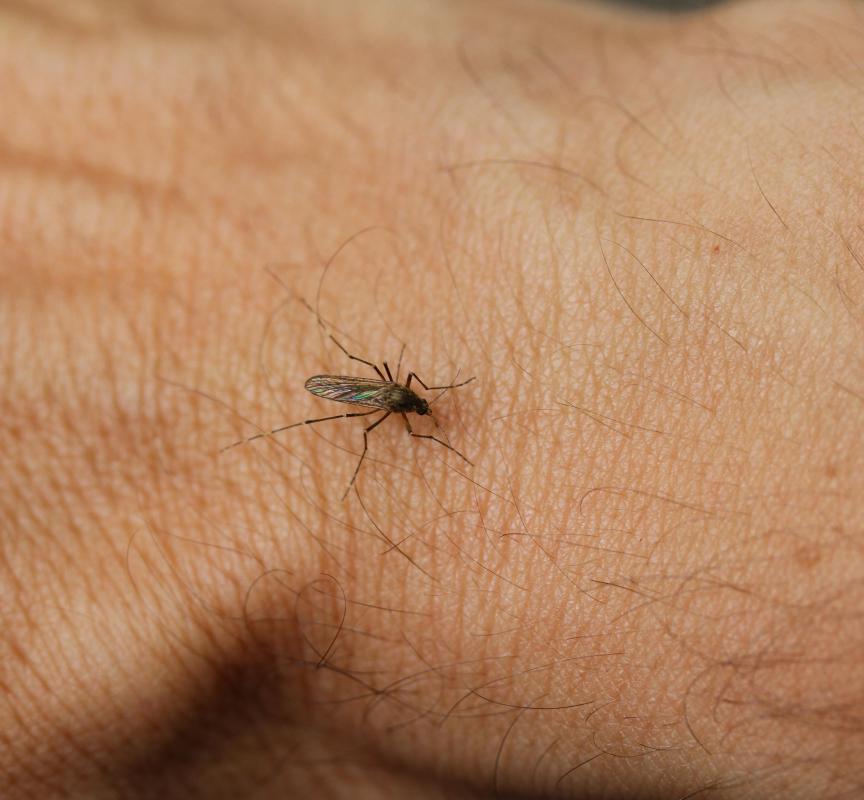
Bumps under the skin aren’t usually considered normal, but they aren’t always harmful, either. Some insect bites can result in subcutaneous nodules, particularly if the bitten person has an allergic reaction to the toxins or other insect fluids. Most bites present as surface bumps that go away within a few days, but when the skin cells react badly, fluid or irritation can also build up below the surface. Most of these will disappear on their own after a week or so, but should be watched to be sure they don’t get infected or grow larger.

Some people are also genetically predisposed to benign subcutaneous nodules. These are usually considered harmless cosmetic flaws, and most are made up of fat cells or other cellular matter. These may not ever go away but rarely pose problems. People who are concerned about them for aesthetic purposes can sometimes get them surgically removed, but in some cases the removal can leave a more obvious mark than the nodule ever did.

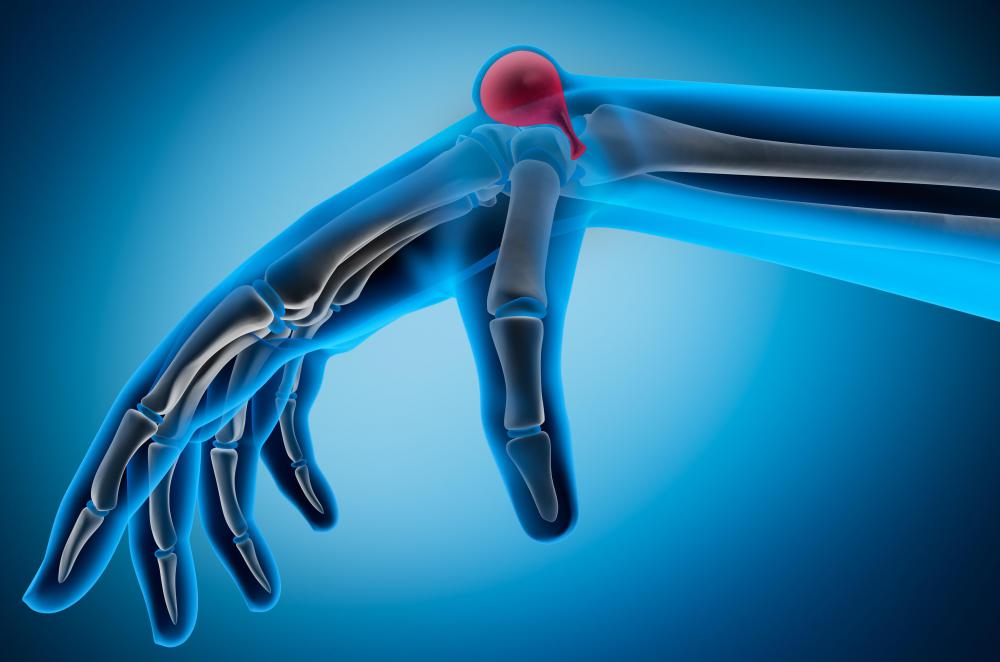
Cysts, which are generally harmless pockets of fluid, may also cause nodules. Ganglion cysts are some of the most common, and generally occur on the top of the hand, foot, or on the wrist. Rheumatoid nodules may develop in people with rheumatoid arthritis, typically on or around the joints that are inflamed.
More Serious Causes
Nodules can also be a sign that something is more seriously wrong with a person’s health, however, which is why many medical professionals recommend that people pay close attention to any lumps and bumps that they see. Granulomas, for example, are a type of subcutaneous nodule caused by inflammatory disorders that can have a serious impact on the functioning of a person’s internal organs. When tissues are irritated or inflamed, toxins and excess bacteria often release into the blood, which can clump up to form nodules beneath the skin.

Metabolic disorders such as hemochromatosis can also result in nodule formation, and are a sign that a person isn’t properly allocating energy or blood sugars. In rarer cases, the nodules can also be a symptom of metastatic cancer. When cancer is the cause, the bumps are often actually small tumors that, if left untreated, can spread cancerous tissue to the skin, blood, and nearby organs.
Problems with Self-Diagnosis and Care

People who notice subcutaneous nodules are often tempted to treat them themselves, though most medical experts discourage this. Topical creams designed for ordinary insect bites and rashes aren’t usually able to penetrate down to the skin’s lower-most level, and in some cases can cause more harm than good.
Puncturing the nodule to drain it or relieve pressure can be dangerous, too, since it’s often really difficult to tell what it’s made of. Draining a nodule filled with bacteria, for instance, could actually cause an infection to spread or make the underlying condition worse. People who aren’t sure what to do are usually advised to take a “wait and see” approach to see if things will go away on their own, and to carefully document their symptoms and reactions in the meantime.
When to Seek Help
Skin bumps that are painful, swollen or tender to the touch, or that seem to be growing in size or number should typically be evaluated by a skin specialist. Experts can often diagnose more serious conditions early on, and can stop many other problems before they start. Even though most skin nodules aren’t anything to be worried about, getting them checked out is a good way to rule out possible issues.
Common Treatment Options
How a dermatologist or other medical provider will treat a skin bump depends in large part on what kind of bump it is, as well as what caused it. Treatment may involve antibiotics, anti-inflammatory drugs, surgical drainage or surgical removal.
AS FEATURED ON:
AS FEATURED ON:


-
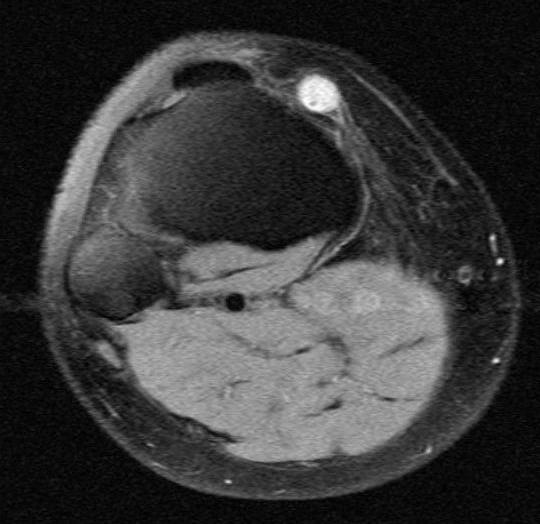
![A cross-section of a ganglion cyst, a type of subcutaneous nodule.]() By: Morten AmundsenA cross-section of a ganglion cyst, a type of subcutaneous nodule.
By: Morten AmundsenA cross-section of a ganglion cyst, a type of subcutaneous nodule. -
![Pilar cysts are common subcutaneous growths found in hair follicles.]() By: Paul HuxleyPilar cysts are common subcutaneous growths found in hair follicles.
By: Paul HuxleyPilar cysts are common subcutaneous growths found in hair follicles. -
![Ganglion cysts, which tend to appear on the wrists and ankles, are a common type of subcutaneous nodule.]() By: psdesign1Ganglion cysts, which tend to appear on the wrists and ankles, are a common type of subcutaneous nodule.
By: psdesign1Ganglion cysts, which tend to appear on the wrists and ankles, are a common type of subcutaneous nodule. -
![Rheumatoid nodules may develop around joints in people who have rheumatoid arthritis.]() By: designuaRheumatoid nodules may develop around joints in people who have rheumatoid arthritis.
By: designuaRheumatoid nodules may develop around joints in people who have rheumatoid arthritis. -
![Subcutaneous nodules may require surgical removal.]() By: dacasdoSubcutaneous nodules may require surgical removal.
By: dacasdoSubcutaneous nodules may require surgical removal. -
![Subcutaneous nodules may be caused by insect bites, especially if a person has an allergic reaction to the toxins.]() By: Henrik LarssonSubcutaneous nodules may be caused by insect bites, especially if a person has an allergic reaction to the toxins.
By: Henrik LarssonSubcutaneous nodules may be caused by insect bites, especially if a person has an allergic reaction to the toxins. -
![Mosquito bites are one of the most common causes of benign subcutaneous nodules.]() By: CedarchisCociredeFMosquito bites are one of the most common causes of benign subcutaneous nodules.
By: CedarchisCociredeFMosquito bites are one of the most common causes of benign subcutaneous nodules.



Discussion Comments
My daughter has subcutaneous nodules on both shins and right ankle and they are spreading to her knees, too. There's no color to them but you can visibly see them under the skin. She is 9 and they want to do an MRI and possible biopsy. I'm just curious as to what this could be. She has about 12 that we can see that have popped up over the past three months.
I have these little tiny bumps under my skin on my arms, hands, legs, and especially the back of my ankles and top of my feet. I do have metastatic cancer stage 4, so maybe this is the reason.
I only experienced subcutaneous nodules once in my life and that was due to strep throat. I didn't realize I had strep throat and delayed going to the doctor for it. I got really sick after about two weeks of symptoms and that's when I realized that I had nodules under my skin on my legs. It was really weird and slightly painful if I pressed down on them.
I went to the doctor right away after this and he tested me for strep which came back positive. He said that since I delayed treatment, I developed something called rheumatic fever. This is a side effect of strep throat that causes a fever and even rheumatism. The subcutaneous rheumatoid nodules are also a symptom of it.
I was put on antibiotics right away and once my strep throat was treated, the nodules also went away. It was scary though! It's amazing how the body works and one thing can lead to another when you're sick.
@burcidi-- I'm not an expert on this but as far as I know, painful subcutaneous nodules happen with acne rosacea because sunlight damages the thin blood vessels in the skin which ends up forming pustules filled with pus. If these aren't treated and kept clean, they get infected and form into nodules.
I would imagine that they would disappear along with the rosacea since they are caused by it. Scarring and blemishes is likely. These happen with acne as well, but I'm sure that they can be made to fade away with skin treatments as long as there isn't a recurrence of rosacea.
There might be other reasons for subcutaneous nodules though, like the article mentioned. So make sure to check with your doctor about these questions for definitive answers.
Do we know why subcutaneous nodules associated with rosacea are formed?
I developed rosacea recently and the nodules aren't very visible but I can feel them with my fingers. I've never felt nodules under my skin before so I know that it has to do with this skin condition. I've read that rosacea tends to happen and then disappear for a while. I'm taking oral medications given to me by my doctor as treatment right now and it looks a lot better.
What I'm wondering is, will the nodules remain even after the rosacea resolves itself? Or will it also disappear along with it?
Do subcutaneous skin nodules leave permanent scars or any visible marks after treatment?
Post your comments