
At TheHealthBoard, we're committed to delivering accurate, trustworthy information. Our expert-authored content is rigorously fact-checked and sourced from credible authorities. Discover how we uphold the highest standards in providing you with reliable knowledge.
What are Stem Cells?
 Mary McMahon
Mary McMahon
Mary McMahon
Stem cells are special cells in multicellular organisms that are capable of differentiating into a wide range of other cells as needed. In other words, the cells themselves are not specialized, like blood cells, nerve cells, and so forth, but they can make specialized cells to form an embryo or repair damage to an adult organism. This property has suggested that they could be extremely useful in medical treatment, and many nations have established stem cell funding to explore the possibility of research and development.
All multicellular organisms actually start out as a cluster of stem cells. As they divide and multiply, they differentiate themselves to make organs, muscle, bone, and so forth until a complete embryo is formed. Adults also have stem cells, although their precise origin is not fully understood. These adult cells trigger in response to serious injury to replace damaged tissues.

There are three types of stem cells. Embryonic stem cells are taken from an embryo. Cord blood stem cells come from the umbilical cord, which is rich in these cells because it is of fetal origin. Adult stem cells are also known as somatic stem cells, and they are found in a range of locations around the adult body. The exact science and distribution of the adult cells is still a topic of intense research.

In order to be considered a stem cell, a cell must possess two properties. The first is that it must not be specialized for a specific action, but it should be capable of generating specialized cells. In addition, they can replicate themselves numerous times with errors, a process known as proliferation. Research is focused on exploring this unique property, and scientists hope to some day be able to exploit it, stimulating the cells to grow organs for people who need them, for example.

Research on stem cells is controversial in some parts of the world. Embryonic stem cells could only be harvested by destroying an embryo until 2006, when scientists began to prove that lines could be created without this sacrifice. Since some people are uncomfortable with the thought of killing an embryo, this issue raised a great deal of concern among many communities. Other critics are concerned that stem cell research may stray into the realm of cloning, and many communities oppose cloning of human beings for a range of reasons. Most governments have focused on creating clear and understandable legislation about stem cell research, in the hopes of harnessing their immense potential without causing controversy.
Mary McMahon
Ever since she began contributing to the site several years ago, Mary has embraced the exciting challenge of being a TheHealthBoard researcher and writer. Mary has a liberal arts degree from Goddard College and spends her free time reading, cooking, and exploring the great outdoors.
Learn more...
Mary McMahon
Ever since she began contributing to the site several years ago, Mary has embraced the exciting challenge of being a TheHealthBoard researcher and writer. Mary has a liberal arts degree from Goddard College and spends her free time reading, cooking, and exploring the great outdoors.
Learn more...AS FEATURED ON:
AS FEATURED ON:


-
![Stem cells and the types of cells they could become.]() By: Andrea DantiStem cells and the types of cells they could become.
By: Andrea DantiStem cells and the types of cells they could become. -
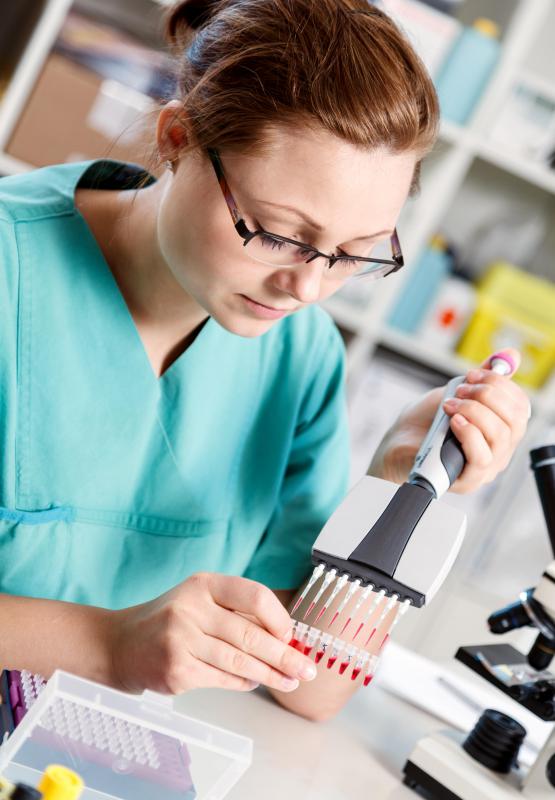
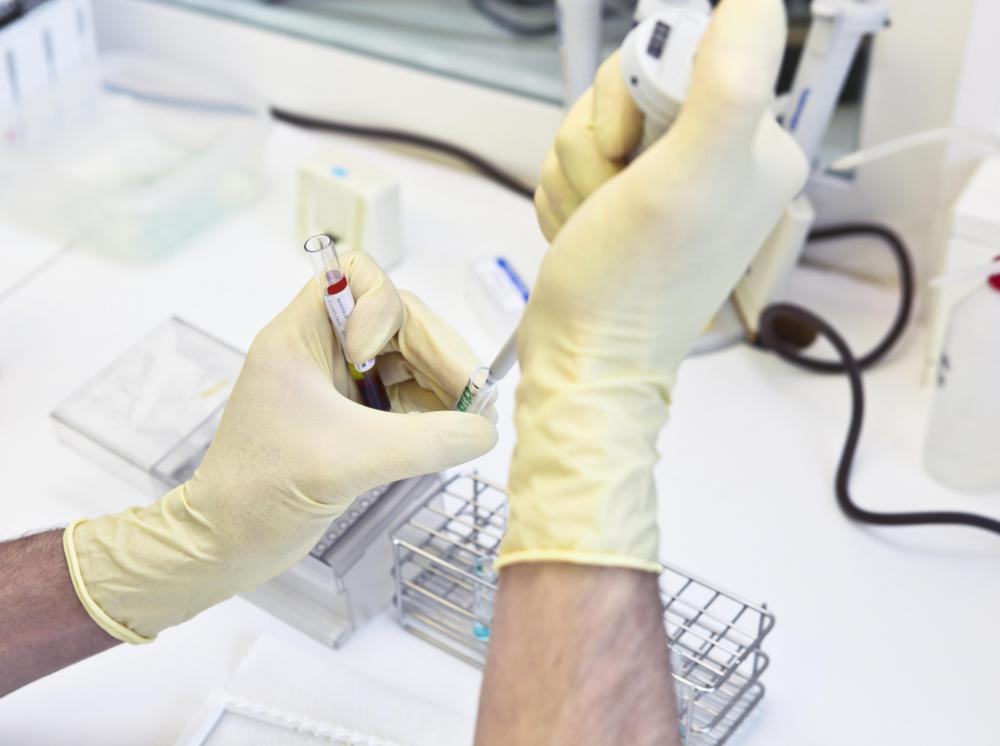
![A stem cell researcher performs experiments on different types of stem cells in order to find possible medical uses for them.]() By: luchschen_shutterA stem cell researcher performs experiments on different types of stem cells in order to find possible medical uses for them.
By: luchschen_shutterA stem cell researcher performs experiments on different types of stem cells in order to find possible medical uses for them. -
![The controversy surrounding stem cell research surrounds using human embryos as sources of medical research.]() By: spflaumThe controversy surrounding stem cell research surrounds using human embryos as sources of medical research.
By: spflaumThe controversy surrounding stem cell research surrounds using human embryos as sources of medical research. -
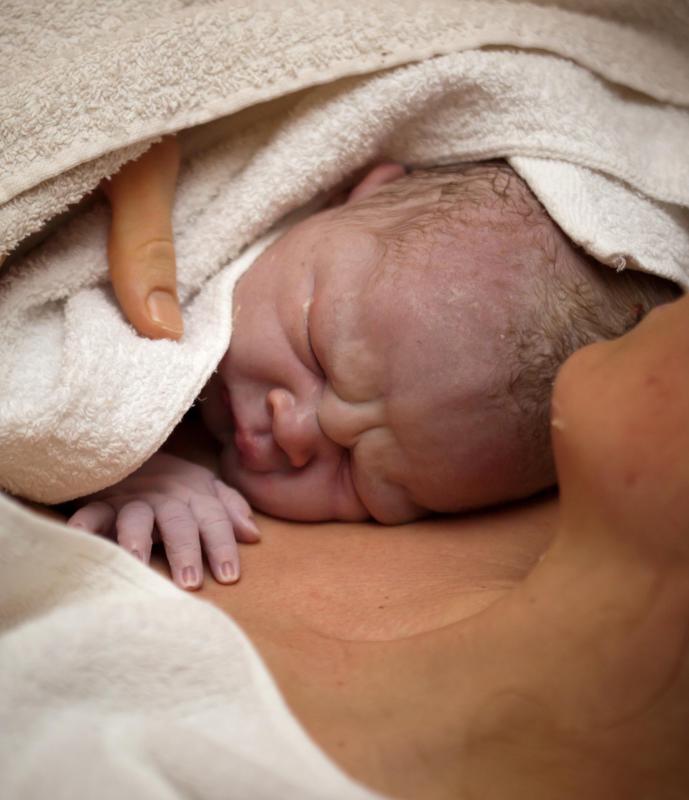
![Some stem cells can be harvested from the umbilical cords of newborn babies.]() By: Kati MolinSome stem cells can be harvested from the umbilical cords of newborn babies.
By: Kati MolinSome stem cells can be harvested from the umbilical cords of newborn babies. -
![Embryonic stem cells are capable of being harvested without destroying the embryo.]() By: HalfpointEmbryonic stem cells are capable of being harvested without destroying the embryo.
By: HalfpointEmbryonic stem cells are capable of being harvested without destroying the embryo.


Discussion Comments
Even if stem cell research progresses for the purpose of medical treatment and repair, it is inevitable that with the technology handy, some private research groups (and probably quite a few billionaires) will make attempts at using them to clone legally or not. I mean hey, if you had an extra billion dollars lying around would you not use it to make a clone of yourself?
I think that stem cells are great they will (I can guarantee you) help us in the near future in the curing of diseases and broken tissue or muscles.
I wish I would have known more about stem cells before I had my children. I had heard about people saving stem cells from their baby's umbilical cords, but all I really knew about it was that it costs a lot of money to store the cells year after year, so I never did it.
Now that I know more about it, though, I wish I would have done it. If something were to happen to one of my children, and the use of stem cells could save them, that is invaluable. If only I could go back in time and save them, because I won't be having any more babies.
But, with all of the research being done on adult stem cells, maybe that's all we'll need someday.
I've heard about all of the stem cell debate, but if something was wrong with your children, you would do anything to save them.
@write79 -- I agree that some sort of regulatory system needs to be put in place, something like a stem cell ethics law. I am completely against the idea of killing embryos to get stem cells, but if the stem cells are retrieved from an umbilical cord, I don't see a problem with it.
There are a lot of people who are against stem cell use, and I can understand the concern. But, I think that if there is a system put in place to regulate the use of stem cells, than they could be used for wonderful things.
While I'm not into using stem cells for cloning, I think that using them to heal injured or sick people is wonderful.
thanks for all the great help for my report! We're reading House Of The Scorpion, which is about cloning.
Post your comments