
At TheHealthBoard, we're committed to delivering accurate, trustworthy information. Our expert-authored content is rigorously fact-checked and sourced from credible authorities. Discover how we uphold the highest standards in providing you with reliable knowledge.
What are Some Types of Fiber Supplements?
 Tricia Christensen
Tricia Christensen
Tricia Christensen
Fiber supplements are often recommended when a person cannot get enough fiber through a healthy diet, or when one suffers from chronic intestinal conditions like Irritable Bowel Syndrome (IBS) or Crohn’s Disease. It is strongly recommended by physicians that people add fiber to their diet through natural sources found in food. In some cases however, additional fiber supplements may be required.
Natural dietary fibers from food are most easily obtained from whole grains, legumes, and certain fruits and vegetables. Two natural supplements that can be added through diet are cooked split peas and kidney beans. The suggested recommended daily intake of fiber in the US is over 30 grams for men, and 25 grams for women under 50. Split peas give a hefty 16 grams per cup, and kidney beans offer a little over 13 grams per cup. These two are some of the best sources of dietary fiber.
Other excellent natural sources are raspberries, which offer nine grams of dietary fiber per cup. Whole-wheat spaghetti is another excellent choice, offering six grams per cup. Both broccoli and oat bran offer a little over five grams per cup.
Fiber from legumes may be indigestible to some and cause unwanted gassiness. Many fiber supplements will also do the same thing, although it may not be as significant as that caused by food sources.

There are essentially three types of fiber supplements on the market that can help those who have dietary restrictions and/or cannot get the necessary dietary fiber through food. These are supplements made from psyllium, methylcellulose and polycarbophil.
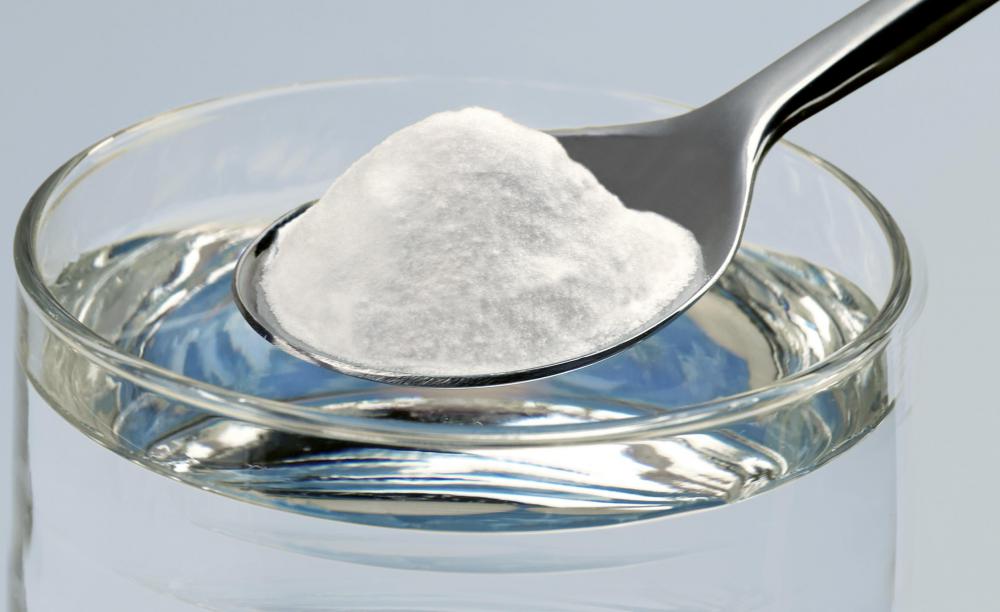
Psyllium husk supplements are probably the most recognizable and are found in products like Metamucil®. This type of fiber does soften and also bulks up stool, so it may be helpful in calming chronic diarrhea and also helping to ease constipation. A teaspoon or so of Metamucil® is usually taken in powdered form with juice or water.

Psyllium can cause excessive gas and bloating. Thus some prefer supplements that are less gas producing, like Citrucel® made from methylcellulose. Methylcellulose is derived from the completely non-digestible parts of plants like the cell walls. This aids in bulking up the stool, since it passes unchanged through the digestive tract.
Recent additions to fiber supplements are those containing guar gum or acacia. These are natural thickening agents one often sees added to other products. Guar gum has the advantage of being completely tasteless. Many prefer it because it completely mixes with liquid, and thus its presence cannot usually be detected. Benefiber® is one product that formerly used guar gum but now uses wheat dextrin instead.

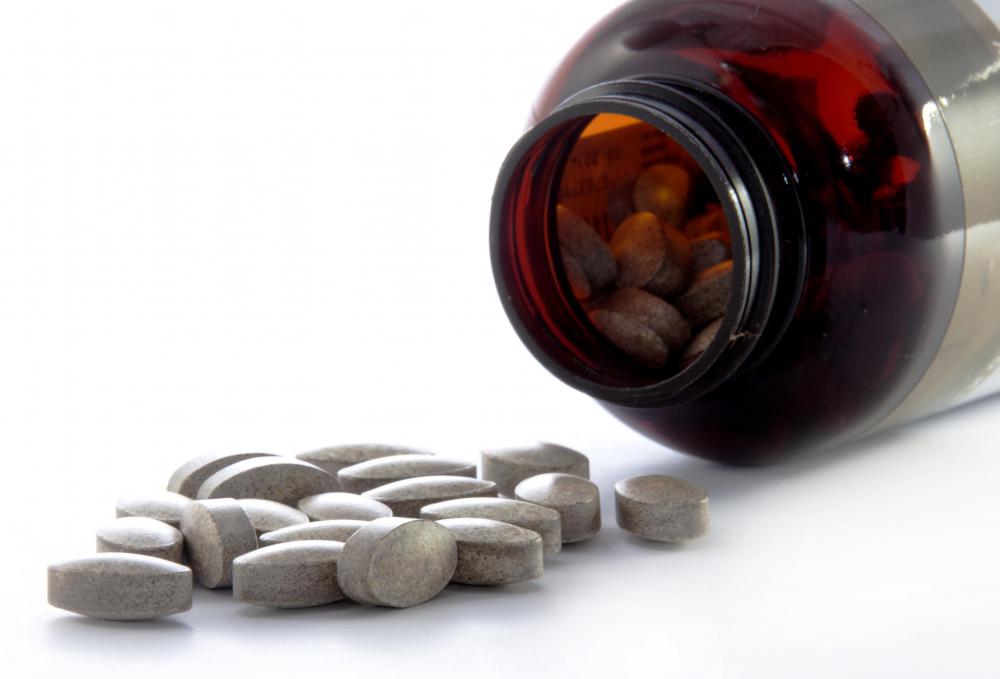
Supplements for fiber used to be available only in powdered form, but now the top three all come in pill form as well. This has aided many, since taking chunky fiber in water is often considered unpleasant. Pills tend to be easier to swallow and may provide a more convenient way to take these supplements.
Tricia Christensen
Tricia has a Literature degree from Sonoma State University and has been a frequent TheHealthBoard contributor for many years. She is especially passionate about reading and writing, although her other interests include medicine, art, film, history, politics, ethics, and religion. Tricia lives in Northern California and is currently working on her first novel.
Learn more...
Tricia Christensen
Tricia has a Literature degree from Sonoma State University and has been a frequent TheHealthBoard contributor for many years. She is especially passionate about reading and writing, although her other interests include medicine, art, film, history, politics, ethics, and religion. Tricia lives in Northern California and is currently working on her first novel.
Learn more...AS FEATURED ON:
AS FEATURED ON:


-
![Psyllium is often used in fiber supplements.]() By: MarekPsyllium is often used in fiber supplements.
By: MarekPsyllium is often used in fiber supplements. -
![Fiber supplement pills.]() By: compuinfotoFiber supplement pills.
By: compuinfotoFiber supplement pills. -
![Metamucil is an example of a fiber supplement.]() By: ViktorMetamucil is an example of a fiber supplement.
By: ViktorMetamucil is an example of a fiber supplement. -
![Foods made with whole-wheat are usually higher in fiber.]() By: womueFoods made with whole-wheat are usually higher in fiber.
By: womueFoods made with whole-wheat are usually higher in fiber. -
![Broccoli is rich in fiber.]() By: Dušan ZidarBroccoli is rich in fiber.
By: Dušan ZidarBroccoli is rich in fiber. -
![Some types of fiber can cause excessive gas and bloating.]() By: michaeljungSome types of fiber can cause excessive gas and bloating.
By: michaeljungSome types of fiber can cause excessive gas and bloating. -
![Certain foods, such as bananas, are high in fiber.]() By: Tim URCertain foods, such as bananas, are high in fiber.
By: Tim URCertain foods, such as bananas, are high in fiber. -
![Cooked split peas are a good source of dietary fiber.]() By: Giuseppe PorzaniCooked split peas are a good source of dietary fiber.
By: Giuseppe PorzaniCooked split peas are a good source of dietary fiber. -
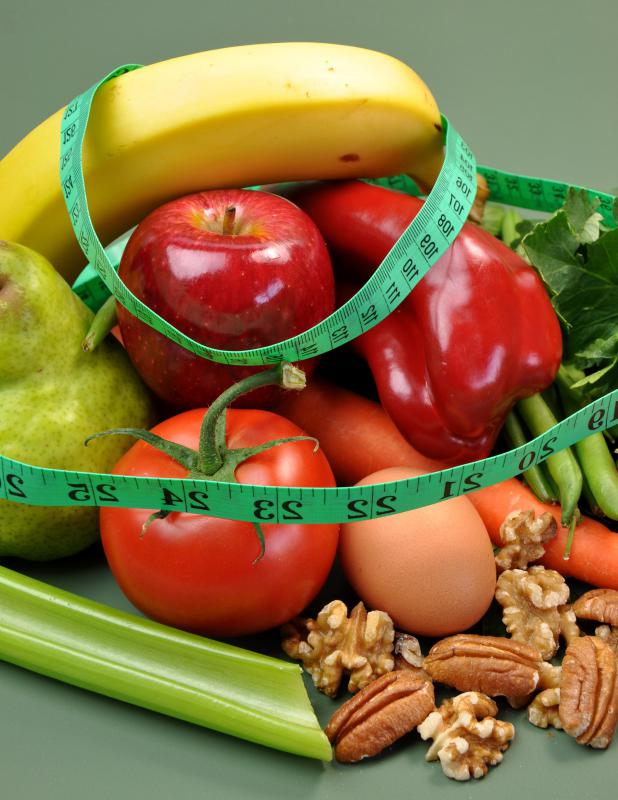
![Nuts, fruits and vegetables are all natural sources of dietary fiber.]() By: millefloreimagesNuts, fruits and vegetables are all natural sources of dietary fiber.
By: millefloreimagesNuts, fruits and vegetables are all natural sources of dietary fiber.





Discussion Comments
I am regular for the first time in memory ( I am 62). I definitely feel less bloating, less cramping, and thankfully, less constipation. My personal regimen is to take one Lady Soma Fiber Cleanse Capsule first thing in the morning before breakfast. I am good for the day.
For some the gas and bloating decrease over time and for others, like me, it doesn't. I'm still looking for a fiber I can take every day that does not cause painful gas. Also, I was wondering if there is a better time of day to take fiber?
I have been taking Metmucil for over three years and I get excess gas every evening. My system hasn't adjusted to extra fiber!
I have been taking Benefiber since last month, these days I am getting a lot of gas. What types of fiber supplement has no gas? Please let me know.
Thank you, Shahla
There is a cereal on the market that has 14g of dietary fiber per serving (per 1/2 cup or 30g). It is low in calories and contains more then half of the recommended daily fiber value.
If high fiber diet is not what your digestive system is used to, start slow. Fiber tends to cause gas and bloating, but over time your digestive system will adjust.
Post your comments