
At HomeQuestionsAnswered, we're committed to delivering accurate, trustworthy information. Our expert-authored content is rigorously fact-checked and sourced from credible authorities. Discover how we uphold the highest standards in providing you with reliable knowledge.
What are Some Pet-Related Uses for Baking Soda?
There are literally hundreds of household uses for baking soda. Not to be confused with baking powder, which has added acidifying and drying agents (typically cream of tartar and starch, respectively), it is pure bicarbonate of soda. Its beneficial qualities are the result of its ability to act as a buffer, neutralizing both acidic and alkaline substances to regulate pH. This is the secret behind its effectiveness in so many pet-related applications.
Baking soda is inexpensive, nontoxic, environmentally friendly, fragrance-free, and safe for use around pets. Unlike many commercial cleaners and deodorizers, it won’t leave behind harsh chemical residues that may irritate your pet’s sensitive skin or respiratory system.
Cage, Crate, and Litter Box
- When changing shavings in a small-animal cage, make sure the cage bottom is as clean as it can be by scrubbing with a solution of 0.25 cup (60 g) baking soda dissolved in 1 quart (1 liter) of warm water. Rinse well and dry thoroughly before filling with clean bedding material.
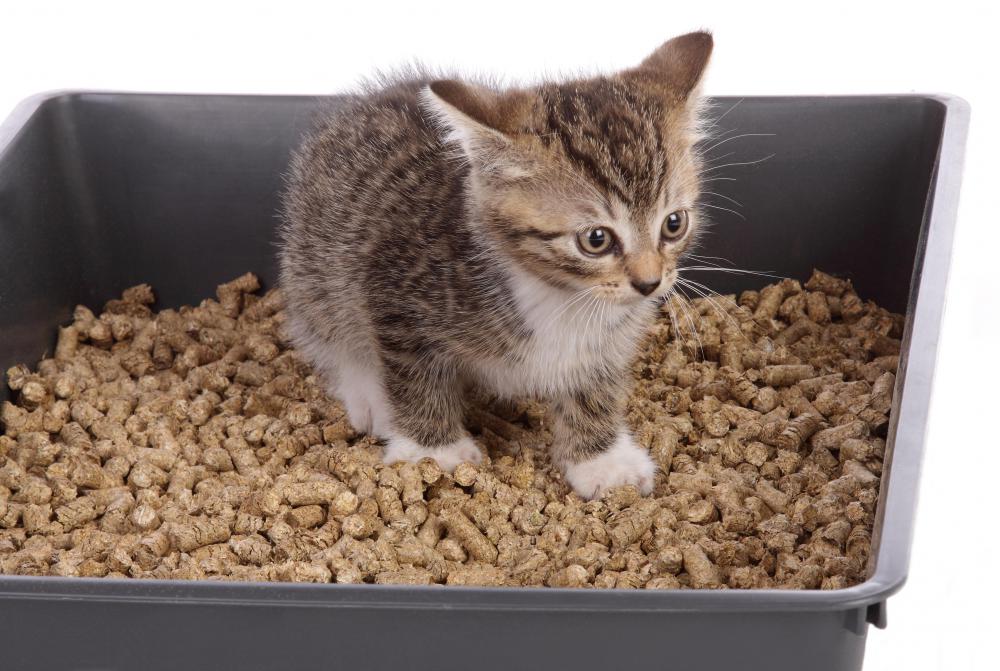
- There’s no need to purchase chemically scented cat litter; baking soda does a fine job of deodorizing a cat box. Before adding fresh litter to the cat box, just sprinkle the bottom of the box with it. For added odor control, mix 0.25 to 0.5 cup (60 to 120 g) with the fresh litter when you add it to the litter box.
- To clean and deodorize a travel crate, wash with a solution of baking soda and water. Rinse thoroughly and towel dry. To remove any stains from the plastic, make a paste of three parts soda to one part water and scrub. If the stain is stubborn, let the paste dry, then wipe clean and rinse well.
Pet Hygiene
- Keep your dog’s teeth tartar-free and his breath sweet by brushing his teeth with baking soda. Ask your vet to recommend a suitable toothbrush for your dog. Moisten the toothbrush with water, then dip the tips of the bristles into the soda to coat it. Gently brush his teeth with a circular motion, then rinse with tepid water.
- Baking soda is a wonderful dry shampoo for dogs. Rub into into the dog’s coat, then brush thoroughly to remove.
- When bathing a long-haired breed of dog, try adding a couple of tablespoons (about 30 g) of it to her bath. The bicarbonate of soda will leave her coat shiny and tangle-free.
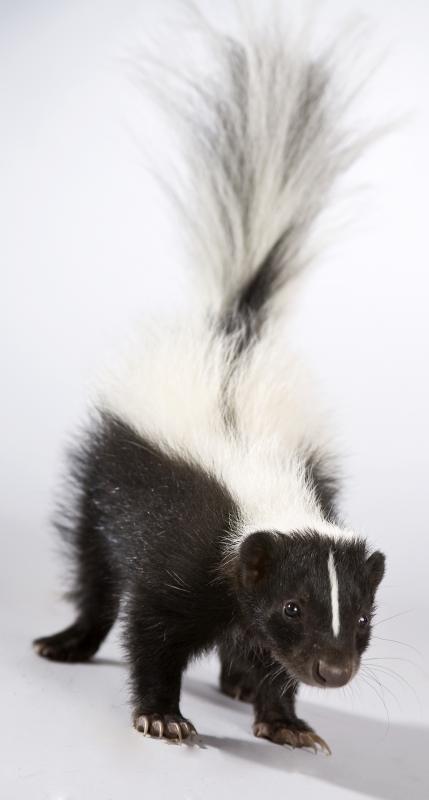
- If your pet is unlucky enough to be sprayed by a skunk, you can mix the following to use as a deodorizing shampoo: 1 quart (1 liter) 3% hydrogen peroxide, 0.25 cup (60 g) baking soda, 1 teaspoon mild dishwashing liquid. Massage this into your pet’s fur, taking care to avoid the eyes, ears, nose, and mouth. The areas around the eyes and nose can be coated with a thin layer of petroleum jelly to prevent the mixture from running into them and irritating the mucus membranes. Rinse well with clear lukewarm water. Repeat process as needed. Note: Although effective, this solution may have a bleaching effect on the dog’s fur.
- If your dog is stung by a bee, remove the stinger and apply a thick paste of baking soda and water.
Cleanup
- To eradicate lingering pet odors from carpets and upholstery, sprinkle the soda liberally over pre-cleaned, dry areas. Let stand for 15 minutes, then vacuum. Repeat if needed.
- Periodically wash pet toys and dishes in a solution of 0.25 cup (60 g) dissolved in 1 quart (1 liter) warm water. Rinse well and dry.
- When washing soiled pet blankets and towels, add 0.5 cup (120 g) of soda to the wash along with the detergent to increase its effectiveness. To get rid of especially tough odors, add 0.5 to 1 cup (120 to 240 g) during the rinse cycle.
AS FEATURED ON:
AS FEATURED ON:


-
![Baking soda can be helpful to help minimize the smell if your pet was sprayed by a skunk.]()
Baking soda can be helpful to help minimize the smell if your pet was sprayed by a skunk. -
![Jar and a scoop with baking soda (sodium bicarbonate).]()
Jar and a scoop with baking soda (sodium bicarbonate). -
![Baking soda can be used to deodorize a litter box.]() By: mariesachaBaking soda can be used to deodorize a litter box.
By: mariesachaBaking soda can be used to deodorize a litter box. -
![Baking soda can be used to brush a dog's teeth.]() By: Sebastian WolfBaking soda can be used to brush a dog's teeth.
By: Sebastian WolfBaking soda can be used to brush a dog's teeth. -
![Bakiong soda can be used to clean and deodorize a pet travel crate.]() By: VidadyBakiong soda can be used to clean and deodorize a pet travel crate.
By: VidadyBakiong soda can be used to clean and deodorize a pet travel crate. -
![Those traveling with pets may use baking soda to deodorize travel crates.]() By: Ivonne WierinkThose traveling with pets may use baking soda to deodorize travel crates.
By: Ivonne WierinkThose traveling with pets may use baking soda to deodorize travel crates.



Discussion Comments
Is baking soda safe to use to control a dog's ph imbalance?
No, you cannot use baking powder or a baking powder substitute (whatever that is) instead of baking soda.
Baking powder turns into paste when it gets wet, like flour.
For my pet dog's soft washable and squeaker toys, I add two cups of regular, plain baking soda to the washing machines gentle cycle wash, and then set the machine to double rinse, and fast spin. Never, ever use "human" laundry detergent or kitchen soap or liquid fabric softener. Just use regular baking soda. It's cheap and it's non-toxic to your dog.
Use it in the washing machine wash and double rinse and machine spin to make sure all of the product is removed from the item.
After the wash is finished, if it is a squeaker toy I squeak it a few times to get any left over water out of the squeaker and then throw the soft toys into the dryer on the lowest heat setting for 30 - 40 minutes. If it's a hard or solid toy like a ball, I dry it off with a clean paper towel.
Do not ever use dryer sheets on pet toys, or pet bedding or pet towels! You can not safely wash tennis balls. Sorry.
Once the dryer is finished, I squeak the toy a couple more times to make sure all the water is out of the squeaker and I keep them from the dog for a few minutes to cool off.
I always inspect for damage to the toy. If it's damaged in any way, I throw it in the trash, and then remove any clumps of pet hair that might have stuck themselves to the toy during wash/dry.
She loves it when I give them all to her in a big bundle and she flips around and plays like crazy with them, all happy and they're all clean and fresh and ready for another week or two of play!
Note: You should inspect your dog's play and chew toys and bedding daily before you allow them to enjoy. Even the smallest piece of plastic or string or a tiny piece of toy stuffing may cause severe internal problems for your dog. If in doubt, toss the damaged toy into the trash and buy them a new one.
They may go through a lot of toys but it's cheaper to buy a new toy than to have to pay a vet hospital bill!
Can you use baking soda on rabbits?
When making a baking soda shampoo for a pet, can you combine the baking soda with lemon juice to make the pet smell better?
Nice -- I had no idea that there were so many pet-related baking soda uses! I will definitely be using baking soda for cleaning my rabbit's cage from now on.
I'm assuming that you can't combine the baking soda and vinegar when you're cleaning though -- I can't imagine that going over too well!
I have kind of an odd question -- can you use baking powder instead of soda when making a shampoo for dogs?
Or can you use a baking soda substitute?
For some reason I have both of those in my house, but no baking soda!
Post your comments