
At WiseGEEK, we're committed to delivering accurate, trustworthy information. Our expert-authored content is rigorously fact-checked and sourced from credible authorities. Discover how we uphold the highest standards in providing you with reliable knowledge.
What are Some Different Ways to Cook Chard?
 Mary McMahon
Mary McMahon
Mary McMahon
There are many different ways to cook chard, a leafy green vegetable in the beet family. Steaming, braising and boiling are some of the most common methods for stems and leaves alike. All parts of the plant are edible, though the tough stems often need to cook for a bit longer than the leaves in order to be palatable. Most of the time, chard can be cooked just as any other leafy green would, including spinach or kale.
Steamed

Steaming is one of the simplest cooking methods to master. Cooks place clean leaves in a deep pot with just a splash of water, then cook over medium heat until the water vaporizes and the leaves are left just tender. Professional steamers and steaming baskets can be used for large quantities, but are not required. Chard’s leaves are generally quite sensitive, and should not be steamed for more than two or three minutes. Immediately immersing them in cold water will stop the cooking past this point.

Steamed chard is often used as an topping for legume or potato dishes, particularly those involving lentils. It may also be seasoned with butter or topped with lemon juice, salt, or a variety of light seasonings and served as a stand-alone side dish — prepared this way, it is a popular accompaniment to many seafood and poultry dishes. Leaves steamed whole can be used as wraps for meats, rice, or salty cheeses, as well.
Braised

The leaves and stems can also be lightly braised in stock or water. Braising is a relatively simple cooking method in which loosely chopped greens are immersed in liquid, briefly allowed to simmer, then drained. Braised leaves can be eaten on their own or can be used to dress up a number of dishes. Mediterranean and Middle Eastern cuisine in particular may call for “crisped chard,” which is usually achieved by braising then briefly pan-frying the leaves over high heat.
Baked, Sauteed or Fried

Many cooks use the leafy green as a filler for dishes like omelets, quiches, and casseroles. Chard lends both bulk and flavor to a number of baked and pan-fried foods, and can typically be used anywhere spinach would be. Cooks can sautee leaves and stems alongside mushrooms and other vegetables to create side dishes and sauces, or can add them to stir fries as an alternative to bok choi or other Asian vegetables.
Boiled
Chard can also be boiled, typically as an addition to a hearty soup or stew. Cooks will generally add the leaves near the end of the cooking process so that they will retain their color and texture — if boiled for too long, the vegetable tends to break down and lose its crispness. While this is not in and of itself bad, it does not usually lend the look or taste chefs are going for.
Special Considerations for Stems
In most cases, the stems are perfectly edible though they do tend to be tougher than the leaves; as such, they usually need to be cooked for a bit longer. Preparing both together is possible, but usually requires a bit of coordination. It is not uncommon for cooks to add chopped stems to a pan or skillet first, including the leaves only once things have begun to grow tender. Undercooked stems often have a somewhat bitter taste, while overcooked leaves can be relatively tasteless.
How Cooking Affects Nutritive Content
Raw chard is packed with vitamins and minerals, and proper cooking will not affect this. Overdoing things can be destructive, though. Chard boiled or braised for too long will lose some of its vitamins to the water. Burning the leaves or stems can also cause mineral loss. The best bet is to cook the vegetable quickly over medium to low heat, taking care to remove it the moment it begins to wilt.
Selection and Storage Tips
When selecting chard for cooking, it is best to choose bunches that are vibrant green with crisp leaves. Fresh bunches typically cook most consistently and have the most nutritive value. Chard should be kept under refrigeration until ready to cook or eat, and should always be thoroughly washed and either towel dried or spun before beginning.
Mary McMahon
Ever since she began contributing to the site several years ago, Mary has embraced the exciting challenge of being a WiseGEEK researcher and writer. Mary has a liberal arts degree from Goddard College and spends her free time reading, cooking, and exploring the great outdoors.
Learn more...
Mary McMahon
Ever since she began contributing to the site several years ago, Mary has embraced the exciting challenge of being a WiseGEEK researcher and writer. Mary has a liberal arts degree from Goddard College and spends her free time reading, cooking, and exploring the great outdoors.
Learn more...AS FEATURED ON:
AS FEATURED ON:









-
![Chard is a leafy green that have stems that come in a rainbow of colors.]() By: QuanthemChard is a leafy green that have stems that come in a rainbow of colors.
By: QuanthemChard is a leafy green that have stems that come in a rainbow of colors. -
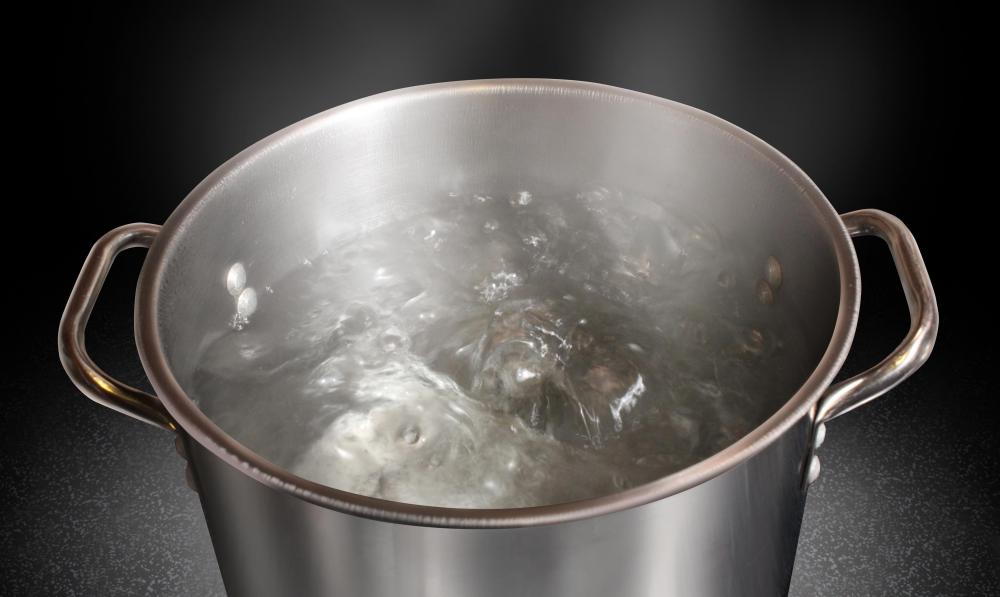
![Chard can be steamed, braised and boiled.]() By: freshideaChard can be steamed, braised and boiled.
By: freshideaChard can be steamed, braised and boiled. -
![Sliced chard can replace bok choi or other leafy greens in many Asian stews and soups.]() By: sugar0607Sliced chard can replace bok choi or other leafy greens in many Asian stews and soups.
By: sugar0607Sliced chard can replace bok choi or other leafy greens in many Asian stews and soups. -
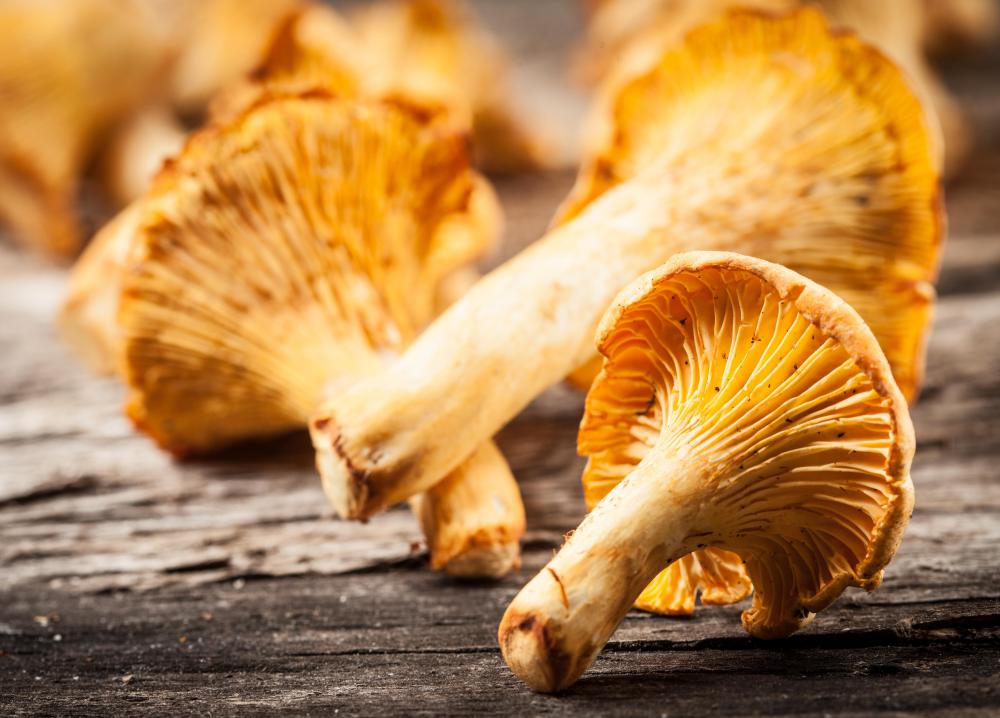
![Mushrooms make a good addition to chard dishes.]() By: Tim URMushrooms make a good addition to chard dishes.
By: Tim URMushrooms make a good addition to chard dishes.


Discussion Comments
I love cooking with chard! It has a nice, mild flavor which goes well in many dishes. I've been enjoying a Chard Lasagna recipe I found online recently.
@feruze-- You can just bake the stems in the oven drizzled with some olive oil and salt. Or you could put some shredded cheese on it for more flavor.
I don't use the stalks that much either. But like @Alchemy, I will slice them up and throw them in the stir-fry early on so that they don't go to waste. But if I'm not cooking the chard, then I don't include the stems because I can't chew or digest them fresh.
My favorite way to have chard is in a season salad with other greens and herbs. It's also really good in other types of salads like pasta salad, potato salad and bean salad.
Once my sister in law made a creamy chard in the oven. I didn't ask her for the recipe, but it was delicious. I think it was made with milk, onions, cream and seasoning and bread crumbs on top. It's another great way to have chard if you're looking for recipes.
@somerset-- Yea, chard plant does taste stronger than spinach but I like that. I never eat the stalks though. I only eat the leaves because I put them into omelets or use them for quiche so I want it to cook easily and quickly.
I supposed I should try cooking something else with chard sometime where I can use the stalks. I've been throwing them away and I feel bad about that.
Aside from stir-fry, in which recipes can I use chard stalks?
I only use chard to make one dish and that's chard dolma. If anyone has had stuffed grape leaves before, this is basically the same thing. You can use steamed cabbage leaves or chard leaves instead of grape leaves for it.
After steaming the chard, it becomes soft and easier to roll. I then put some rice stuffing in the center of the leaf and roll it as I would grape leaves. It's a little bit of work, but totally worth it.
I usually serve this with some garlic yogurt. I think this must be the most delicious way to cook chard. It's a great Mediterranean meal.
chard is so good and people should really give it more attention. I plant it in big flower pots and just pick some for my dinner and it grows back. just steam some in a little water and butter for a side dish.
As the article stated, Chard is tasty in stir-fry dishes. I like to cook the stems first, slicing them thinly along the grain so they curl into red ribbons. I usually wait to add the shredded chard leaves until the end. They retain their flavor, and the chard stems offer a better presentation than bok choi.
Swiss chard, a member of the beet family, can be cooked like spinach, although it has a stronger taste then spinach. Stalks are edible but of course the fleshy stalks need more cooking or steaming time.
Post your comments