
At DelightedCooking, we're committed to delivering accurate, trustworthy information. Our expert-authored content is rigorously fact-checked and sourced from credible authorities. Discover how we uphold the highest standards in providing you with reliable knowledge.
What are Some Different Types of Olives?
 Mary McMahon
Mary McMahon
Mary McMahon
Olives come in a wide variety of shapes, sizes, and flavors, which depend on how they are cured and when they are picked. While most consumers are familiar with canned black Mission olives and the commonly pimento stuffed green Manzanilla olive, there are many more flavors and textures to explore. They are suitable for a wide variety of culinary applications: inclusion in sauces for pizzas and pastas, ground into a tapenade, or eaten plain with bread and cheese, a traditional Greek meal.
Because the trees are native to the Mediterranean, the vast majority of unique preparations for olives are Mediterranean in nature. Essentially, they break down into two types: green, which are picked while they are young for a more dense, aggressive flavor, and black, which are picked when they are more mature. Olives also must be cured before being eaten, and can be dry cured, oil cured, salt cured, brined, water cured, or treated with lye before brining.

Common varieties of black olive include the classic Greek brine cured Kalamata, which has a deep purple color and a fruity flavor. Some consumers are also familiar with Moroccan salt/oil cured olives, which have a wrinkly exterior and a very tart, salty flavor. Another salt cured type is the Nyons olive, from France. In addition, the French also make Nicoise olives, which are small and extremely tart. They play a crucial role in Salade Nicoise, a traditional French food.

More unusual types include the Spanish sherry cured Empeltre, along with Lugano olives, a salt cured variety from Italy. Some are cured and packed with herbs, such as the Toscanelle. Italians also make Cerignola olives, which are sweet and come in both green and black incarnations.
While green olives are commonly used for martini garnish, they also have their place in other dishes or on the table as hors d'oeuvre. In addition to the Manzanilla, many consumers enjoy Sicilian olives, which are cured in brine and herbs, and frequently stuffed with other pickled vegetables. The green equivalent to the Kalamata is the Naphlion, a brine cured Greek olive. French cuisine uses Picholine, which are cured in salt brine, resulting in a rich salty flavor.

With the wide variety available, there are a number of flavors to experience for cooks and consumers of all levels of interest. Most major markets have olive bars with a wide assortment of brine and oil cured options available, packed by weight so that you can pick out an assortment of the delicious fruit to experiment with. Try them on salads and pizzas as well as with bread, cheese, and an assortment of other salty or pickled snacks like roasted red bell peppers, artichoke hearts, and sundried tomatoes for a true Mediterranean spread.
Mary McMahon
Ever since she began contributing to the site several years ago, Mary has embraced the exciting challenge of being a DelightedCooking researcher and writer. Mary has a liberal arts degree from Goddard College and spends her free time reading, cooking, and exploring the great outdoors.
Learn more...
Mary McMahon
Ever since she began contributing to the site several years ago, Mary has embraced the exciting challenge of being a DelightedCooking researcher and writer. Mary has a liberal arts degree from Goddard College and spends her free time reading, cooking, and exploring the great outdoors.
Learn more...AS FEATURED ON:
AS FEATURED ON:


-
![Kalamata olives.]()
Kalamata olives. -
![Olive tree.]()
Olive tree. -
![An olive grove.]()
An olive grove. -
![A martini with three green olives.]() By: dondesignsA martini with three green olives.
By: dondesignsA martini with three green olives. -
![An antipasti platter with olives.]() By: LsantilliAn antipasti platter with olives.
By: LsantilliAn antipasti platter with olives. -
![Different types of olives.]() By: LsantilliDifferent types of olives.
By: LsantilliDifferent types of olives. -
![Black olives made into tapenade and served with a slice of bread.]() By: Natalia MylovaBlack olives made into tapenade and served with a slice of bread.
By: Natalia MylovaBlack olives made into tapenade and served with a slice of bread. -
![Black olives have been allowed to ripen on the tree.]() By: Subbotina AnnaBlack olives have been allowed to ripen on the tree.
By: Subbotina AnnaBlack olives have been allowed to ripen on the tree. -
![Olives can be cured in salt before being brined.]() By: uwimagesOlives can be cured in salt before being brined.
By: uwimagesOlives can be cured in salt before being brined. -
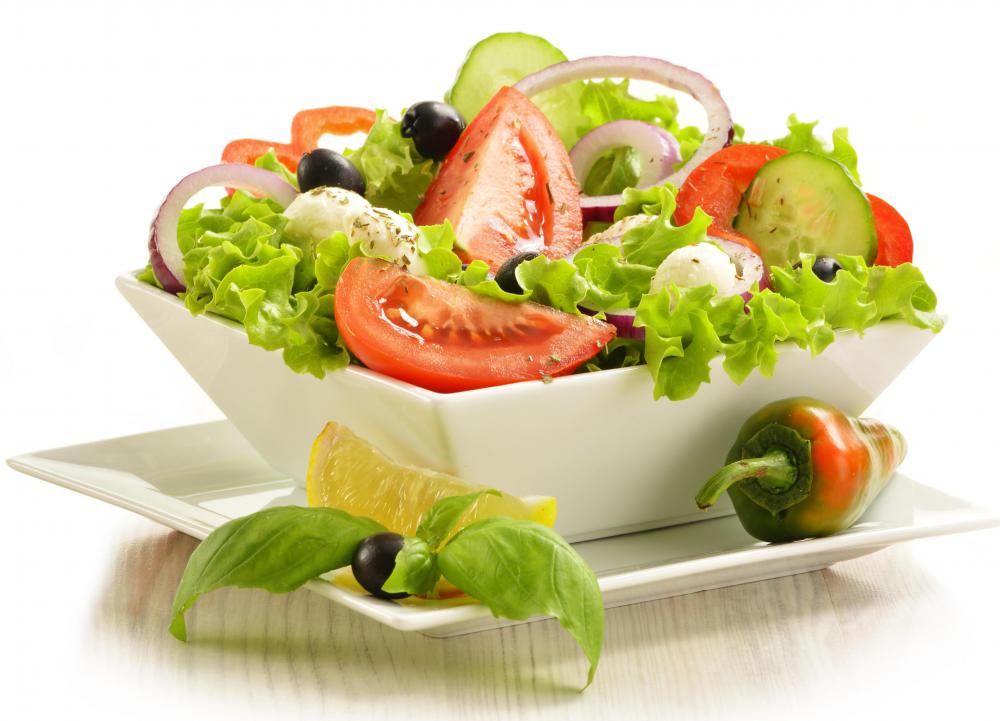
![Greek olives may be used in a salad.]() By: monticelllloGreek olives may be used in a salad.
By: monticelllloGreek olives may be used in a salad.


Discussion Comments
Black olives have more flavenoids then green olives.
Post your comments