
At TheHealthBoard, we're committed to delivering accurate, trustworthy information. Our expert-authored content is rigorously fact-checked and sourced from credible authorities. Discover how we uphold the highest standards in providing you with reliable knowledge.
What are Some Different Types of Cysts?
Cysts are abnormal tissue growths that are filled with air, liquid or other material and can develop under the skin or in the bone. They come in many varieties, distinguished by their color, location on the body, cause and symptoms. There are hundreds of types of cysts. The most common include skin cysts such as sebaceous cysts and cherry angiomas, ovarian cysts, chalazions and ganglion cysts.
Skin Cysts
Skin cysts are the most common and most innocuous types of cysts. They do not cause cancer and can form anywhere on the skin or under its surface. These cysts can be drained, although they sometimes go away without any treatment.
Cherry Angiomas
Cherry angiomas form on top of the skin and are red and smooth. This type of cyst is more common in people who are at least 40 years old. Although they are harmless, cherry angiomas can be removed for aesthetic reasons.
Sebaceous Cysts

Sebaceous cysts develop under the skin and contain an oily substance. Hair follicles are a prime spot for these inflammations. As with many types of cysts, people who have sebaceous cysts should refrain from scratching or picking at the affected areas, because infection might occur.
Wet, warm compresses can be used to relieve any swelling or pain caused by sebaceous cysts. If the cysts do not go away or worsen, medical treatment should be sought. Removal might be necessary.
Ovarian Cysts

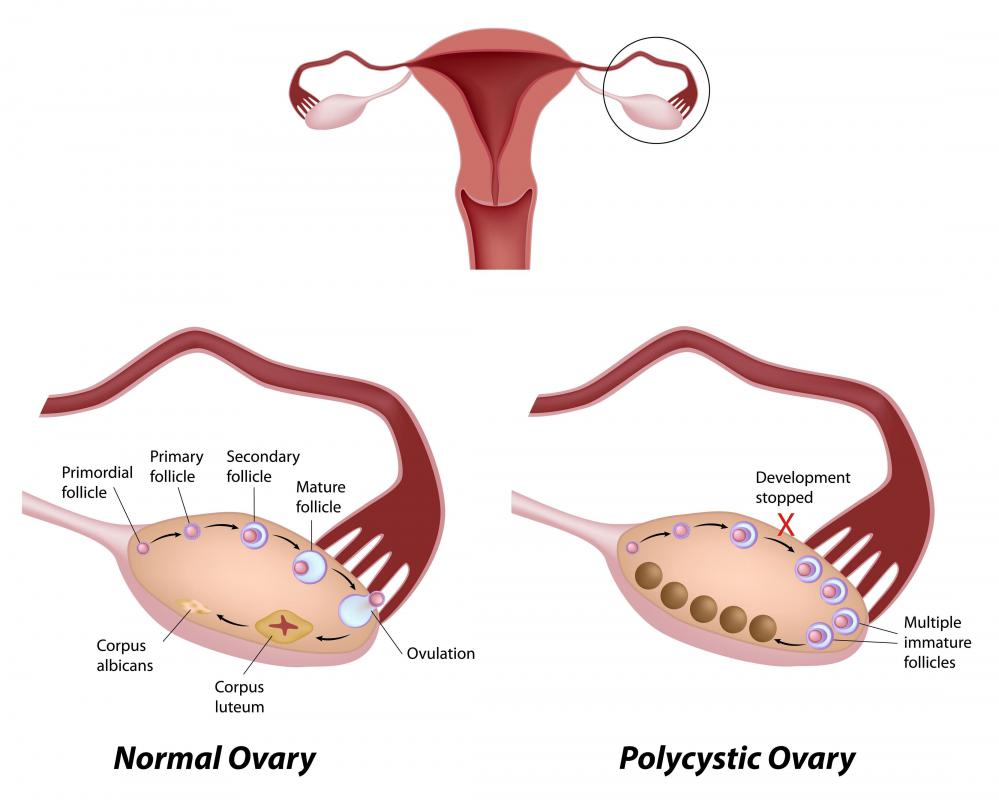
Ovarian cysts can form painlessly and disappear on their own, but they might become painful if they grow large or affect the ovary itself. These cysts can be caused by egg sacs that don’t properly break open or dissolve as part of the menstrual cycle. Endometriosis, a condition in which the tissue found inside the uterus appears elsewhere in the body, can cause ovarian cysts called endometriomas.
Chalazions

Chalazions appear around the eyes or eyelids and might resemble pimples. This type of cyst is caused by clogged and inflamed glands. Infection can worsen these bumps, so touching them unnecessarily is not recommended. Most chalazions can be eased at home with the application of warm compresses and doctor-prescribed drops or creams.
Ganglion Cysts

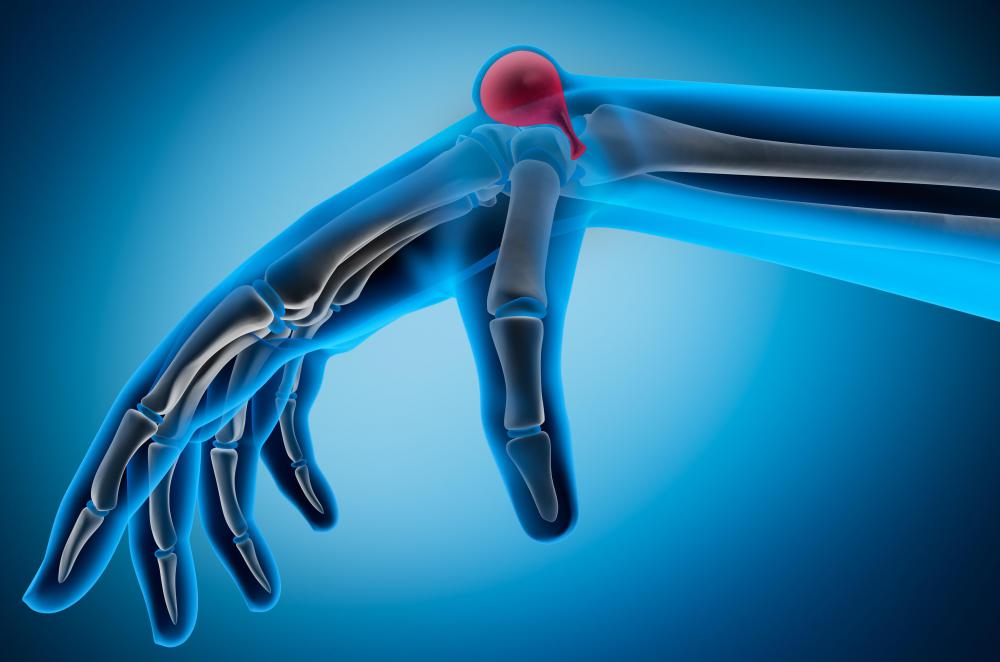
Ganglion cysts develop in the tissues near joints and tendons, often in the wrists or ankles. They also can occur behind the knees, in which case they are known as Baker's cysts. This type of cyst usually is filled with a thicker fluid than skin cysts.
A ganglion cyst causes painful swelling. No one is quite sure what causes ganglion cysts. Many of them will vanish without any treatment. If a ganglion cyst becomes too painful to bear or interferes with daily activities such as driving or walking, it can be drained and treated with steroid injections.
Malignancy

Cysts also can be classified based on whether they are cancerous. Benign cysts are noncancerous cysts. Malignant cysts are cancerous, and precancerous cysts are not cancerous but have the potential to become cancerous. Anyone who is concerned about these types of cysts or any other lumps and bumps should talk to a healthcare professional.
AS FEATURED ON:
AS FEATURED ON:


-
![A example of a healthy ovary and one with ovarian cysts.]() By: AlilaA example of a healthy ovary and one with ovarian cysts.
By: AlilaA example of a healthy ovary and one with ovarian cysts. -
![Ovarian cysts can cause severe pain if left untreated.]() By: AllianceOvarian cysts can cause severe pain if left untreated.
By: AllianceOvarian cysts can cause severe pain if left untreated. -
![Endometriosis may lead a woman to develop a fallopian tube cyst.]() By: ryanking999Endometriosis may lead a woman to develop a fallopian tube cyst.
By: ryanking999Endometriosis may lead a woman to develop a fallopian tube cyst. -
![Because they form in hair follicles, trichilemmal cysts are most commonly found on the scalp.]() By: Paul HuxleyBecause they form in hair follicles, trichilemmal cysts are most commonly found on the scalp.
By: Paul HuxleyBecause they form in hair follicles, trichilemmal cysts are most commonly found on the scalp. -
![A heat compress may help treat a cyst.]() By: fotomatrixA heat compress may help treat a cyst.
By: fotomatrixA heat compress may help treat a cyst. -
![Ovarian cysts can form painlessly and disappear on their own.]() By: Zsolnai GergelyOvarian cysts can form painlessly and disappear on their own.
By: Zsolnai GergelyOvarian cysts can form painlessly and disappear on their own. -
![Ganglion cysts tend to appear on the wrists and ankles.]() By: psdesign1Ganglion cysts tend to appear on the wrists and ankles.
By: psdesign1Ganglion cysts tend to appear on the wrists and ankles. -
![While sebaceous cysts can occur on any part of the body, they tend to show up on the face and neck.]() By: Max TacticWhile sebaceous cysts can occur on any part of the body, they tend to show up on the face and neck.
By: Max TacticWhile sebaceous cysts can occur on any part of the body, they tend to show up on the face and neck.



Discussion Comments
I have lumps in my skin. The lumps aren't obvious but if you touch my skin, you can feel the lumps underneath my skin. They are tiny lumps and pop up anywhere in my thigh, wrists and arm, and in my underarms too. Is it dangerous having this? Is there any treatment for this?
My husband had a sciatica surgery and the pain has come back. Doctor did a MRI and they see a cyst that starts with a jus I believe. Can you tell me anything about it. He also was told on Monday that he has colon cancer. Could it be pressing on the tumor? Would appreciate any information you might have.
@hellokitty1: Yes, if it's pushing on your nerve, that can cause more problems. Get it checked out by your doctor.
My name is Cherry and I just want to know about my daughter's situation. She is 15 years old and she has cysts in her upper right breast and we went to the doctor. The doctor suggested they be removed, and she had an operation a month ago. Now she has noticed she has a lump again the place where the stitches are. We spoke to the doctor handling her case, and she said we don't need to be worry because it's benign. Can you give me advice on what we should do next?
i'm turning 25 years old in a day or two. i'm afraid that my 3 year old baby had a ganglion cyst (i think) on her right hand wrists. She was my first kid and i am afraid for this. Is this so dangerous?
I have a similar cyst as anon41857. My doctor said that it was not cancerous and didn't think that there was anything significant about it.
Hi there,
I have some questions about ganglion cysts.
Background: I am now 27 years old. I had ganglion cyst on both of hands (from i was like five years old until 20, it's gone), then I have the problem of snapping knees (from when i was 15 years old until now). they said, it was the same thing, then, I got it under both of my nipples (from when i was 15 years old until now). Those really caused me to be a shy boy, and I rarely attend any active social male activities because of that(Grrr). It also developed near the base of my right ear (from when i was like 17 years old until now). When I was around 19 I had one on the last bone on my right ribcage lasting until now. The whole time, it was all cosmetic, no pain at all. Then, there are no new developments visible.
But, around nine years ago, there was a weird feeling like something moving in my abdomen whenever I coughed. Later, the feeling of movement has receded, but at the same time, I felt like it was expanding. Now, nine years latter, it has become uncomfortable and seems like it is really compressing my whole abdominal organs, until I felt like my anus(excuse me) is being somewhat pushed outward. And yes, no pain, but uncomfortable.
So, my question is, is it possible to have a ganglion cyst located inside my belly too? --tq
I have a cyst or lump on my ribcage just below my right breast. It does not hurt but is a noticeable 3-4 inch raised area. What could it be and what would cause this?
I have a cyst on my right foot on the back 1/2 between the ankle and the heel. Could the pressure from this cyst cause any tingling in the nerves in my right leg?
What, if anything, should I do for treatment?
Post your comments