
At TheHealthBoard, we're committed to delivering accurate, trustworthy information. Our expert-authored content is rigorously fact-checked and sourced from credible authorities. Discover how we uphold the highest standards in providing you with reliable knowledge.
What are Some Causes of Senility?
Senility, which is now more commonly referred to as dementia, is characterized by a decrease in cognitive abilities. This may include the person’s ability to concentrate, to recall information, and to properly judge a situation. In addition, the personality of someone with dementia may change, and in the advanced stages, he may be unsure of who he is.
There are several possible causes of senility, many of which are avoidable through proper nutrition, exercise, and positive lifestyle choices. In addition, some types are reversible, but this is only true of approximately 10% of cases.

Alzheimer’s disease is the most common cause of senility. This disease begins with difficulty learning or remembering recent events. Approximately 3% of the population develops Alzheimer’s disease by the age of 65, while 20% have it by the time they are 85. Most individuals diagnosed with this condition pass away from it within ten years, with dementia steadily getting worse as the disease progresses.

Overmedication or dehydration may also cause a person to exhibit signs of dementia and can lead to a false diagnosis of Alzheimer’s disease. Major depression can also cause this condition, so a person showing signs of Alzheimer’s disease should be tested to confirm the diagnosis.
A number of brain disorders caused by trauma, illness, or infection can also lead to senility. A variety of conditions, such as Parkinson’s disease, Binswanger’s disease, Pick’s disease, Creutzfeldt-Jakob disease, Huntington’s disease, strokes, head trauma, and AIDS can also cause it. In each of these cases, the condition is generally not reversible.

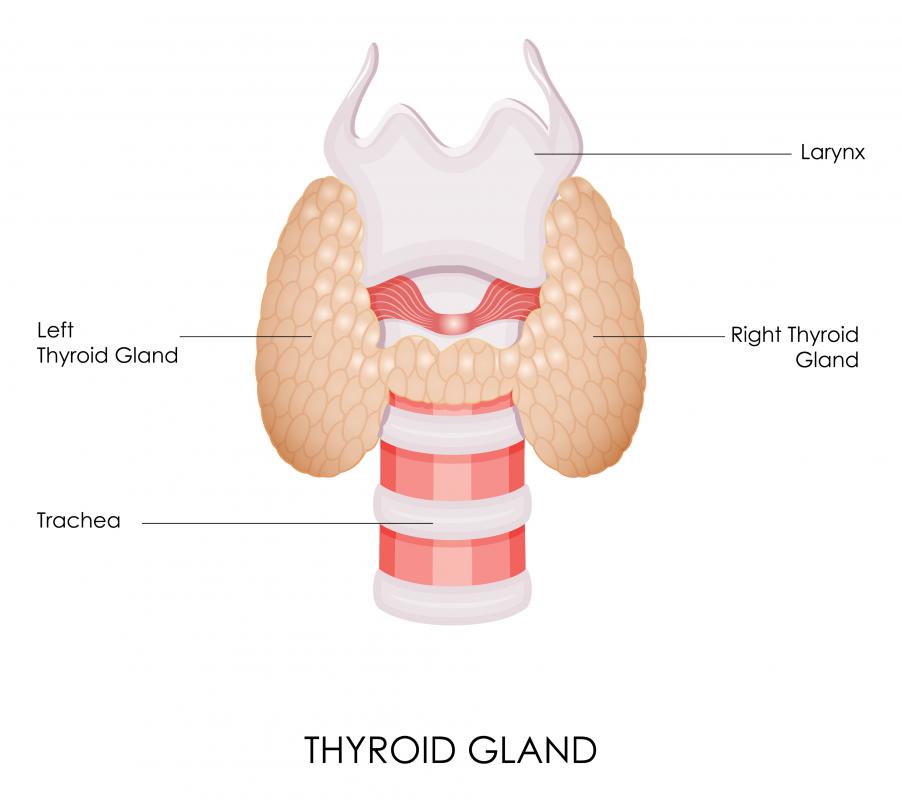
Other diseases or illnesses that can cause dementia are sometimes treatable. These include hypothyroidism, depressive pseudodementia, tumors, normal pressure hydrocephalus, and deficiencies in vitamins B1, B12, and A. Individuals who abuse drugs and alcohol are also at an increased risk of developing senility, as are individuals who inhale paint or other substances in order to get high.
AS FEATURED ON:
AS FEATURED ON:


-
![Doctors need specialized empathy and listening skills when assessing patients with Alzheimer's disease.]() By: spotmatikphotoDoctors need specialized empathy and listening skills when assessing patients with Alzheimer's disease.
By: spotmatikphotoDoctors need specialized empathy and listening skills when assessing patients with Alzheimer's disease. -
![Major depression in elderly patients can be mistaken for Alzheimer's disease.]() By: Scott GriesselMajor depression in elderly patients can be mistaken for Alzheimer's disease.
By: Scott GriesselMajor depression in elderly patients can be mistaken for Alzheimer's disease. -
![In the advanced stages of senility, someone may be unsure of who he is.]() By: kolotypeIn the advanced stages of senility, someone may be unsure of who he is.
By: kolotypeIn the advanced stages of senility, someone may be unsure of who he is. -
![Senility and other cognitive disorders disrupt the brain's ability to process and store information.]() By: riccardo bruniSenility and other cognitive disorders disrupt the brain's ability to process and store information.
By: riccardo bruniSenility and other cognitive disorders disrupt the brain's ability to process and store information. -
![Illnesses such as dementia can cause senility.]() By: Monkey BusinessIllnesses such as dementia can cause senility.
By: Monkey BusinessIllnesses such as dementia can cause senility. -
![People dealing with senility are at risk for wandering off.]() By: Petr NadPeople dealing with senility are at risk for wandering off.
By: Petr NadPeople dealing with senility are at risk for wandering off. -
![Hypothyroidism can cause dementia.]() By: stockshoppeHypothyroidism can cause dementia.
By: stockshoppeHypothyroidism can cause dementia. -
![A person's inability to concentrate may be a sign of senility.]() By: Petro FeketaA person's inability to concentrate may be a sign of senility.
By: Petro FeketaA person's inability to concentrate may be a sign of senility. -
![Severe head trauma may be the cause of senility.]() By: lightwavemediaSevere head trauma may be the cause of senility.
By: lightwavemediaSevere head trauma may be the cause of senility.




Discussion Comments
I've read that doing online research can prevent and slow down senility. Doctors say to look up topics online and read about different types of things. Puzzles and doing math are also great ways to keep our mind active.
Some people experience senility earlier because they are not learning new information or using the knowledge they already have. Our brain doesn't like stagnancy.
@serenesurface-- Some types of cancer and also some cancer treatments can cause dementia. Basically any cancer affecting the brain and central nervous system can cause dementia. Cancer treatments can too if they affect the central nervous system in some way. For example some cancer medications are injected into spinal fluid which has direct affect on the brain and central nervous system.
I'm not sure about your uncle though because his cancer doesn't concern the brain and you didn't mention cancer treatment. If he is very old, the dementia could also be age related dementia that has progressed very quickly because of his illness.
Why don't you speak to his doctor about this? A doctor will best answer your question.
Can cancer lead to dementia?
My uncle was diagnosed with colon cancer a few months ago. It had spread to his liver too. The doctors said that it's in the advanced stages so there is nothing to do but relieve his pain. He has been very bad at times and okay at other times. But this past week he has also been forgetting a lot. The other day, he didn't remember who I was but he had no problem remembering me last week.
I can't believe how quickly his memory and cognitive skills are deteriorating. I also had no idea that this can happen at advanced stages of cancer. Does anyone know anything about this?
Post your comments