
At WiseGEEK, we're committed to delivering accurate, trustworthy information. Our expert-authored content is rigorously fact-checked and sourced from credible authorities. Discover how we uphold the highest standards in providing you with reliable knowledge.
What are Some Causes of Premature Hair Loss?
 Tricia Christensen
Tricia Christensen
Tricia Christensen
Premature hair loss or balding has many causes, but the most common is androgenic alopecia, also called male or female pattern baldness. In this condition, the presence of extra hormones, testosterone and DHT, affect the growing cycle of hair, causing more than the usual shedding of hair and death of hair follicles. Medical professionals estimate that at least 90% of cases of early hair loss are due to this cause.
Hair loss in women, particularly when they reach their late 30s or 40s and begin to produce less estrogen, can be tied to this hormone decline. Women who have been pregnant may have experienced especially thick and lustrous hair during their pregnancy due to extra estrogen. When levels begin to decline, hair growth slows, and some follicles may die. Estrogen therapy can slow this hair loss, but there are some downsides to using it. It is linked to a much higher risk for certain cancers, and hormone replacement therapy is used with far less frequency than it once was.

Scientists also point to many medications that can result in premature hair loss. For instance, thyroid hormone can cause hair to fall out, though a lack of thyroid hormone can also create hair loss. Certainly medications, like those used for chemotherapy, cause temporary hair loss as well, although it typically regrows after the treatment is stopped. Certain medications for mood disorders and seizures, like carbamazepine, used often by people with bipolar disorder, can cause the hair to fall out as well, as can a number of antidepressants. Medications that list hair loss as a side effect do not necessarily mean that it is assured or will be significant, merely that there is a potential for it.

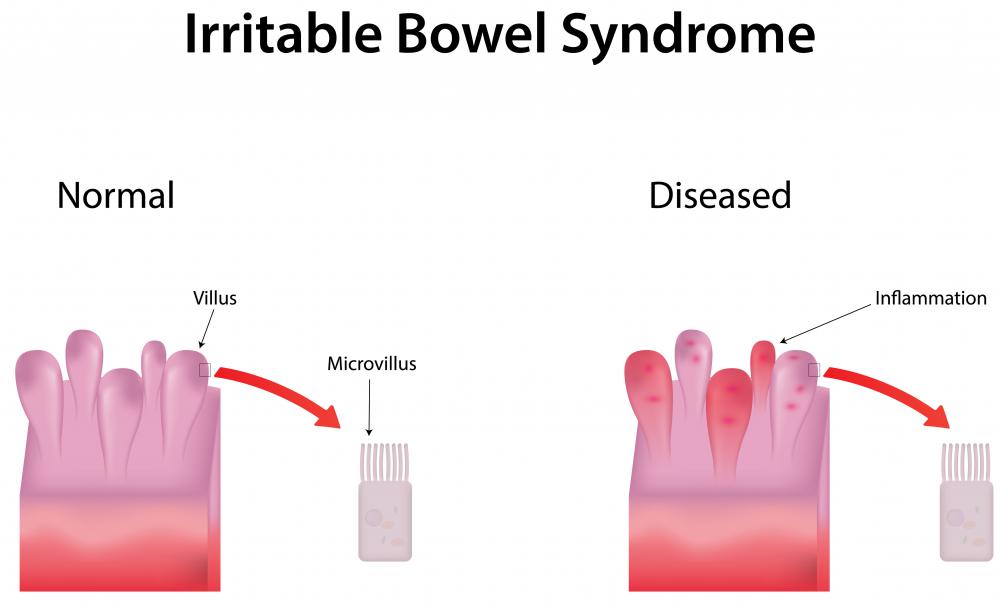
Malnutrition may affect hair growth and result in premature hair loss. When a person is severely malnourished or has a condition like irritable bowel syndrome, the body either doesn’t have access to or can’t absorb necessary vitamins and minerals. Baldness can be a result, even in very young children. Again, this hair loss doesn’t necessarily cause the death of hair follicles, and if adequate nutrition is achieved, the hair loss can be temporary.

Another condition that can result in patchy baldness is trichotillomania, a disorder marked by a compulsive desire to pull out the hair. Trichotillomania is considered similar to obsessive-compulsive disorder and can respond to treatment with certain antidepressants and with cognitive behavioral therapy. While it continues, excessive hair pulling can damage hair follicles to the point where they no longer function. It is best to treat this condition early when possible to avoid such damage.
Tricia Christensen
Tricia has a Literature degree from Sonoma State University and has been a frequent WiseGEEK contributor for many years. She is especially passionate about reading and writing, although her other interests include medicine, art, film, history, politics, ethics, and religion. Tricia lives in Northern California and is currently working on her first novel.
Learn more...
Tricia Christensen
Tricia has a Literature degree from Sonoma State University and has been a frequent WiseGEEK contributor for many years. She is especially passionate about reading and writing, although her other interests include medicine, art, film, history, politics, ethics, and religion. Tricia lives in Northern California and is currently working on her first novel.
Learn more...AS FEATURED ON:
AS FEATURED ON:









-
![Some women experience hair loss as estrogen levels decline.]() By: Barabas AttilaSome women experience hair loss as estrogen levels decline.
By: Barabas AttilaSome women experience hair loss as estrogen levels decline. -
![Chemotherapy often causes a temporary and complete hair loss.]() By: cleomiuChemotherapy often causes a temporary and complete hair loss.
By: cleomiuChemotherapy often causes a temporary and complete hair loss. -
![Chronic malnutrition may result in a premature loss of hair.]() By: poco_bwChronic malnutrition may result in a premature loss of hair.
By: poco_bwChronic malnutrition may result in a premature loss of hair. -
![Male pattern baldness is a common cause of premature hair loss.]() By: diego cervoMale pattern baldness is a common cause of premature hair loss.
By: diego cervoMale pattern baldness is a common cause of premature hair loss. -
![Premature hair loss is a potential side effect of some antidepressants.]() By: WynterPremature hair loss is a potential side effect of some antidepressants.
By: WynterPremature hair loss is a potential side effect of some antidepressants. -
![Irritable bowel syndrome may lead to premature hair loss.]() By: joshyaIrritable bowel syndrome may lead to premature hair loss.
By: joshyaIrritable bowel syndrome may lead to premature hair loss.


Discussion Comments
What are the dietary methods to reduce premature hair fall?
shoeshopper- Yes, stress and emotional instability can both be factors in premature hair loss. A condition that has been associated with stress is called telogen effluvium. This condition is not severe, but can result in minor hair loss. This condition causes the hair to stop growing for a period of time and can even cause many hair follicles to become weak and fall out. It takes about 2 to 3 months after the onset of the condition for the hair to actually fall out.
However, this condition is not permanent. The hair that falls will usually grow back within 6 months to a year. This condition can reoccur if you continue to be under large amounts of stress.
Can stress also be a factor in premature hair loss?
Post your comments