
At WiseGEEK, we're committed to delivering accurate, trustworthy information. Our expert-authored content is rigorously fact-checked and sourced from credible authorities. Discover how we uphold the highest standards in providing you with reliable knowledge.
What are Some Careers in the Life Sciences?
 Mary McMahon
Mary McMahon
Mary McMahon
Careers in the life sciences are extremely varied, since the life sciences covers a huge range of disciplines. All careers focus on some aspect of living organisms. Scientists study genetics, behavior, evolution, physiology, growth, structure, distribution, and numerous other facets of life around the world. The organisms studied range in size from blue whales to one-celled microbes, and these careers can include laboratory work, field work, and active medical practice. The life sciences are never boring, especially once someone finds a niche interest.
Two of the most popular careers in the life sciences relate to medicine. Medical doctors and veterinarians focus on caring for living organisms. Branches of these disciplines include zoology, which focuses on exotic animals, physiology, and animal science, which usually revolves around farm animals specifically. All of these careers require many years of education before qualification.

People interested in the natural environment may want a career in botany, marine biology, ornithology, or entomology. School qualifications for these careers in the life sciences can vary, depending on how the student intends to apply his or her education. Both undergraduate and graduate degrees are available. Another branch of the study of the natural world is paleontology, which also includes paleobotany, the study of ancient plants.

Many people pursue jobs in this field because they are interested in laboratory work, or they want to contribute to society at large with their work. These individuals may become biomedical researchers, learn biochemistry, or study microbiology. Students of agricultural science can improve farming techniques around the world, or develop new, stronger crops. Others may choose to become teachers, firing an interest in the life sciences among the next generation.

The study of evolution and genetics is an important part of many careers in the life sciences. Evolutionary biologists work with geneticists to track the history of life on Earth. Physical anthropologists study ancient and modern human remains, contributing to a more general knowledge of human history and evolution. Other biologists are interested in learning more about genetics, and in sequencing the genomes of animals to learn about them.

To pursue these careers, a student should have strong mathematics skills with a grounding in the scientific method. Most students prefer to achieve an undergraduate degree in biology before specializing in a specific branch of the life sciences. While studying as an undergraduate, the student can pursue a variety of research internships to see which aspect of the life sciences is most compelling.
Mary McMahon
Ever since she began contributing to the site several years ago, Mary has embraced the exciting challenge of being a WiseGEEK researcher and writer. Mary has a liberal arts degree from Goddard College and spends her free time reading, cooking, and exploring the great outdoors.
Learn more...
Mary McMahon
Ever since she began contributing to the site several years ago, Mary has embraced the exciting challenge of being a WiseGEEK researcher and writer. Mary has a liberal arts degree from Goddard College and spends her free time reading, cooking, and exploring the great outdoors.
Learn more...AS FEATURED ON:
AS FEATURED ON:









-
![Ornithologists study birds.]()
Ornithologists study birds. -
![Botany, the study of plants, is one of the life sciences.]() By: Sergey GalushkoBotany, the study of plants, is one of the life sciences.
By: Sergey GalushkoBotany, the study of plants, is one of the life sciences. -
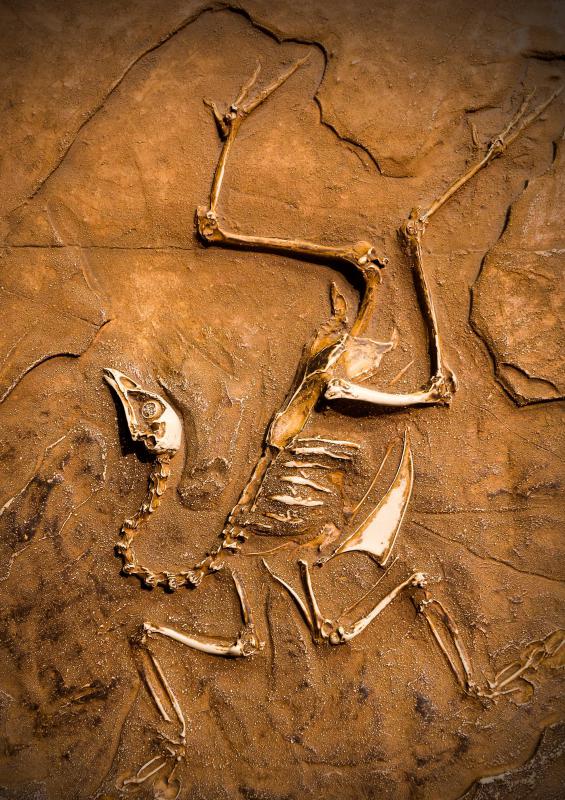
![Ornithologists and paleontologists study how some dinosaurs evolved into modern birds.]() By: BastosOrnithologists and paleontologists study how some dinosaurs evolved into modern birds.
By: BastosOrnithologists and paleontologists study how some dinosaurs evolved into modern birds. -
![An entomologist studies insects.]() By: Valeriy KirsanovAn entomologist studies insects.
By: Valeriy KirsanovAn entomologist studies insects. -
![Life sciences may include the study of plants and plant genetics.]() By: luchshenLife sciences may include the study of plants and plant genetics.
By: luchshenLife sciences may include the study of plants and plant genetics. -
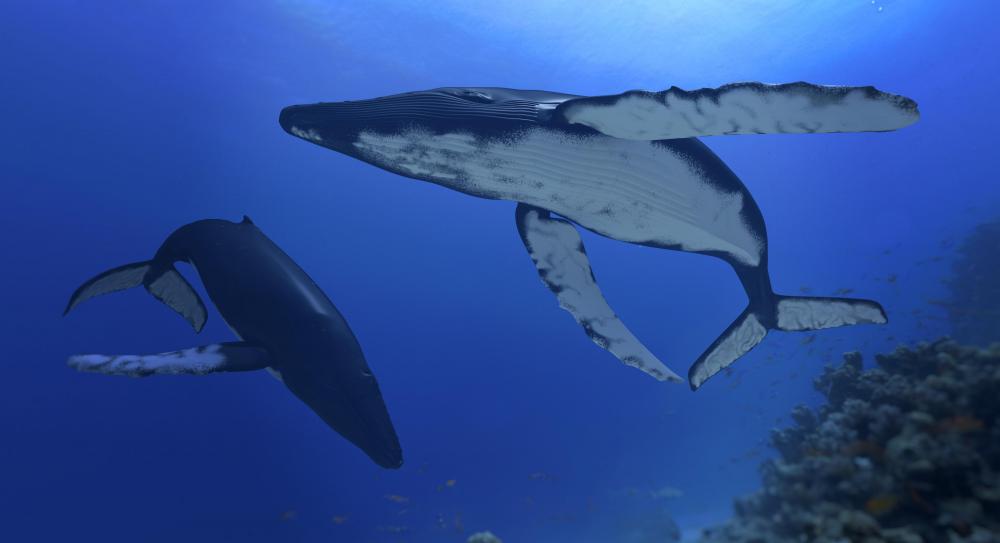
![Marine biologists may study how animals like the humpback whale are affected by changes in the ocean's plankton population.]() By: apfelweileMarine biologists may study how animals like the humpback whale are affected by changes in the ocean's plankton population.
By: apfelweileMarine biologists may study how animals like the humpback whale are affected by changes in the ocean's plankton population. -
![Veterinarians use their background in the life sciences to care for living things.]() By: Eléonore HVeterinarians use their background in the life sciences to care for living things.
By: Eléonore HVeterinarians use their background in the life sciences to care for living things. -
![Life science covers animals of every size, including the largest, the blue whale.]() By: GrrlScientistLife science covers animals of every size, including the largest, the blue whale.
By: GrrlScientistLife science covers animals of every size, including the largest, the blue whale. -
![Entomology, or the study of insects, is one career field in the Life Science.]() By: Vadim GnidashEntomology, or the study of insects, is one career field in the Life Science.
By: Vadim GnidashEntomology, or the study of insects, is one career field in the Life Science. -
![Some veterinarians focus specifically on caring for farm animals.]() By: KadmySome veterinarians focus specifically on caring for farm animals.
By: KadmySome veterinarians focus specifically on caring for farm animals. -
![Genetic research is one aspect of the life sciences.]() By: Andres RodriguezGenetic research is one aspect of the life sciences.
By: Andres RodriguezGenetic research is one aspect of the life sciences.






Discuss this Article
Post your comments