
At AllThingsNature, we're committed to delivering accurate, trustworthy information. Our expert-authored content is rigorously fact-checked and sourced from credible authorities. Discover how we uphold the highest standards in providing you with reliable knowledge.
What are Sneaker Waves?
 Mary McMahon
Mary McMahon
Mary McMahon
Sneaker waves are disproportionately large ocean waves which appear suddenly and without any warning at all. Since they are unexpected, they represent a serious hazard to both people and ship traffic. Some regions of the world are more prone to these waves than others, leading to posted warnings and advisories to make visitors aware of the issue. Any ocean or large body of water has the potential to form sneaker waves, however, so people should always be cautious around water.
Unlike a tsunami, a sneaker wave is not a predictable event. These waves form when several smaller waves combine their energy, creating a single big wave. This can happen as a result of the disruption of ocean currents, or because of subtle changes in weather and topography. They follow no known pattern, and they will interrupt the established wave pattern, so even if people think they know the water, they should be careful. They are very strong, and they can kill.

In most places around the world, waves flow more or less in cycles. These cycles can be studied and predicted; this is a skill which is familiar to many surfers, fishers, and other people who spend a lot of time around the ocean. Once people learn wave patterns, they can be aware of predicted lulls and larger waves. Knowing the predominant wave pattern in an area will not protect someone from sneaker waves, however.

The height of a sneaker wave can be significantly higher than the waves which precede and follow it. These waves have been known to crest headlands, pulling down hikers and ocean-watchers. They can certainly yank someone from a beach or rock piling, and they can also carry debris which may cause serious injuries. On the open ocean, sneaker waves have swamped ships; even massive tanker ships are not immune to the dangers of freak waves.

When anyone is around a large body of water, he should protect himself from sneaker waves by never turning his back to the water. If someone wants to nap on the beach, she should make sure that a companion stays awake to keep an eye on things. Small children and pets should be watched, as they may not be aware of the danger, and everyone should avoid standing close to the edge of promontories and headlands. It is important to make sure there is a clear escape route away from the ocean, and people should avoid slippery jetties and docks.
Frequently Asked Questions
What exactly are sneaker waves?
Sneaker waves are unexpectedly large and powerful ocean waves that can appear without warning in coastal areas. They are notorious for their strength and ability to catch beachgoers off guard, often leading to dangerous situations. Unlike regular waves that can be predicted and seen, sneaker waves come seemingly out of nowhere, making them particularly hazardous.
How do sneaker waves differ from regular ocean waves?
Regular ocean waves follow predictable patterns and are often part of a visible set of waves. Sneaker waves, on the other hand, are anomalies that do not fit the established rhythm of the surf. They are disproportionately large compared to the preceding waves and can surge far up the beach, catching individuals unaware and potentially dragging them out to sea.
What causes sneaker waves to form?
Sneaker waves are formed by a complex interaction of factors, including weather patterns, ocean currents, and the shape of the coastline. They can be the result of distant storms, with energy traveling across the ocean and combining with local wave groups to create a single, much larger wave. This phenomenon is unpredictable, which contributes to the danger sneaker waves pose.
Are certain coastlines more prone to sneaker waves?
Yes, certain coastlines are more prone to sneaker waves, particularly those along the Pacific Northwest of the United States. Coastlines with steep shelves, such as those found in Northern California and Oregon, can amplify the energy of incoming waves, increasing the likelihood of sneaker waves occurring. Beachgoers in these areas should be especially vigilant.
What safety measures can one take to avoid sneaker wave accidents?
To avoid sneaker wave accidents, it's crucial to stay vigilant and never turn your back on the ocean when you're near the surf zone. Always keep a safe distance from the water, especially during high surf conditions. Check local weather and ocean forecasts before heading to the beach, and heed any posted warning signs or alerts from lifeguards.
Have there been any notable incidents involving sneaker waves?
There have been numerous notable incidents involving sneaker waves, often resulting in tragic outcomes. For example, in 2016, a family was swept out to sea by a sneaker wave in Sonoma County, California, highlighting the wave's deadly potential. These incidents underscore the importance of respecting the power of the ocean and maintaining a safe distance from the water's edge.
Mary McMahon
Ever since she began contributing to the site several years ago, Mary has embraced the exciting challenge of being a AllThingsNature researcher and writer. Mary has a liberal arts degree from Goddard College and spends her free time reading, cooking, and exploring the great outdoors.
Learn more...
Mary McMahon
Ever since she began contributing to the site several years ago, Mary has embraced the exciting challenge of being a AllThingsNature researcher and writer. Mary has a liberal arts degree from Goddard College and spends her free time reading, cooking, and exploring the great outdoors.
Learn more...AS FEATURED ON:
AS FEATURED ON:









-
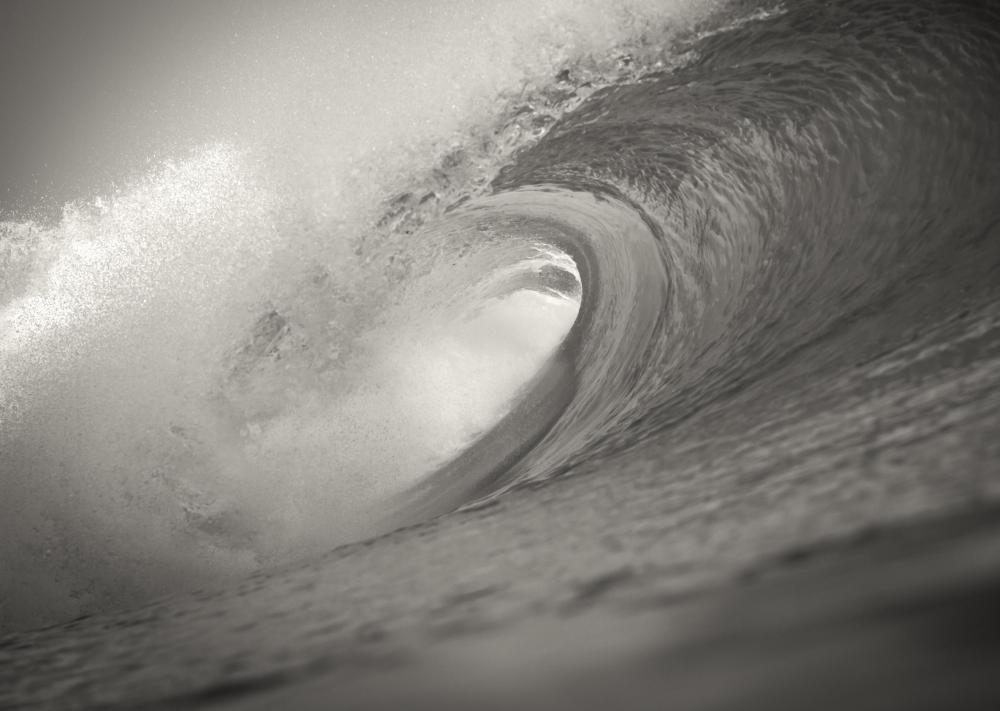
![Sneaker waves are unusually large ocean waves that appear suddenly and without warning.]() By: trubavinkSneaker waves are unusually large ocean waves that appear suddenly and without warning.
By: trubavinkSneaker waves are unusually large ocean waves that appear suddenly and without warning. -
![On the open ocean, sneaker waves have swamped ships; even massive tanker ships are not immune to the dangers of freak waves.]() By: shimeOn the open ocean, sneaker waves have swamped ships; even massive tanker ships are not immune to the dangers of freak waves.
By: shimeOn the open ocean, sneaker waves have swamped ships; even massive tanker ships are not immune to the dangers of freak waves. -
![Small children should be watched around the ocean to protect them from the sudden dangers associated with sneaker waves.]() By: christingasnerSmall children should be watched around the ocean to protect them from the sudden dangers associated with sneaker waves.
By: christingasnerSmall children should be watched around the ocean to protect them from the sudden dangers associated with sneaker waves.

Discussion Comments
Search online for videos of beachcombers caught in sneaker waves. Then you will understand why this article is not alarmist. Where I live (California's North Coast), people do indeed die from sneaker waves. This does not keep me away from our beaches, but it does keep me off jetties, treacherous walks, logs near the waterline, and it serves as a valuable warning never to turn my back on the ocean.
This article needs more details. It is very frightening without giving enough information to protect oneself. I think it is unnecessarily alarming. If these waves are so worrisome and prevalent, why haven't we heard about them before this? I agree the ocean is powerful, but there is no need to walk around constantly scared.
This sounds scary, I was not aware of sneaker waves. However, what I do know is that the sea can be very deceiving. Being raised on an island there is an instinctive knowledge one has about a sea.
You love it, but you have a great deal of respect for it. You just know of the hidden strength it contains, and that from the calm surface in one moment, angry waves might develop the next moment.
But mostly you know when something is brewing because the sky starts getting darker and the air and the color of the sea change.
People who are not born and raised by the sea occasionally get hurt or worse, because of lack of knowledge, or simply do not believe that anything can go wrong so suddenly.
I can see how in an ocean things can be magnified because of the sheer size of it. Add to that the unpredictability, and oh my, it can be dangerous.
Post your comments