
At SmartCapitalMind, we're committed to delivering accurate, trustworthy information. Our expert-authored content is rigorously fact-checked and sourced from credible authorities. Discover how we uphold the highest standards in providing you with reliable knowledge.
What are Real Estate Taxes?
Real estate taxes, also known as property taxes, are imposed on real estate by a government for services rendered. These taxes are usually based on the relative value of the property. The more expensive the property, the higher the taxes will be for that property.
To determine real estate taxes in most parts of the US, the taxable value of the property, which may not be the same as its assessed value, is taken and then the tax is figured based on the levy rate. This rate is often listed as a value per $100 US Dollars (USD) of the value of the property, or per $1,000 USD of the taxable value. This helps individuals understand exactly how their value affects their taxes.

While these taxes are somewhat controversial, there is a substantial history behind them. Some say they are fair, simply because the tax is progressive. Those with higher property values, it is argued, will have the ability to pay more, simply because they were able to afford more expensive properties. Some property owners have seen values increase, however, while not experiencing any significant increase in their income.

To help protect those people who have limited income but valuable property, some jurisdictions have imposed rules to help protect them from unreasonable taxes. In some cases, the protections even freeze them at a certain level, as long as the property maintains the same owner. In other cases, valuation increases can only be a percentage of the annual inflation rate.
For homeowners, there are sometimes special considerations that help to bring down the amount paid in real estate taxes, especially if it is a primary residence. The homeowner may receive a homestead exemption. In some US states, residential properties occupied by the owner may be valued at a lower rate than other types of properties, such as commercial and industrial. This class difference can also create a controversy and spur accusations of being discriminatory.
In the United States, real estate taxes are regulated at the state level. In many states, they go strictly to support a local government, such as a municipality, county or both. Some money may also go to the state, but this portion is generally much less than what is awarded to the local governments.
Due to this great dependence on property taxes, local governments often find it in their best interest to increase real estate values, increasing the tax base. This is a design of the system, which hopes to encourage local governments to actively engage in economic development efforts. Economic development means improvements to property, increasing its value and bringing in more revenue. In some cases, local residents may criticize their cities and counties when homes are assessed at a certain amount for taxes, however. They may claim that the assessed value does not agree with the market value, and that it may be a way to simply raise more revenue without increasing the actual levy rate.
AS FEATURED ON:
AS FEATURED ON:









-
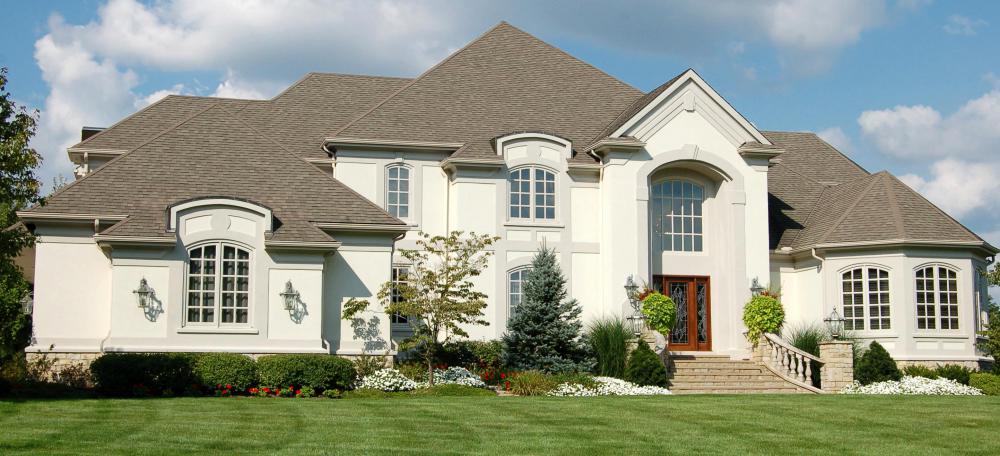
![Real estate taxes, also known as property taxes, are levied based on the value of a property.]() By: emiliezhangReal estate taxes, also known as property taxes, are levied based on the value of a property.
By: emiliezhangReal estate taxes, also known as property taxes, are levied based on the value of a property. -
![Real estate taxes will be levied based on the value of a property.]() By: Stephen VanHornReal estate taxes will be levied based on the value of a property.
By: Stephen VanHornReal estate taxes will be levied based on the value of a property.

Discussion Comments
Moldova-If you are interested in learning how to appeal property taxes it is a good idea to seek legal advice and exam your tax bill correctly.
I know in Florida there major property tax discrepancies. For example, a family living in a home valued at $250,000, who has lived in the home for 10 years will pay taxes of $ 2800, while a family that just bought a home next door valued at the same amount might pay $6400.
This was a result of a law called “Save Florida Homes” in which it encouraged people to stay in their homes. Many feel that this property tax difference is unfair, but the state has not addressed this problem yet.
Sites like Trulia offer property search information and include property tax information.
The tax assessor determines the millage rate in which the taxes are assessed. Usually it is a percentage like 1.5% or 2% of the market value of the home minus homestead exemptions.
Due to the decline real estate values in many communities there were property tax reassessments in order to reduce property taxes to the correct level.
There are many communities across the country that did not make this adjustment and continued to calculate property tax for the homes at the higher rates.
This tax assessment did not seem fair due to the decline in market values. In these cases many homeowners filed an appeal for their property taxes in order to get the county property tax records to reflect the appropriate tax bill.
In order to appeal property taxes you really have to seek a property tax attorney. My father-in-law did this and his property tax rates were much lower.
Post your comments