
At TheHealthBoard, we're committed to delivering accurate, trustworthy information. Our expert-authored content is rigorously fact-checked and sourced from credible authorities. Discover how we uphold the highest standards in providing you with reliable knowledge.
What Are Posterior Osteophytes?
Bone spurs that behind an anatomical structure are called posterior osteophytes. Physicians frequently refer to spurs forming in front of structures as anterior osteophytes. These growths occur along the edges of any bone in the body because of cartilage breakdown, connective tissue calcification, or trauma. Symptoms vary depending on general location, but eventually include inflammation and pain. Treatment depends on the location and severity of the condition.
Posterior osteophyte formation commonly occurs when bone or cartilage tissue breakdown during the natural aging process or in the presence of medical conditions that include osteoarthritis. The body attempts to damage repair by increasing bone cell growth. Overgrowth may occur, which produces abnormal bony projections that may go undetected for extended periods of time until they cause inflammation, swelling, and pain.

As a defense mechanism, the body may produce posterior osteophytes around ligaments and tendons in order to protect these structures from further deterioration. At times, the ligaments and tendons themselves may undergo calcification. Repetitive or traumatic injuries often trigger the body's reparative processes and may result in osteophyte formation. Complications occur when osteophytes break off and float around in the joint capsule or become imbedded in the joint lining. Common sites for bone spur growth include the neck, spine, and knees, along with the heels.

Posterior osteophytes located in the neck often compress delicate nerve tissue causing localized pain. Depending on the nerve or nerve branches affected, individuals might experience a variety of symptoms from extremity numbness and tingling to swallowing difficulty. The excess bone may also impede blood circulation to the brain.
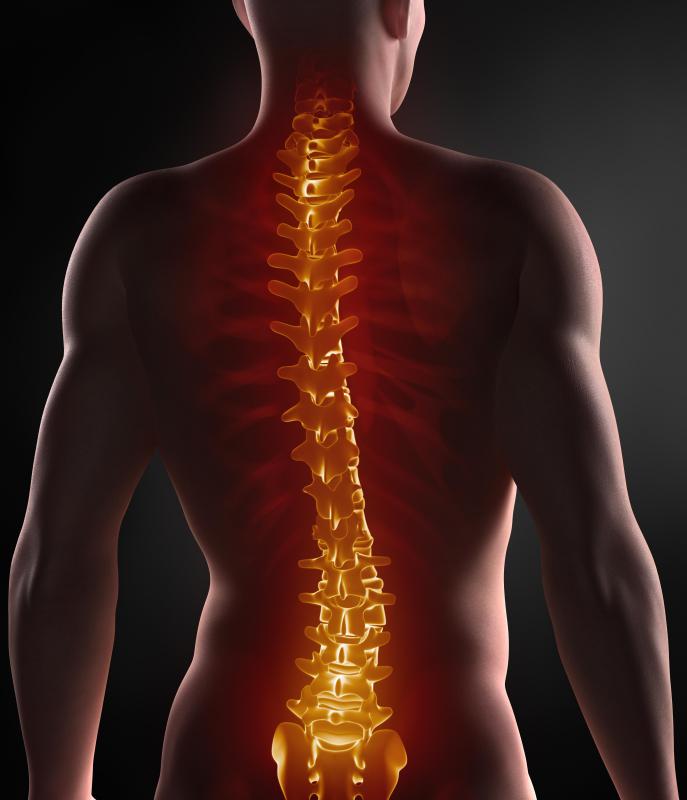
A type of spinal stenosis, or narrowing of the vertebral cavity, containing the spinal cord, may occur because of posterior osteophytes. The bone spurs compress spinal nerves causing local or referred pain, numbness, and tingling. Posterior osteophytes that develop between vertebrae are commonly associated with a condition known as spondylosis. The condition not only produces physical discomfort but also impairs normal movement.

Individuals can experience inhibited or limited physical movement when posterior osteophytes develop within limb joints. Bone spurs in the knee typically cause difficulty with bending or extension movements when these osteophytes develop between the kneecap and the end of the femoral bone. Walking or bearing weight becomes extremely difficult and painful for people with plantar faciitis. This condition occurs when bone spurs encapsulate the Achilles tendon and the heel bones.

Health care providers often prescribe non-steroidal anti-inflammatory medications for patients suffering from posterior osteophytes. If bone spurs cause tissue damage with movement, impede circulation, or become chronic conditions, physicians generally recommend surgery. Oftentimes, using minimally invasive endososcopic procedures, surgeons can remove the abnormal bone tissue.
AS FEATURED ON:
AS FEATURED ON:


-
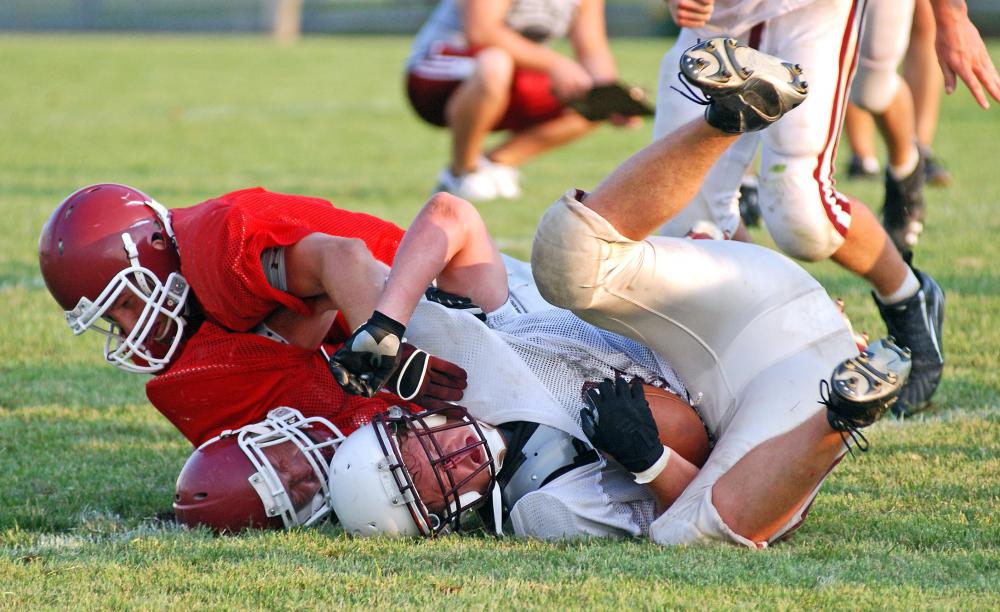
![Repetitive injuries may result in osteophyte formation.]() By: John JohnsonRepetitive injuries may result in osteophyte formation.
By: John JohnsonRepetitive injuries may result in osteophyte formation. -
![Non-steroidal anti-inflammatory medications may be prescribed to patients suffering from posterior osteophytes.]() By: Alexey StiopNon-steroidal anti-inflammatory medications may be prescribed to patients suffering from posterior osteophytes.
By: Alexey StiopNon-steroidal anti-inflammatory medications may be prescribed to patients suffering from posterior osteophytes. -
![A picture of a healthy spine and one with osteophytes.]() By: peterjunaidyA picture of a healthy spine and one with osteophytes.
By: peterjunaidyA picture of a healthy spine and one with osteophytes. -
![A type of spinal stenosis may occur because of posterior osteophytes.]() By: CLIPAREA.comA type of spinal stenosis may occur because of posterior osteophytes.
By: CLIPAREA.comA type of spinal stenosis may occur because of posterior osteophytes. -
![Excessive pressure on the bones can lead to bone spurs, which commonly occur on the heels.]() By: eAlisaExcessive pressure on the bones can lead to bone spurs, which commonly occur on the heels.
By: eAlisaExcessive pressure on the bones can lead to bone spurs, which commonly occur on the heels.



Discussion Comments
The old saying, "I can feel it in my bones", refers to how people with arthritic joints or aches from old broken bones seemed to ache in damper colder weather.
Most medical research claims no real proof that people can essentially 'feel' a storm is on the way. There are other researchers that claims that barometric pressure and humidity changes can cause a rise in pain from various long term illnesses like rheumatoid arthritis, gout, osteoarthritis and fibromyalgia. The claim goes on to claim it can make headaches worse, worsen back pain and cause many other body aches.
Hippocrates, the father of medicine, noticed that some illnesses seem to be seasonal. In traditional Chinese medicine, there is a cycle and that can have an impact on various ailments. This shows the Chinese saw different times of the year bring out more symptoms in certain people.
The connection from belief to practical medicine isn't too far to leap in this case. Pain is a very subjective thing and maybe your uncle Bob can feel it in his old broken toe when it's going to rain.
Post your comments