
At SmartCapitalMind, we're committed to delivering accurate, trustworthy information. Our expert-authored content is rigorously fact-checked and sourced from credible authorities. Discover how we uphold the highest standards in providing you with reliable knowledge.
What are Pork Bellies?
 Malcolm Tatum
Malcolm Tatum
Malcolm Tatum
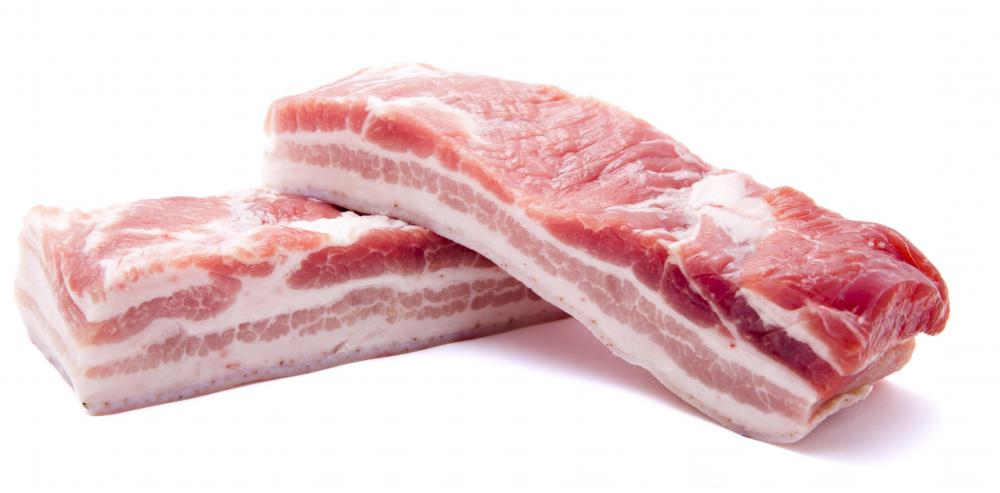
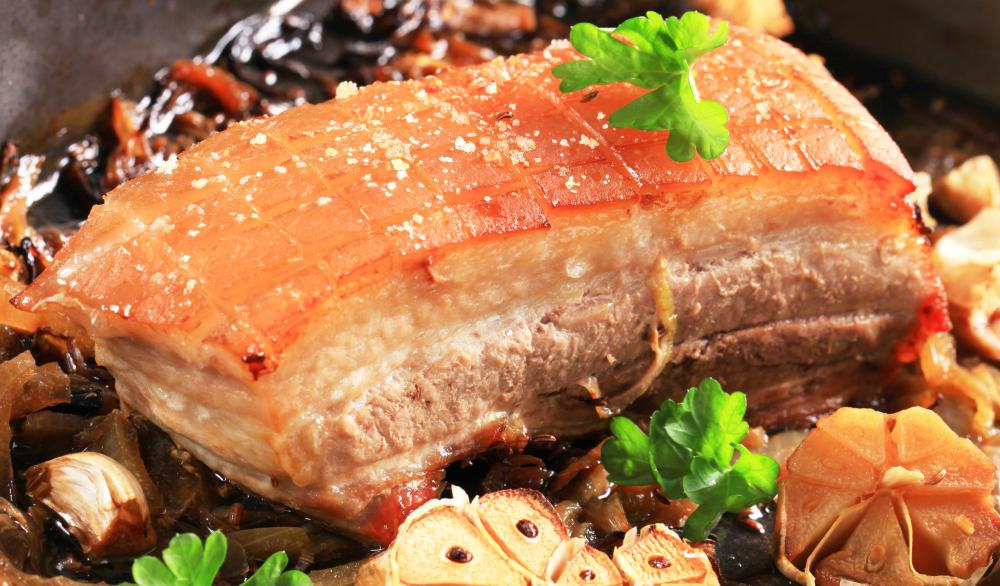
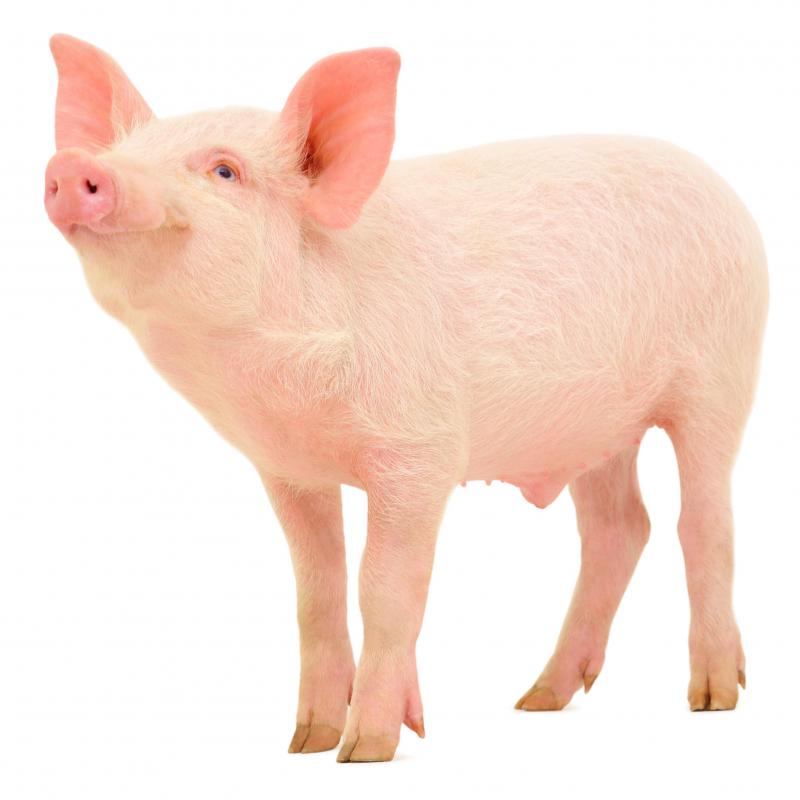
While many people are familiar with the term "pork bellies" being used in some way with futures trading, not everyone is aware that the commodity actually does involve the belly of the pig. As the name implies, it is a cut of meat that comes from the underside of the pig or hog. Pigs actually have two stomachs that may weigh 10 to 18 pounds (4.5 to 8 kg) each. These bellies are usually cut into long thick sections, and are flash frozen. Once frozen, they can be kept for quite a long time and still be used as a food source. American, Korean, and Chinese cuisine use the pork belly after it has been marinated or prepared in other ways.
Pork belly futures have their origin with the Chicago Mercantile Exchange, and have been actively traded on the Exchange since 1961. Trading in these futures is based on the projections of current supply versus the current rate of demand for the product. The current worth of these future commodities rests in who wants them and how much of the product is considered desirable at the present time. Currently, the basic trading unit is 20 tons of trimmed and properly frozen belly portions and segments.

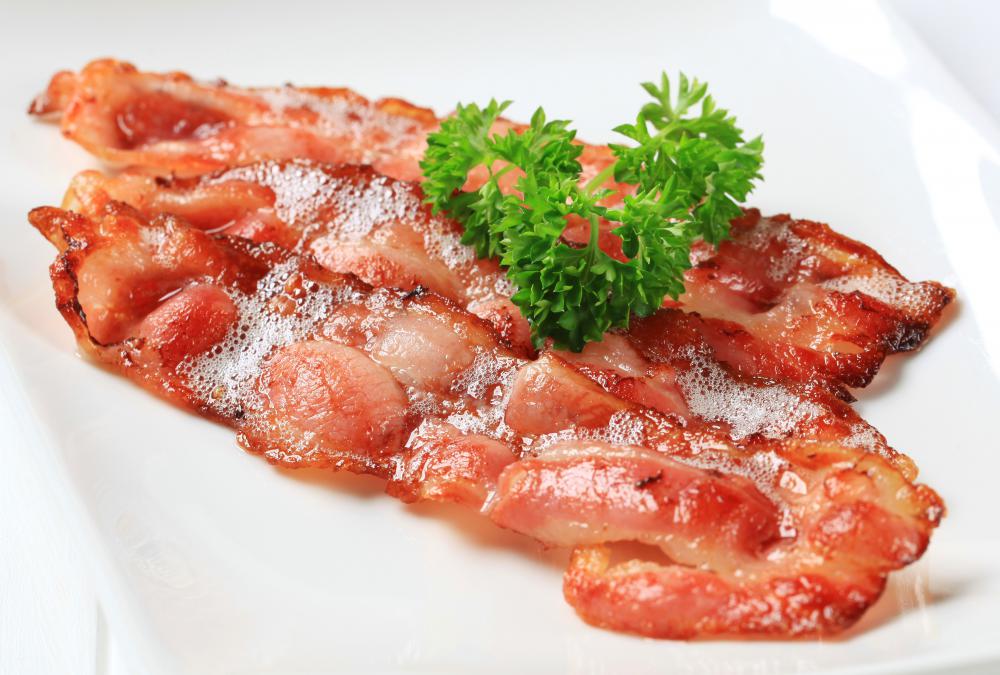
The value of pork bellies will rise, sometimes at a spectacular rate, when an increased market for bacon is perceived to be on the horizon. To a degree, the demand increases during seasons of the year when consumers are looking for lighter meat alternatives that are quicker to prepare and don't weigh the eater down during the activity of the warm weather months. The demand tends to decrease during colder months, when meats other than bacon may be considered preferable. That is one reason why reserves may be relatively low as the final quarter of the calendar year begins, and there is a slight rise in the cost of what is left.

As the new years begins and production and freezing of pork bellies gears up to meet summer demands, the value of the commodity may reflect the change in inventory. There are those that routinely sell futures when the prices is higher, then buy them back when the price dips based on supply and climate changes.
Speculation in pork bellies futures trading is considered to be a relatively stable component of an investment portfolio, as well as one that can yield a high profit if the investor has the vision to buy and sell at the proper times. As an ongoing renewable part of the food supply, this is one commodity that will likely be a good investment for many years to come.
Malcolm Tatum
After many years in the teleconferencing industry, Michael decided to embrace his passion for trivia, research, and writing by becoming a full-time freelance writer. Since then, he has contributed articles to a variety of print and online publications, including SmartCapitalMind, and his work has also appeared in poetry collections, devotional anthologies, and several newspapers. Malcolm’s other interests include collecting vinyl records, minor league baseball, and cycling.
Learn more...
Malcolm Tatum
After many years in the teleconferencing industry, Michael decided to embrace his passion for trivia, research, and writing by becoming a full-time freelance writer. Since then, he has contributed articles to a variety of print and online publications, including SmartCapitalMind, and his work has also appeared in poetry collections, devotional anthologies, and several newspapers. Malcolm’s other interests include collecting vinyl records, minor league baseball, and cycling.
Learn more...AS FEATURED ON:
AS FEATURED ON:









-
![Two slabs of raw pork belly.]() By: ping hanTwo slabs of raw pork belly.
By: ping hanTwo slabs of raw pork belly. -
![Pork belly comes from the underside of a pig or hog.]() By: Whitebox MediaPork belly comes from the underside of a pig or hog.
By: Whitebox MediaPork belly comes from the underside of a pig or hog. -
![A pork belly roast.]() By: ViktorA pork belly roast.
By: ViktorA pork belly roast. -
![Bacon is made from pork bellies.]() By: ViktorBacon is made from pork bellies.
By: ViktorBacon is made from pork bellies. -
![A young pig.]() By: AnatoliiA young pig.
By: AnatoliiA young pig. -
![Broiled scallops wrapped in bacon cut from pork belly.]() By: Matthew AntoninoBroiled scallops wrapped in bacon cut from pork belly.
By: Matthew AntoninoBroiled scallops wrapped in bacon cut from pork belly.


Discussion Comments
I work at a slaughter house for pigs and used to work on the viscera line. That's where the guts are dropped in a metal pan on a conveyor and USDA looks over the heart, liver, kidneys, lungs, pancreas, intestine for infection, worms, abscess. fecal matter, etc. I have seen the inside of a pig belly and there is only one!
Pigs definitely do not have two stomachs, anon18583. My guess is you know that and are having a little fun.
Vt. is correct. By the way, a hog only has one belly, but the slaughtering process cuts the hog in half creating two pieces of side meat, bacon, bellies, or what ever you want to call it. This stuff has absolutely nothing to do with the stomach or any other intestine.
Au contraire! Just like cows have a "stomach" for storing food and a "stomach" for digesting food, so do pigs. It's not quite like the two stomachs of the chicken - the glandular stomach and the gizzard - but it's close.
Pigs do NOT have two stomachs! Pork bellies are the abdominal and flank meat that becomes bacon.
Now I'm off to fix a BLT!
Post your comments