
At TheHealthBoard, we're committed to delivering accurate, trustworthy information. Our expert-authored content is rigorously fact-checked and sourced from credible authorities. Discover how we uphold the highest standards in providing you with reliable knowledge.
What are Platelets?
 Tricia Christensen
Tricia Christensen
Tricia Christensen
Platelets, along with red cells and plasma, form a major proportion of both human and animal blood. Microscopically, they look like little thorned or spiky ovals, and they can only be viewed microscopically, as the average size is about four hundred thousandths of an inch (1 to 3.5 um). Platelets are actually fragments of the cells in bone marrow, called megakaryocytes. Stimulated by the hormone thrombopoietin, platelets break off the megakaryocytes and enter the blood stream, where they circulate for about 10 days before ending their short lives in the spleen. In the healthy body, thrombopoietin will help to maintain the count of platelets at a normal level, which is approximately 4.2-6.1 million of these tiny cells in two hundred thousandths of a teaspoon (1ul) of blood.
Most are familiar with the blood's ability to coagulate should one receive a cut or bruise. Specifically, platelets provide the necessary hormones and proteins for coagulation. Collagen is released when the lining of a blood vessel is damaged. The platelet recognizes collagen and begins to work on coagulating the blood by forming a kind of stopper, so further damage to the blood vessel is prevented.

A higher than normal count of platelets, known as thrombocytosis, can cause serious health risks. Too much clotting of the blood can lead to formation of blood clots that can cause stroke. Conversely, lower than normal counts can lead to extensive bleeding.
However, in some cases, inducing a lower platelet count is desirable, for instance if a person has susceptibility to strokes or has had extensive heart repair. Platelet counts can be lowered by a daily intake of aspirin or other clot reducing drugs. Additionally, when a patient has an intravenous drip (IV), heparin is used to keep the IV from clotting so fluids can be either taken from or added to the body.

While disease or a genetic disorder can cause a lower number of platelets, other times, they are depleted because of a specific treatment or surgery. Burn victims, organ transplant patients, marrow transplant patients, those undergoing chemotherapy, and those who have undergone heart surgery often require not only blood transfusions but platelet transfusions as well.

Almost anyone who is able to donate blood, and is not taking aspirin or other anti-coagulants, is also eligible for platelet donation, called platepheresis or apheresis. In this case, blood is drawn and placed in a centrifuge, where the platelets are separated from the other blood products. The rest of the blood is returned to the body, instead of being collected as it would be in a regular blood donation. The procedure takes from about 90 minutes to two hours.

Once collected, platelets only have a shelf life of about five days, and one donation provides only a sixth of a platelet transfusion unit. Given that bone marrow transplant patients often require up to 120 units of platelets, it is a foregone conclusion that new platelet donations are required daily. Information about platelet donation is available from local blood banks.
Tricia Christensen
Tricia has a Literature degree from Sonoma State University and has been a frequent TheHealthBoard contributor for many years. She is especially passionate about reading and writing, although her other interests include medicine, art, film, history, politics, ethics, and religion. Tricia lives in Northern California and is currently working on her first novel.
Learn more...
Tricia Christensen
Tricia has a Literature degree from Sonoma State University and has been a frequent TheHealthBoard contributor for many years. She is especially passionate about reading and writing, although her other interests include medicine, art, film, history, politics, ethics, and religion. Tricia lives in Northern California and is currently working on her first novel.
Learn more...AS FEATURED ON:
AS FEATURED ON:


-
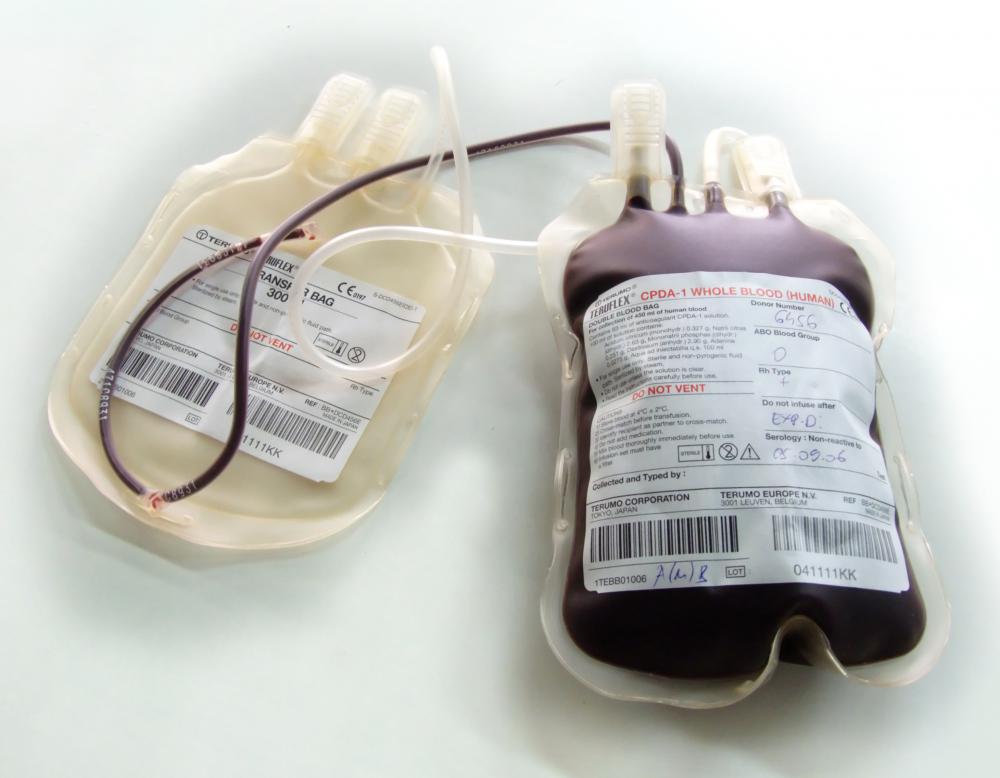
![One empty and one full pint-sized blood bag.]() By: .shockOne empty and one full pint-sized blood bag.
By: .shockOne empty and one full pint-sized blood bag. -
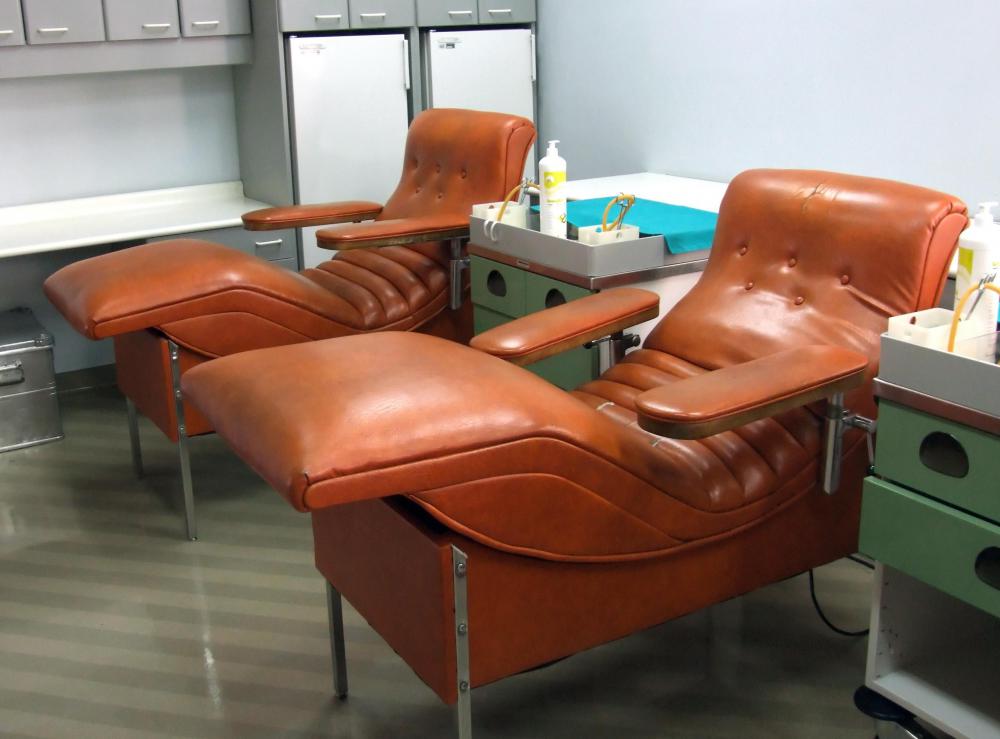
![A blood donation station.]() By: .shockA blood donation station.
By: .shockA blood donation station. -
![A blood composition diagram, showing platelet cells.]() By: Balint RaduA blood composition diagram, showing platelet cells.
By: Balint RaduA blood composition diagram, showing platelet cells. -
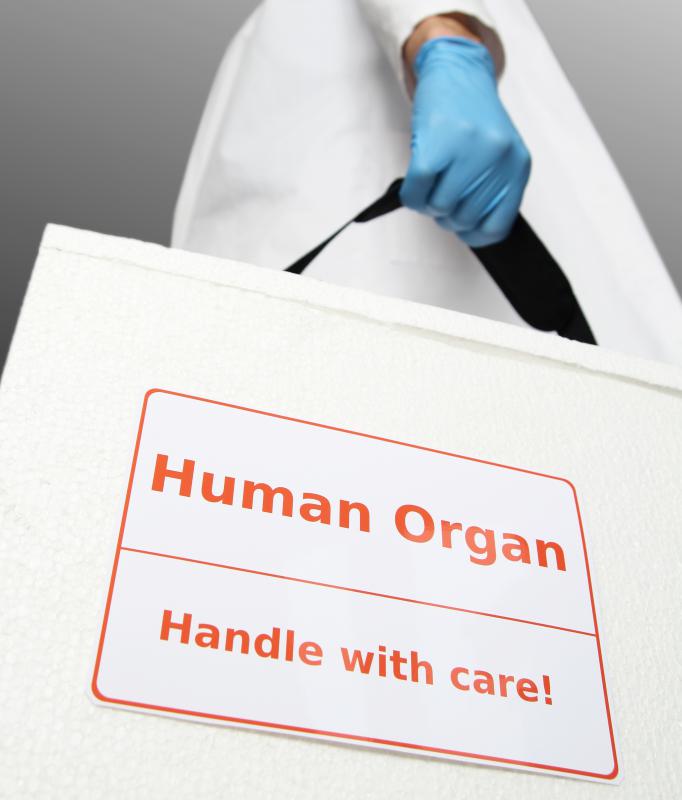
![Organ transplant patients often require platelet transfusions.]() By: RioPatuca ImagesOrgan transplant patients often require platelet transfusions.
By: RioPatuca ImagesOrgan transplant patients often require platelet transfusions. -
![A daily intake of aspirin can lower platelet counts.]() By: blueskies9A daily intake of aspirin can lower platelet counts.
By: blueskies9A daily intake of aspirin can lower platelet counts.


Discussion Comments
My platelets were around 118. The last time that were checked they 88. Do I have anything to worry about?
My mother-in-law has breast cancer and every organ is in good shape. In the last two weeks, she had the RBC Test. The same lab report said the platelet count 15000, 22000 and finally carried the platelet count is 6000. What is the best course of action to bring her numbers up so she can have the surgery? Please help me.
Paw Paw leaf juice increases white blood cell platelets.
What is the solution for low platelet problems in girls?
I have a science project due tomorrow and the project asks what the main organ that platelets "report to" or have to take orders from. Can anyone help me?
My platelets are up. What will that mean for me?
I was recently diagnosed with anemia my platelet count was slightly above the normal range. After being on iron for a week, I repeated my test and my platelet count doubled. Is this common?
My uncle's blood platelet count has come down to only 27 and he has been advised by doctors to go for iron therapy. Please suggest some way his blood platelet count can again reach normal levels and he can ge through this dangerous problem.
My platelet count is 101. What should I take in diet to increase the number?
my platelets count has been 60,000 to 70,000. I am checking my blood yearly for the last eight years. Now I have an inguinal hernia and the doctor suggested I have an operation and the same time considering the platelet deficiency also, asked me to go to a hematology doctor to find out whether I can have the operation or not. I am waiting for the appointment. If any doctors see this post, please give am answer for me. --shun
I am anju and have been suffering from dengue fever for 31 months. my platelets are decreasing day by day. how can i treat it.
My father faces a cardiac aortic valve replacement and every organ is in good shape, but he has platelet count of 59,000. What is the best course of action to bring his numbers up so that he can have the surgery?
I suffered from dengue fever three months ago, and after that I've suffered from many problems and now my platelets are down in .83 lacs. How much of a threat is it?
Spirulina increases red blood cell count.
i am nearly 38 and was told years ago a would have a stroke if a don't take aspirin to keep my levels down but doctors have told me for two years now not to take them and my platelets are now 989,000. I am scared of what will happen. could you advise me please.
i just came back from the doctor's, and he told me that my platelets are low at 0.89.
My mother's platelet levels came down to 100 and she was hospitalized for more than 20 days in ICU. She had continuous bleeding through the mouth for 20 days and was given 30 units of transfusion of blood platelets during this time.
We were very scared and one day doctor called us and told that they are not able to diagnose as her levels did not increase from 100 even after a bone marrow test and lot of injections after this test.
We got her discharged from hospital and continued medicine based on ITP treatment, her levels started increasing next week and in one month's time, her blood platelet levels are above 187000.
One learning of life, never ever leave hope and have patience during ITP treatment.
what are the foods my almost 2 years old baby should take to at least make her platelet count higher than 15? please help me. i don't know what to do.
My son has had chronic ITP since he was five. He is now 12. What can be done?
food to try to address the low platelet count: cooked quail eggs (hardboiled); extracts from sweet potato tops (leaves boiled in water then the water given to patient).
How does one have platelets checked? What are the symptoms of high or low platelets?
My son is 17 years old and suffering from Dengue NS1 antigen from last 6 days. His platelet count on 6th day is reduced to 24000. His other functions are normal i.e. no fever, no Vomiting and he looks fresh and normal. He also feels hungry. So far the doctor has given him four bags of platelets. Please advise when he will get to the normal platelet count and how to increase the platelet count.
if the spleen is slightly enlarged up to 13cm, is there any problem? please give your comments.
My dad is 48 years old and he had a fever caused by malaria. Since having his fever his platelets count has decreased to 25000. What can he eat and what else can he do to increase his platelet count?
my four year old daughter has been diagnosed with low platelet count. it suddenly reduced to a low 4 percent. is this dangerous? how can it be cured?
I am 33 years old. My platelets are lower than the normal. The counts are 99000. what can i do to increase them? I am worried.
my platelet count is 85000/ul due to viral fever. how should it increase? please answer me.
my brother has hepatitis c. now he takes a vaccine course regularly. his age 40 is years and his rbc and wbc are normal but his platelets quantity is now 110,000 till now.
my two year old daughter's platelets count is going down from 175 to 97. is there anything to worry about?
My platelets count is 10E9\L. What does that mean? Is it at the dangerous level? What measures should I take to bring improvement?
To: anon75333- Post 37- Why can a person receive platelets donated by anyone, but must receive a particular type of whole blood?
The reality is that patients rarely receive whole blood anymore. Rather, the whole blood that is collected gets broken down into components; packed red cells (which people most often mistakenly think of as whole blood); plasma, and platelets. The doctor then prescribes the component needed depending on the patient's condition.
So, your question should be: "Why can a person receive platelets donated by anyone, but must receive a particular type of red blood cell?" It is the red cells that determine our blood group: A, B, AB, or 0. Giving a person an incompatible blood generally has disastrous consequences as the body seeks to protect itself from incompatible blood. Hemolysis (rupturing of blood cells) occurs, often resulting in death.
The multiple safeguards in place these days from collection to transfusion makes transfusing the wrong blood to a patient virtually unheard of. It takes a serious human error for that to happen.
Apheresed platelets have nearly all the red cells removed and are safe to give without regards to blood type. A doctor can elect to specify the donor's blood type, but it generally is not necessary.
Derived platelets extracted from whole blood contain a larger amount of red cells that tinges the platelets to a reddish color. In fact, some people refer to those as "bloody platelets." It is more likely a doctor will require type matching if derived platelets are being used, but is not absolutely necessary.
Why can a person receive platelets donated by anyone, but must receive a particular type of whole blood?
i am scared to death. i just found out out my platelets went from 98,000. they are now 53,000. the count seems to be going down. what can i do to get them back to the normal range? i do not understand.
My husband has prostate cancer and his platelets go up and down from 8000 to 60,000, irregular.
He's not getting chemo anymore, but he gets regular platelet transfusions. Is there a danger of getting too many platelet transfusions?
My husband's platelets count has suddenly decreased to 30,000. How can he increase it?
My name is Jannie. I have a high count of platelets and I have suffered with blood clots. I had to be hospitalized. However, I am doing well now but my count is still high.
I just had back surgery and I was taken off my plavix which I feel I need because of the high count in my platelets and I don't need them to be sticking. I read among the articles that an aspirin will help lower my count which I am going to begin taking one a day.
I wish someone will find a cure for this problem. My doctor wants to do a bone marrow test, but I have had that test before and it hurt. I have now refused the test because I feel there is no need for this test. The test will provide information whether I have developed sickle cell. I figure a simple blood test would prove this outcome.
One of my friend's platelet count has gone down below 10,000 last year. after that there was not decrease in the platelets, but again this year(2010) it has gone down twice. Moreover he is not getting any blood loss when the platelets come down drastically.
Please advise what is the permanent medicine to maintain the platelet throughout his life. Or I have heard that after a certain age it will be maintained itself. Is it true?
My husband was diagnosed with CML 10 years ago. About two months ago, his platelets stated to go high. What would be the cause for this?
Would platelets and plasma be considered the same thing? - anon44011
No. Whole blood is comprised of four major components: red cells, white cells, plasma, and platelets. When platelets are drawn through apheresis, the resulting product does retain some plasma as a suspension agent. Typically, an anticoagulant is introduced to the bag as well.
Try drinking juice of papaya leaf. It will increase your platelet count.
my wife's platelets are 11,000. How to increase it?
My wife is pregnant and her platelet count is 76000. I want to know how to increase her platelets before surgery. There are only 15 days left and i also want to know if is there any risk if surgery must be done.
my name is varun from ludhiana punjab. my problem is that my platelet is very low. it is only 8000. i am a 26 year old guy, so that is why i am not thinking about marriage. please suggest what i can do. i have been suffering ITP for the last 10 years. - Varun
my platelet count is 84000. what is the side effect of this and how can i incresse it up to normal range. can you also tell me what are the results of low platelet?. -- raman jha
My mum was diagnosed with CLL (stage 2) in 2000. She has her blood sample taken every month by the district nurse every month so that the doctor can monitor my mum's condition. My mum's platelet count from her recent blood test reads 142, HB 10.50, wbc 111. I am concerned about my mum's platelet count because it has never been so low. Is this a sign of worsening of her CLL disease? Does she need any immediate treatment?
Would platelets and plasma be considered the same thing?
What type of natural routine diet can increase platelet count?
Hi. My blood platelet count is 145. is that normal or not? Please advise me. Thank you.
A healthy, desirable platelet count for adults ranges between 150 to 450 K/UL.
The last line of this article contains a statement which may be misinterpreted. It states, "...one donation provides only a sixth of a platelet transfusion unit." That is only true if the platelets are derived from whole blood donations. If the unit is the product of apheresis, 1 to 3 complete units of platelets are produced from a single donor. That's the beauty of apheresis- a patient could get three units of platelets in their treatment (not uncommon) from *one* donor versus 18 donors using the derived platelet method.
Dedicated to anon17078.
I was diagnosed with ITP when I was one-year-old: its typical symptoms- petechiae, excessive gum and nose bleeding and a platelet count from 8000 cu/ml to zero. As cortisone treatment had had scarce effects on me, doctors proposed the spleen extraction, when I was five years old. My mother refused. Remaining nothing to be done from the doctors' part I was sent to the streets and playgrounds, doing whatever the other children were doing. I remember myself usually returning home with some bruises or stop playing due to a nose bleeding.
Little by little the typical symptoms begun to recede and about the age of fifteen they disappeared, whereas the platelets, since then in rare occasions counted, were as always low. When I was about the age of thirty, a doctor, rather intrigued by the situation (platelet count no more than 20000 and daily weigh lifting in the gym), after having examined me squarely (bone marrow, platelet anti-bodies, spleen scan) told me that there are some rare cases where the brain's center, which regulates the number of platelets, is erroneously programed by itself. I am fifty four- year-old now and, be it a mild ITP or a...loose brain valve, the whole thing for me has been a difficult infancy, a careful childhood and an obligatory platelet transfusion when I had a routine operation, ten years ago.
I wish the only helmet necessary for your son will prove that which he will wear in the army.
i had a bad case of itp 3years ago, i was 19 at the time. have had no problems with it since... im just wondering what are the chances of it returning?? asking as we want to try for a baby but my biggest fear is that it will return while im pregnant!
Food rich in vitamin k (such as lettuce) are supposed to increase the number of platelets in your blood, I don't know why but even if it's not extremely successful eating lettuce isn't going to do you much damage is it?
Hello to all you "wonderers" of ITP out there. I have a 2 year old son that was diagnosed with ITP about a year ago. He has for a few months now been deemed chronic. Traveling to the doc's office for *another* blood test. Sometimes 2-3 times a week... We did the steroids and the intravenous deal a couple of times. That only worked for a couple weeks max. So...not wanting our son to have to go through any more of the side effects that those treatments had to offer, we chose to discontinue treatments. As of today his platelet count is 4,000. Yea it sounds really spooky but we have done tons of research and are very comfortable just being extra careful so he doesn't impact anything too hard with his body, and for his head, when he is playing he wears a helmet. There is only a 1% chance of spontaneous bleeding in the head or body, so we decided to take the chance. We have had him off of medication for about 1 1/2 months now. His platelet count has risen to 8,000 on its own, but then dropped to 4,000. I am currently giving him shark liver oil and a multivitamin every day. I am also researching the Macrobiotics diet to see what foods may help him and what foods may not. We have so many allergies for food that we don't even recognize usually when we are having a small allergic reaction. I feel that by eliminating these problem foods and products, his body will have a really good chance at working on the real big problem (ITP).
To all of you ITPers out there...hang in there. Don't panic if your count goes way down...you just have to be careful about the way you go about every day life until your count returns or not. We are so hoping that by letting our son's body have some time to battle this on it's own without constant help from "bad" medications, that his count will return and he can have a normal life.
Hope this helps someone.
try kamangi. it really regenerates the number of your platelets.. we already used it to our patient suffering dengue fever.
I have been donating platelets for the past 20 years. Because they are short-lived, one can donate platelets MUCH more frequently than can be done with whole blood. The FDA limits donors to 24 times per year, but exceptions can be made if a patient is desperate and other donors are not available. (Several years ago, I was the only donor available and gave 5 times within two weeks, to no ill effect.)
Many lifesaving medical treatments require platelet transfusions. Cancer patients, those receiving organ or bone marrow transplants, victims of traumatic injuries, and patients undergoing open heart surgery require platelet transfusions to survive. Blood type (ABO) and Rh factor (positive or negative) matching is needed, and for some patients, antibody tissue typing (as for transplant) as well.
Because platelets can be stored for only five days, the need for platelet donations is vast and continuous. Normal platelet counts range from 150,000 to 400,000 per cu/ml (THIS IS NOT WHAT IS STATED ABOVE). However, because of their short lifespan, platelets are continuously and rapidly produced in the bone marrow, and even frequent donations generally don't have an adverse affect on platelet counts (which can vary significantly from day-to-day or week-to week.
Unfortunately, there is little evidence of any effect on platelets from diet, exercise, or other means (including sexual activity. Only medical interventions can treat platelet deficiency.
Recently, my mom's (48 years) platelets suddenly got lower to 10,000 and then it went to 800 but after 1 day with initial treatment it went to 5000. She also got the test 'bone marrow' and the result was ITP. Doctor has started 3 days steroids course through veins, but is going to check the platelets after 2 doses. As per Doctor's advice she has to take oral steroids for 4 weeks. So my questions are:
Will the platelets increase after this treatment? Will the platelets go down again in future? What are the precautions to be taken for the life time? Is eating types of food a solution or what?
How much platelet counts are preferable for her throughout the life?
Hope to get a good advice and the proper satisfied answer. Thank you so much.
I am suffering from low platelets count since 2 year when bleeding from my nose then my platelets are 24000 after some treatment my platelets counts are 72000 but when I stop the treatment then my platelets comes to 42000 so what can I do and please suggest me any medicines please and also size of my spleen was 13 cm in Ultra Sound report. I’ll be very thankful to you.
And please tell me that there is any problem in platelets count reducing when I done my sexual job with my wife. Thanks again
Allergy
my platelets were 138 and my doctor said normally they should be 150 i know it is still okay and they are not dangerous, and i also know that when they are under 100 that is when i should be concerned, when i was pregnant my doctor said that they shouldn't go under 70 but at one time they did go to 64, my Question is what can do (is eating types of food is a solution or what) thank you.
My platelet count came back as 85. Is that bad and what are the dangers of being low?
what is the type of shirt with frills on the sides of the buttons called?
What do you call the type of shirts worn by pirates?
My platelets count has been high the last few times I have been to the
doctor. It was 614 the last time I went. Is this cause for concern and what do you need to do to lower your platelet count?
I understand that platelet counts can go up in regular donors. If this is true, how much do they go up, and does this present a health risk to the donor?
Post your comments